Prinsengracht in Amsterdam — History & Analysis
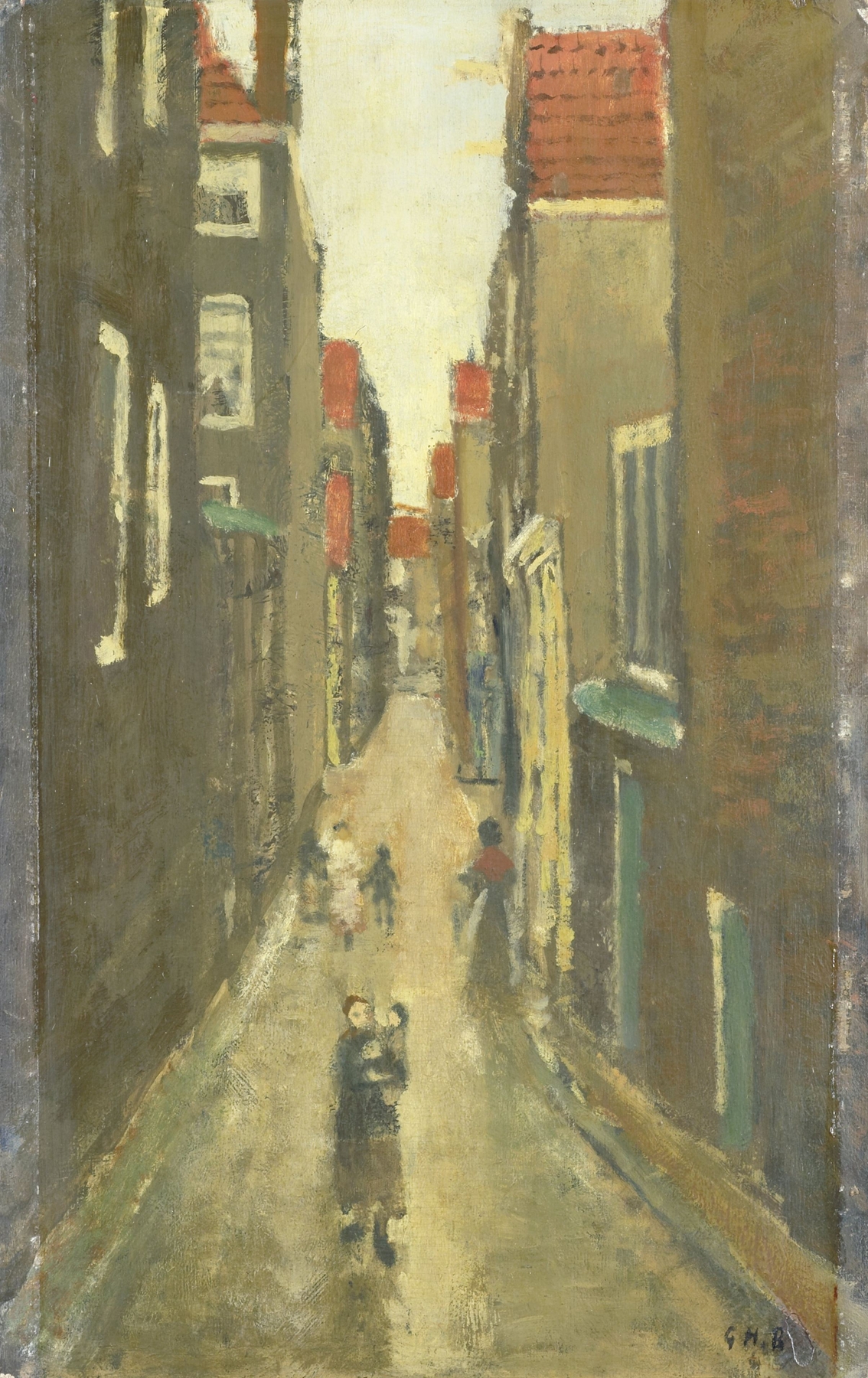
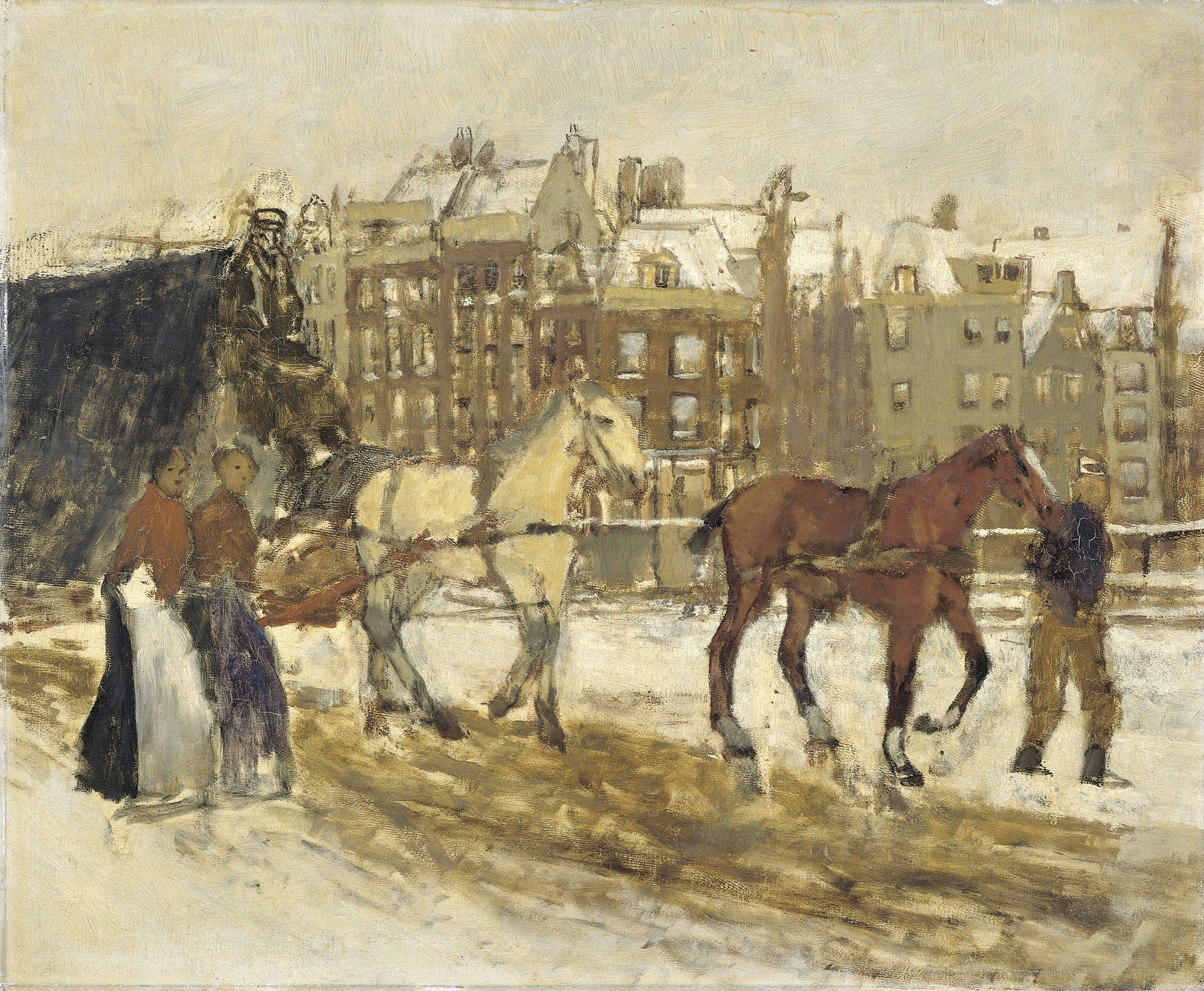
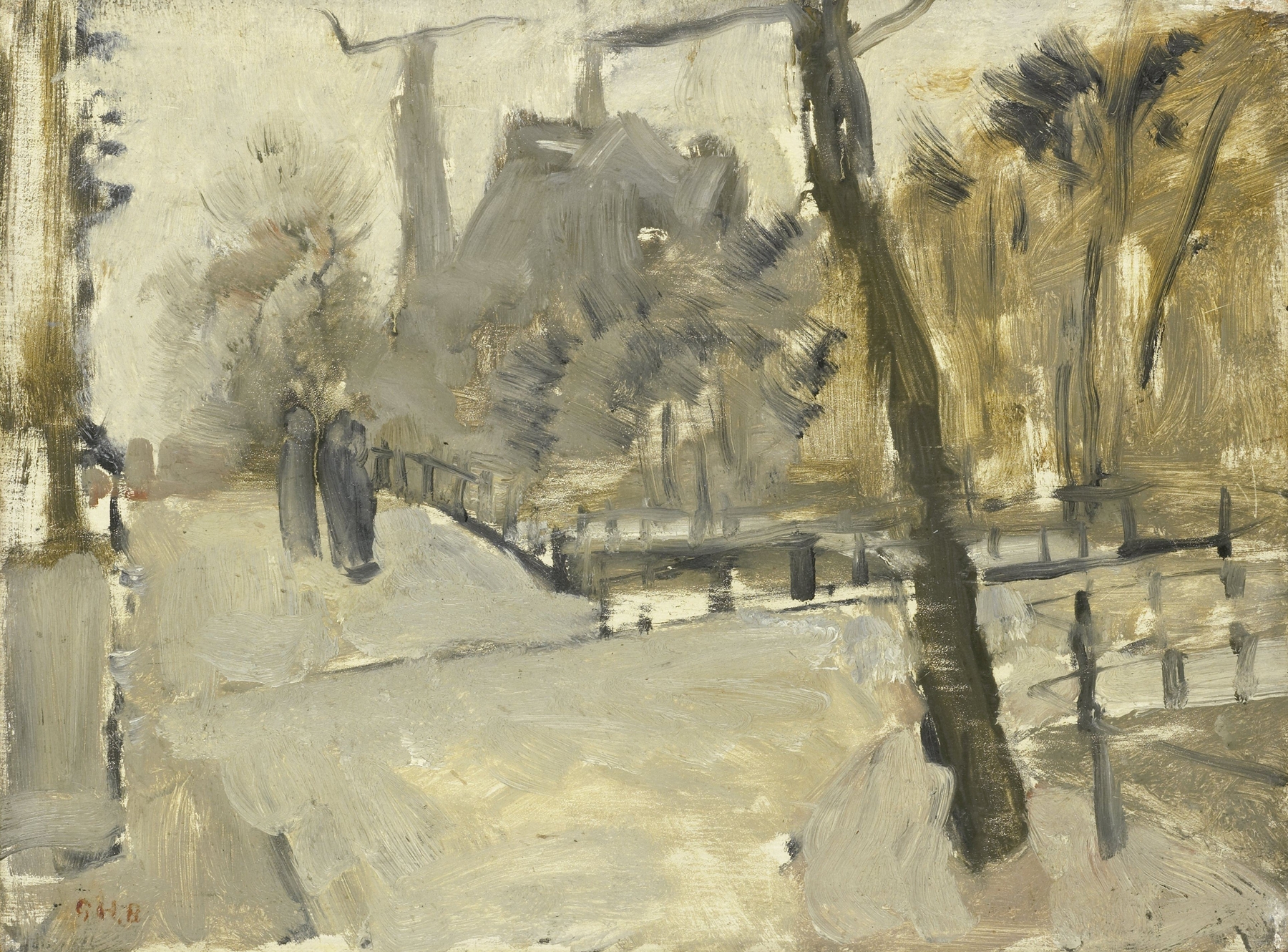
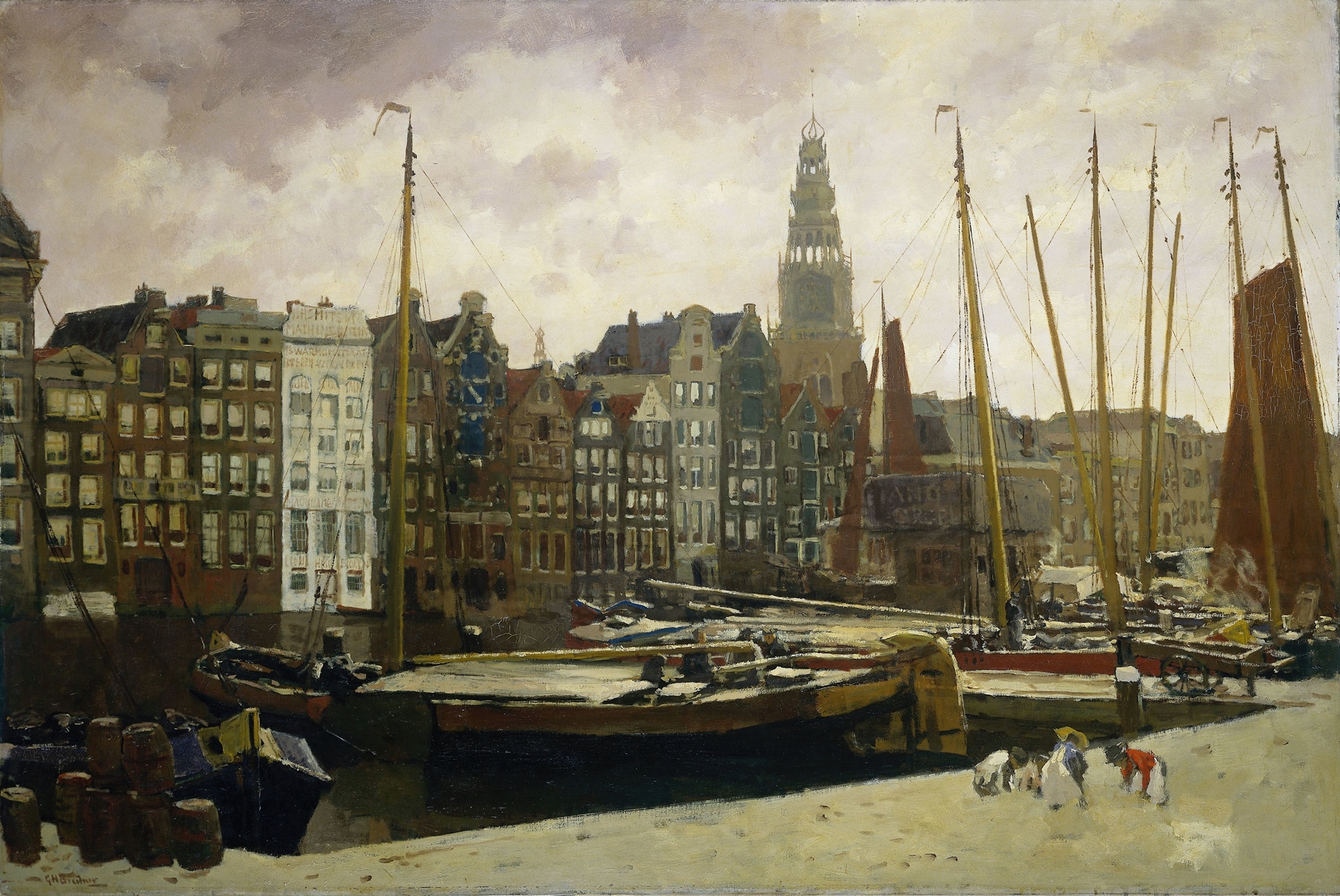
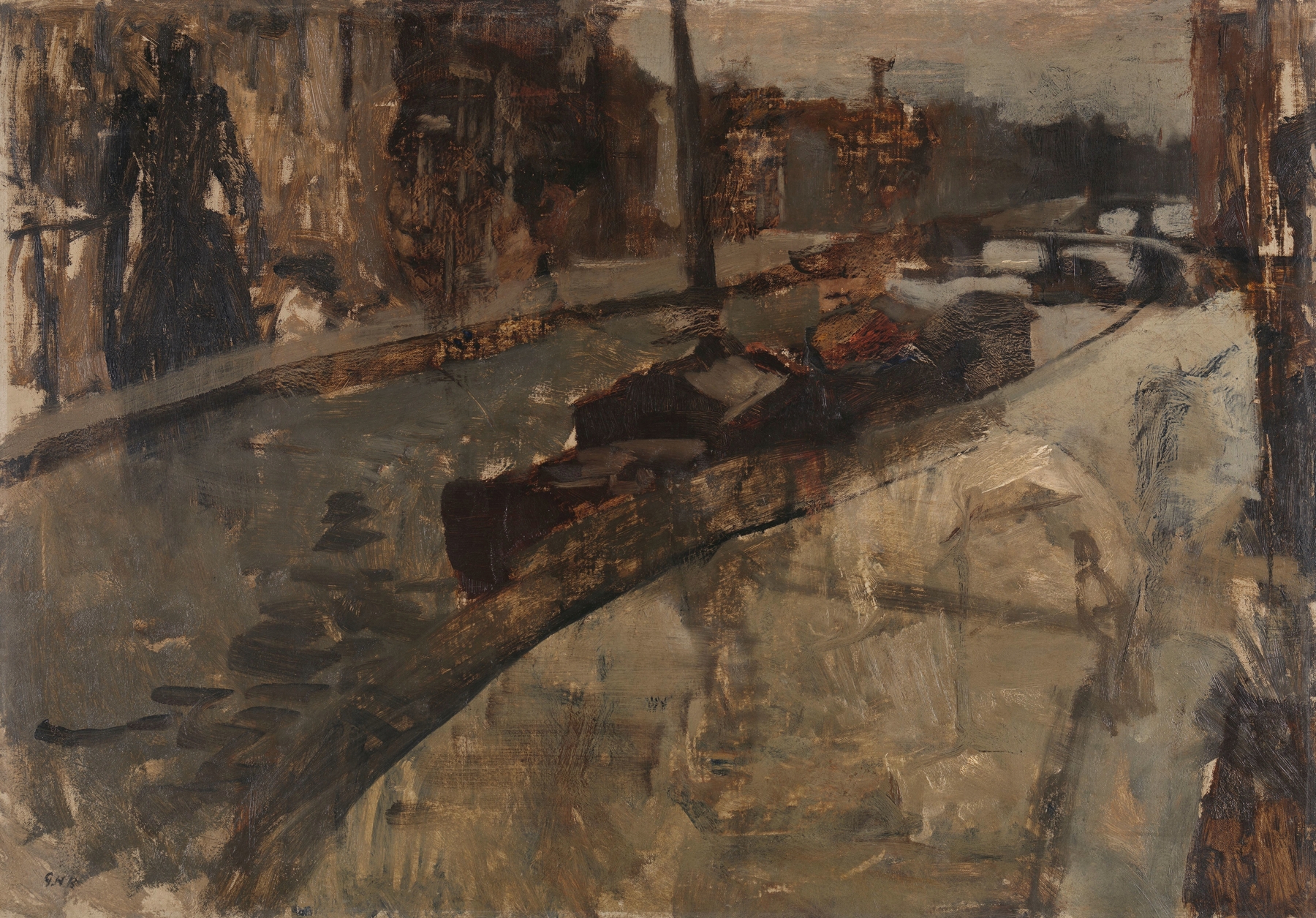
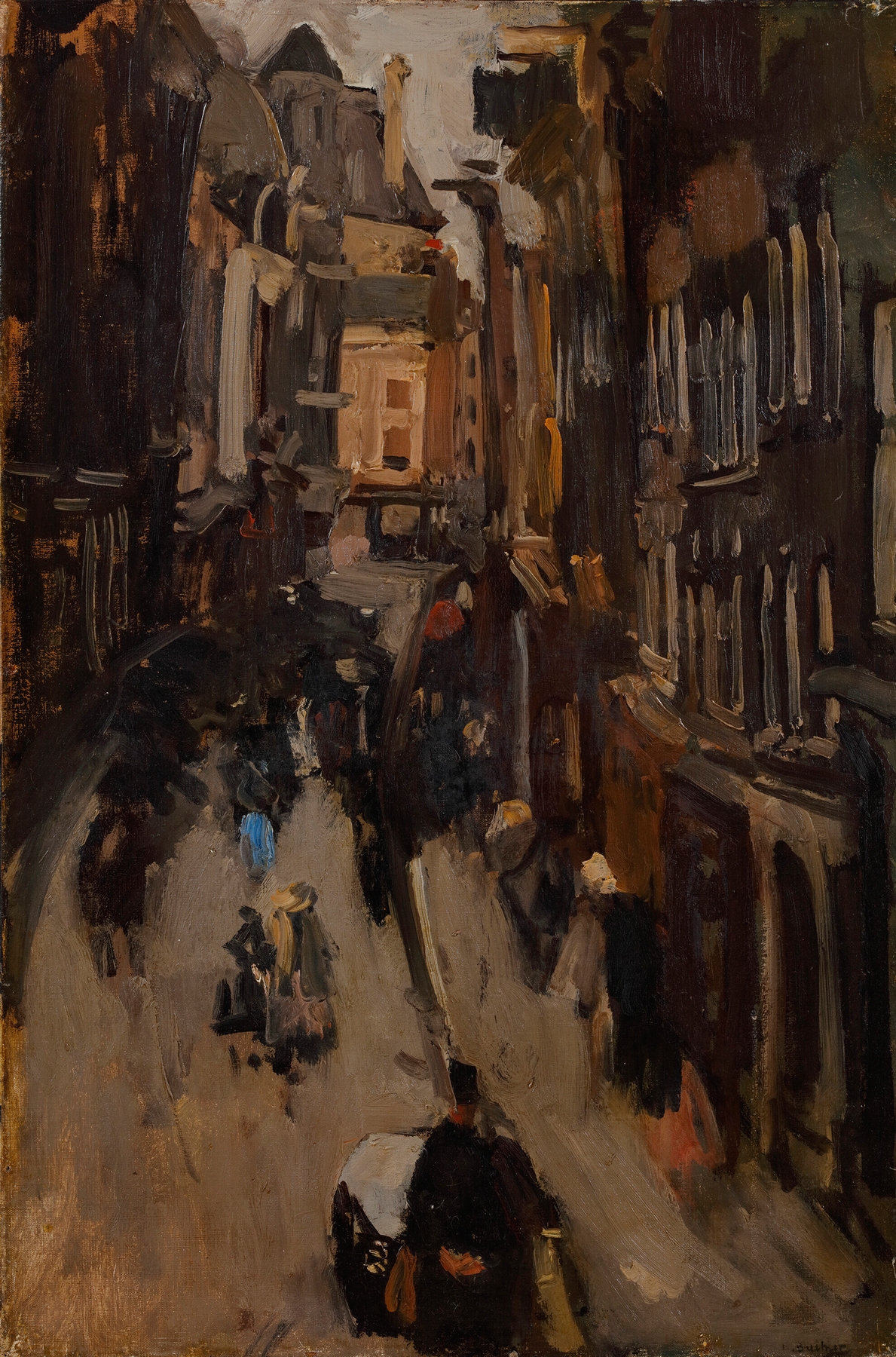
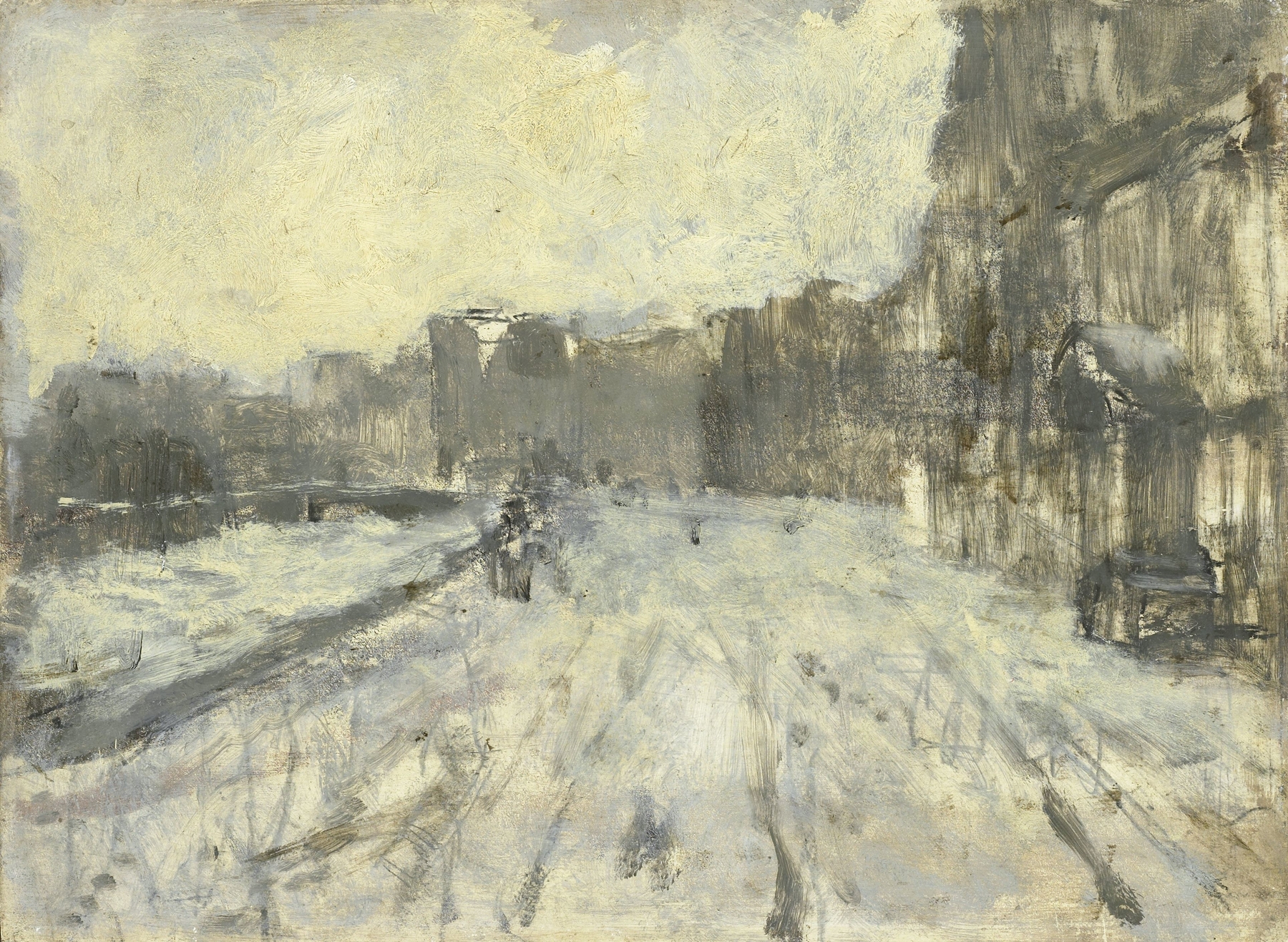
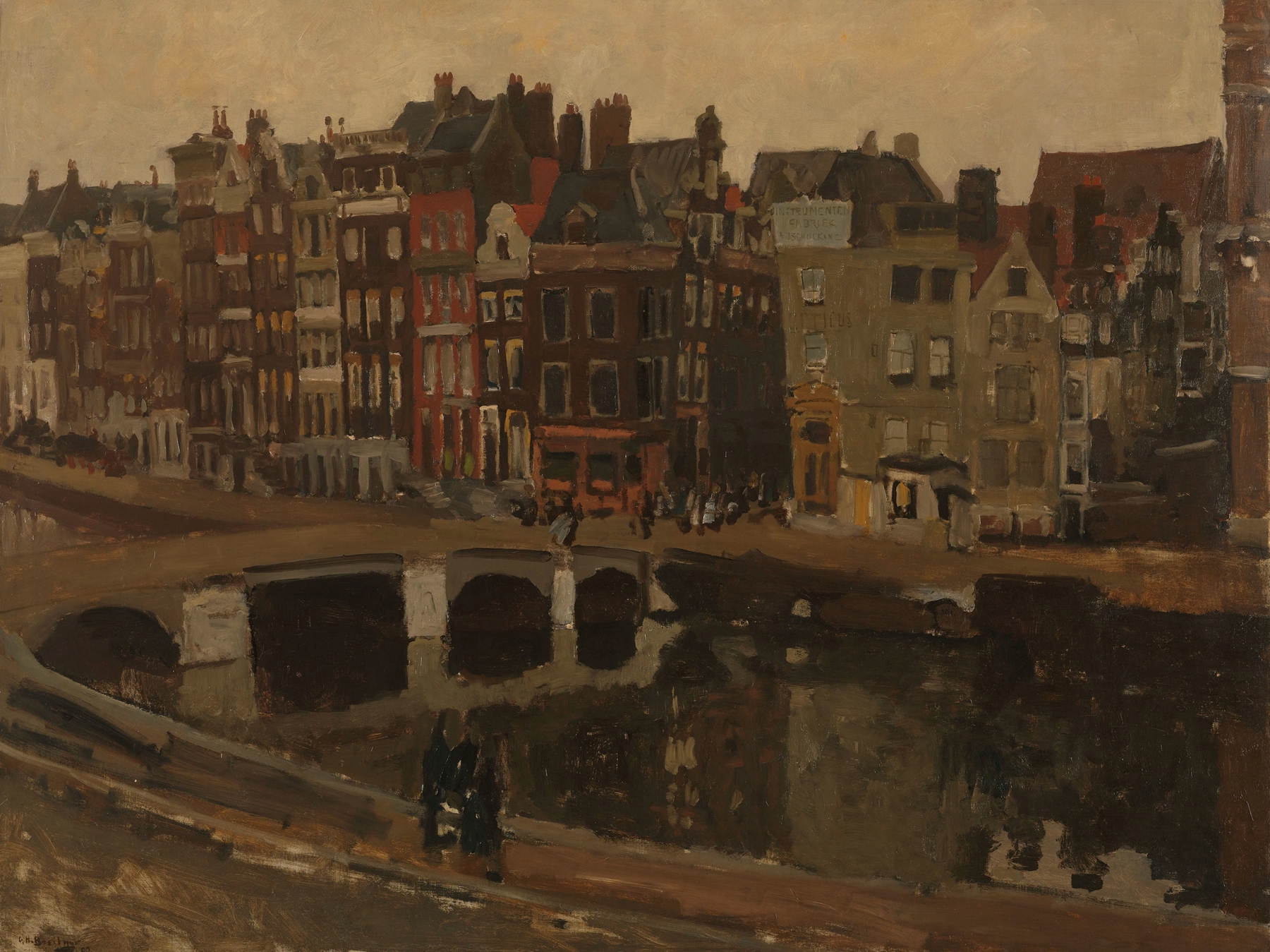
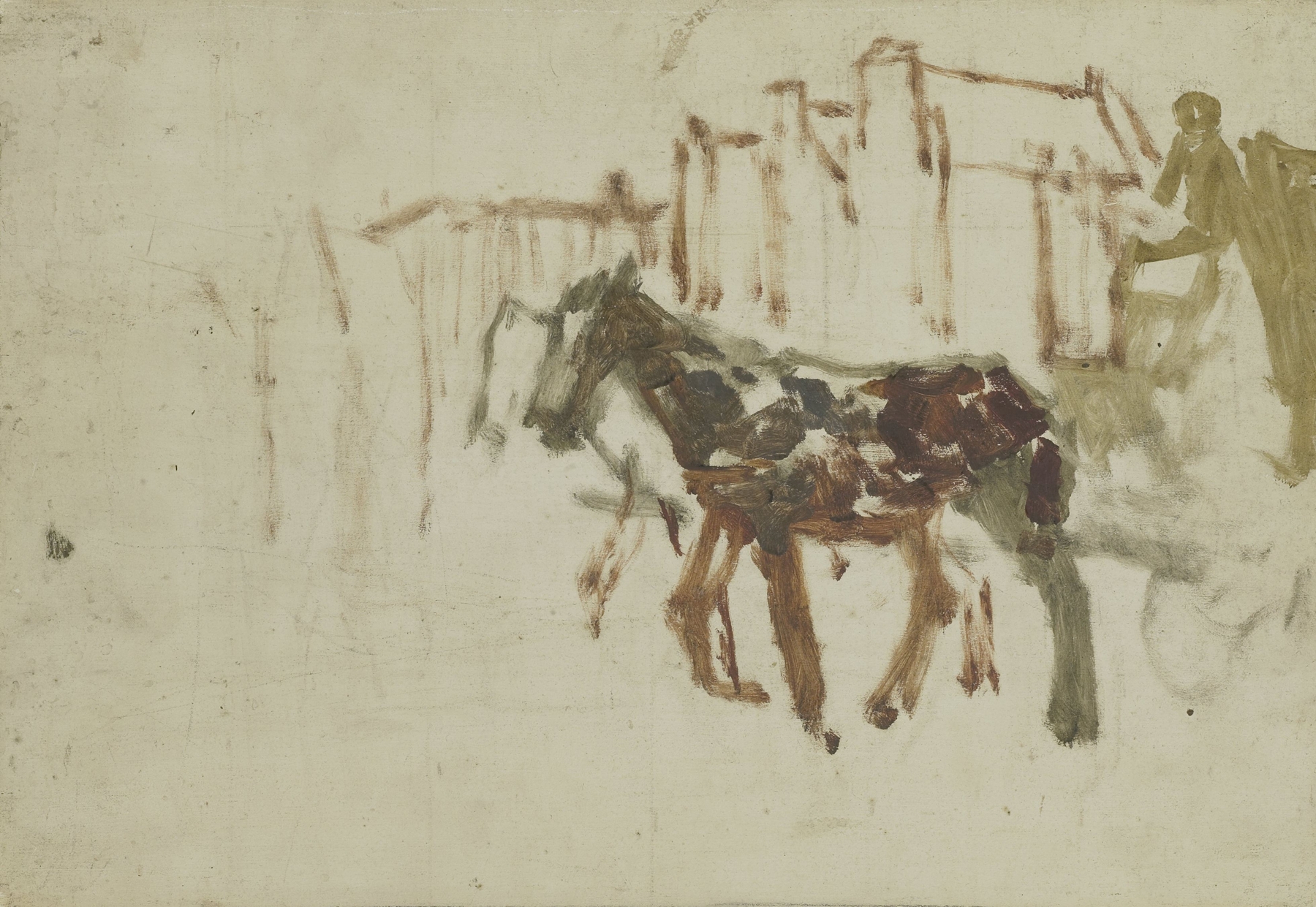
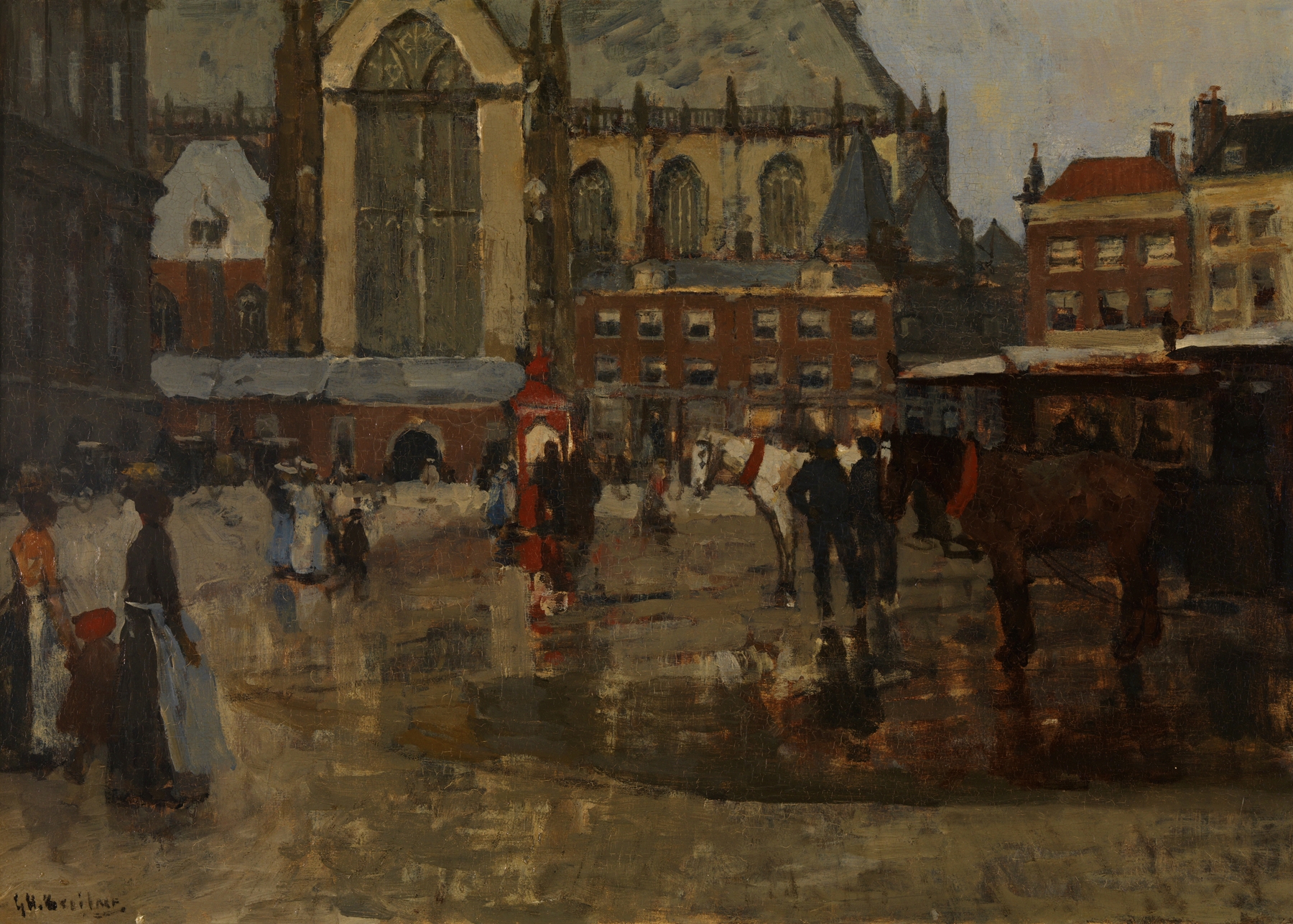
What secret hides in the quiet of the canvas? In the stillness of this urban landscape, a delicate balance unfolds, capturing the essence of Amsterdam’s serene charm. Look to the foreground, where the gentle ripples of the Prinsengracht reflect the muted colors of the brick buildings lining the canal. Notice how the light shimmers across the water, creating a sense of movement against the stillness of the scene. The composition draws your eye along the canal, leading you deeper into the city, where the soft tones of cream and amber mingle effortlessly, evoking a wistful nostalgia.
Each brushstroke stands as testament to the artist’s keen observation, revealing the harmony between architecture and nature. Beneath this tranquil surface lies an interplay of solitude and connection. The absence of figures invites contemplation, allowing the viewer to engage with the space as if they inhabit it. The balance between light and shadow, warmth and coolness, reflects the quiet life of the city, while hinting at the stories that linger just beyond the frame.
This work subtly conveys the emotional resonance of urban life, where moments of tranquility coexist with the pulse of daily existence. Created during the late 19th century, this piece reflects George Hendrik Breitner’s exploration of urban landscapes amidst the rise of impressionism. Living in Amsterdam, the artist focused on capturing the essence of the city at a time when industrialization was changing its character. Though the exact date of this painting remains uncertain, it aligns with Breitner’s commitment to portraying the intimate relationship between people and their environment, marking a significant contribution to Dutch art history.