
Psyche showing her Sisters her Gifts from Cupid — History & Facts
In 1753, the young Jean-Honoré Fragonard made his public debut at the Paris Salon with Psyche showing her Sisters her Gifts from Cupid, a work that signaled his early fascination with myth and storytelling. This was a period when the Salon was the battleground for artistic reputation in France, and Fragonard, just 21 years old, was stepping into the spotlight for the first time. The painting drew attention not only for its lively composition but also for its subject—a tale of curiosity and envy that resonated with the Rococo audience’s taste for drama and intrigue.
The work’s fate after the Salon remains uncertain, but it is often cited as a key moment in Fragonard’s rapid rise. The scene captures Psyche at the precise moment she reveals to her jealous sisters the extravagant gifts she has received from her mysterious lover, Cupid. Fragonard fills the canvas with sumptuous objects: golden vessels, silks, and jewels spill from a chest at Psyche’s feet, their gleam catching the light and the sisters’ covetous eyes. Psyche’s gesture—her hand open in innocent display—contrasts with the sisters’ hunched, whispering forms, their faces shadowed by suspicion.
The theatrical arrangement and glowing palette recall the influence of François Boucher, Fragonard’s teacher, yet here the mood is more charged: the gifts are not just tokens of love, but seeds of betrayal. Unlike Raphael’s serene Cupid and Psyche frescoes, Fragonard’s version pulses with tension and impending disaster. The painting’s subsequent history is a patchwork of scholarly conjecture. Its current whereabouts are unknown, and the medium—whether oil on canvas or another support—remains undocumented, a rarity among Fragonard’s early works.
No known patron is associated with the commission, though it is likely the piece was intended for a private collector, as was common for Rococo mythological scenes. Despite its uncertain fate, Psyche showing her Sisters her Gifts from Cupid stands as an early testament to Fragonard’s gift for narrative and psychological insight, foreshadowing the playful yet complex storytelling that would define his later career.
More Artworks by Jean-Honoré Fragonard
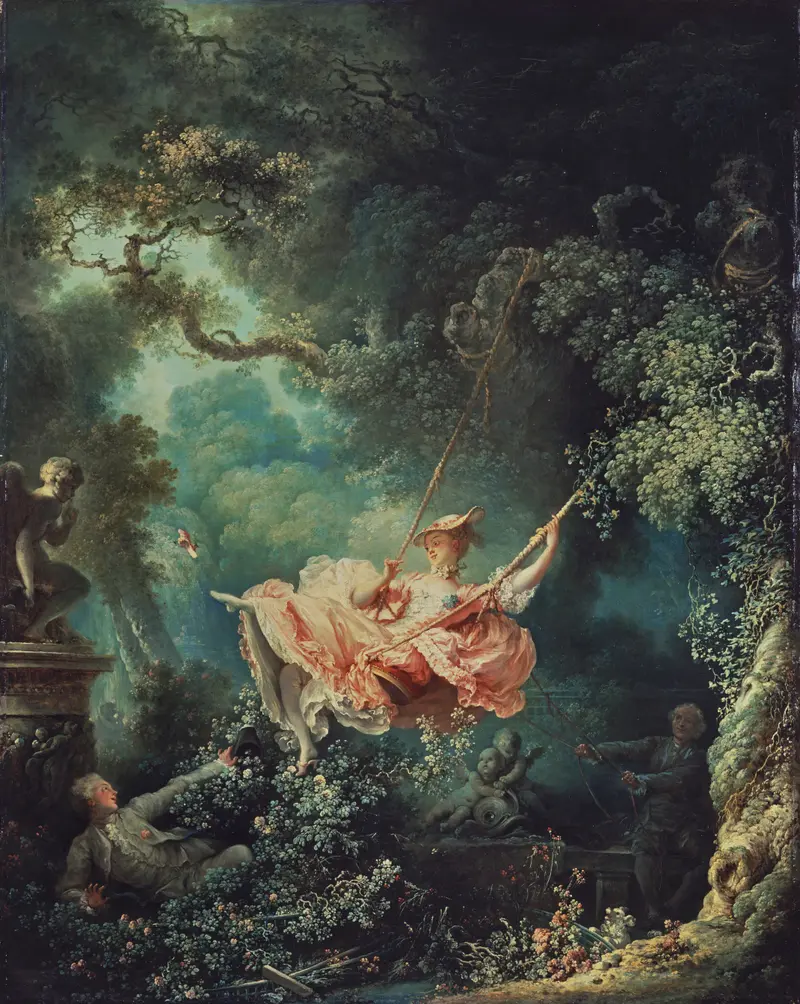
The Swing
Jean-Honoré Fragonard

The Swing
Jean-Honoré Fragonard
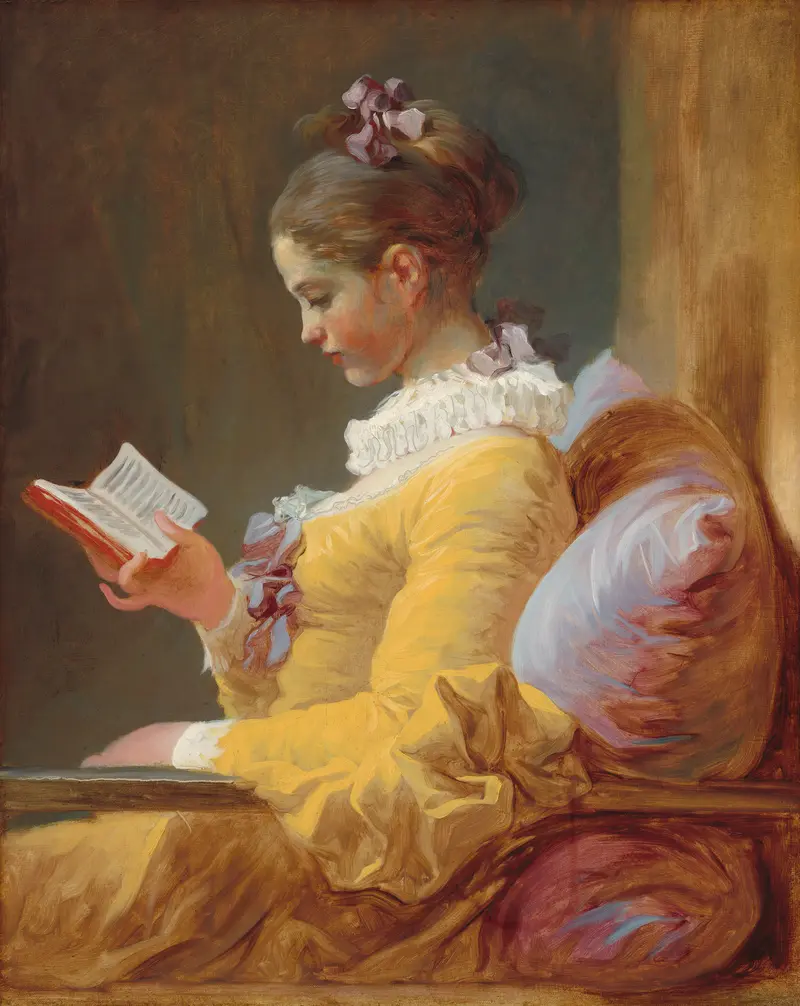
A Young Girl Reading
Jean-Honoré Fragonard
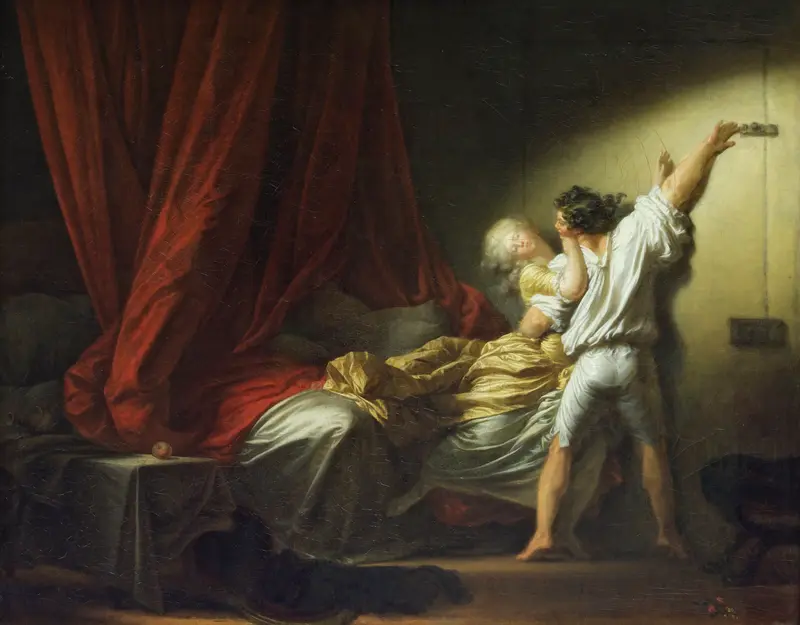
The Lock
Jean-Honoré Fragonard
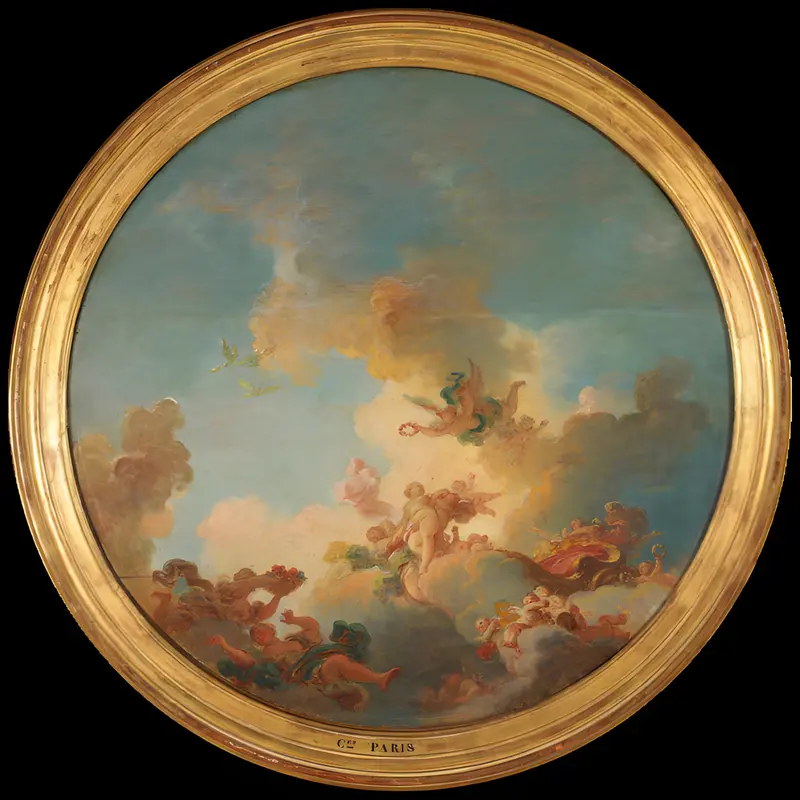
The Triumph of Venus
Jean-Honoré Fragonard
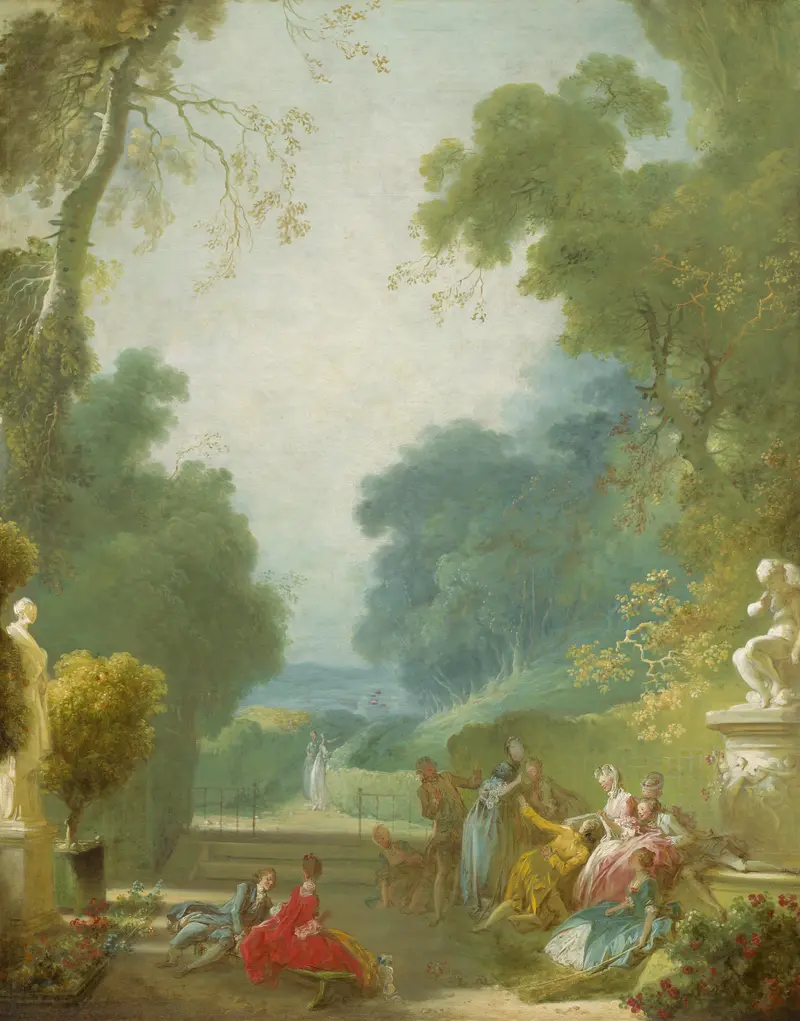
A Game of Hot Cockles
Jean-Honoré Fragonard
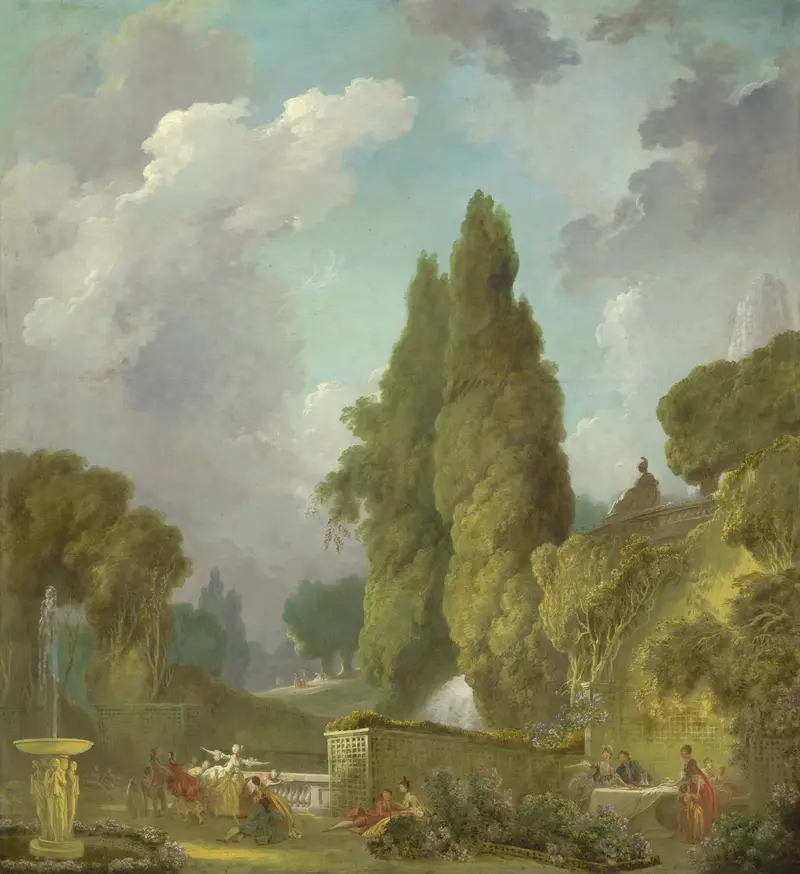
Blindman’s Buff
Jean-Honoré Fragonard
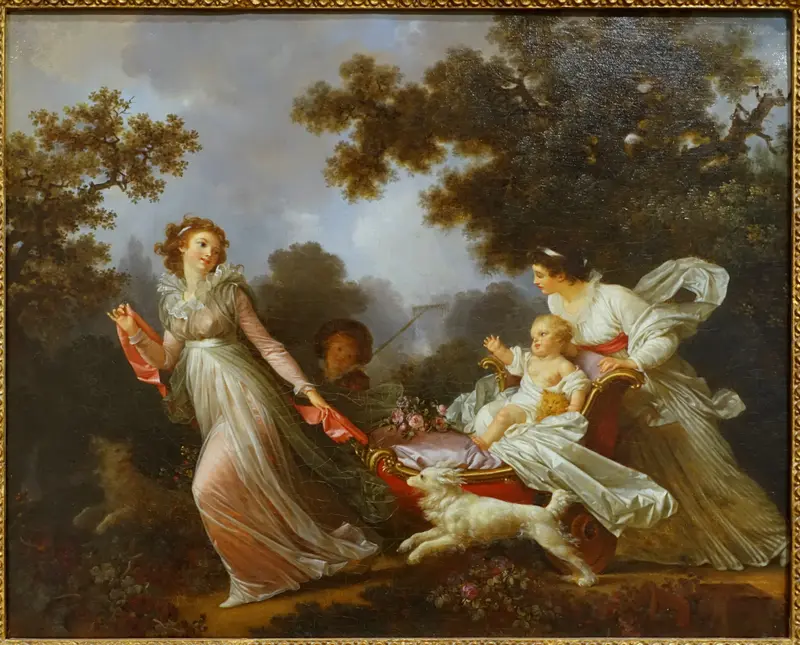
The Beloved Child
Jean-Honoré Fragonard
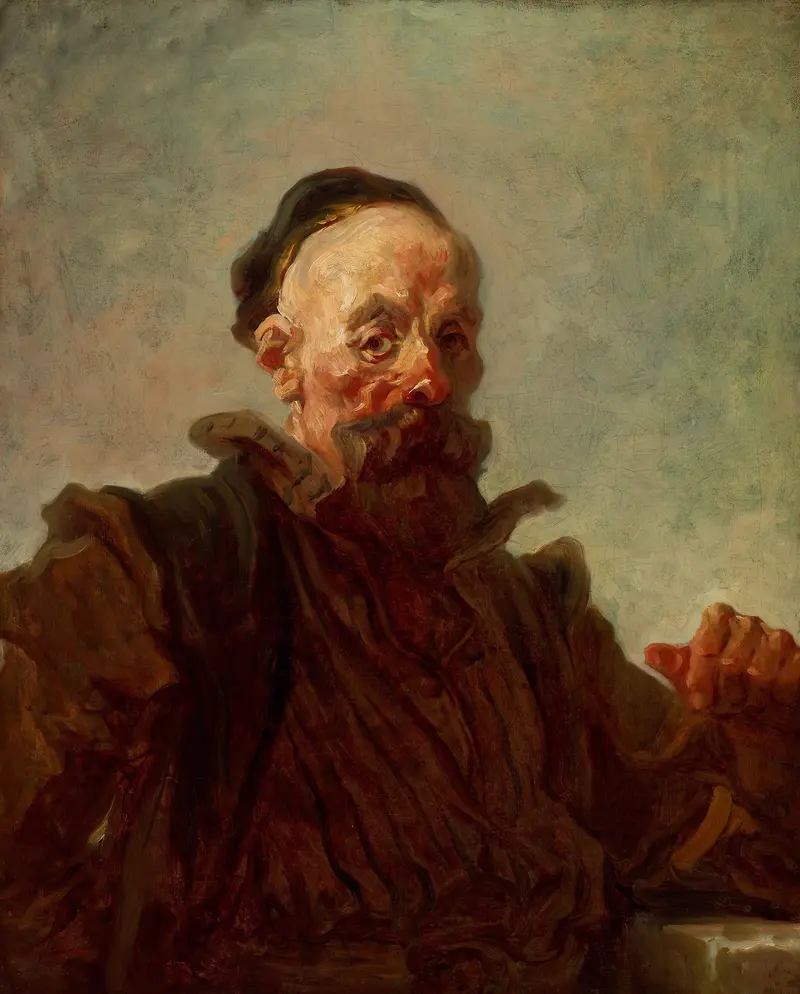
Portrait of a Man in Costume
Jean-Honoré Fragonard
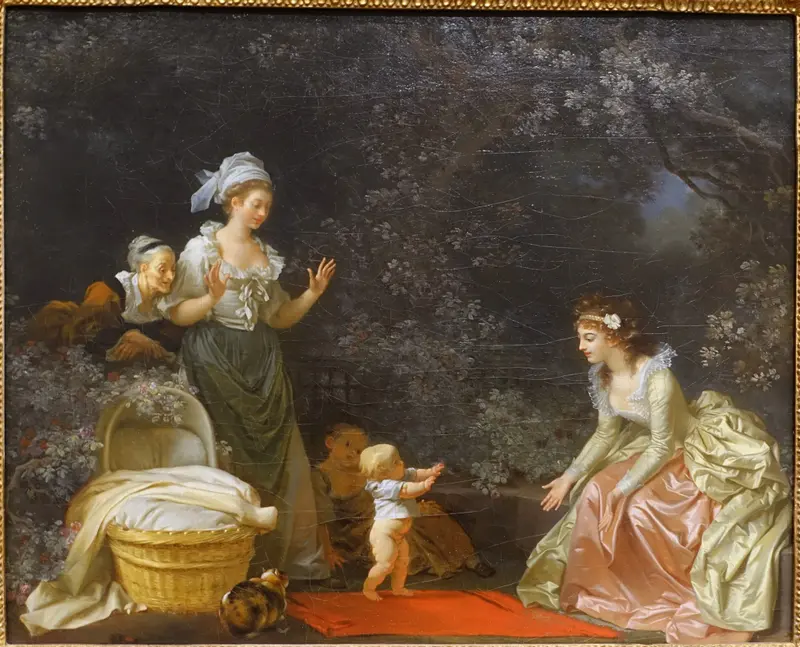
The First Steps
Jean-Honoré Fragonard





