
Pygmalion and Galatea — History & Facts
What first catches the eye in Pygmalion and Galatea is the charged stillness between sculptor and statue, the moment when marble yields to flesh. The figure of Galatea, her body luminous against the shadowed background, seems to awaken under the sculptor’s trembling hands. The artist draws our gaze to the point of contact: Pygmalion’s fingers press gently into her arm, as if testing the miracle, while Galatea’s own hand rises in tentative wonder.
The presence of Cupid at their feet, one hand guiding the drapery, roots the scene in the world of myth, but the tools abandoned on the pedestal remind us of the labor and longing that preceded this transformation. Light spills across Galatea’s form, making her the axis of the painting, while the rich folds of drapery and the subtle blush in her cheeks suggest the warmth of life newly kindled. Painted in 1781, this work belongs to a moment when European artists were enthralled by classical stories and the promise of reason and feeling united. The myth of Pygmalion, so often revisited in the eighteenth century, offered painters a chance to meditate on creation, desire, and the boundaries between art and nature.
In the hands of Louis-Jean-François Lagrenée, the scene is rendered with a softness and clarity typical of late Rococo and early Neoclassicism: the figures are idealized, yet their emotions are intimate and immediate. Such paintings were prized by collectors and aristocrats who sought both moral instruction and sensual delight from mythological subjects. While history has kept few traces of this particular canvas’s early journey, its survival in a modern collection invites us to linger on the threshold between myth and reality, and to ask what it means for art to come alive.
More Artworks by Louis-Jean-François Lagrenée
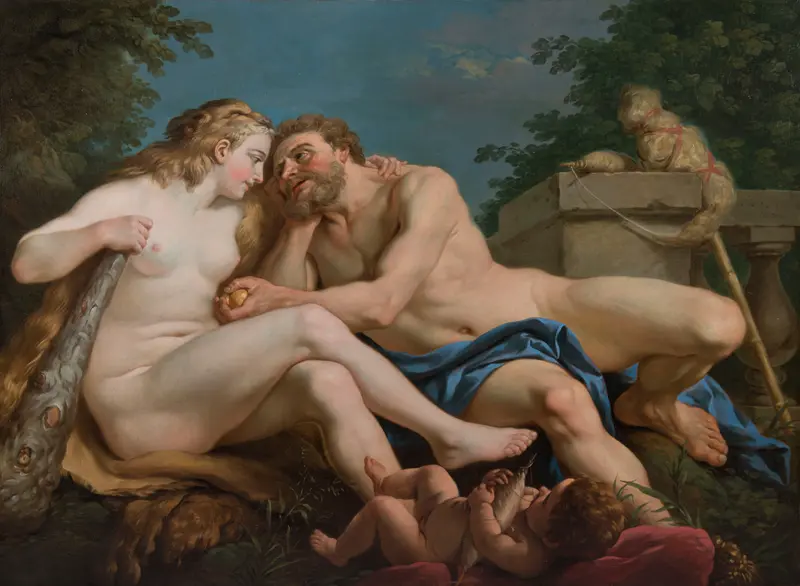
Herkules and Omphale
Louis-Jean-François Lagrenée
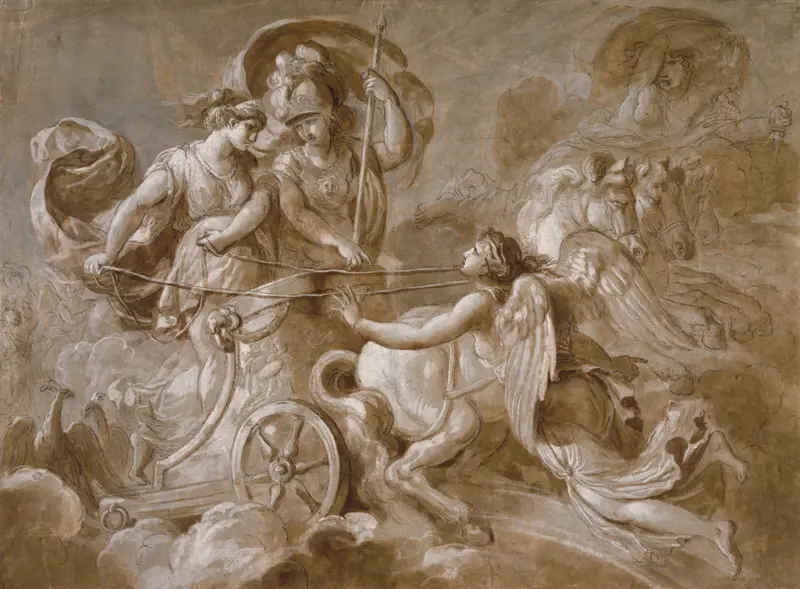
Iris Approaching Athena and Hera
Louis-Jean-François Lagrenée
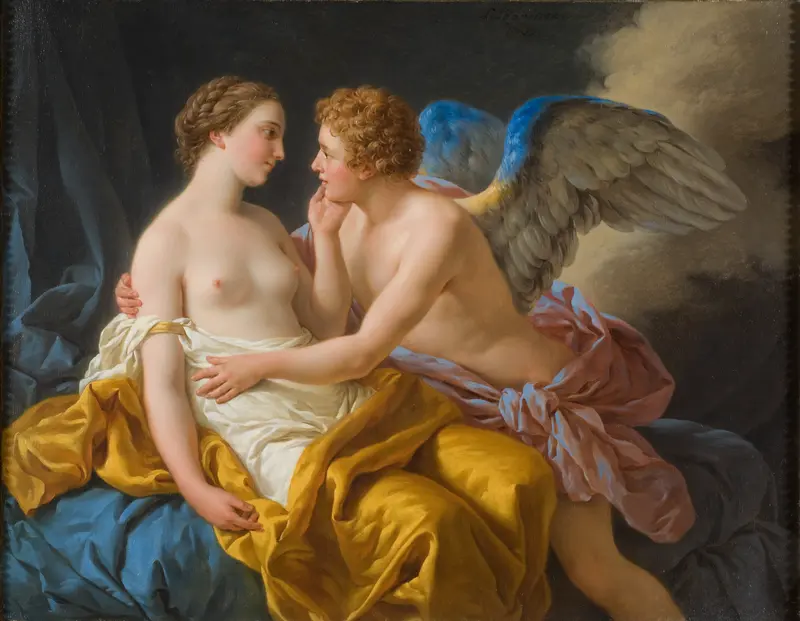
Cupid and Psyche
Louis-Jean-François Lagrenée
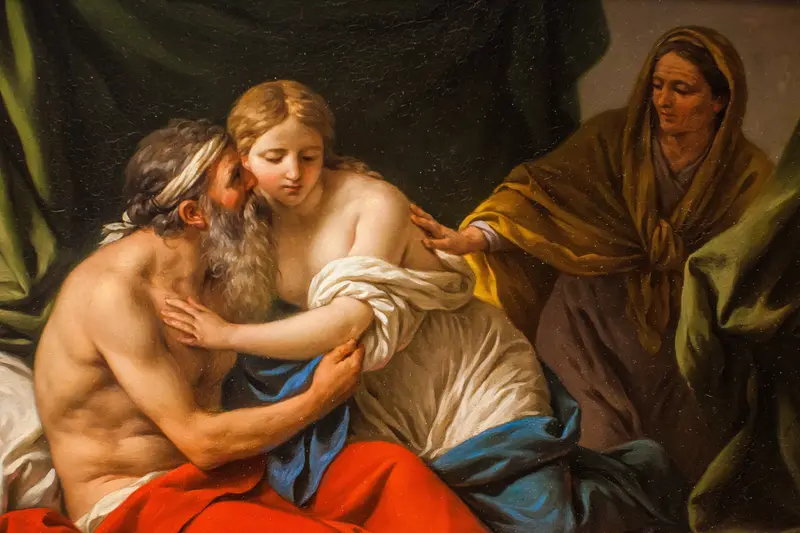
Sarah Presenting Hagar to Abraham
Louis-Jean-François Lagrenée
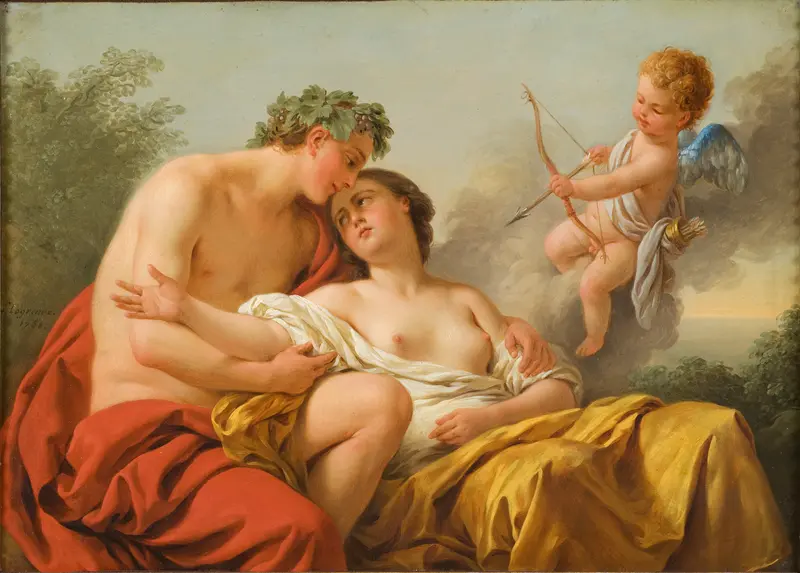
Bacchus and Ariadne
Louis-Jean-François Lagrenée
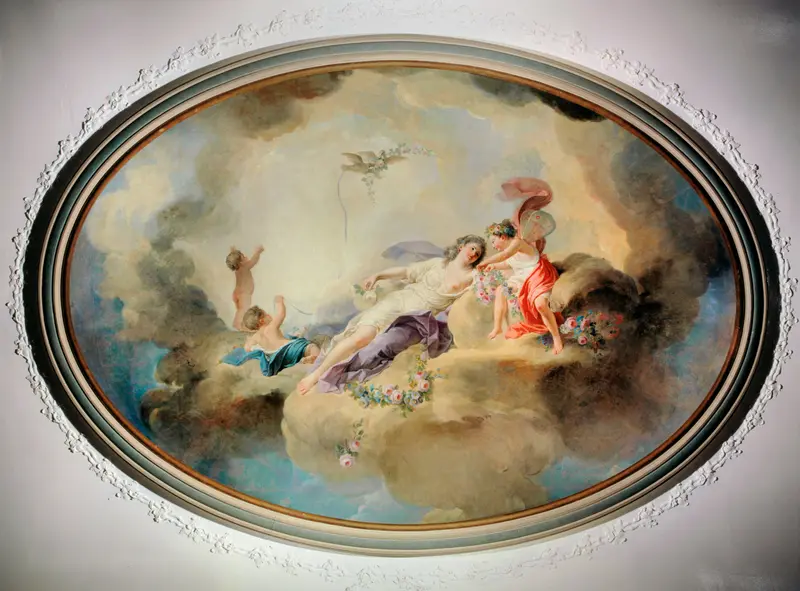
Louis Jean François Lagrenée Le triomphe de Flore P787 Musée Carnavalet
Louis-Jean-François Lagrenée
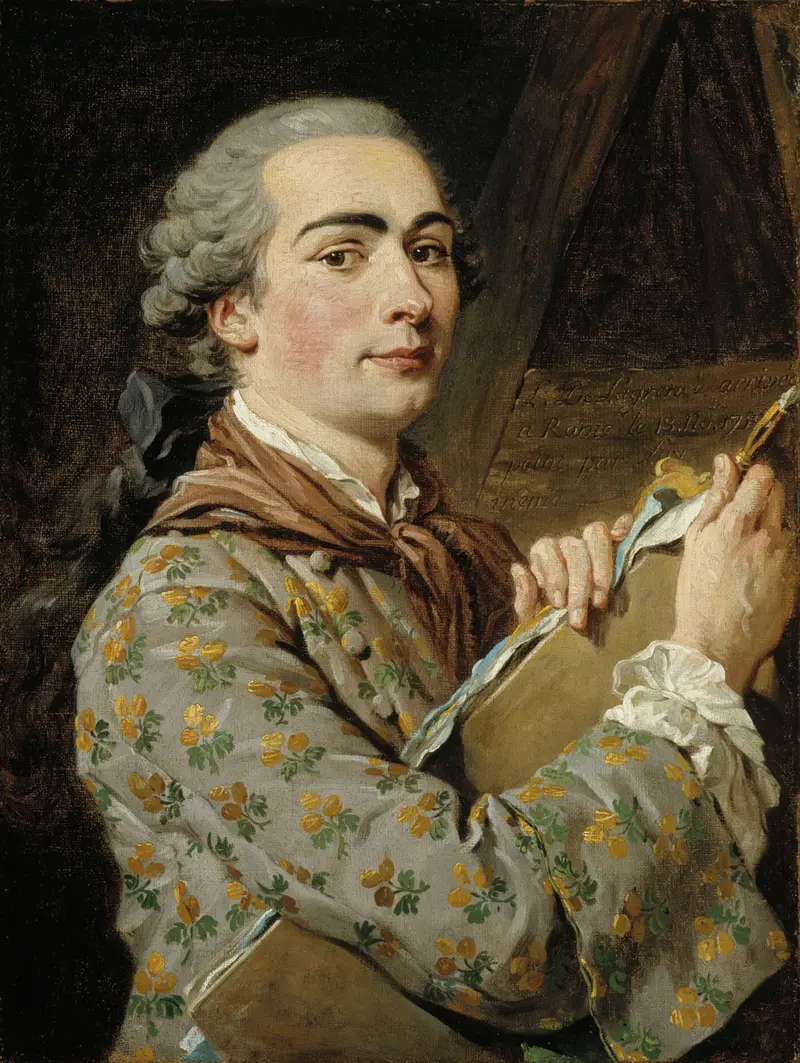
Self-Portrait
Louis-Jean-François Lagrenée
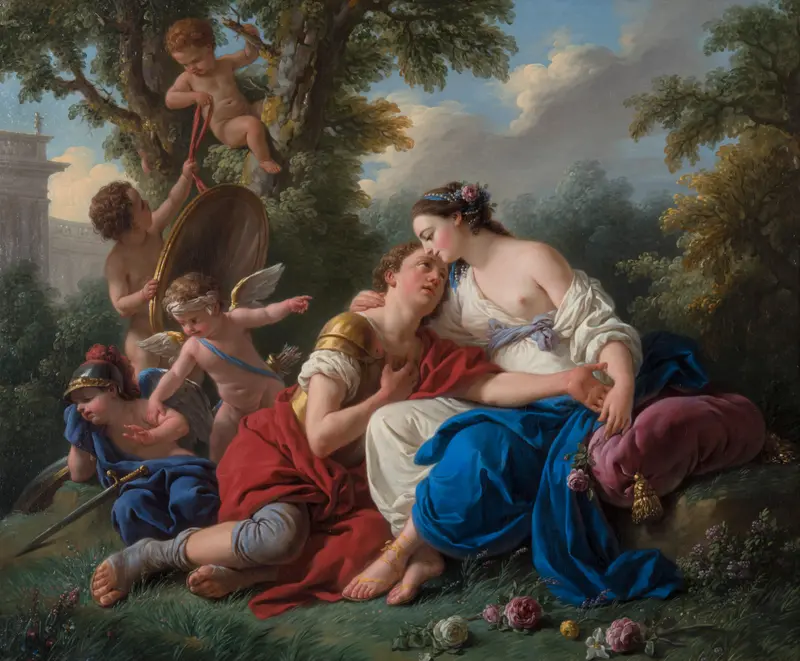
Rinaldo and Armida
Louis-Jean-François Lagrenée
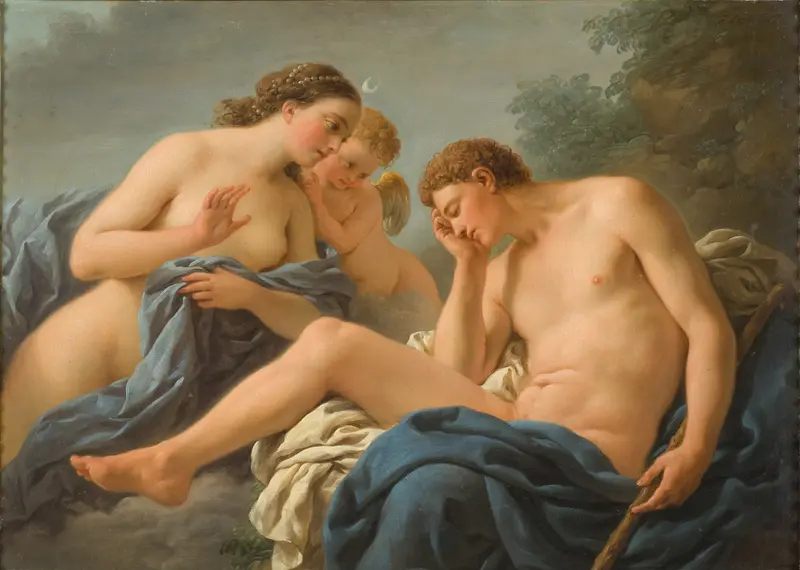
Diana and Endymion
Louis-Jean-François Lagrenée
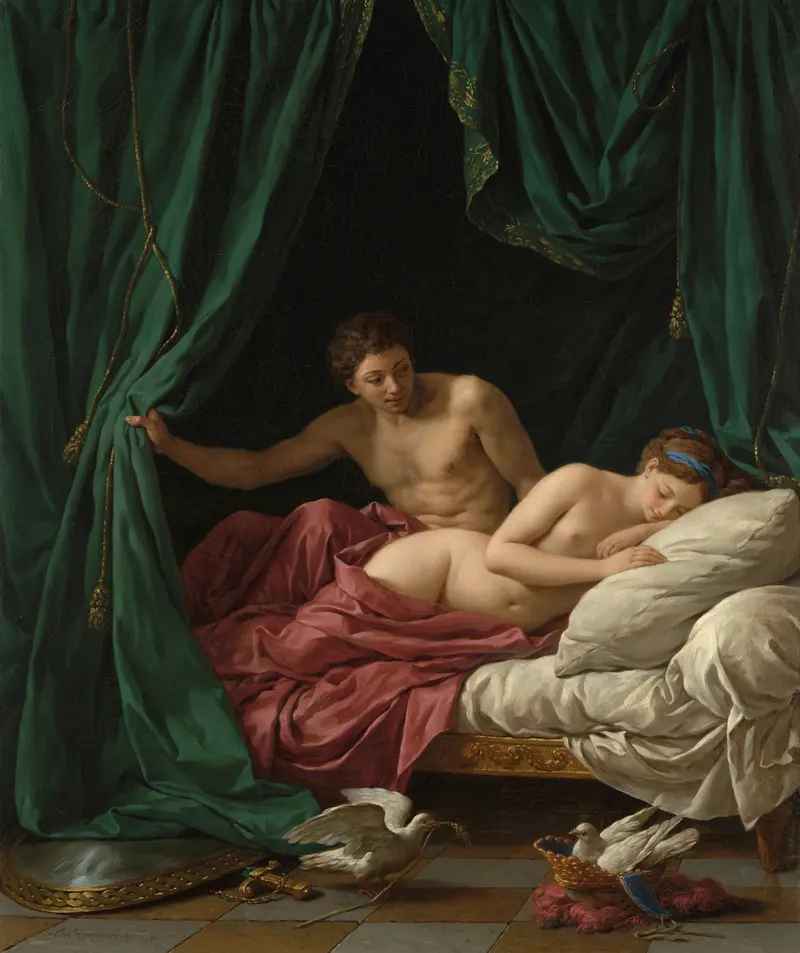
Mars and Venus, Allegory of Peace
Louis-Jean-François Lagrenée





