
Pygmalion and his statue — History & Facts
The first thing to catch the eye is the transformation itself: a woman, pale as marble, is caught in the instant of coming alive under the gaze—and the touch—of her creator. The sculptor kneels before her, his face alight with wonder and longing, while the newly awakened figure meets his gaze, her body just beginning to show the warmth of life. Above, a goddess reclines on a cloud, her gesture guiding the miracle, as cherubs flutter around with a torch and ribbons, signaling divine intervention.
The entire scene is staged as theater, with a heavy curtain pulled back and columns framing the moment, inviting the viewer to witness the impossible. This painting belongs to the late eighteenth century, when Louis Lagrenée the Elder was active and mythological subjects were favored by collectors seeking both sensuality and moral lesson. The story of Pygmalion, who fell in love with his own statue and saw her brought to life by Venus, was a favorite in salons and royal courts alike—an allegory for the power of art, and the blurred boundary between creation and desire. The date and collection information—2016-08-04 15:17, from the hand of Louis Lagrenée the Elder—remind us that history has kept only scattered traces of some works, even as their imagery remains vivid.
The painting’s polished surfaces and careful choreography invite us to look again, searching for the moment where stone gives way to flesh.
More Artworks by Louis-Jean-François Lagrenée
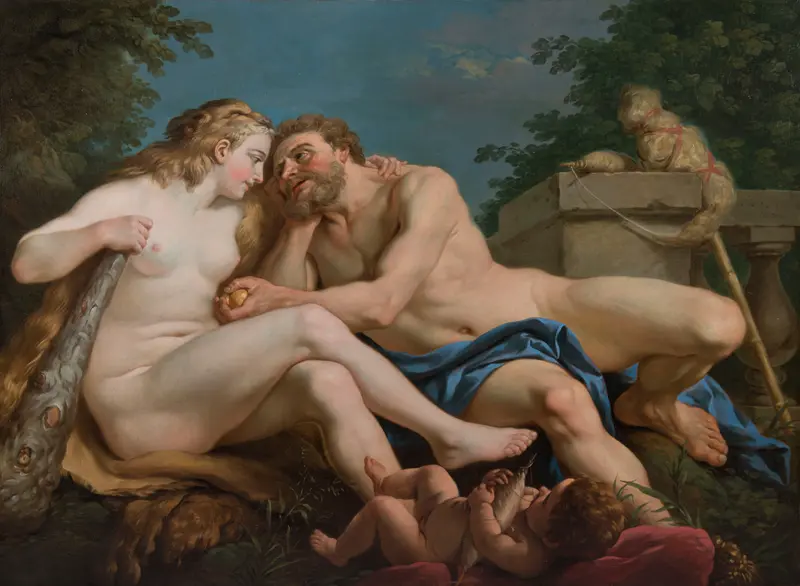
Herkules and Omphale
Louis-Jean-François Lagrenée
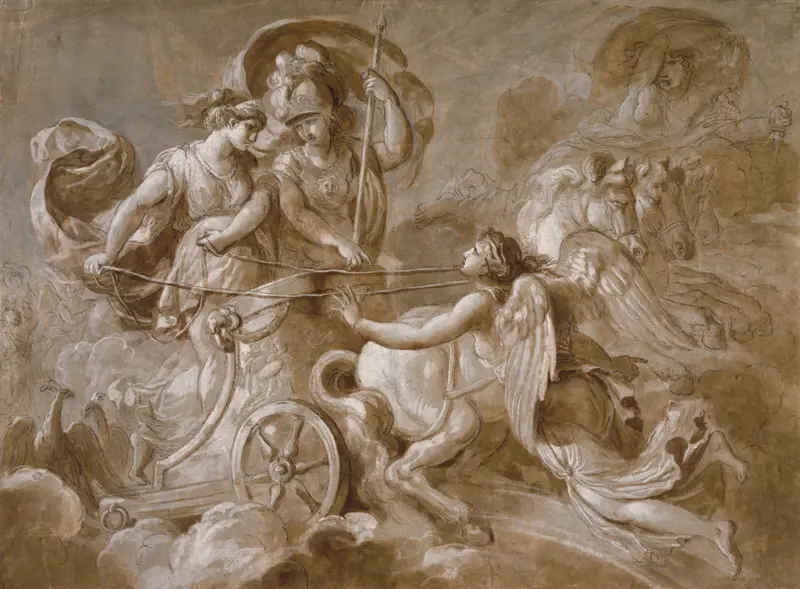
Iris Approaching Athena and Hera
Louis-Jean-François Lagrenée
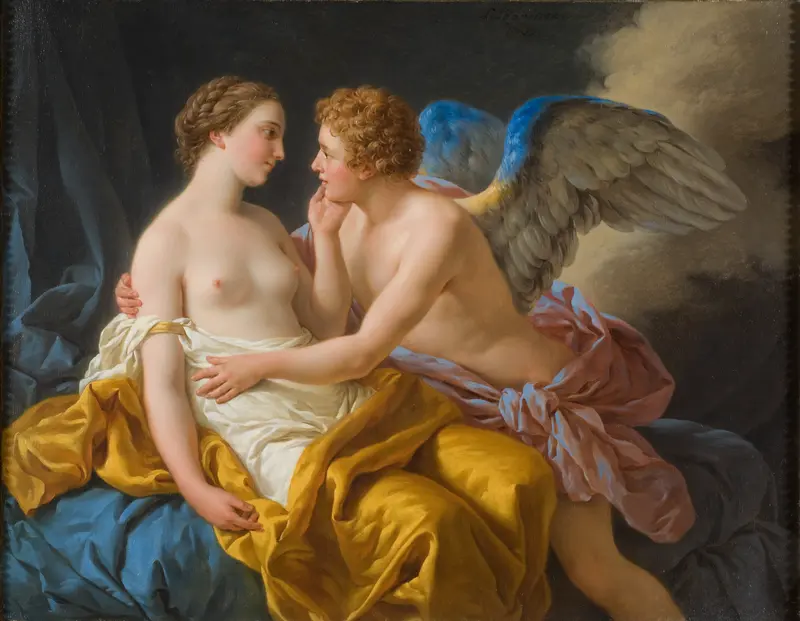
Cupid and Psyche
Louis-Jean-François Lagrenée
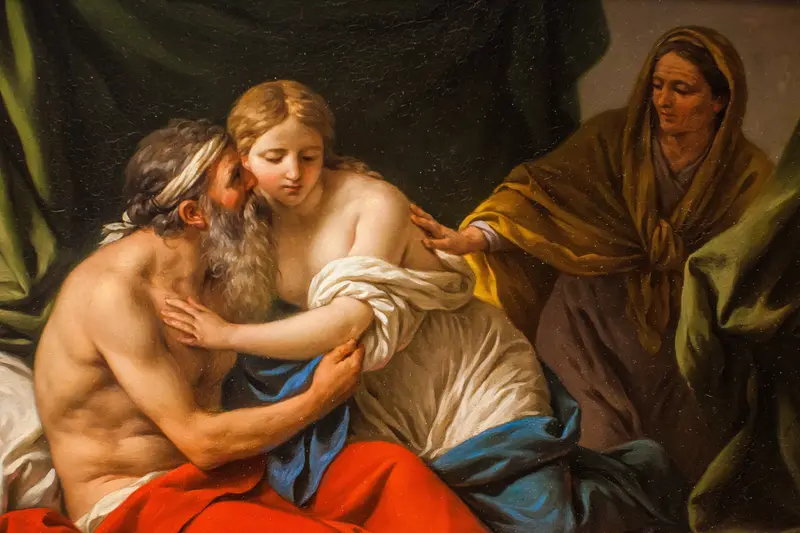
Sarah Presenting Hagar to Abraham
Louis-Jean-François Lagrenée
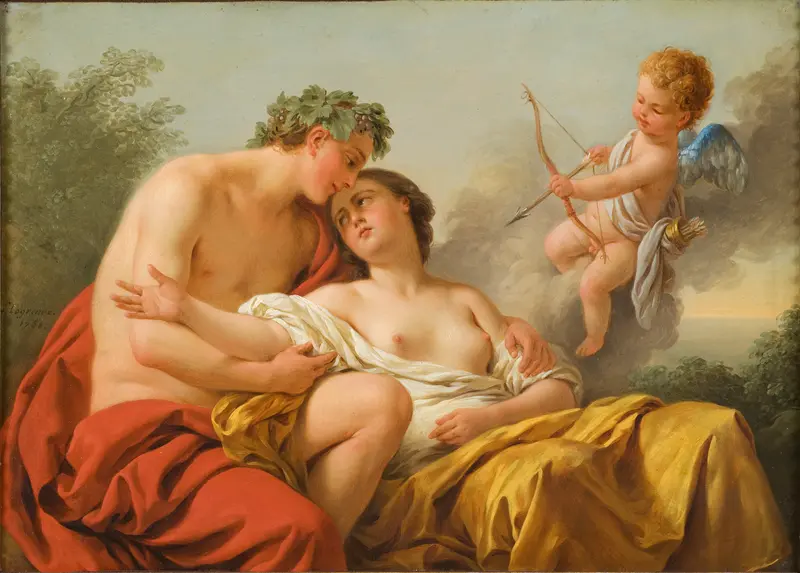
Bacchus and Ariadne
Louis-Jean-François Lagrenée
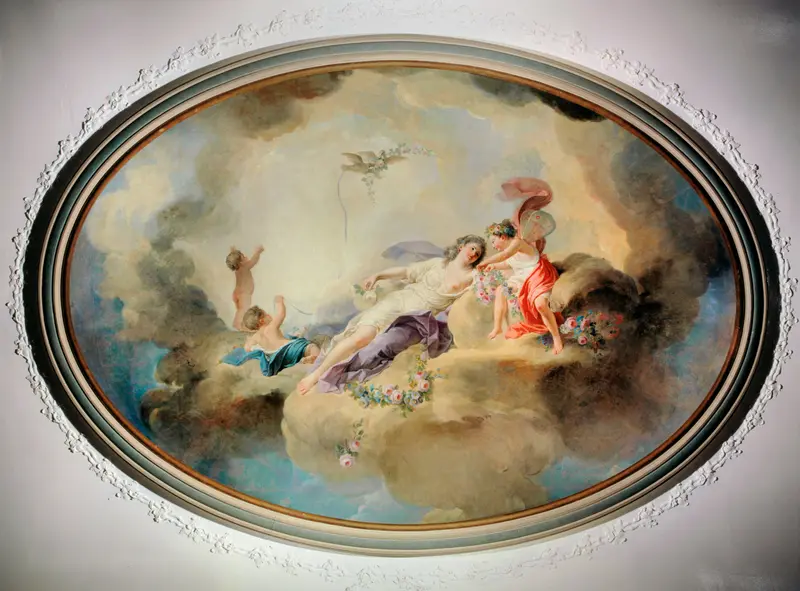
Louis Jean François Lagrenée Le triomphe de Flore P787 Musée Carnavalet
Louis-Jean-François Lagrenée
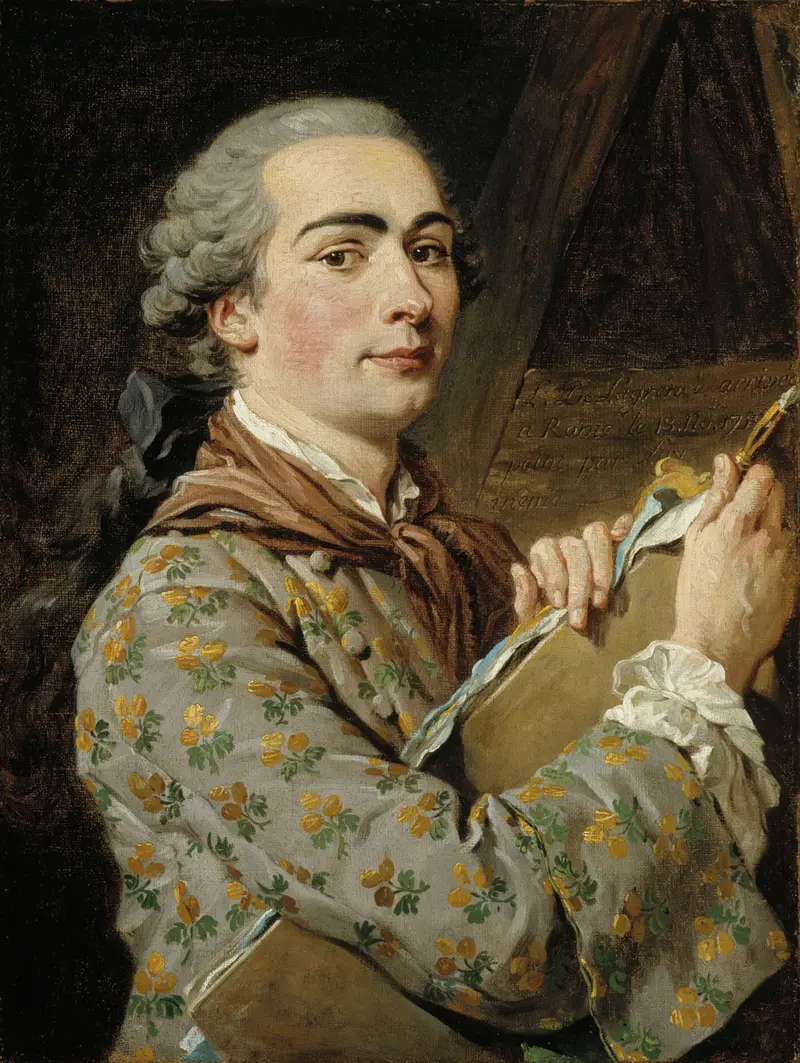
Self-Portrait
Louis-Jean-François Lagrenée
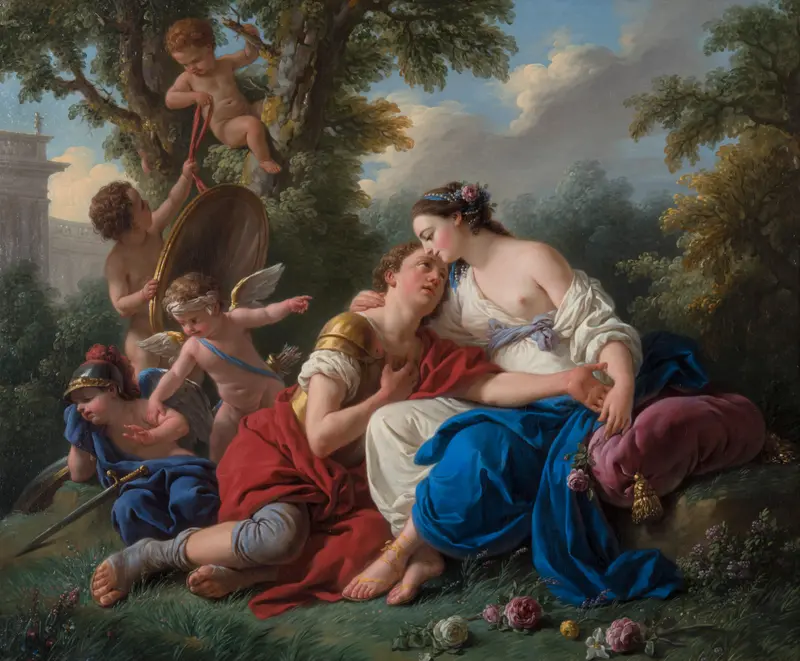
Rinaldo and Armida
Louis-Jean-François Lagrenée
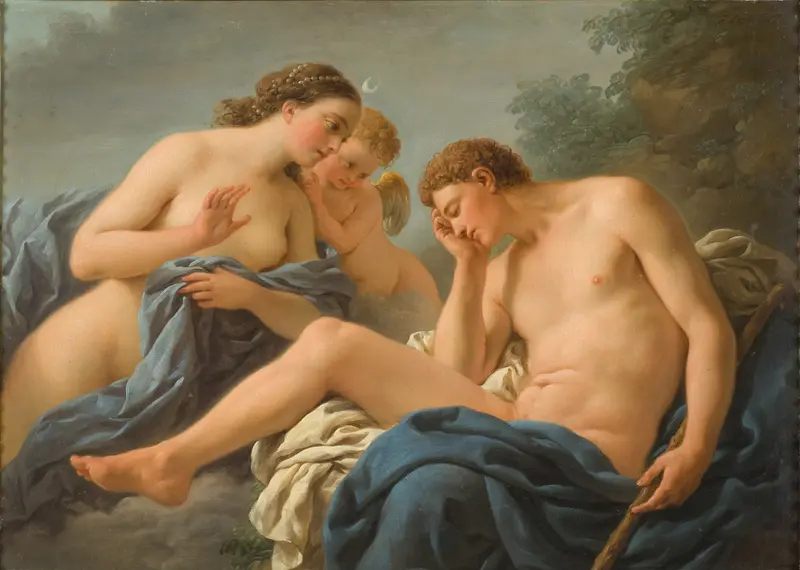
Diana and Endymion
Louis-Jean-François Lagrenée
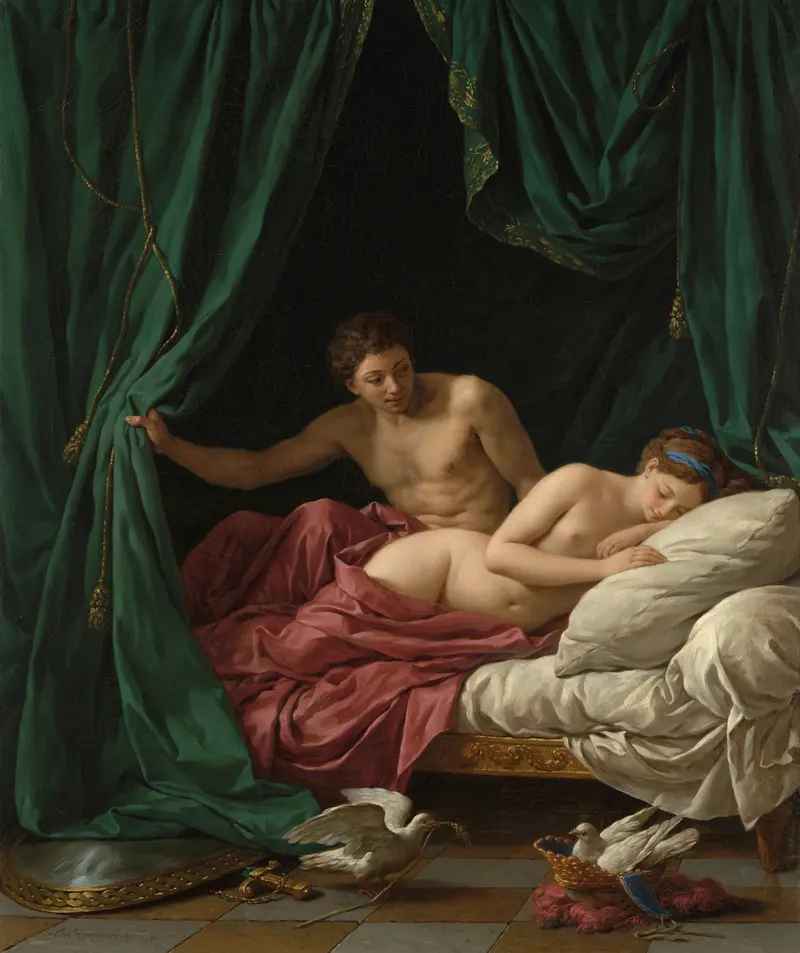
Mars and Venus, Allegory of Peace
Louis-Jean-François Lagrenée





