
Quai d’Anjou in Paris — History & Facts
Can beauty exist without sorrow? This question lingers in the light that bathes Quai d’Anjou in Paris, where the delicate interplay of sun and shadow creates a world both serene and poignant. The viewer is drawn into a moment that seems to pause, inviting contemplation of joy laced with the bittersweet essence of life. Look to the left, where the soft, golden light spills across the surface of the water, illuminating the gentle ripples that reflect the Parisian architecture. The artist employs a palette of warm and cool tones, blending blues and golds that evoke a sense of harmony.
As your gaze travels along the canal, notice how the trees frame the scene, their branches swaying lightly in the breeze, guiding the eye deeper into the tranquil atmosphere Pankiewicz has masterfully captured. Yet, beneath this picturesque surface lies a tension between stillness and transience. The figures strolling along the quay hint at stories untold, their interactions suggesting a connection to the past while the flow of the water whispers of time’s relentless progress. The interplay of light and shadow not only enhances the beauty of the scene but also serves as a metaphor for the fleeting nature of happiness—a reminder that joy often coexists with loss. In 1902, when this work was painted, Pankiewicz was deeply immersed in the Impressionist movement, living in Paris, a city ripe with inspiration.
His experiences during this period reflect the vibrant yet tumultuous world of art—a time when artists increasingly sought to capture the ephemeral qualities of light and emotion. This painting stands as a testament to that evolution, merging personal reflection with the broader artistic dialogue of the era.
More Artworks by Józef Pankiewicz
Browse all →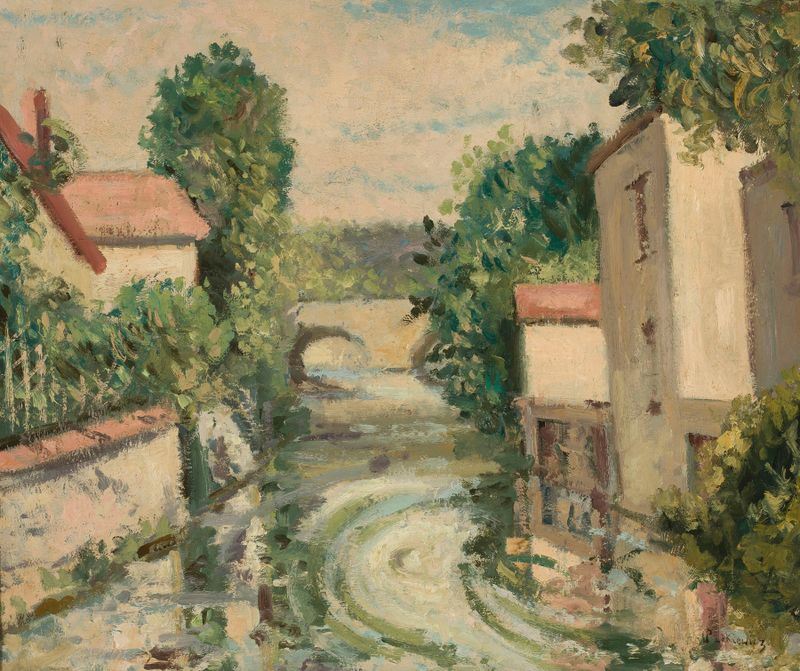
Landscape
Józef Pankiewicz

Cab in the Rain
Józef Pankiewicz
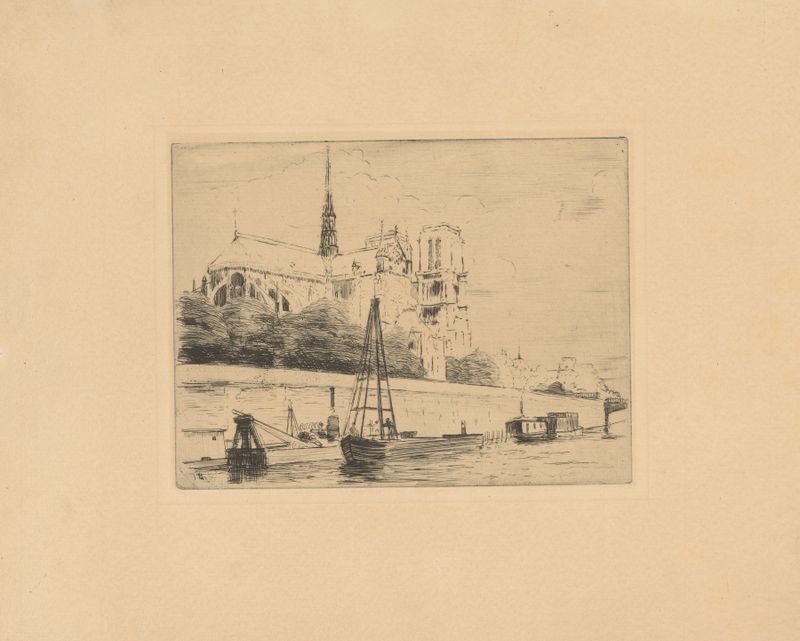
Notre Dame Cathedral in Paris
Józef Pankiewicz
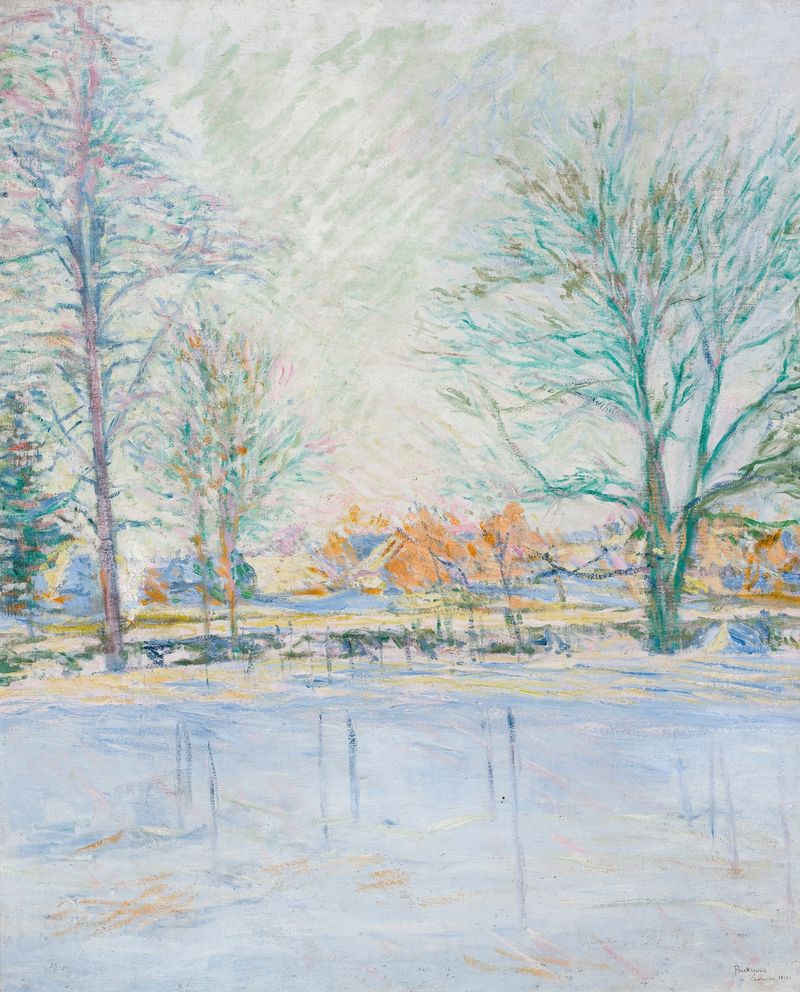
Landscape from Czarnolas
Józef Pankiewicz
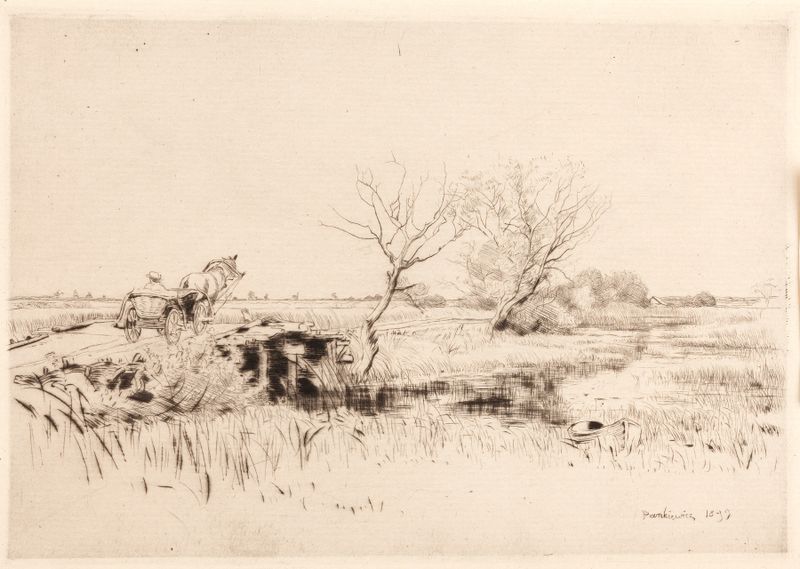
Pińsk Channel in Polesie I
Józef Pankiewicz
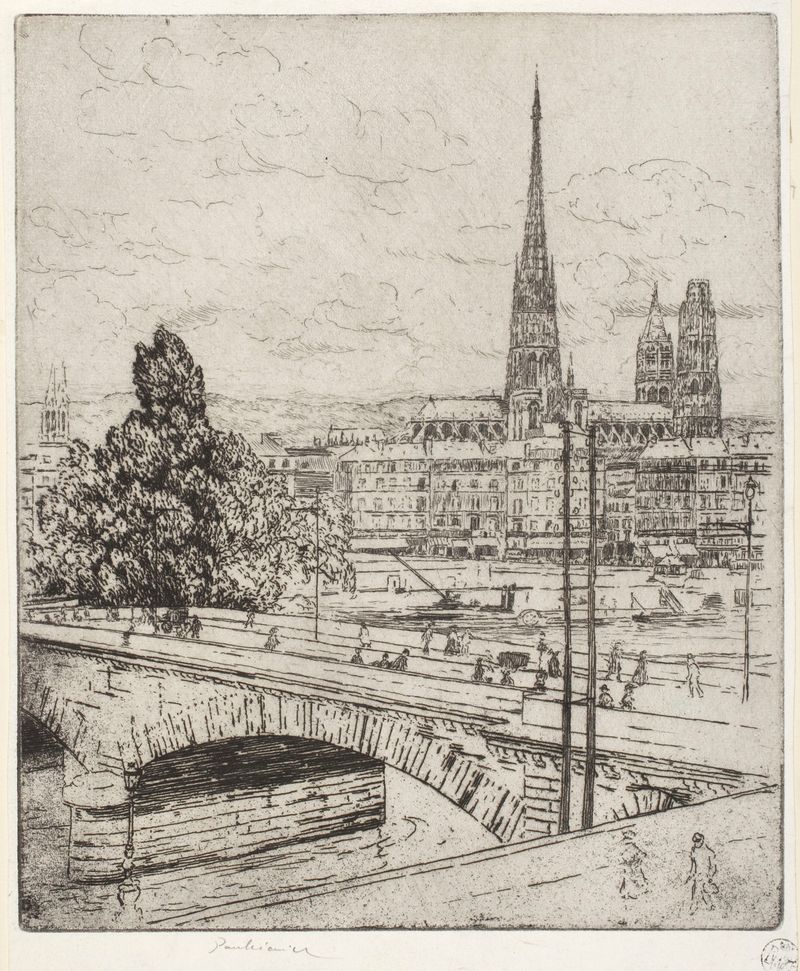
Pont Corneille in Rouen
Józef Pankiewicz
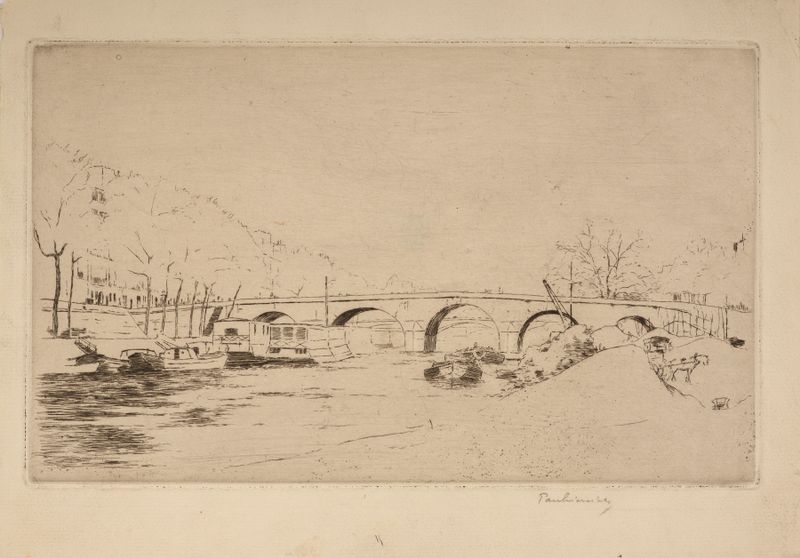
Pont Marie in Paris
Józef Pankiewicz

Rouen – portal from the Church of St Maclou
Józef Pankiewicz
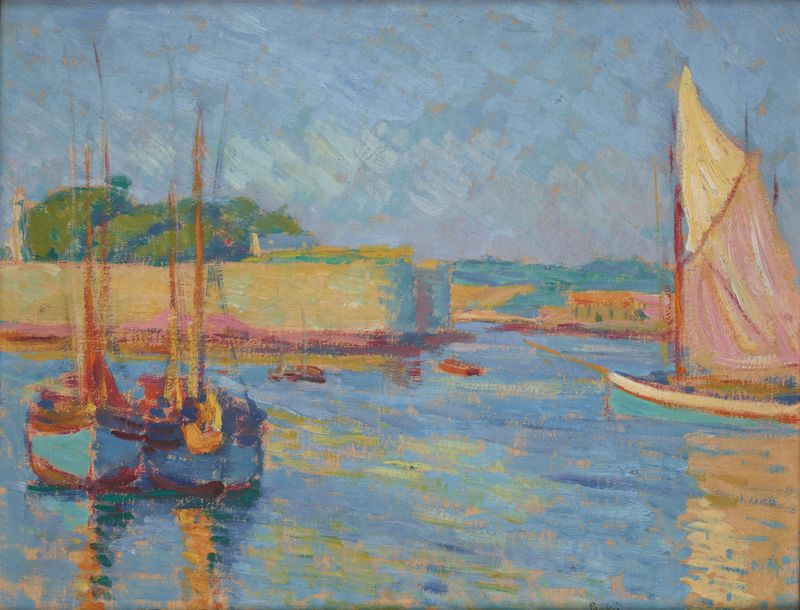
Harbour at Concarneau
Józef Pankiewicz
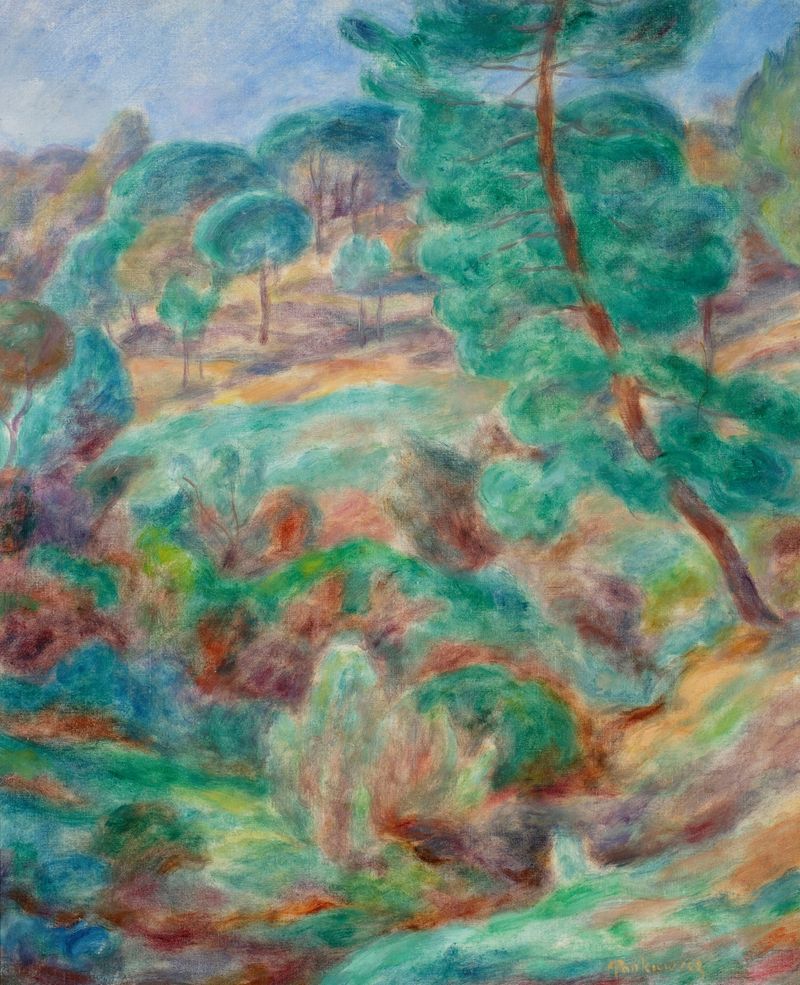
Landscape from Saint-Tropez – Stone pines
Józef Pankiewicz





