
Quai de Lesseps — History & Facts
A schooner’s prow juts into the viewer’s space, its shadow anchoring the composition while rigging and masts slice the sky into a lattice of ochres and blues. The eye is drawn along the receding quay, where a pair of horses and a cart stand idle, their presence a quiet counterpoint to the silent bustle of the port. Dots and dashes of color shimmer across water and stone, capturing the restless play of light that defines the scene—notice how the river’s surface glimmers with lavender and turquoise, echoing the pastel sky above.
The painting’s mood is one of anticipation: the ships seem poised for departure, the cart for loading, and even the distant plume of a steam train hints at movement and industry just beyond the frame. Painted in 1887, Quai de Lesseps belongs to a moment when artists like Albert Dubois-Pillet were pushing the boundaries of Impressionism into the realm of Pointillism, seeking to capture not just the look but the sensation of modern life. This was a period of rapid transformation: ports like this one were gateways to the world, symbols of commerce, migration, and technological progress. Little is recorded about the particular fate of this canvas, now documented in the collection of forschungsprojekt-impressionismus.de, but its technique and subject place it firmly in a world enthralled by the possibilities of color and the rhythms of the industrial age.
Stand before it and you sense not only a specific place, but the pulse of a century on the move.
More Artworks by Albert Dubois-Pillet

Paysage de forêt
Albert Dubois-Pillet
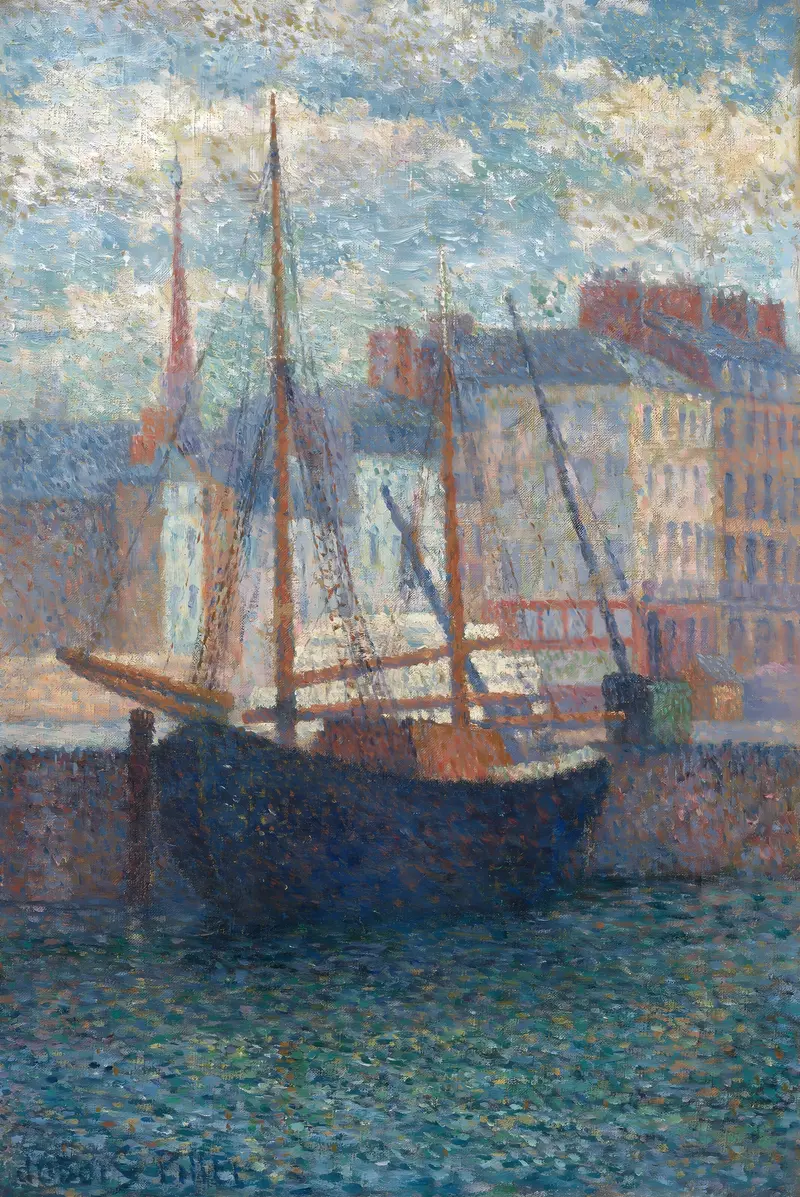
Voilier à quai
Albert Dubois-Pillet

Maison de M.B. à Seur
Albert Dubois-Pillet
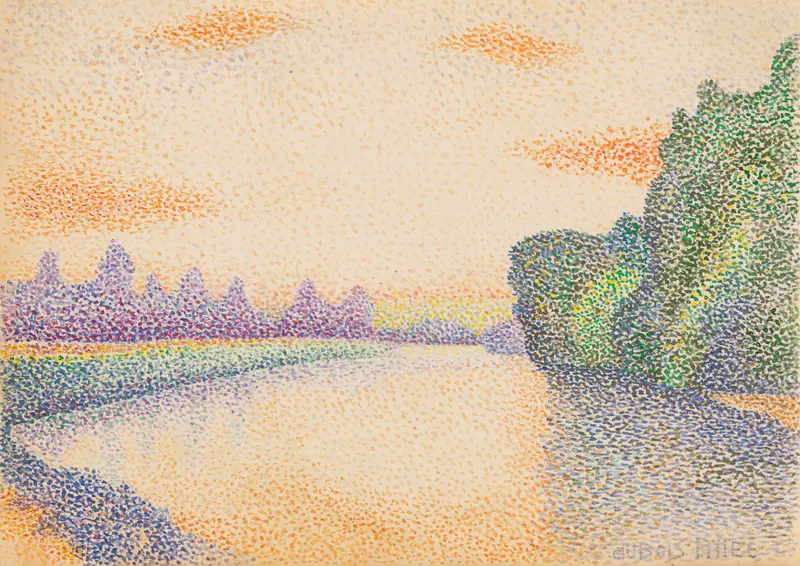
The Banks of the Marne at Dawn
Albert Dubois-Pillet
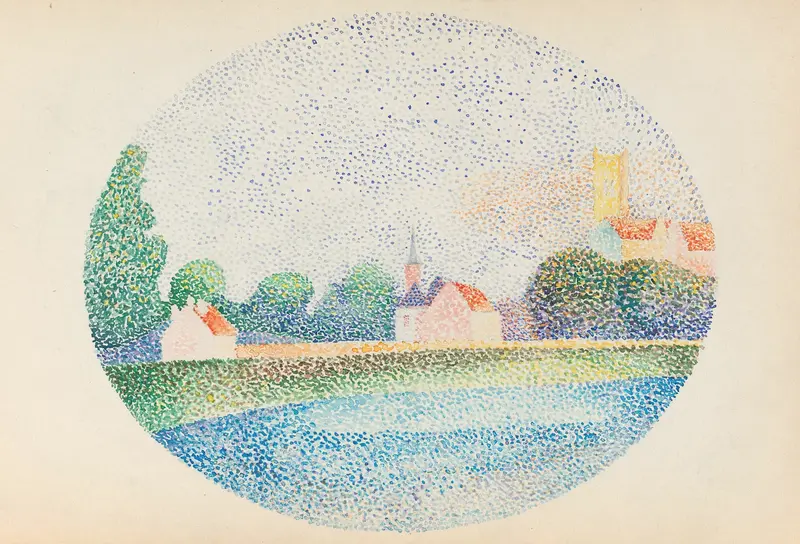
Morning on the Marne at Meaux
Albert Dubois-Pillet
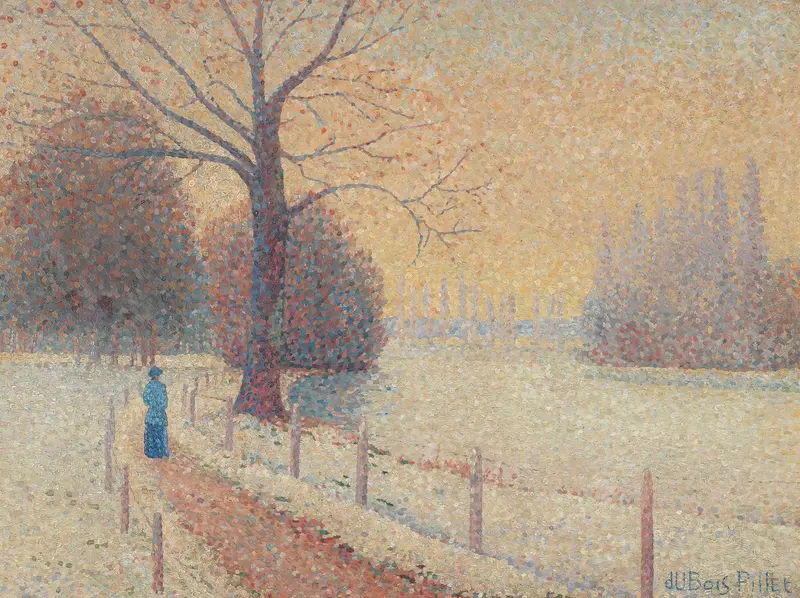
Le Puy En Hiver
Albert Dubois-Pillet
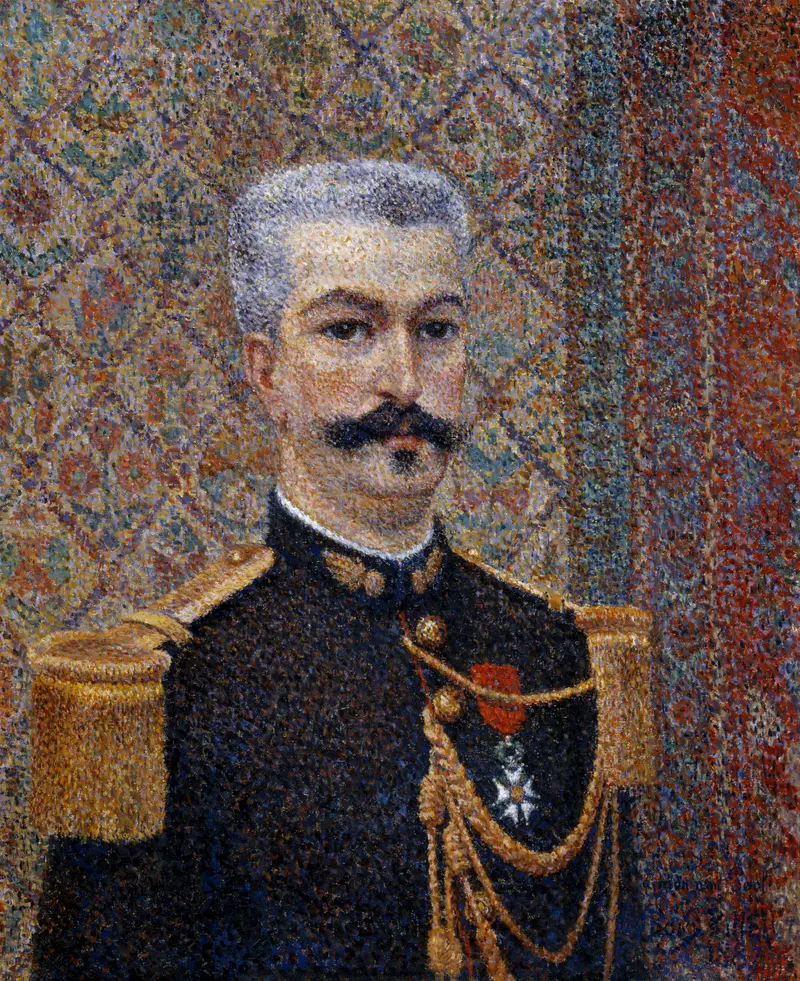
Portrait of Monsieur Pool
Albert Dubois-Pillet
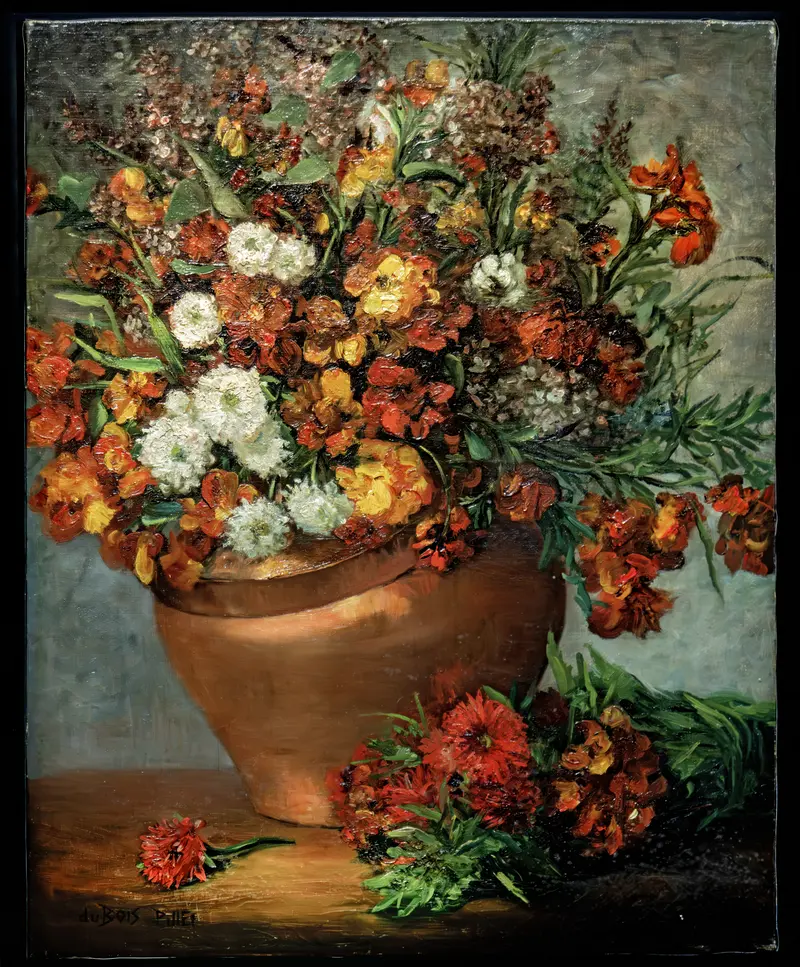
Flower in a copper vase
Albert Dubois-Pillet
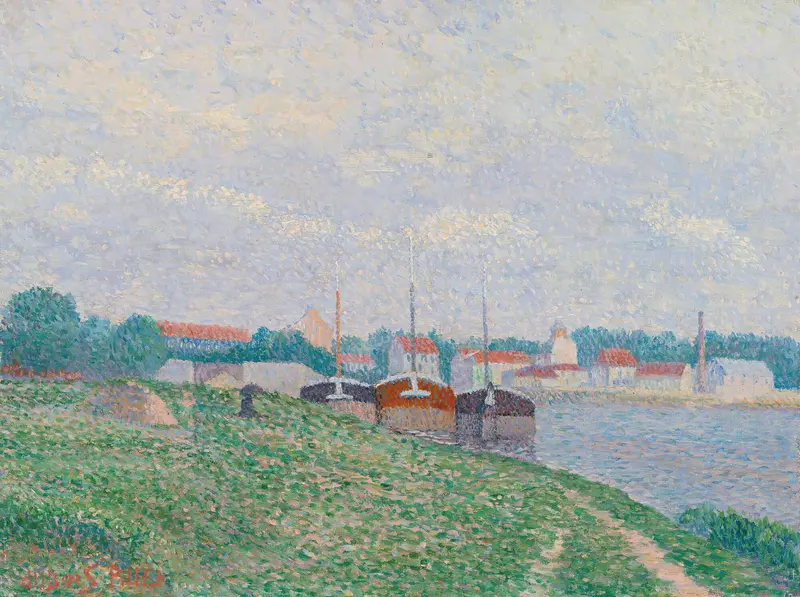
Trois Péniches Amarées Aux Abords D’une Ville Industrielle
Albert Dubois-Pillet
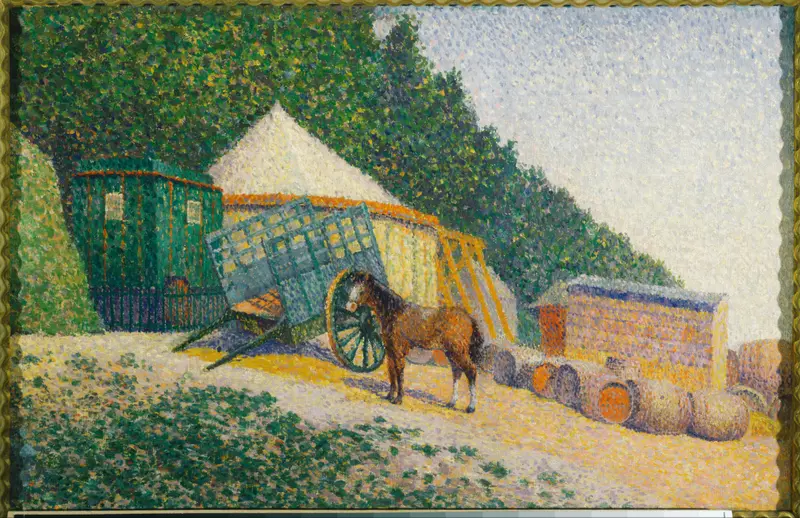
Little Circus Camp
Albert Dubois-Pillet





