
Queen Wilhelmina — History & Facts
What first seizes the viewer in Queen Wilhelmina by Thérèse Schwartze is the striking contrast between the youthful face and the weight of royal regalia. The sitter stands poised, her gaze direct yet reserved, framed by the heavy sweep of an ermine-trimmed cloak and the shimmer of a diamond tiara. The artist leads your eye from the delicate embroidery of the gown to the cascade of fur, each brushstroke capturing both the softness of fabric and the stiff formality of ceremony.
The subtle flush in Wilhelmina’s cheeks and the careful placement of her hands—one gathering the cloak, the other resting with quiet confidence—suggest a moment of transformation, as if the girl is just stepping into the role of queen. Painted in 1898, this portrait belongs to a world where royal likenesses were not merely records, but statements of power and continuity. By the late nineteenth century, such grand official portraits were expected to balance personal likeness with the symbols of monarchy: jewels, robes, and the suggestion of a throne. Thérèse Schwartze, known for her sensitive yet unsparing realism, brings a freshness to the genre—her Wilhelmina is not lost in ornament, but present and watchful.
Now held at Paleis Het Loo, the painting stands as a testament to both a young queen at the threshold of her reign and an artist at the height of her powers. The longer you look, the more the painting invites you to imagine the world just outside its frame.
More Artworks by Thérèse Schwartze

Self-portrait
Thérèse Schwartze
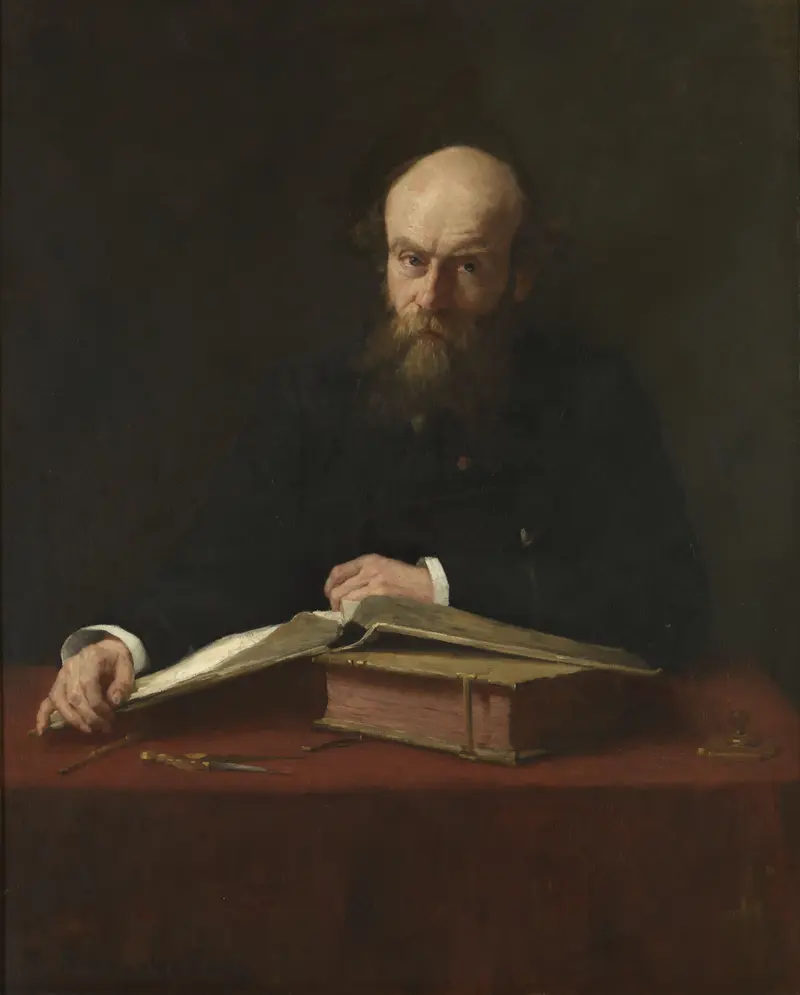
Portrait of Dr. P.J.H. Cuypers (1827-1921)
Thérèse Schwartze
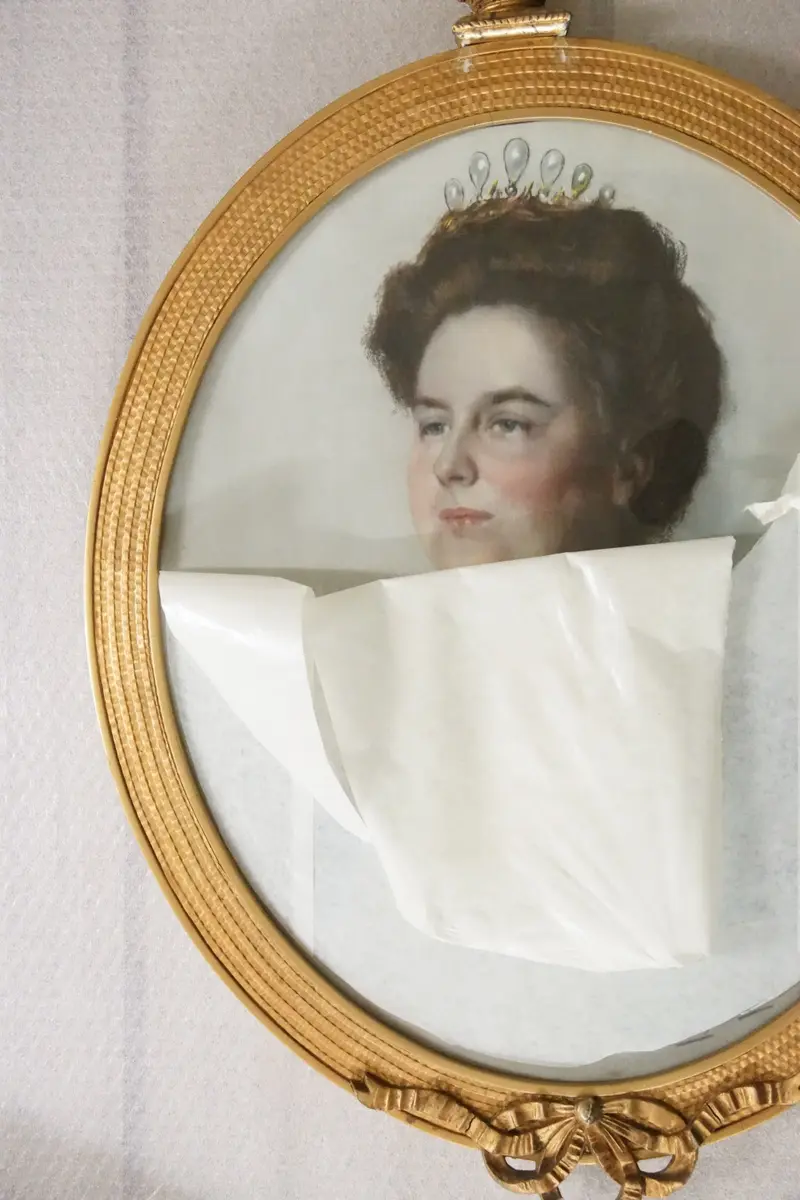
Portret Wilhelmina 020904 Stedelijk Museum Alkmaar
Thérèse Schwartze
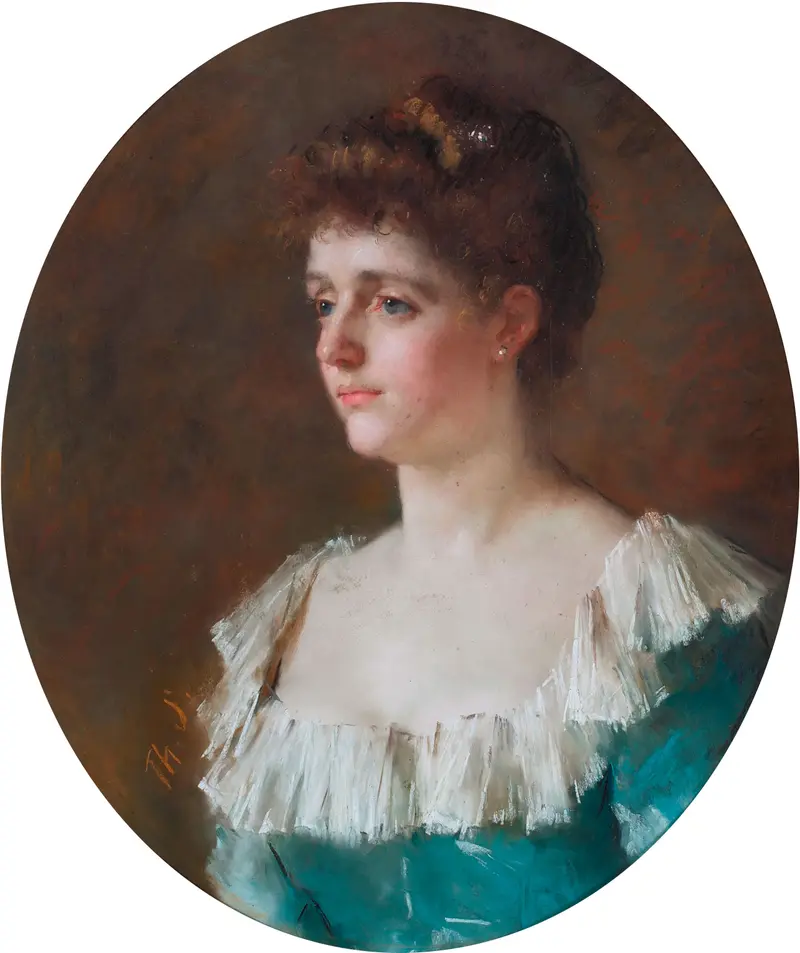
Portrait of Maria Cornelia Schimmelpenninck van der Oye (1857-1891)
Thérèse Schwartze
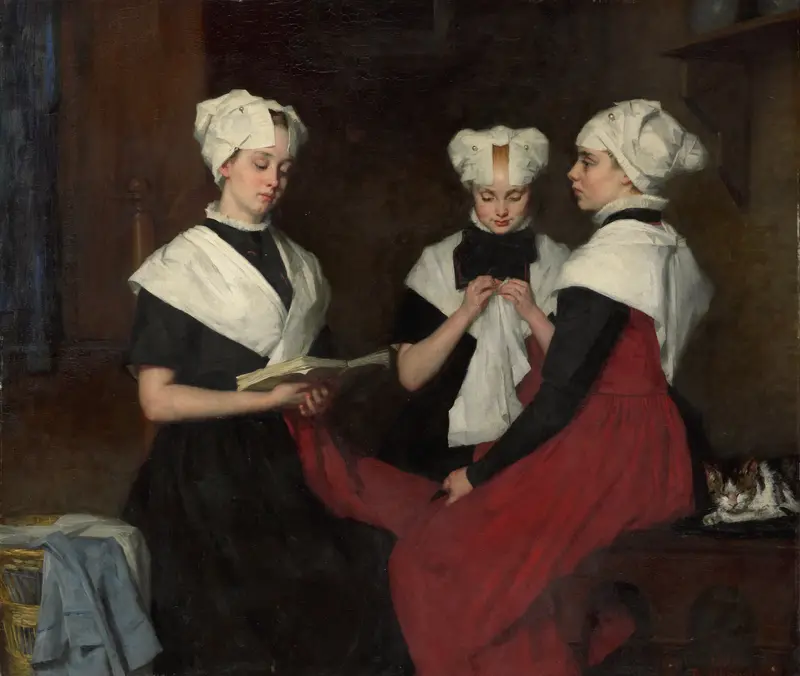
Three girls from the Amsterdam Orphanage
Thérèse Schwartze
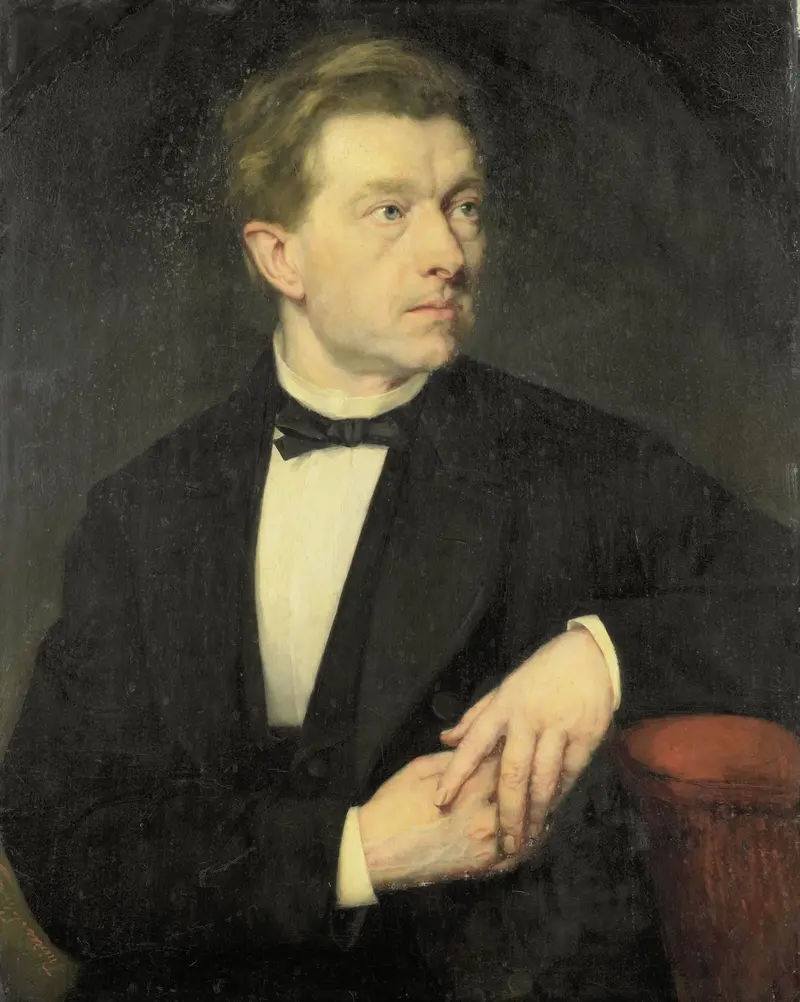
Portrait of Dr. J. L. Dusseau
Thérèse Schwartze
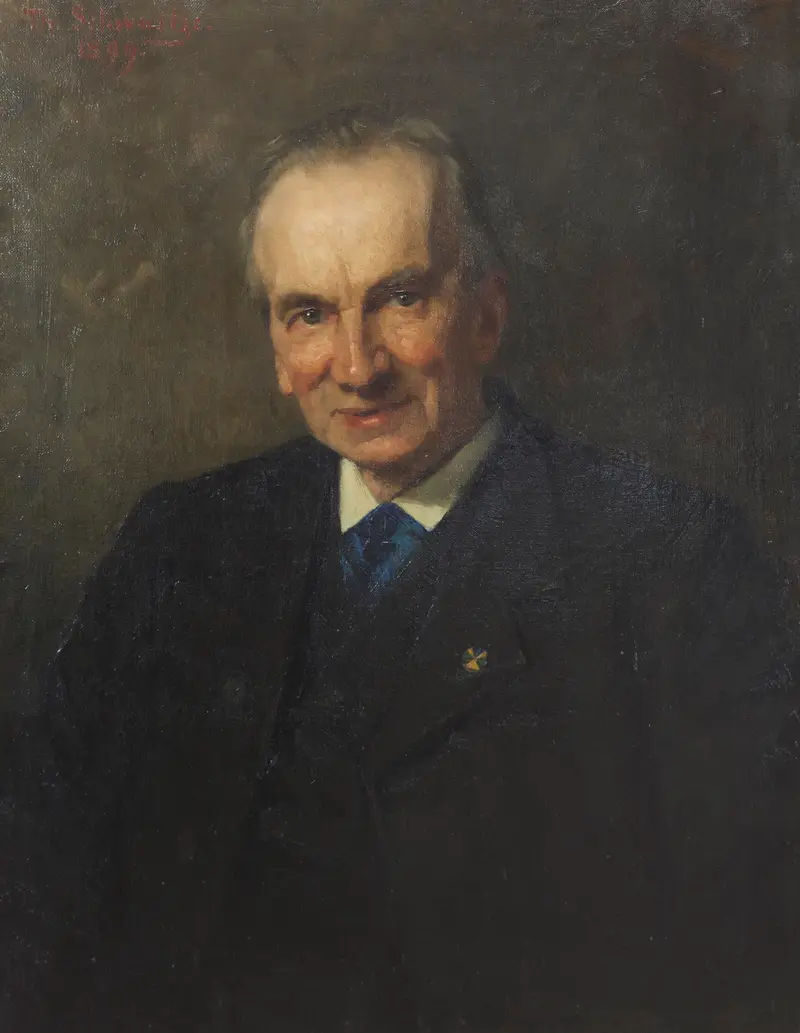
Portrait of Frederik Willem van Eeden
Thérèse Schwartze
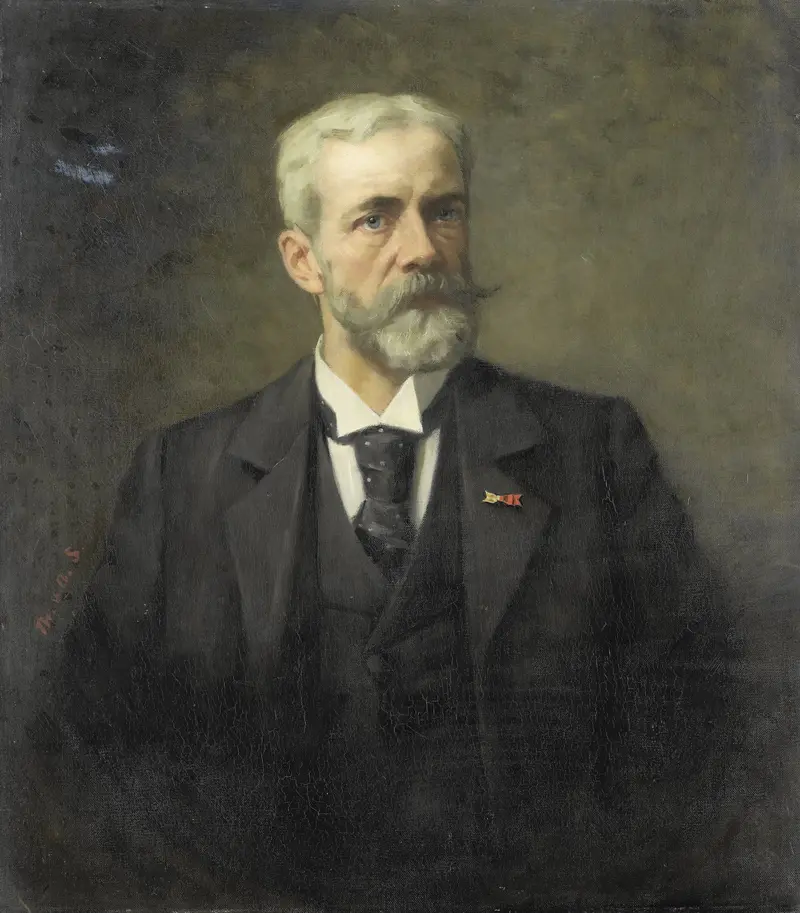
Portrait of Frederik Daniël Otto Obreen (1840-96), director Rijksmuseum
Thérèse Schwartze
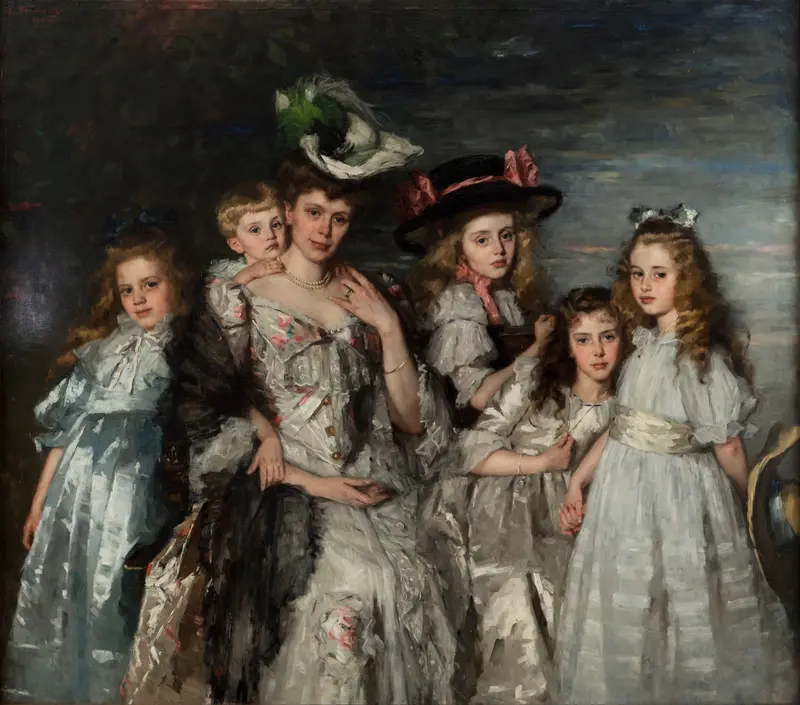
Portrait of Mrs. A.G.M. van Ogtrop-Hanlo (1871-1944) and her five children
Thérèse Schwartze
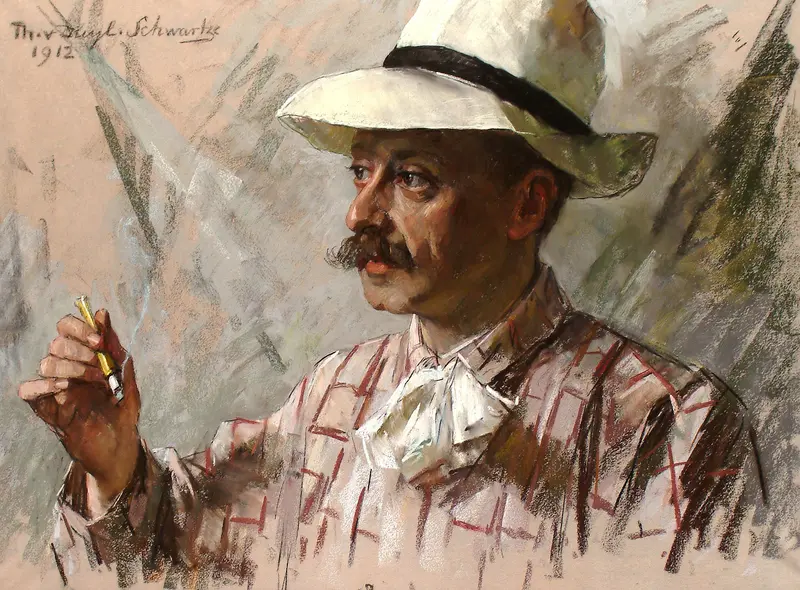
Portrait of Dr. Salomon Benjamin Druif
Thérèse Schwartze





