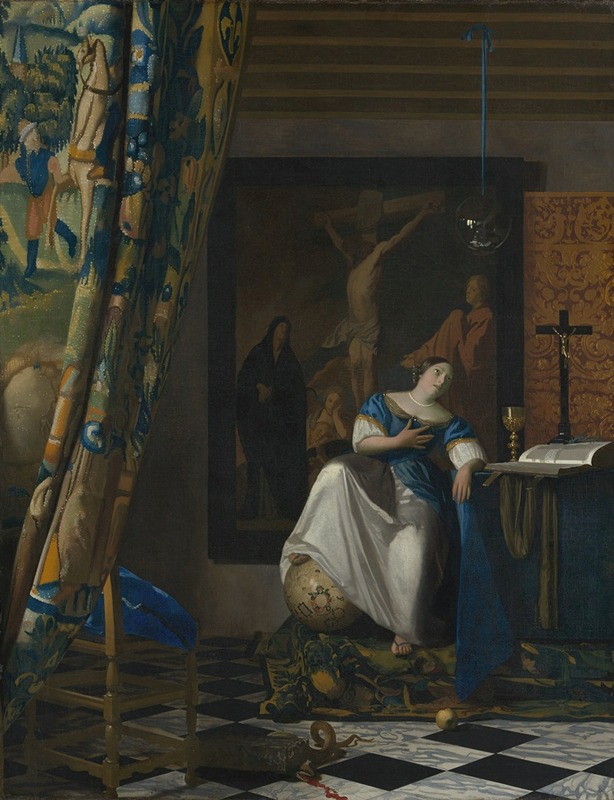
Rechtvaardigheid — History & Facts
Can paint confess what words never could? In Rechtvaardigheid, Lucas van Leyden invites us into a silent dialogue between justice and morality, a dreamlike exploration of virtue and vice. Focus on the figure of Justice, radiantly poised at the center, her scales delicately balanced, a vivid testament to the principles she embodies. Notice how the soft light bathes her in a halo, illuminating the intricate details of her robe and the symbolic elements surrounding her. The rich palette of deep blues and golden tones creates a contrast that pulls your eye toward her, highlighting the weight of her responsibility while evoking a sense of reverence. Delve deeper into the background, where shadows and spectral figures loom, whispering secrets of human frailty.
The contrasts between light and dark here serve as a metaphor for the moral complexities that accompany the pursuit of justice. Additionally, the tension in the faces of the lesser figures suggests a spectrum of emotion—hope, despair, and longing—all entwined within the canvas's borders, urging the viewer to reflect on their own understanding of fairness and equity. Lucas van Leyden painted Rechtvaardigheid in 1530 during a period marked by the Reformation and a growing discourse on individual conscience and societal structure. At this juncture in his career, he was establishing himself as a master of narrative and allegory, influenced by both Italian Renaissance techniques and the emerging humanist ideals that would shape Northern European art for generations to come.
More Artworks by Lucas van Leyden
Browse all →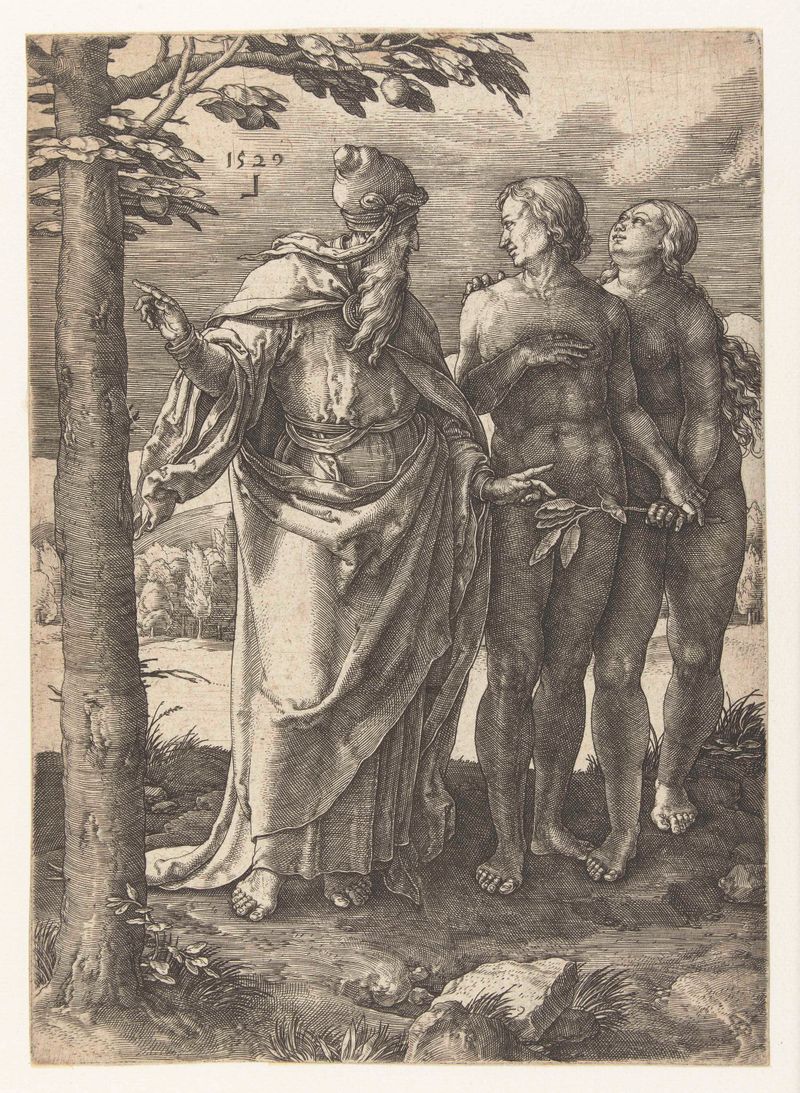
Het eerste verbod
Lucas van Leyden
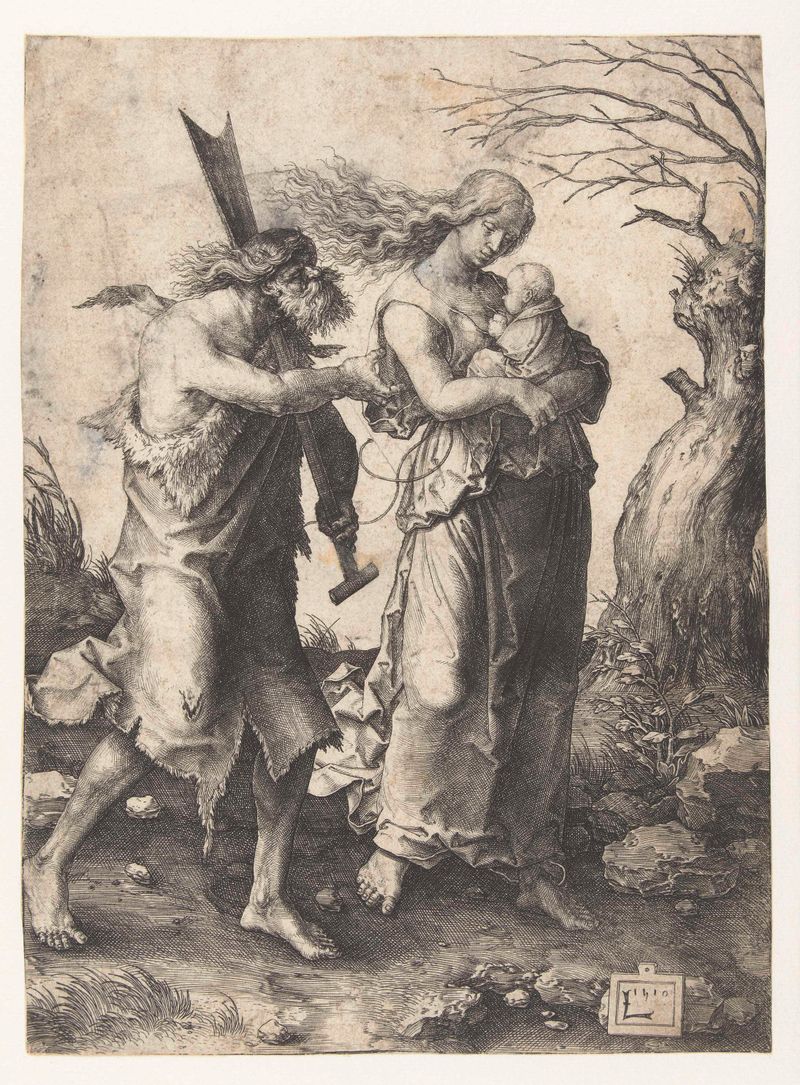
Adam en Eva na de verdrijving uit het paradijs
Lucas van Leyden
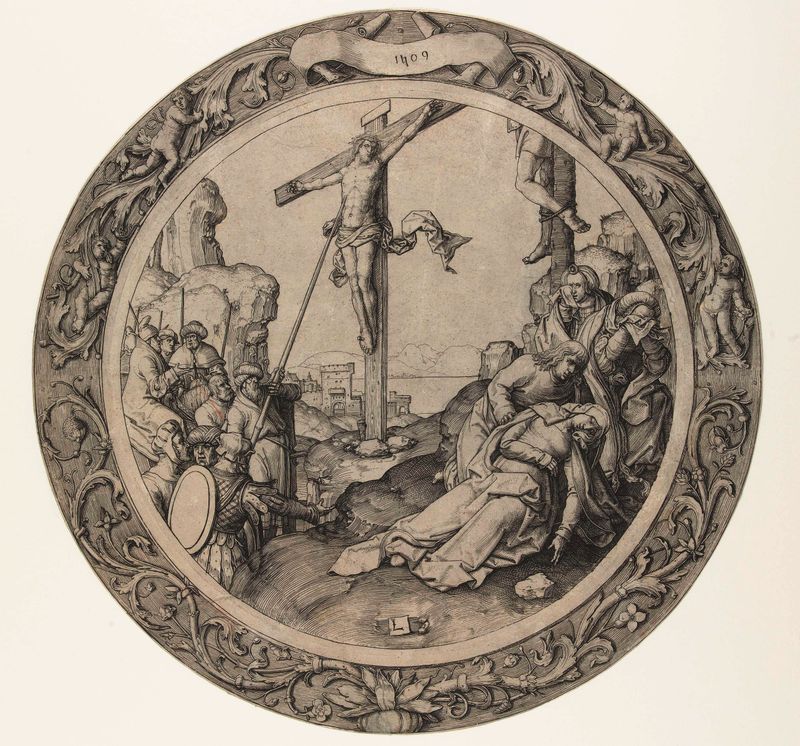
De kruisiging
Lucas van Leyden
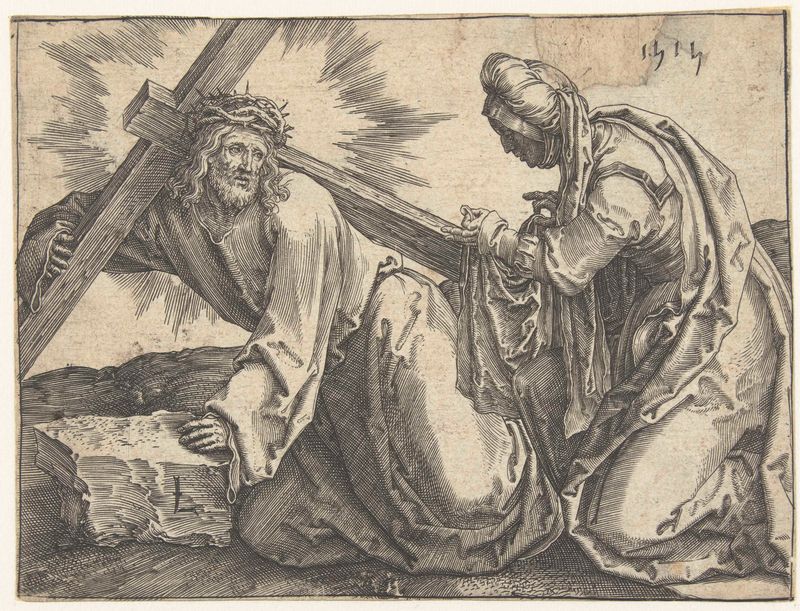
Kruisdraging
Lucas van Leyden
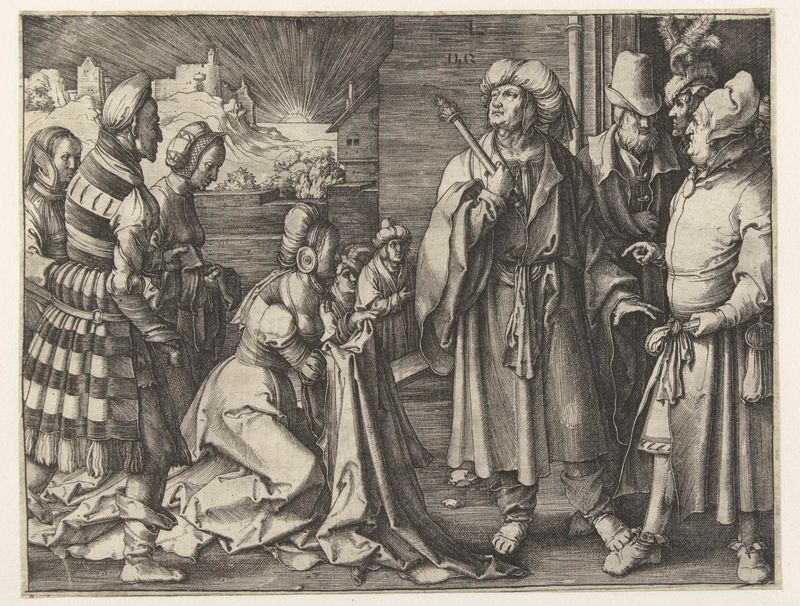
De vrouw van Potifar beschuldigt Jozef
Lucas van Leyden
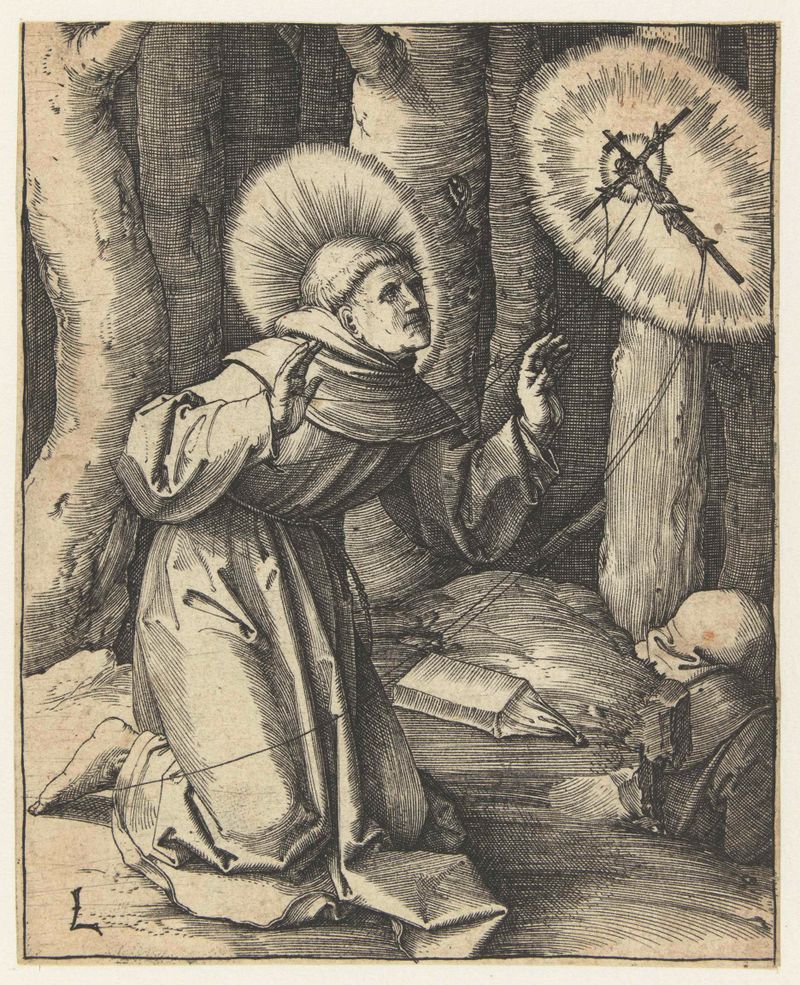
De stigmatisatie van de heilige Franciscus
Lucas van Leyden
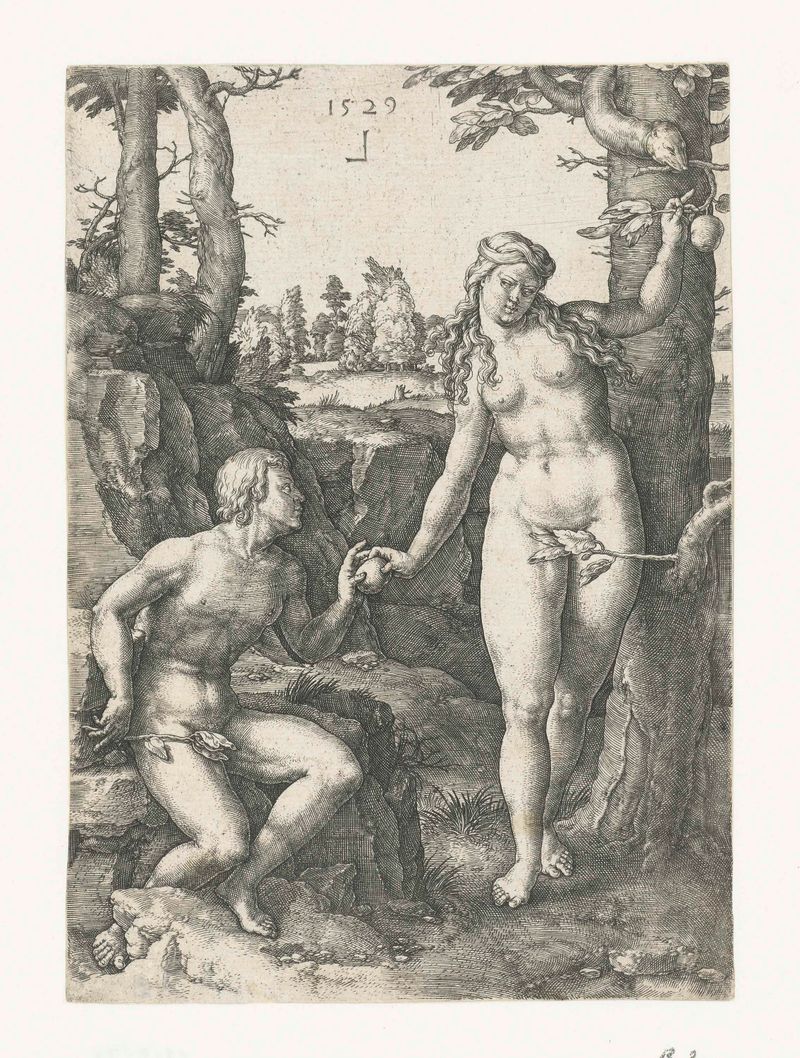
De zondeval
Lucas van Leyden
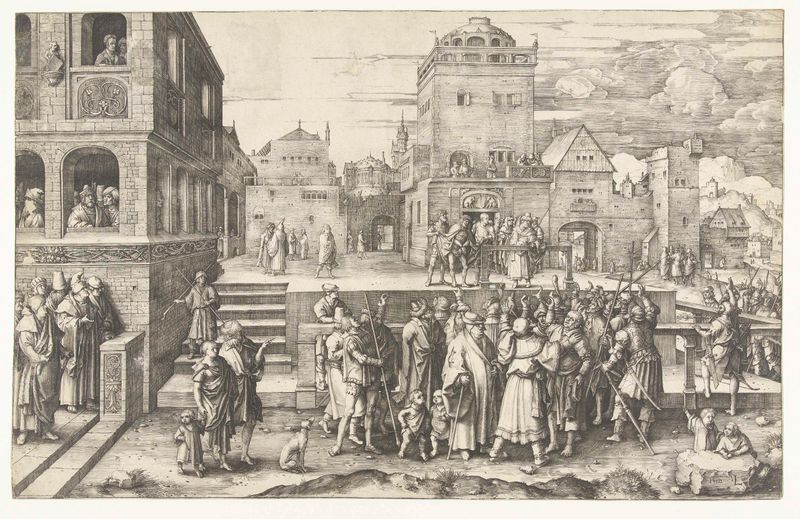
De grote Ecce Homo
Lucas van Leyden
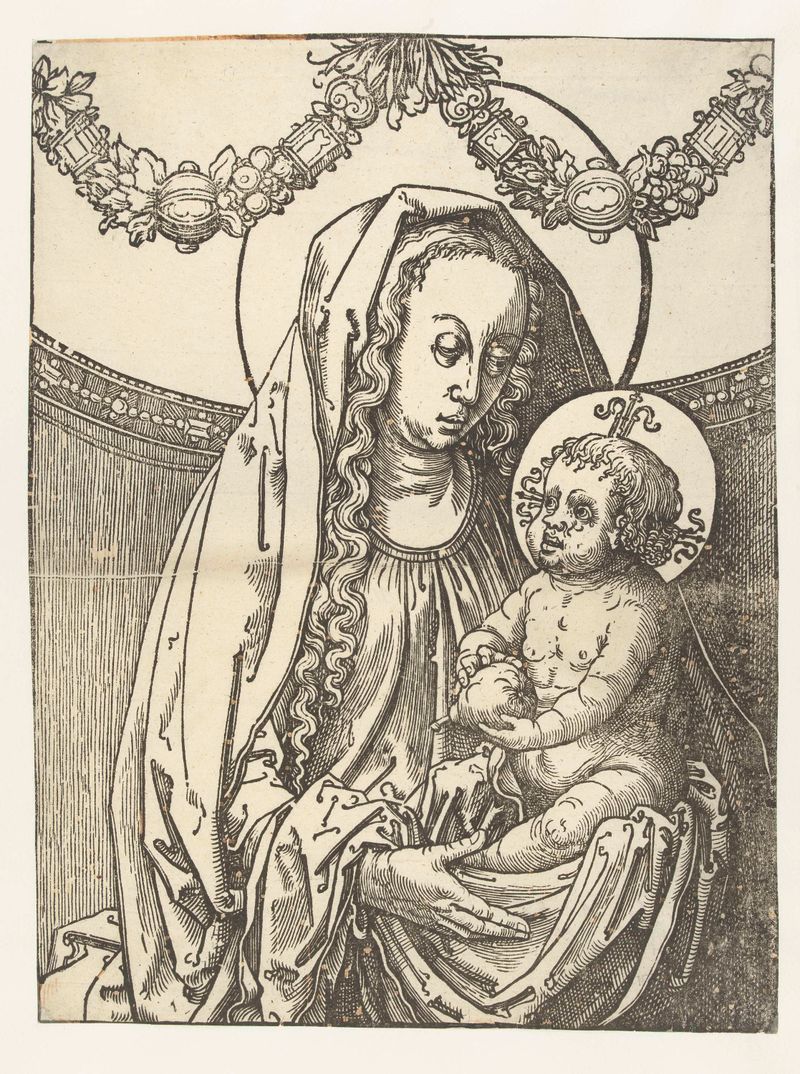
Maria met kind
Lucas van Leyden

Doornenkroning
Lucas van Leyden