
Reclining nude with raised arms — History & Facts
When Amedeo Modigliani exhibited his nudes in Paris in 1917, police shut down the show—an extraordinary scandal for the time. Reclining nude with raised arms belongs to this infamous group, painted in 1916, just a year before the exhibition that would cement Modigliani’s reputation as a painter of sensuality and controversy. The frankness of these works—unclothed, unashamed, and unidealized—was considered shocking, even in a city famed for its avant-garde spirit.
The model’s direct gaze and languid pose were a far cry from the demure nudes of academic tradition, prompting both outrage and fascination among critics and the public alike. In this painting, Modigliani captures a moment of serene abandon: the woman lies across a rumpled bed, her arms stretched above her head, her body curving softly across the canvas. There is no narrative beyond her presence, but every detail—the flush of her cheeks, the heavy-lidded eyes, the relaxed fingers—speaks of intimacy and confidence. The brushwork is loose, the palette warm, the background simple, focusing all attention on the figure.
Unlike the mythological nudes of Titian or the cool detachment of Ingres’s La Grande Odalisque, Modigliani’s subject is a real woman, grounded in the here and now, her form outlined with the artist’s signature elongated lines. The directness of her gaze meets the viewer without apology, challenging the boundary between artist, model, and onlooker. The exact journey of Reclining nude with raised arms is not fully documented, but it is known that Modigliani painted a series of nudes for his dealer, Léopold Zborowski, who provided models, materials, and a studio. These works marked a turning point in Modigliani’s short career, shifting from portraiture to a bold exploration of the nude.
Many of the paintings from this period entered private collections soon after their creation, and today, examples can be found in major museums and galleries worldwide. This painting stands as a testament to Modigliani’s radical approach in the final years of his life, just before his untimely death in 1920 at the age of thirty-five.
More Artworks by Amedeo Modigliani
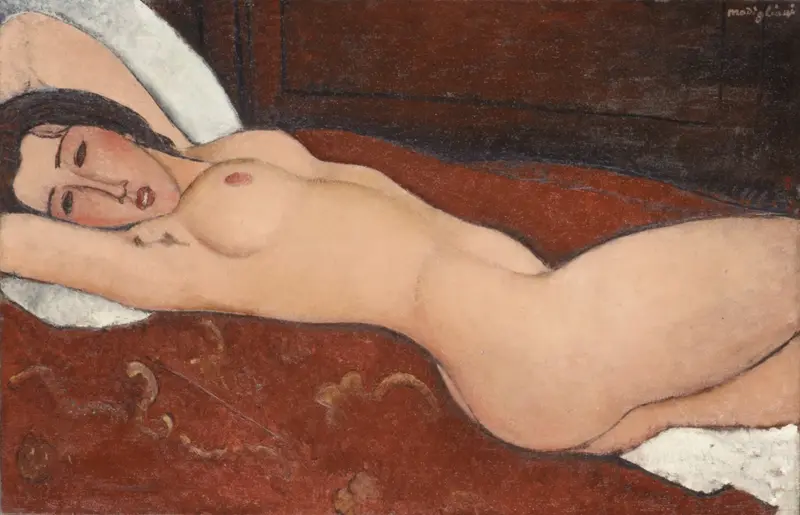
Reclining Nude
Amedeo Modigliani

Portrait Of Jeanne Hébuterne
Amedeo Modigliani

Jeanne Hébuterne
Amedeo Modigliani
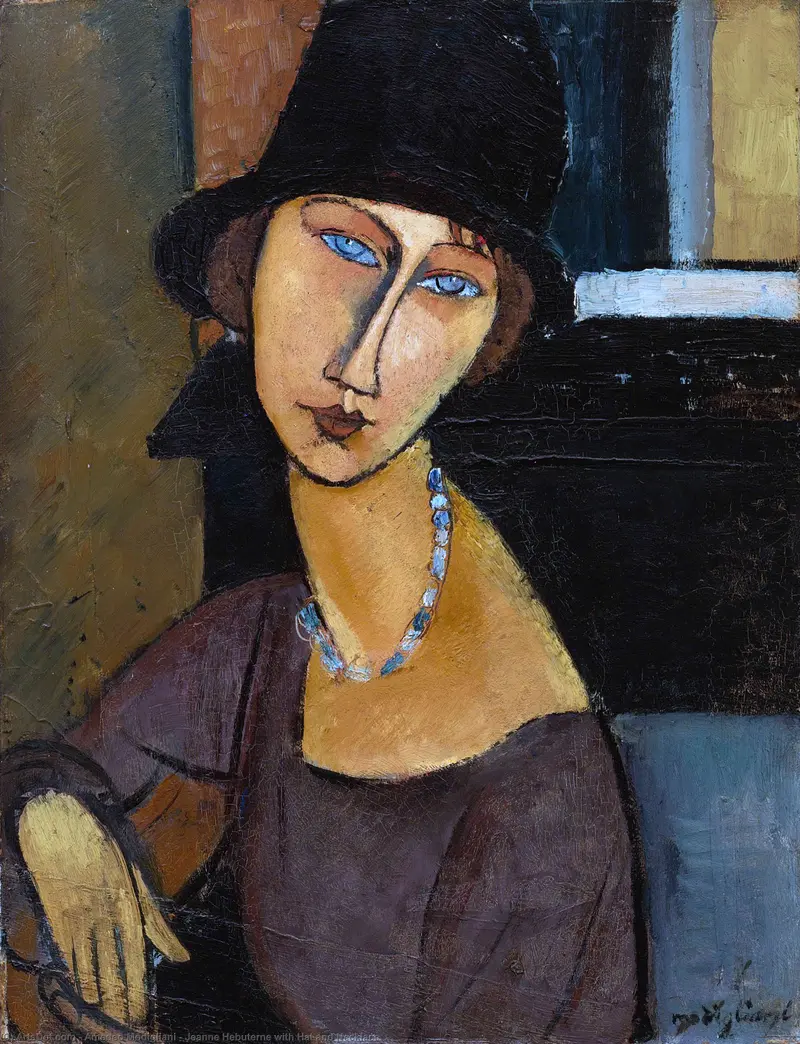
Jeanne Hébuterne with Hat and Necklace
Amedeo Modigliani
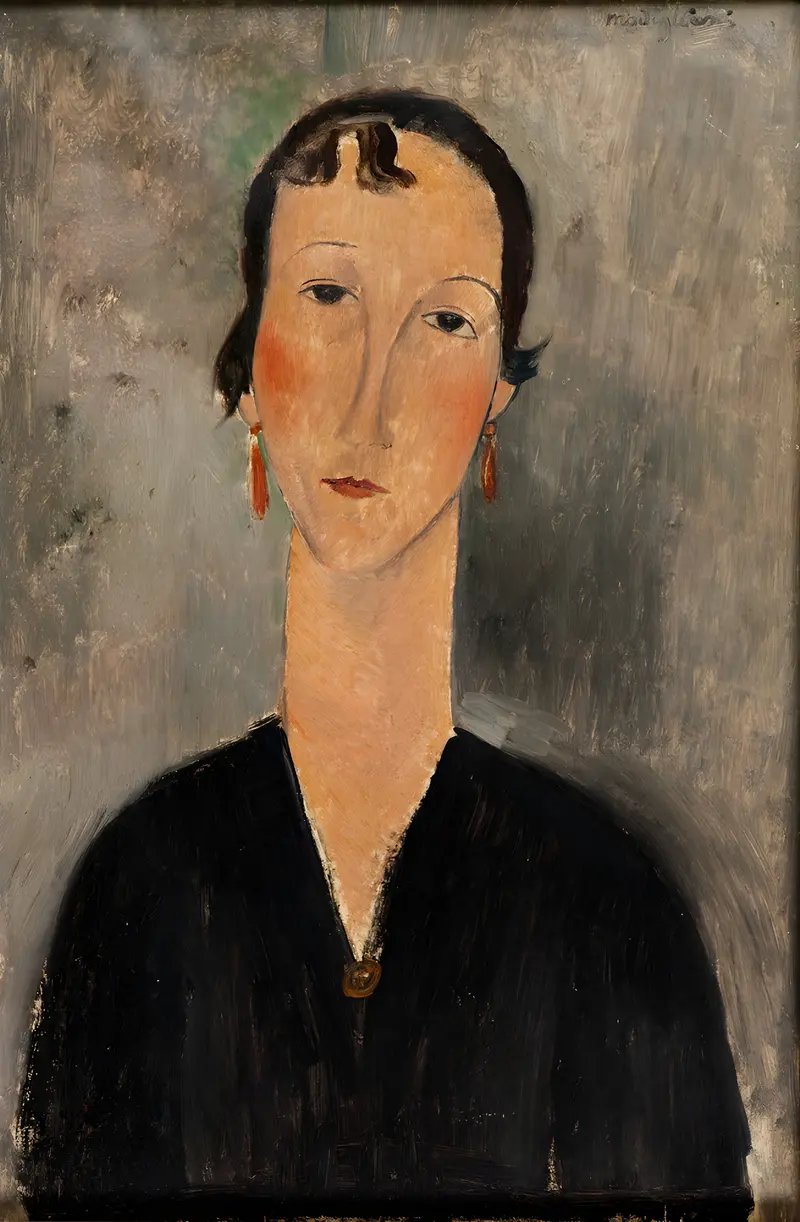
Femme aux boucles d'oreilles
Amedeo Modigliani
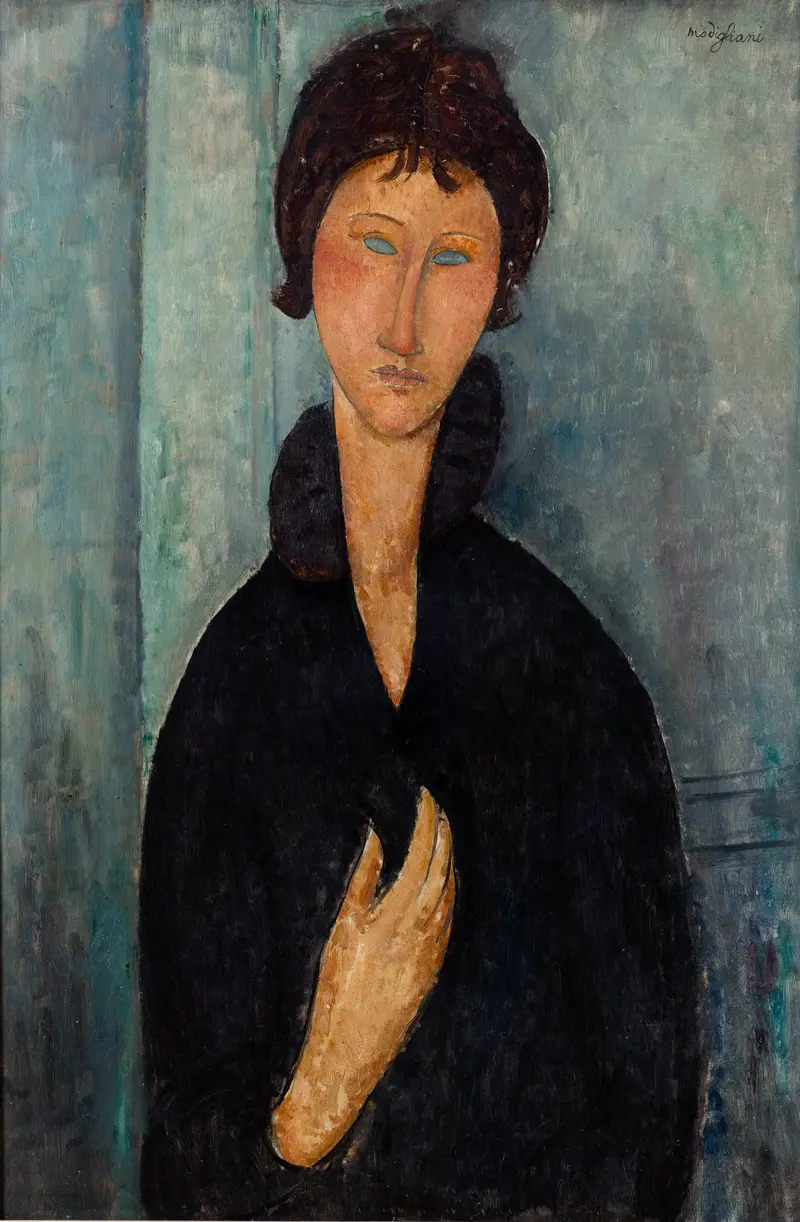
Femme aux yeux bleus
Amedeo Modigliani
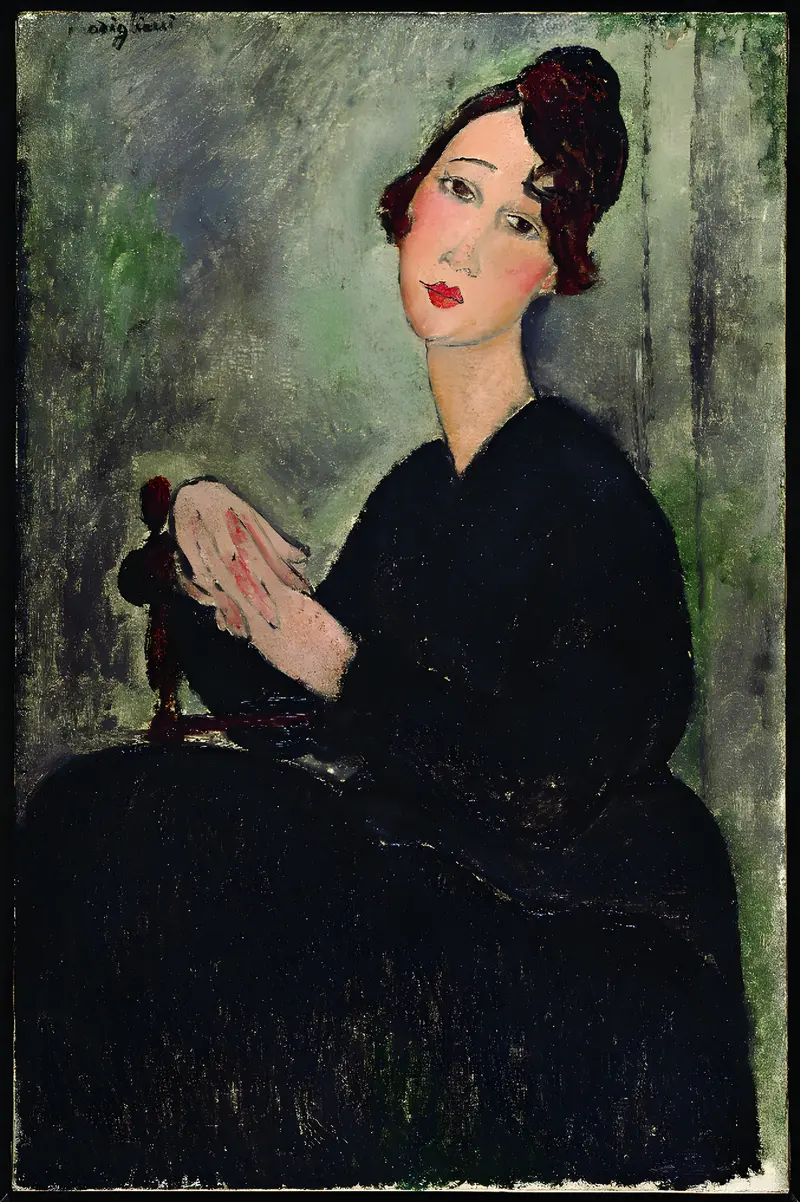
Portrait of Dedie
Amedeo Modigliani
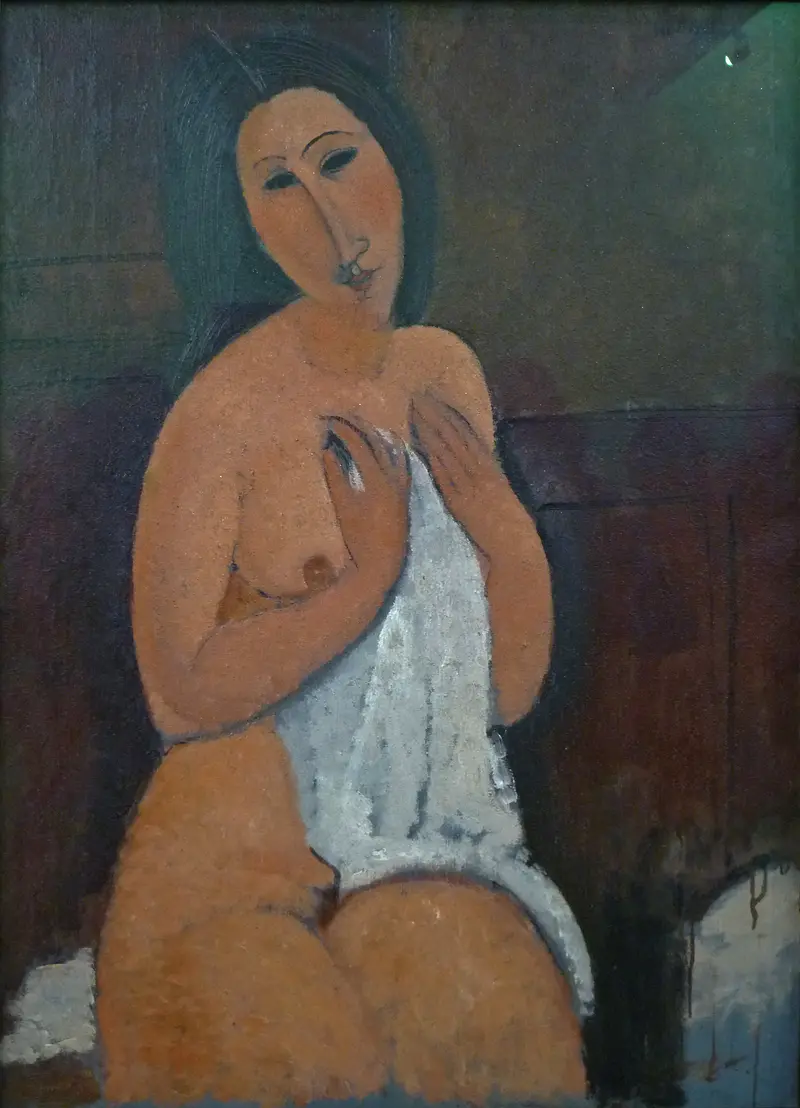
Seated nude with shirt
Amedeo Modigliani
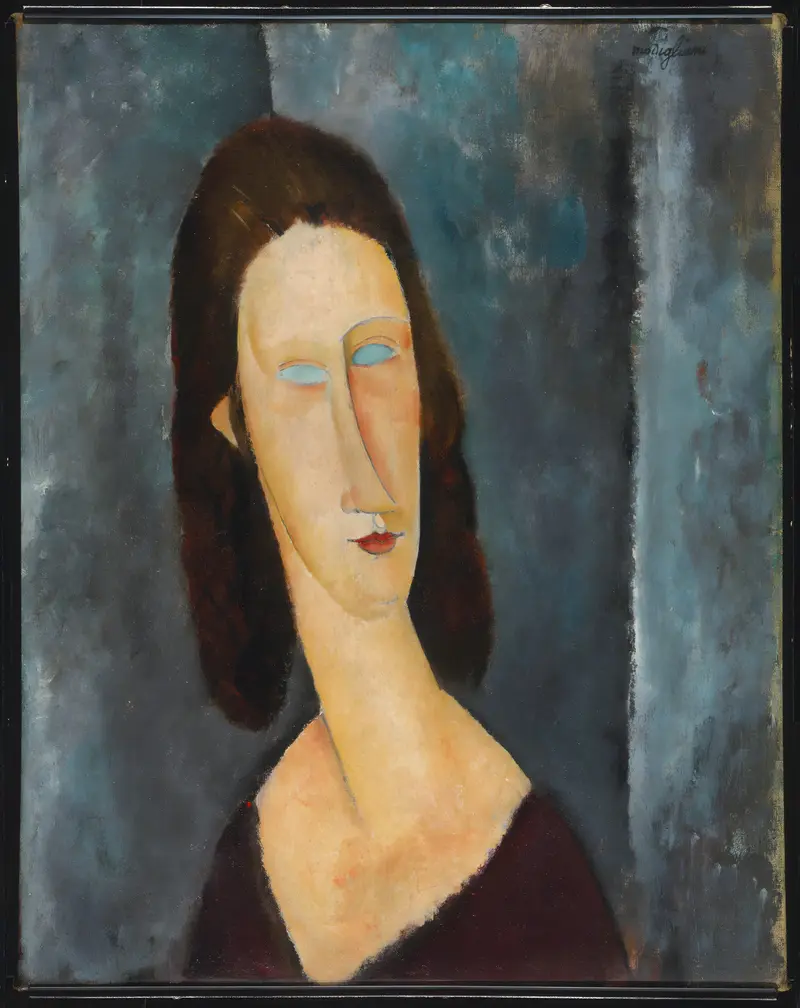
Blue Eyes (Portrait of Madame Jeanne Hébuterne)
Amedeo Modigliani
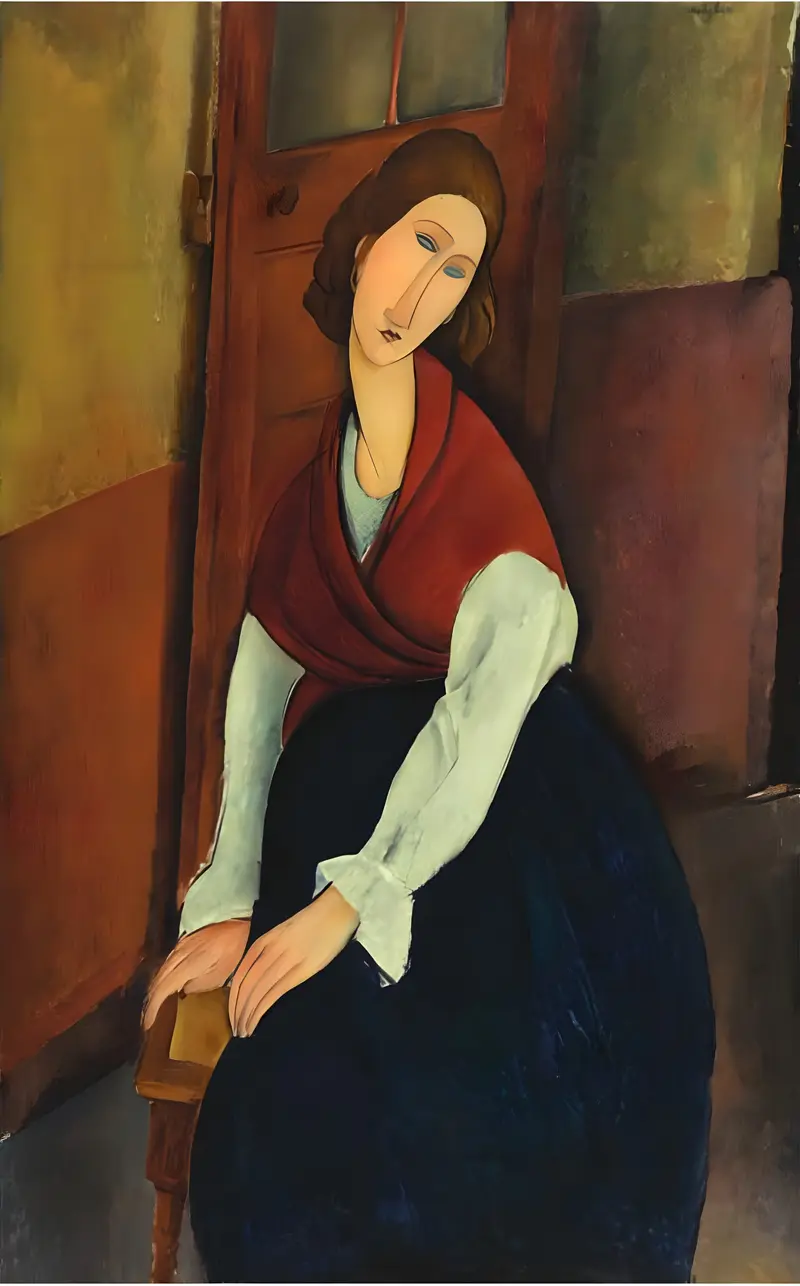
Jeanne Hebuterne in Red Shawl
Amedeo Modigliani



