
Red head woman — History & Facts
When Red head woman was first exhibited in 1917, it was part of the infamous solo show that led Paris police to shutter the gallery for indecency. The exhibition, held at Berthe Weill’s gallery, featured a row of nudes in the window, but among them, this portrait stood out for its clothed, enigmatic presence. The sitter’s identity remains uncertain—some suggest Jeanne Hébuterne, Modigliani’s companion, while others believe she is an anonymous model.
What is certain is that the painting’s haunting gaze and elongated forms became emblematic of Amedeo Modigliani’s unique vision during his brief, feverish career. The woman’s almond-shaped eyes, tilted head, and fiery hair draw the viewer into a moment of introspection. Her face, mask-like and stylized, seems to hover between individuality and archetype—a hallmark of Modigliani’s approach, influenced by African sculpture and Italian Renaissance portraiture. The background is sparse, focusing all attention on the sitter’s expression and the subtle play of color in her hair and skin.
Unlike Renoir’s lush, lively portraits, Modigliani’s figures are distilled, their emotion simmering beneath the surface. The red hair, rendered in bold strokes, becomes both a crown and a signal of the sitter’s inner life. As with many works by Amedeo Modigliani, the precise history of Red head woman is veiled in uncertainty. The artist rarely kept detailed records, and many of his paintings changed hands through Parisian dealers before being dispersed across Europe and America.
Today, the painting is recognized as a key example of Modigliani’s mature style, created during a period of intense creativity just before his untimely death in 1920. Its journey reflects the turbulence of the early twentieth-century art world, where Modigliani’s portraits, once controversial, are now celebrated for their singular beauty and psychological depth.
More Artworks by Amedeo Modigliani
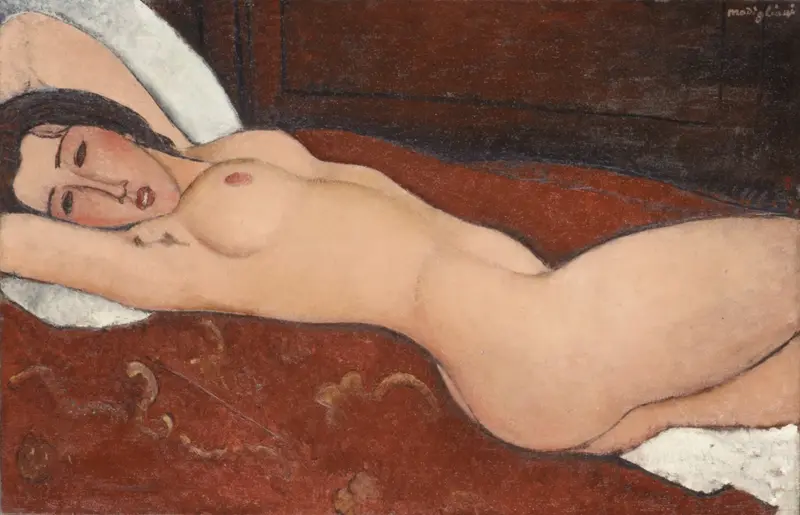
Reclining Nude
Amedeo Modigliani

Portrait Of Jeanne Hébuterne
Amedeo Modigliani

Jeanne Hébuterne
Amedeo Modigliani
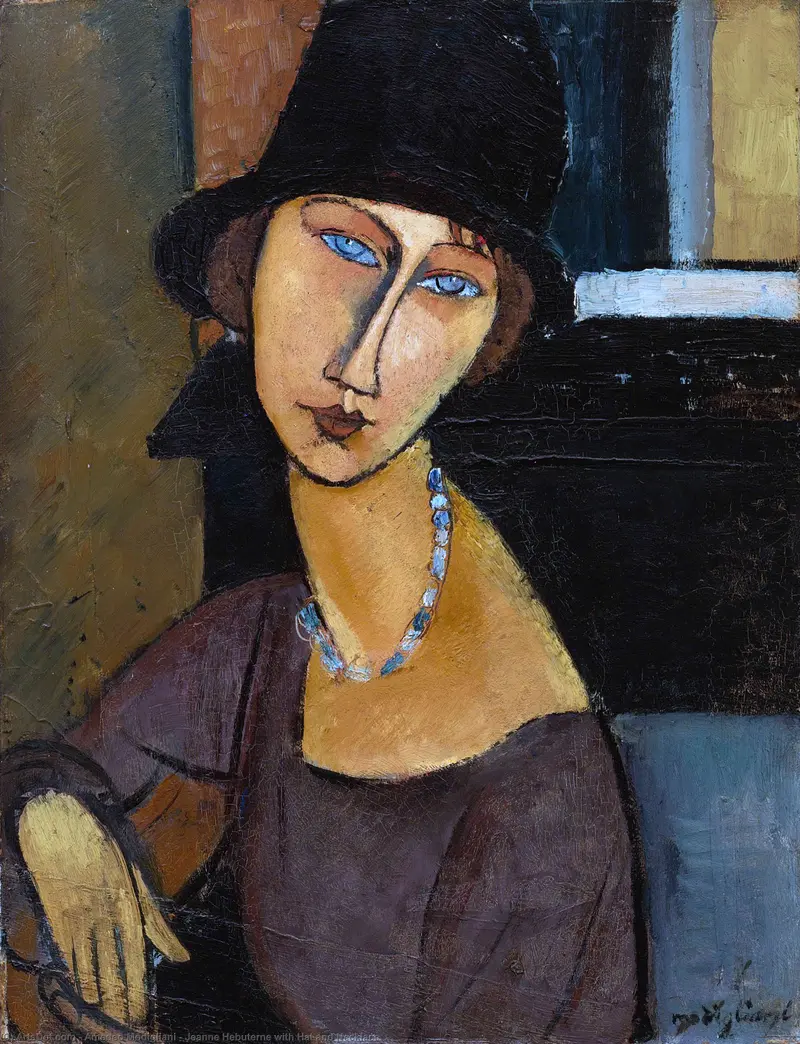
Jeanne Hébuterne with Hat and Necklace
Amedeo Modigliani
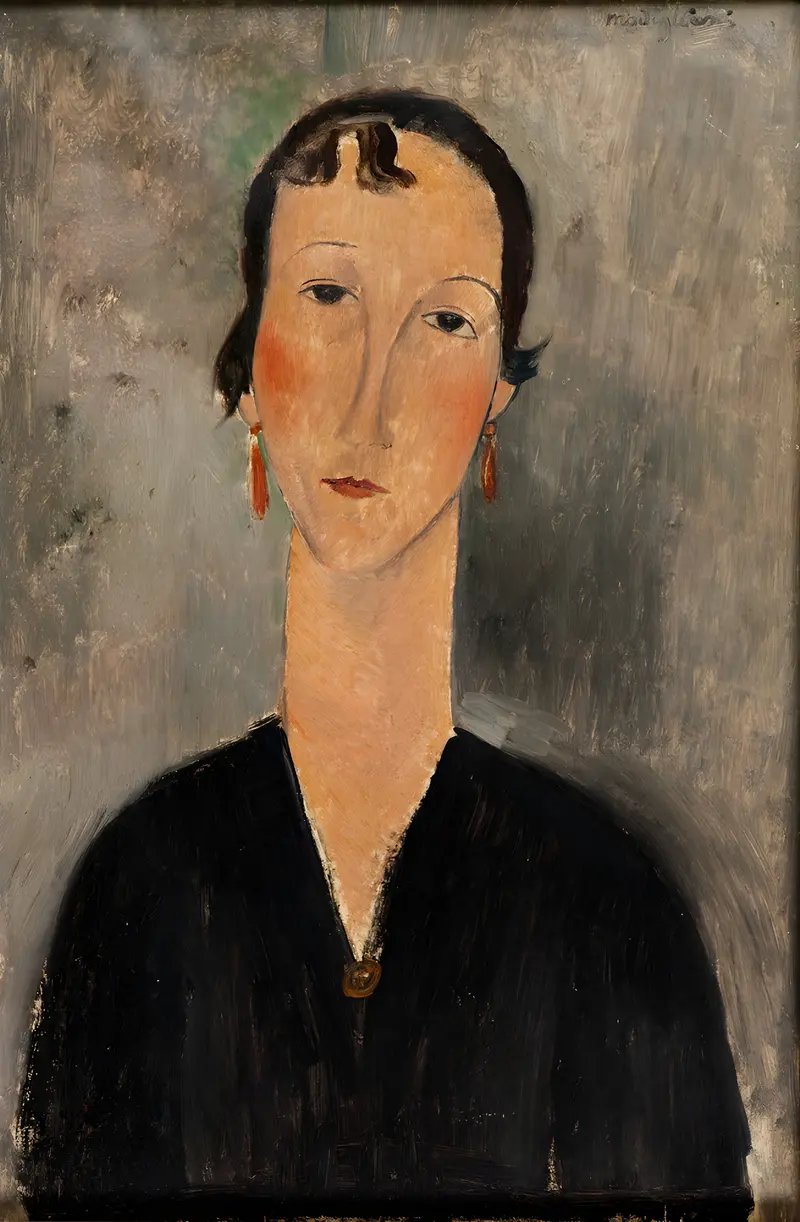
Femme aux boucles d'oreilles
Amedeo Modigliani
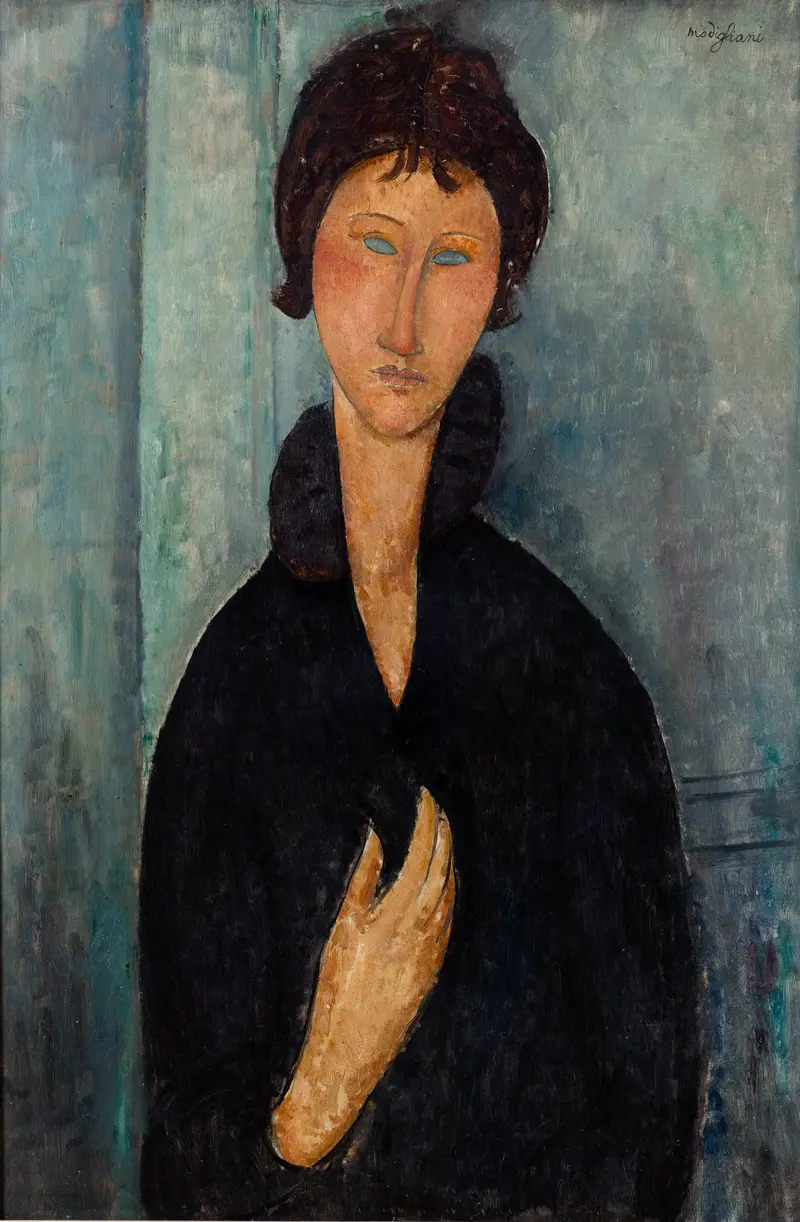
Femme aux yeux bleus
Amedeo Modigliani
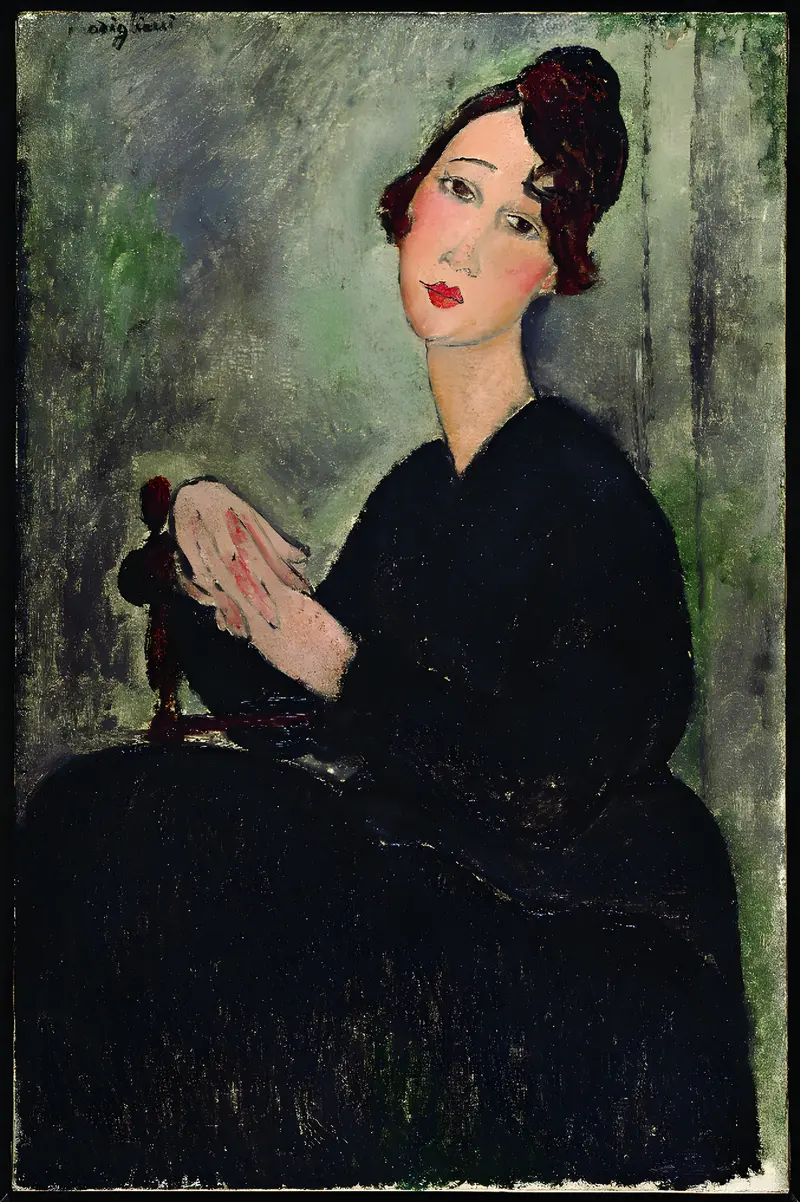
Portrait of Dedie
Amedeo Modigliani
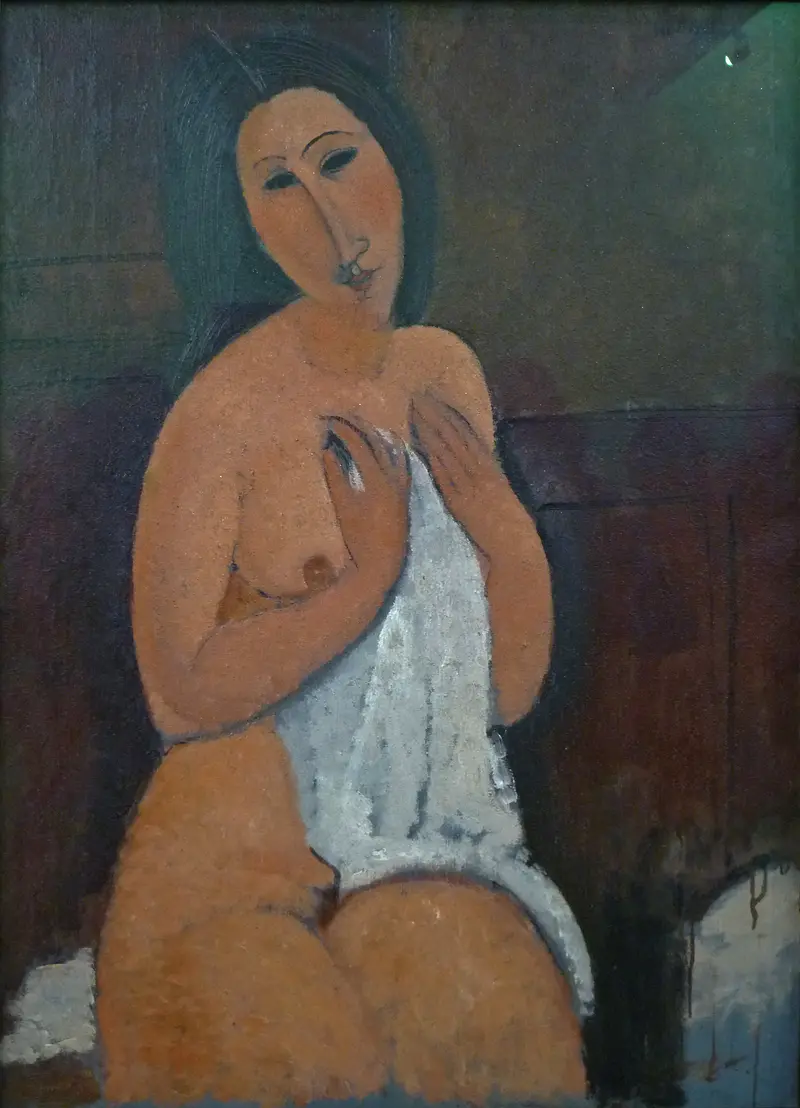
Seated nude with shirt
Amedeo Modigliani
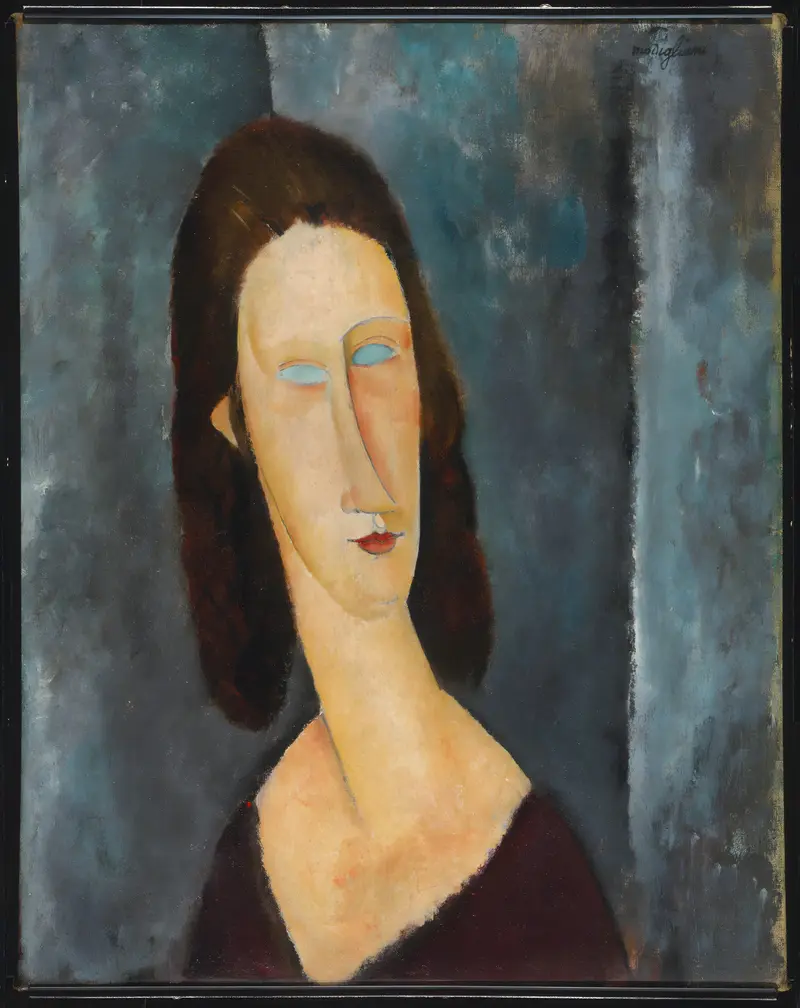
Blue Eyes (Portrait of Madame Jeanne Hébuterne)
Amedeo Modigliani
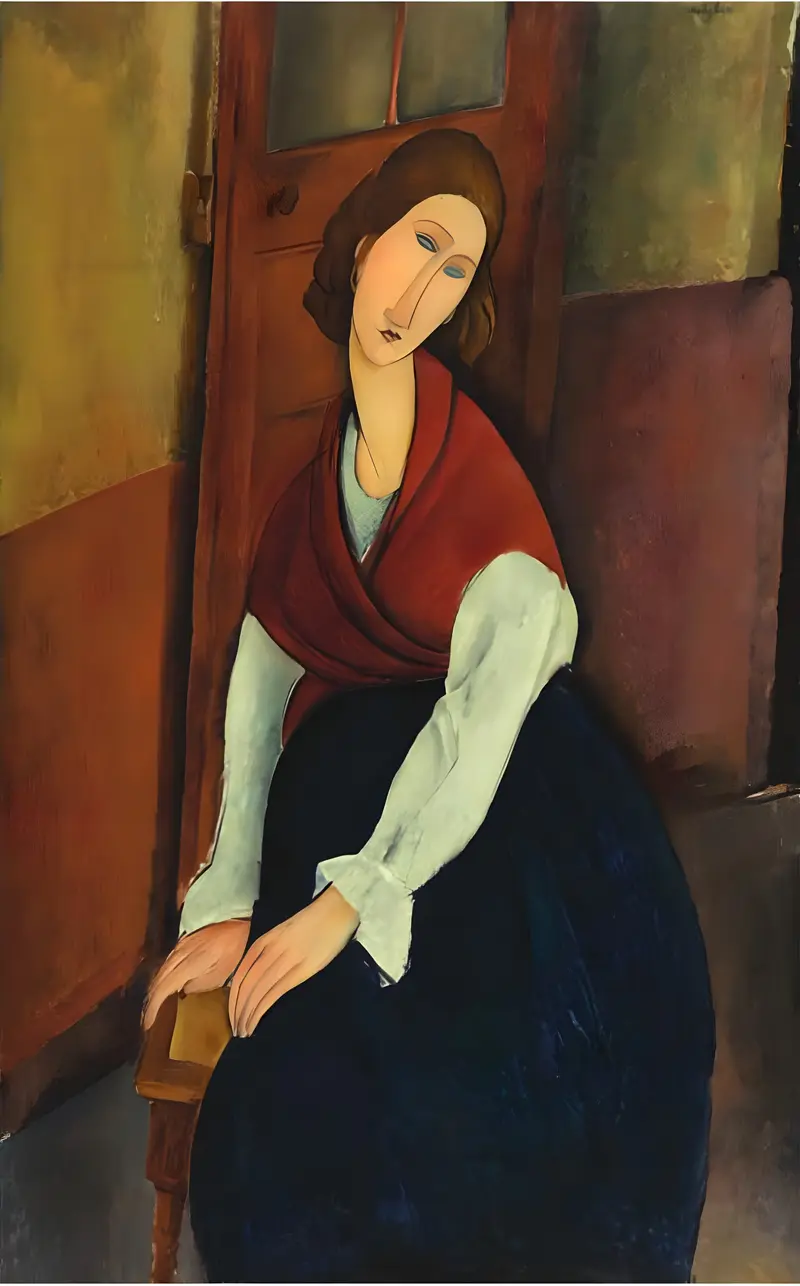
Jeanne Hebuterne in Red Shawl
Amedeo Modigliani





