Regenstimmung — History & Analysis
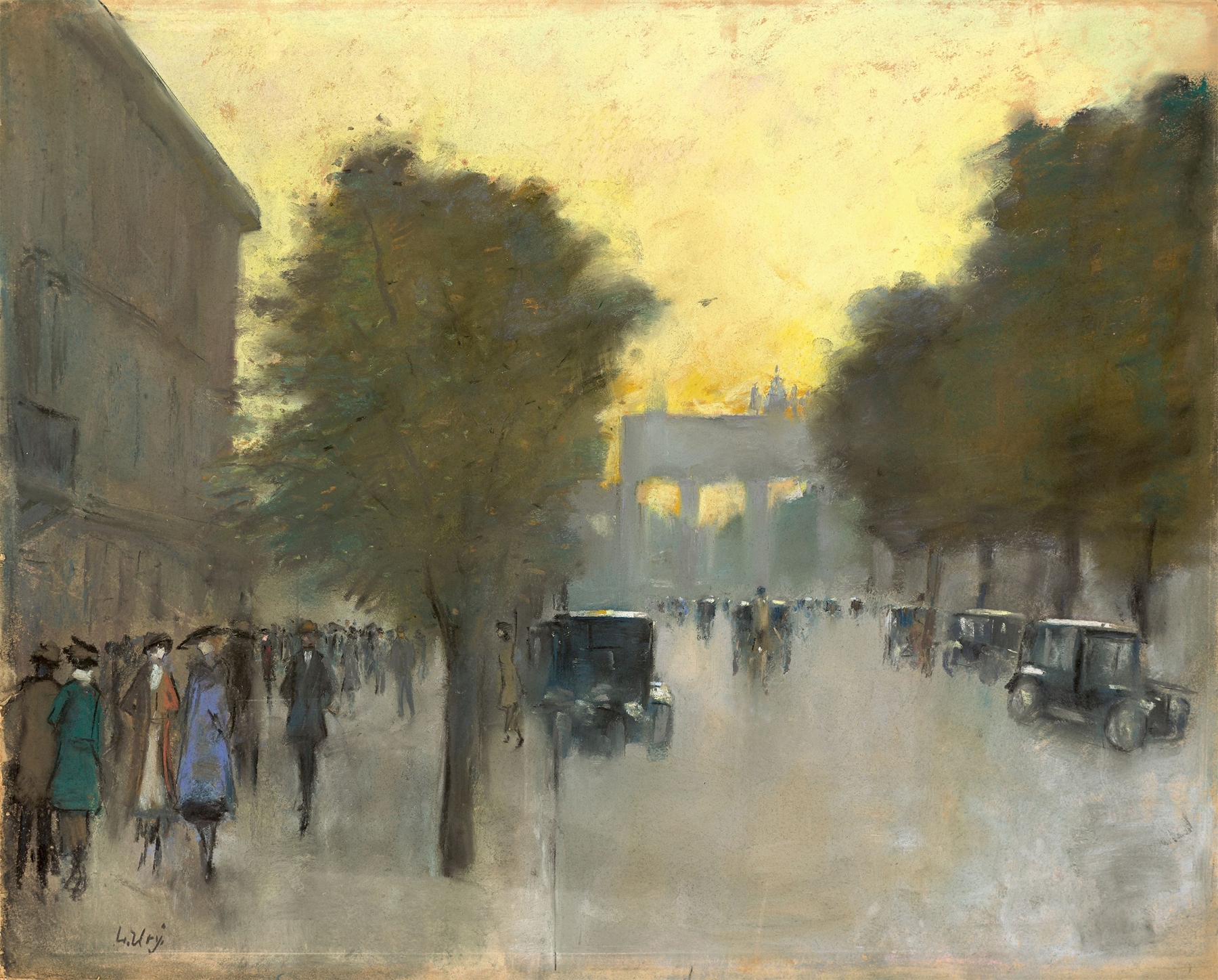
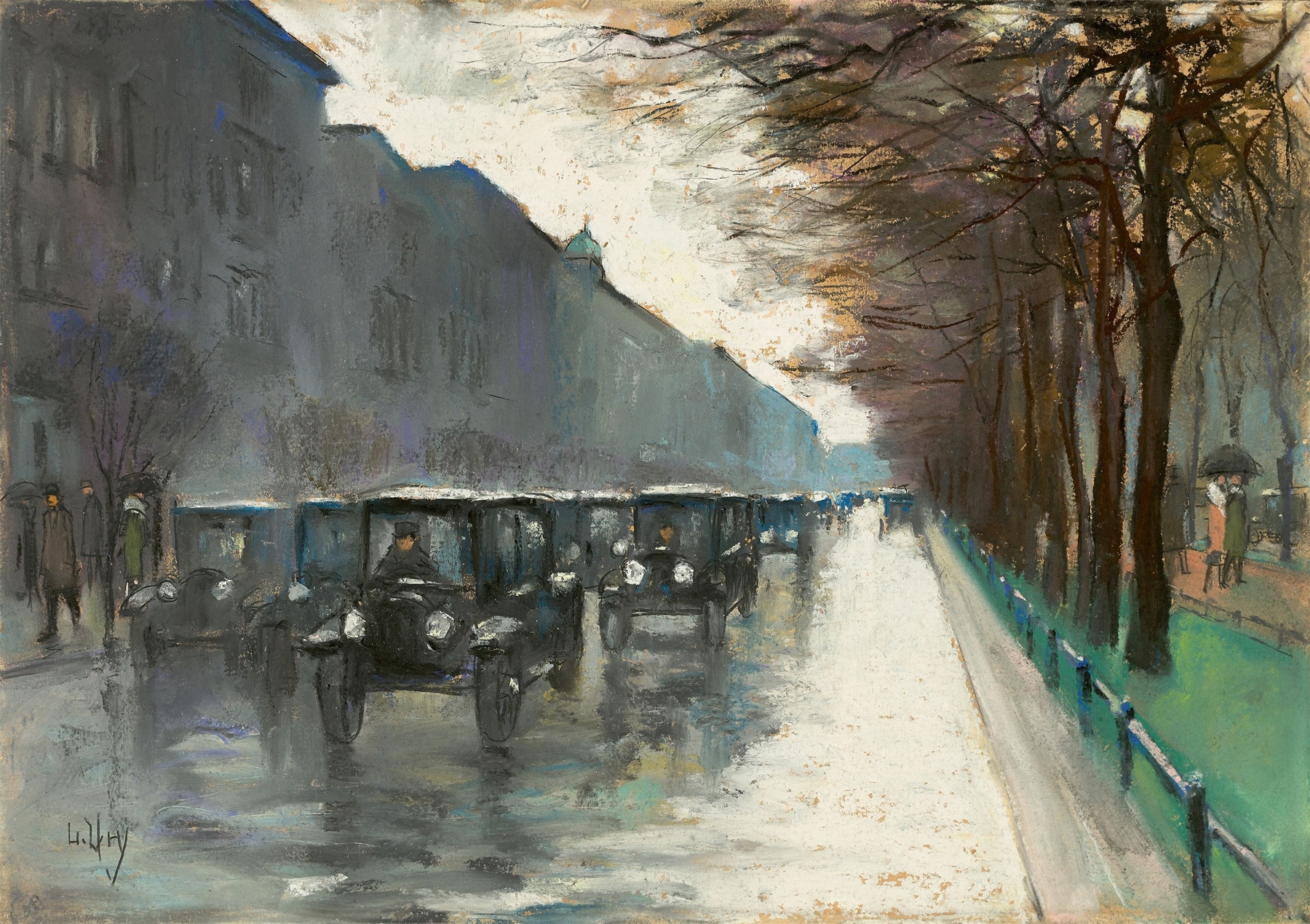
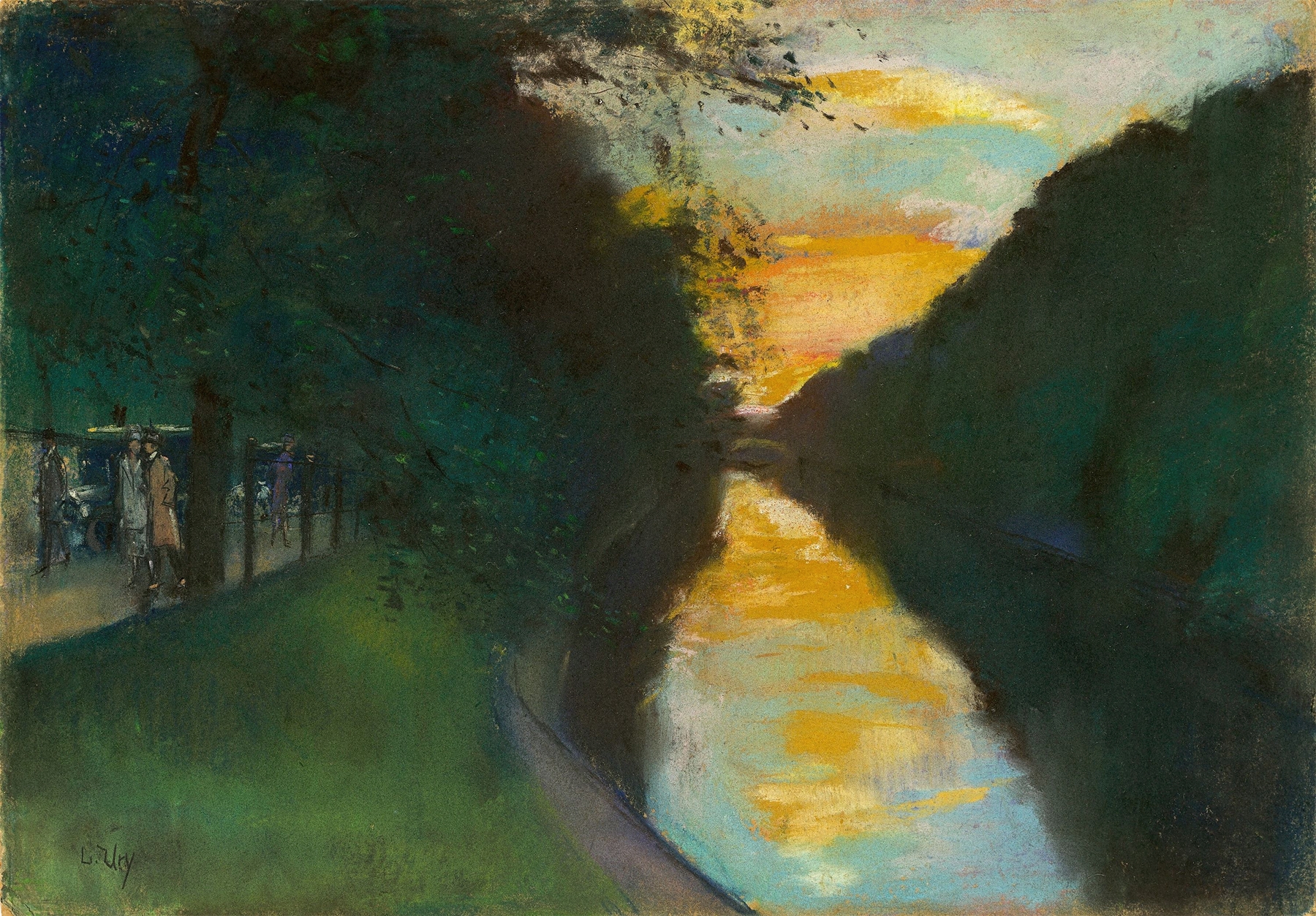
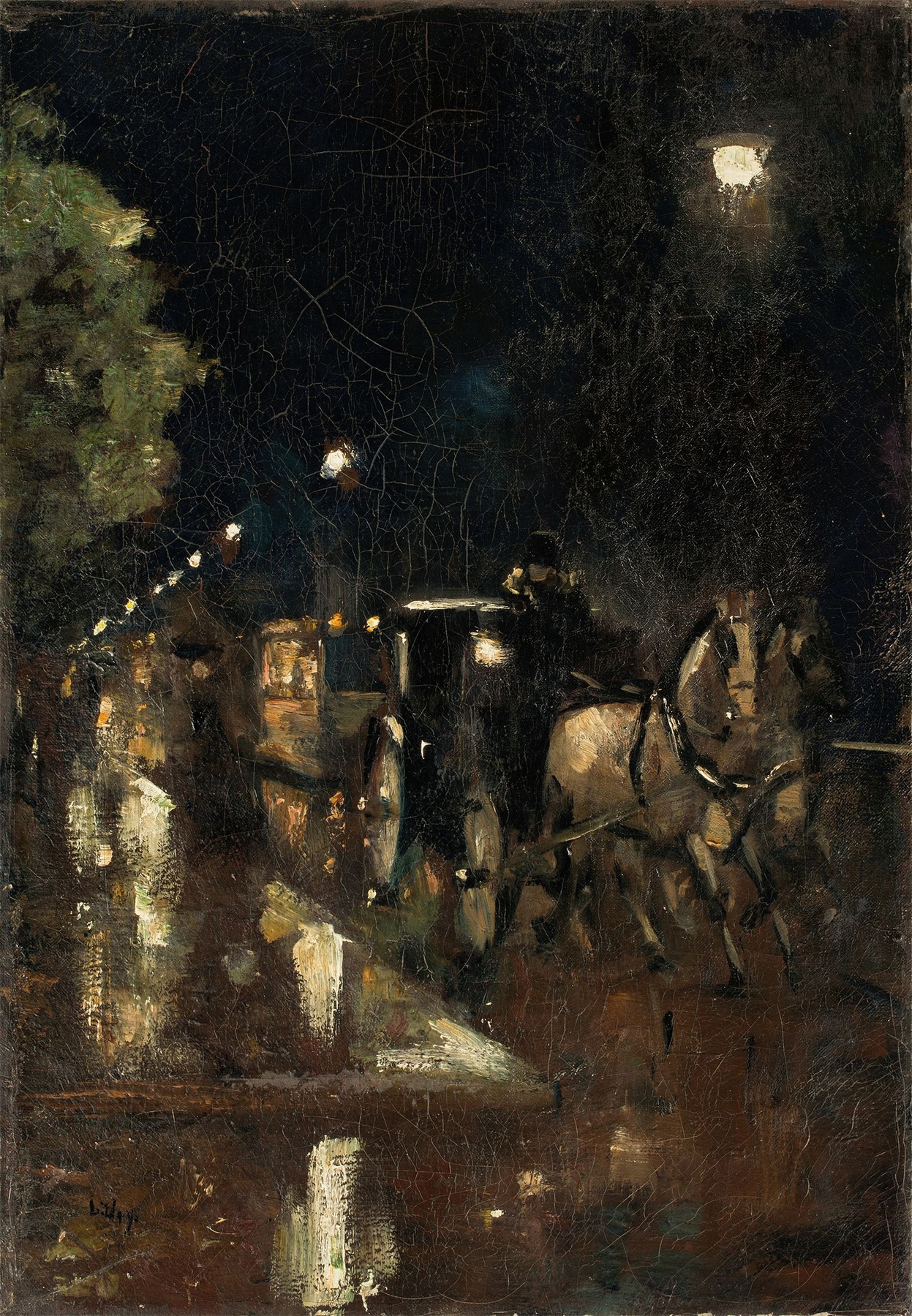
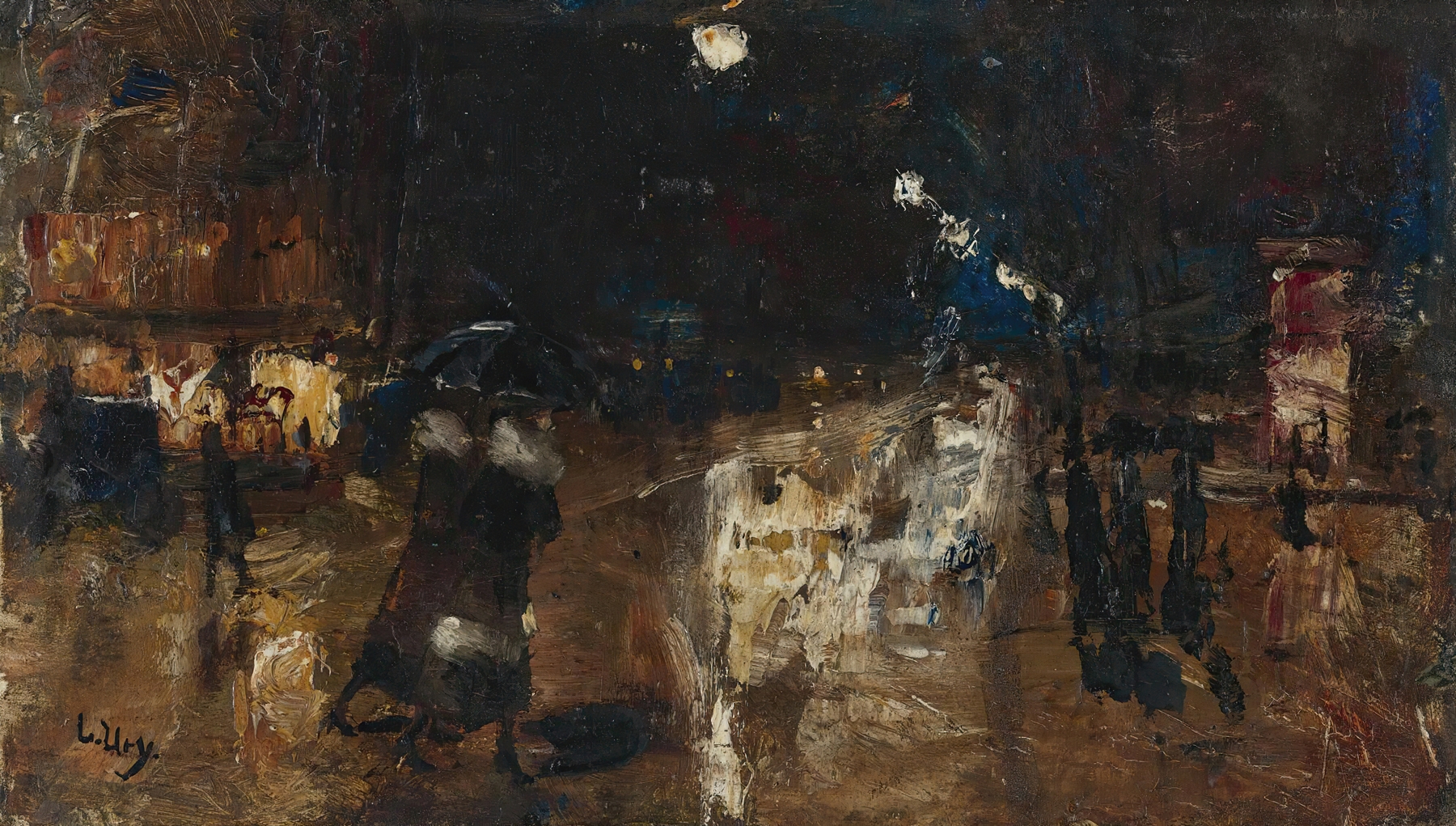
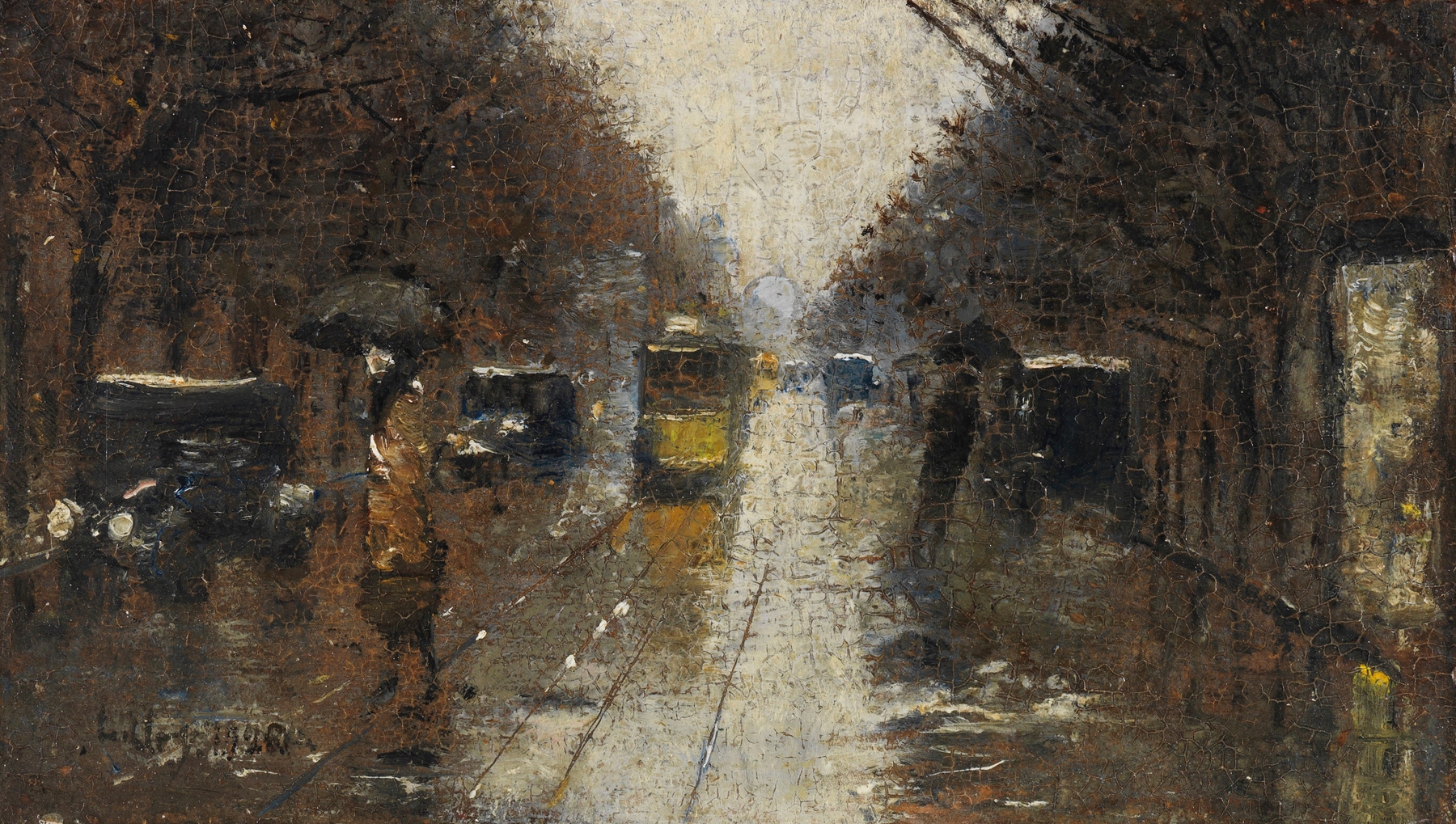
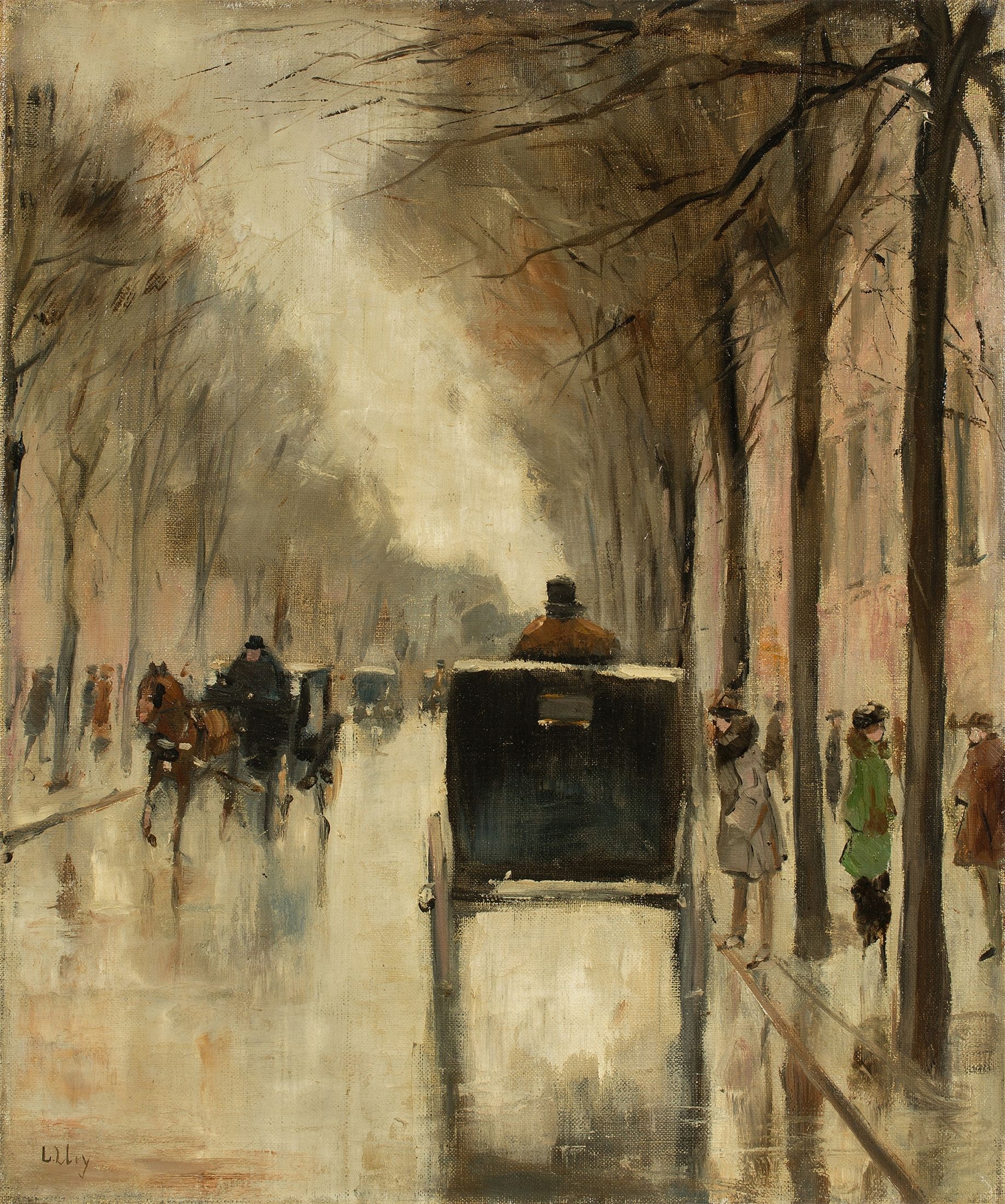
“Every silence here is a confession.” The weight of nostalgia hangs heavy in the air, inviting reflection and memory. In the hushed moments of our lives, we often find the most poignant truths resting beneath the surface, waiting to be uncovered. Focus on the delicate interplay of light and shadow within this evocative piece. The muted palette captures the essence of a rainy atmosphere, with soft grays and blues blending seamlessly.
Notice how the brushstrokes convey movement, suggesting raindrops gently falling upon cobblestone streets. The composition leads the eye toward distant figures shrouded in mist, their forms distanced yet intimately connected by shared experience, echoing the solitude that accompanies a rainy day. In this artwork, the contrast between the vibrant, shimmering reflections on wet surfaces and the subdued hues of the sky evokes a bittersweet longing. Each element whispers a story, from the solitary lamppost casting a warm glow to the shadowy outlines of the figures, hinting at past encounters and lost moments.
The silence is palpable, punctuated by the soft sound of rain, creating a narrative of introspection and the inexorable passage of time. Created before 1903, this work emerged during a period of significant transition for the artist, who was deeply influenced by the burgeoning Impressionist movement. Lesser Ury painted while immersing himself in the sights and sounds of urban life in Berlin, capturing fleeting moments that resonated with his own experiences. The societal shifts and the embrace of modernity found expression in his art, revealing the complexity of human emotion against the backdrop of a changing world.