
Rixe de soldats devant l’ambassade d’Espagne — History & Facts
When Diego Velázquez traveled to Rome in 1629, he found himself at the heart of political tension between Spain and the Papal States—a tension that sometimes spilled into the city’s streets. Rixe de soldats devant l’ambassade d’Espagne captures a real and notorious incident: a violent brawl that erupted in front of the Spanish embassy, where Spanish and Italian soldiers clashed in the summer of 1630. This painting stands out as one of the rare works in which Velázquez tackled a contemporary, secular event, rather than a religious or mythological subject, offering a window onto the turbulent life of Rome’s diplomatic quarter. The scene is charged with energy: soldiers in Spanish dress grapple with their Italian counterparts, swords drawn, faces twisted in anger and alarm.
At the center, a fallen man reaches desperately toward his comrades, while another figure attempts to intervene, his hand raised in a gesture that could be command or plea. The embassy’s façade looms in the background, its shadowed doorway a silent witness to the chaos. The interplay of light and shadow heightens the drama, picking out flashes of steel and expressions of fear.
Unlike Caravaggio, whose street fights often dissolve into darkness, Velázquez uses a clear, almost documentary light, inviting the viewer to judge the event for themselves. The exact fate of Rixe de soldats devant l’ambassade d’Espagne after its creation is uncertain; no contemporary inventories mention it, and its medium remains debated among scholars—some propose oil on canvas, others panel. It is not clear for whom Velázquez painted this work, though it may have been intended for a Spanish patron eager to commemorate or warn against such incidents. Today, the painting is rarely seen outside specialist circles, but it offers a fascinating glimpse into Velázquez’s Roman period, when the artist was absorbing new influences and experimenting with subjects far from the Spanish court.
Its raw immediacy hints at the observational powers that would later define his greatest works.
More Artworks by Diego Velázquez

Las Meninas
Diego Velázquez
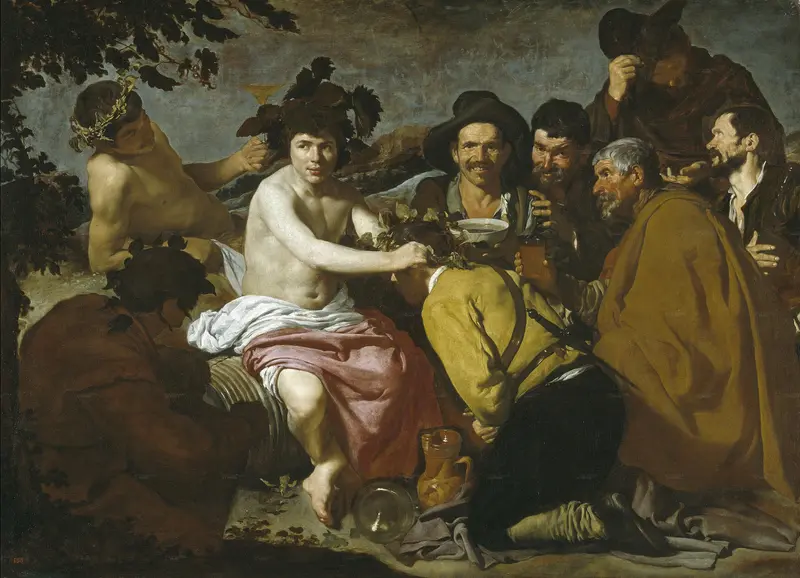
The Triumph of Bacchus
Diego Velázquez
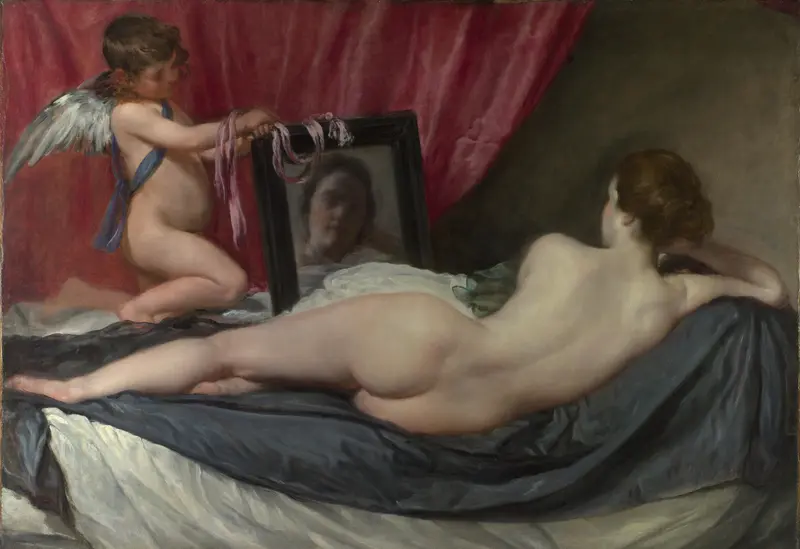
Rokeby Venus
Diego Velázquez
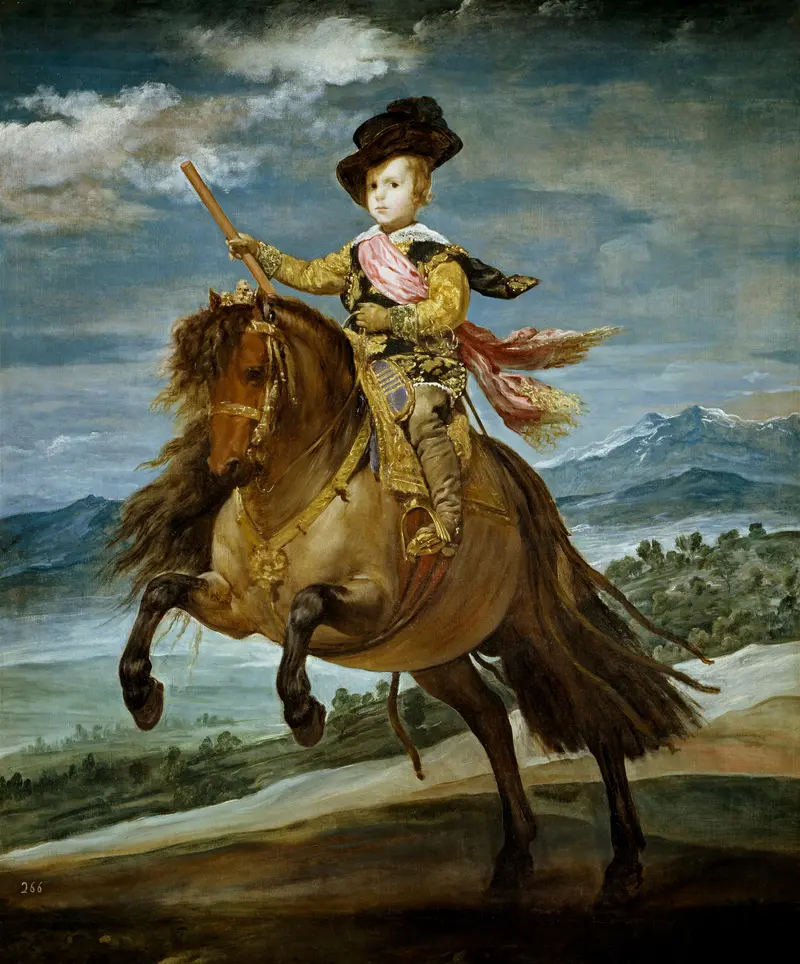
Equestrian Portrait of Prince Balthasar Charles
Diego Velázquez
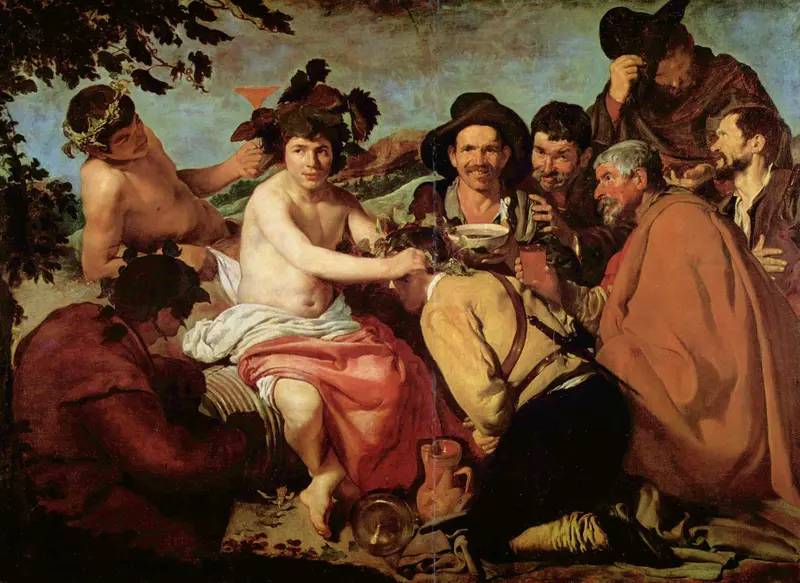
Bacchus
Diego Velázquez
Don Gaspar de Guzmán (1587–1645), Count-Duke of Olivares
Diego Velázquez
El príncipe Baltasar Carlos de Austria
Diego Velázquez
Equestrian Portrait of Philip III
Diego Velázquez
Equestrian Portrait of Margarita of Austria
Diego Velázquez
Las Hilanderas
Diego Velázquez





