
Road at Hérisson — History & Facts
Art reveals the soul when the world turns away. Shadows dance upon the winding path, hinting at the untold stories held within every brushstroke. Begin by looking to the center of the canvas, where a path unfurls, beckoning the viewer to explore its serene embrace. Notice how the artist employs rich greens and soft browns to create a lush landscape that envelops the scene in tranquility.
The light filters through the trees, casting intricate patterns on the road, while hints of blue sky peek through the leafy canopy above, inviting a sense of calm and contemplation. Beneath this serene facade lies a deeper exploration of solitude and connection. The interplay of light and shadow adds complexity to the composition, suggesting the dual nature of existence—both the beauty of nature and the solitude it can impose. The path, while inviting, also symbolizes the journey we take, often alone, through the intricacies of life.
Each shadow acts as a reminder of the unseen complexities that accompany us, even in peaceful moments. Painted in 1911, during his prolific period in France, the artist found inspiration in the natural beauty surrounding him. At this time, Harpignies was exploring themes of light and atmosphere, influenced by the Impressionist movement that had transformed the art landscape. The quiet elegance of Road at Hérisson reflects not only his mastery of color and form but also a personal connection to the tranquil surroundings, amidst a world grappling with change.
More Artworks by Henri-Joseph Harpignies
Browse all →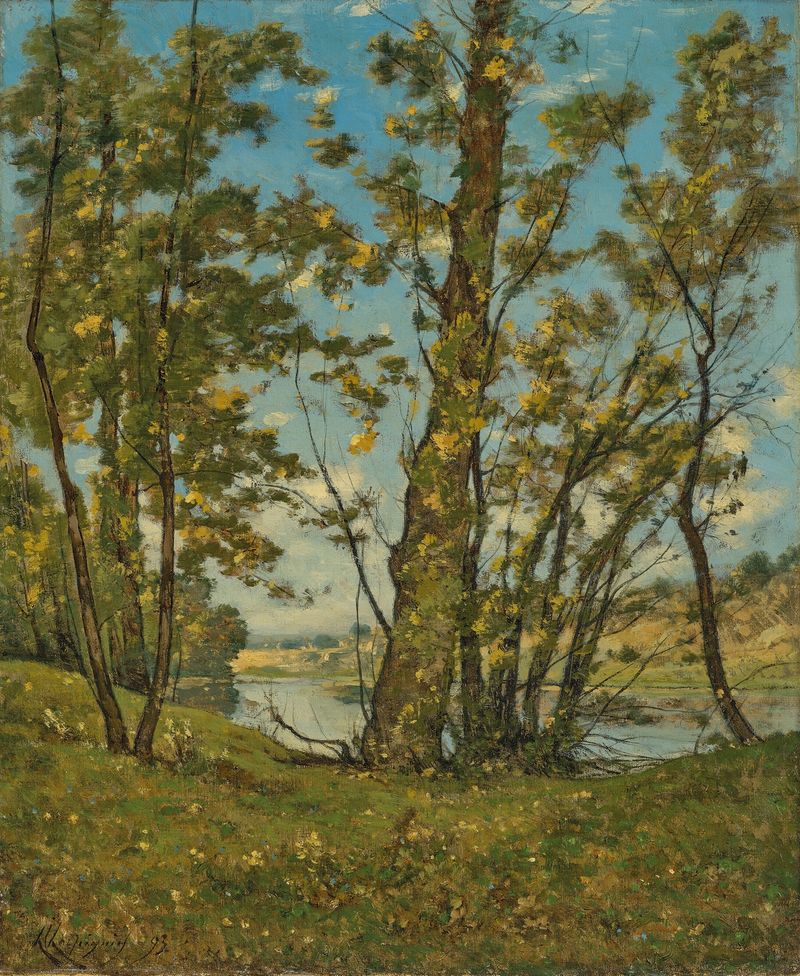
La Loire à Bonny
Henri-Joseph Harpignies
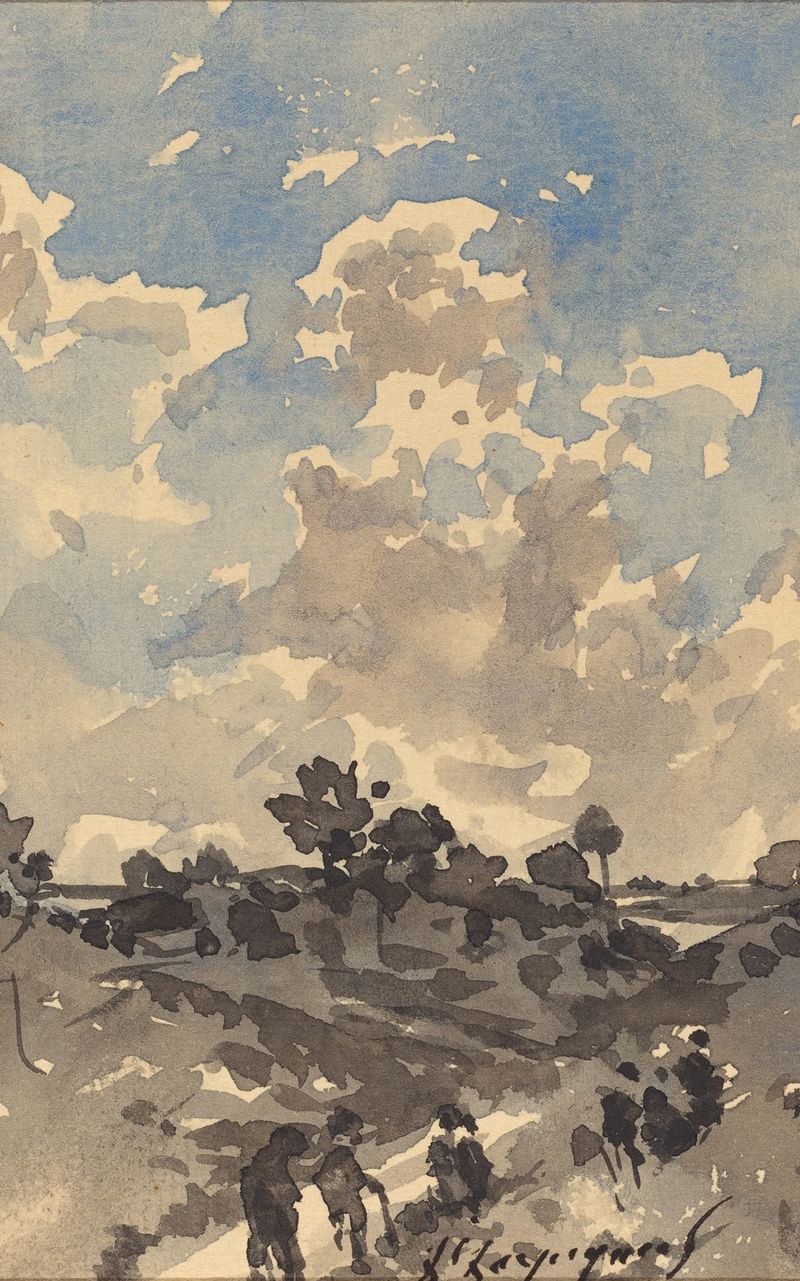
A Landscape with Figures Walking along a Path
Henri-Joseph Harpignies
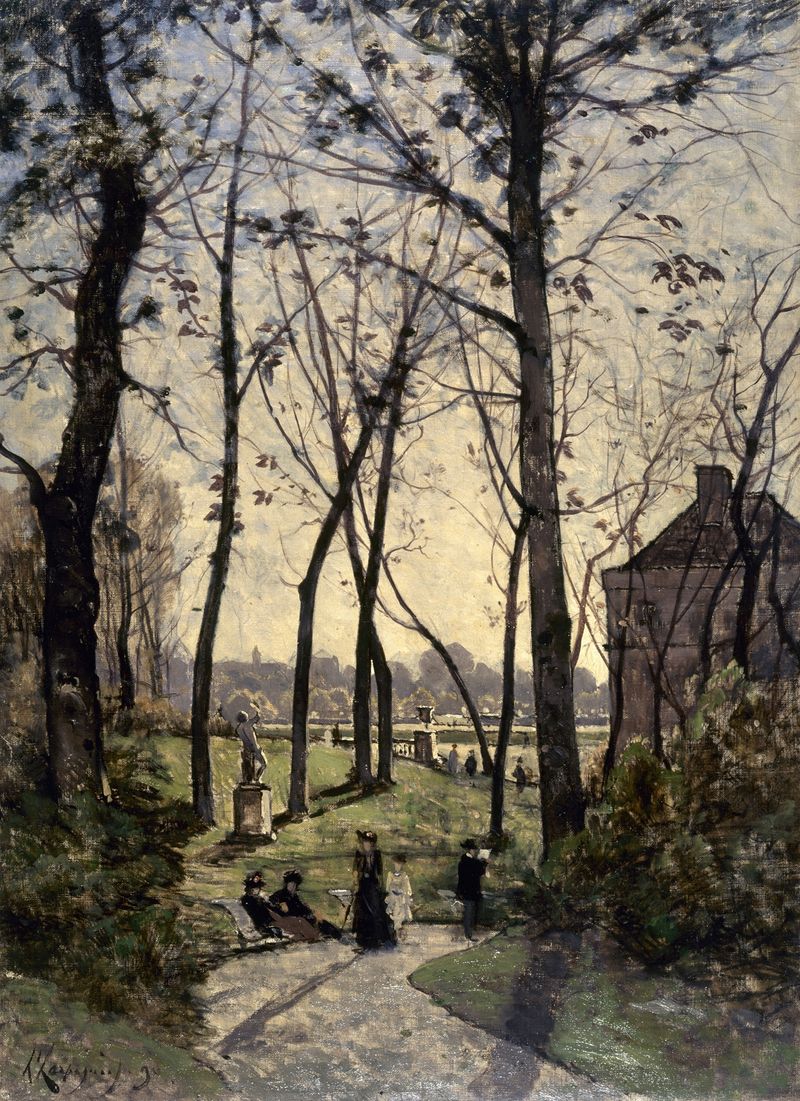
Le jardin du Luxembourg
Henri-Joseph Harpignies
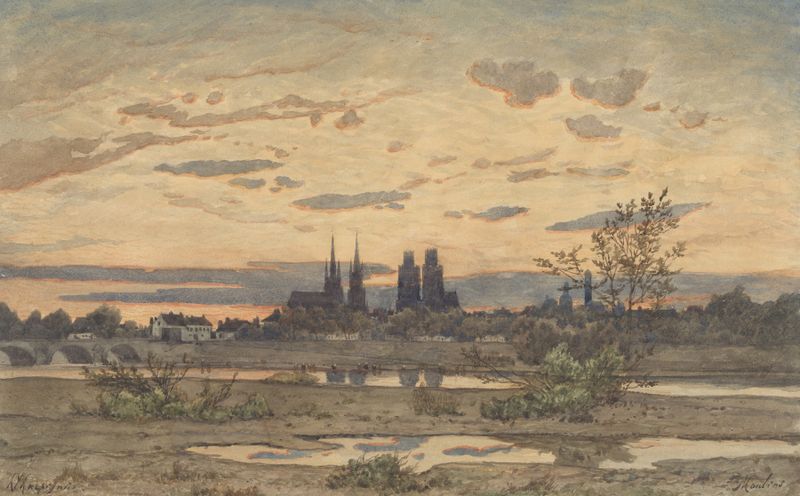
A View of Moulins
Henri-Joseph Harpignies
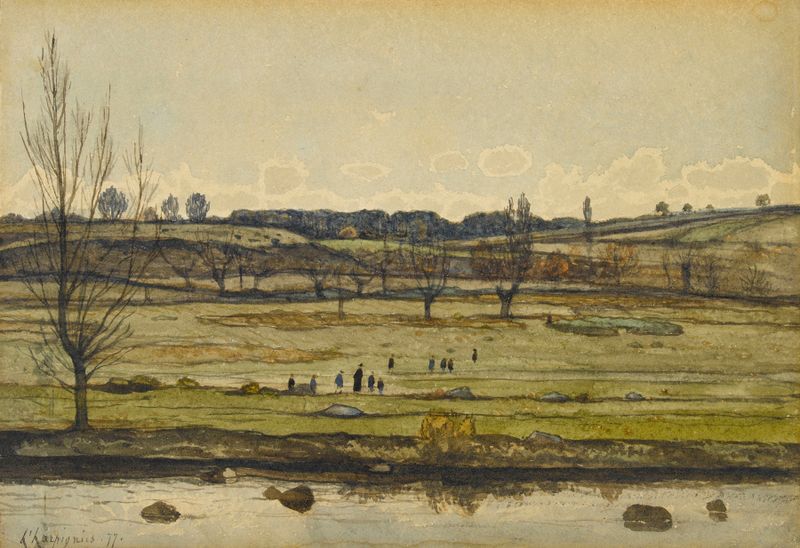
Paysage
Henri-Joseph Harpignies
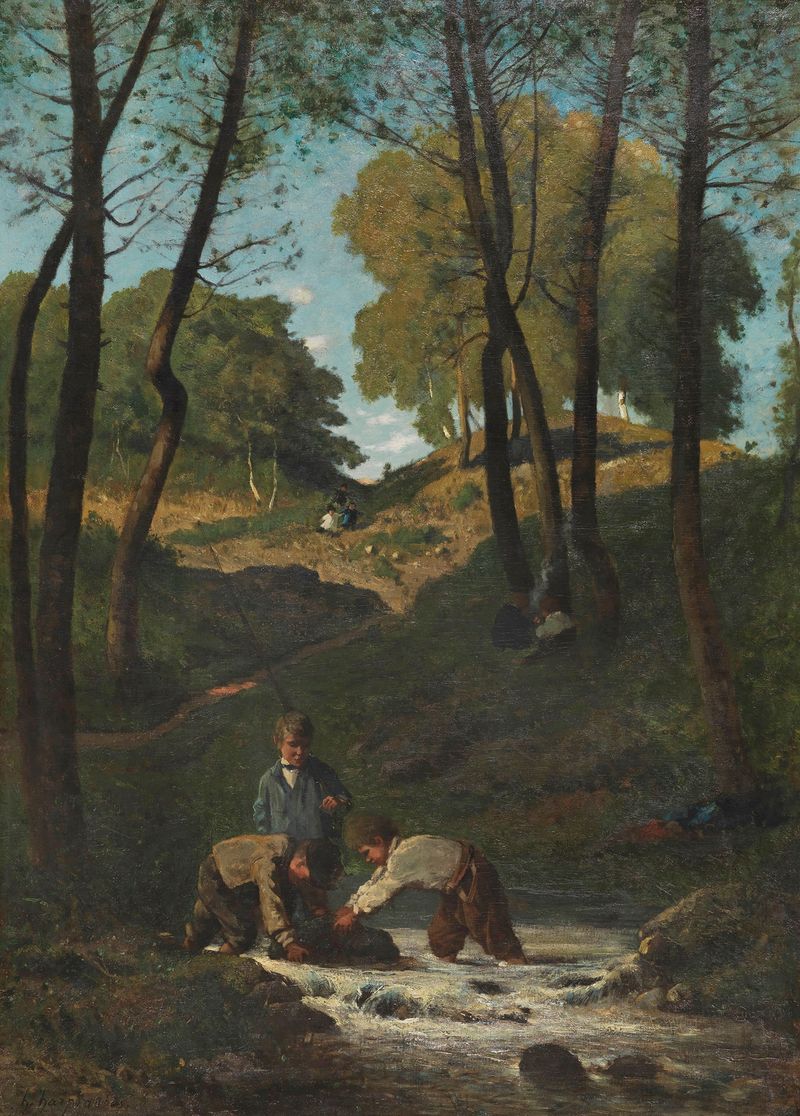
Chercheurs d’écrevisses
Henri-Joseph Harpignies
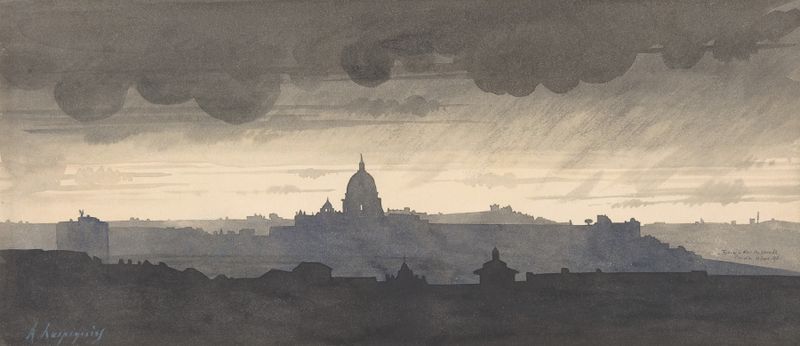
Saint Peter’s Seen From the Pincio, Rome
Henri-Joseph Harpignies
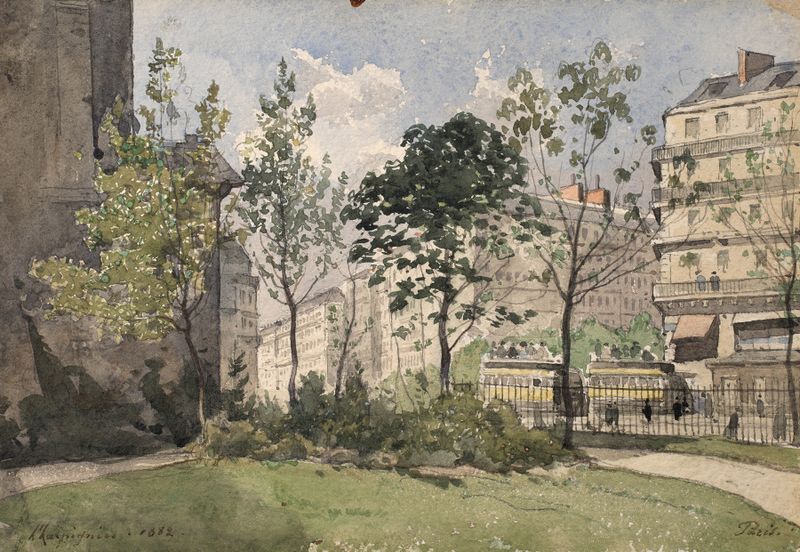
View of the forecourt of the Saint-Germain-des-Prés church
Henri-Joseph Harpignies
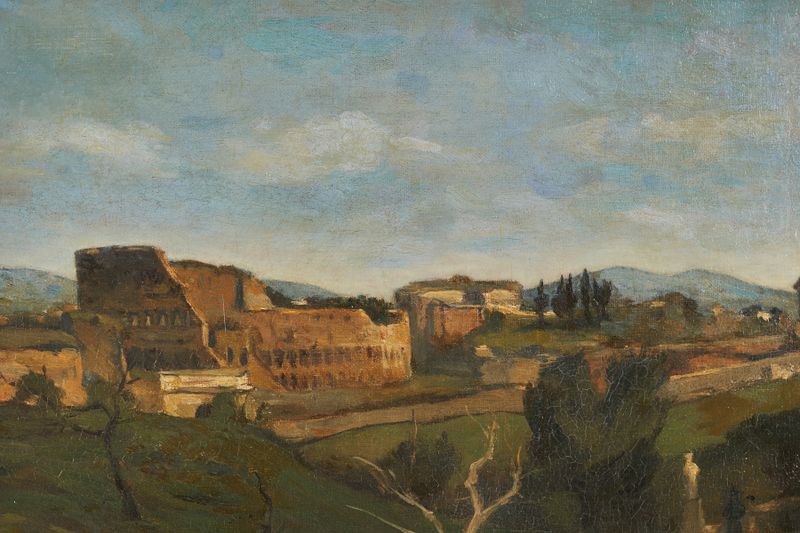
Le Colisée à Rome
Henri-Joseph Harpignies

Villefranche
Henri-Joseph Harpignies





