
Rolls Chapel — History & Facts
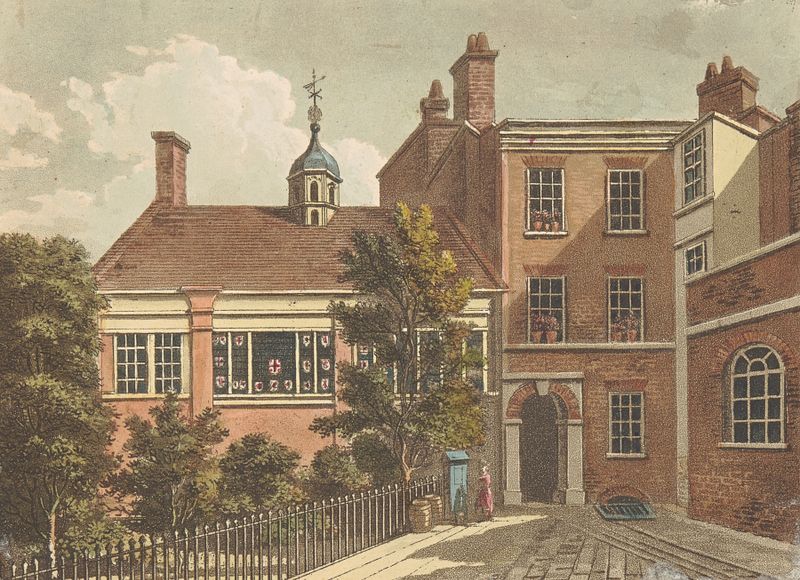
Could a single brushstroke hold eternity? The quest for truth is often found in the delicate balance between illusion and reality, much like the serene landscape captured in this artwork. Firstly, direct your gaze to the tranquil horizon, where soft hues of lavender and gold blend seamlessly in the twilight sky. Notice how the artist has masterfully layered the paint to create a sense of depth. The chapel stands as a focal point, framed by lush greenery, inviting contemplation.
The gentle play of light across the structure's weathered stone evokes a sense of history and permanence, drawing the viewer into a moment suspended in time. As you explore further, consider the contrast between the architectural solidity of the chapel and the ethereal beauty of the surrounding landscape. This juxtaposition suggests a dialogue between man-made creations and nature's order. The delicate brushwork on the foliage whispers of life and growth, while the chapel symbolizes faith and human endeavor.
Each detail, from the gently curling vines to the precise lines of the building, invites reflection on the nature of existence and our connection to the world. Samuel Ireland created this piece between 1794 and 1800, during a period of significant transition in British art. Influenced by the rise of Romanticism, he sought to express the profound connection between landscape and human emotion. Capturing the essence of his surroundings, Ireland’s work speaks to a broader movement where artists began to explore the depths of feeling and the truth found within nature itself.
More Artworks by Samuel Ireland
Browse all →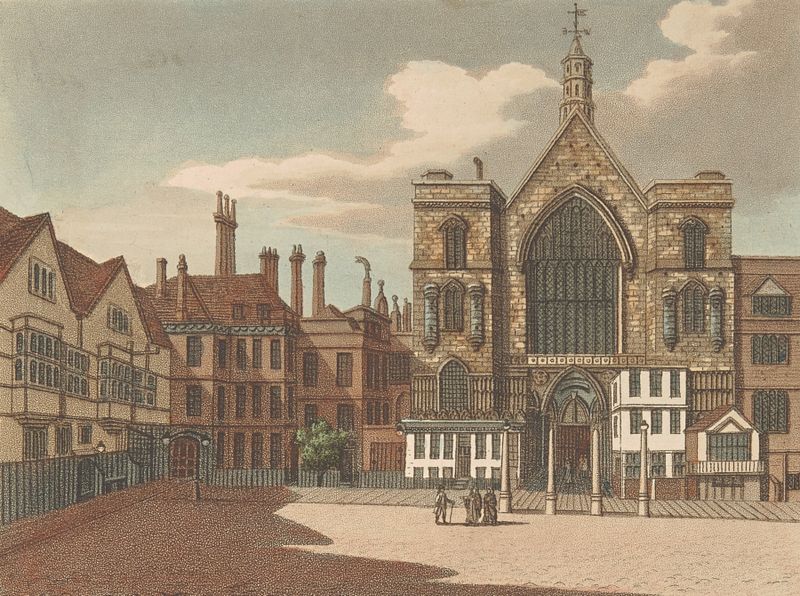
Westminster Hall
Samuel Ireland

Southwest View of Middle Temple
Samuel Ireland
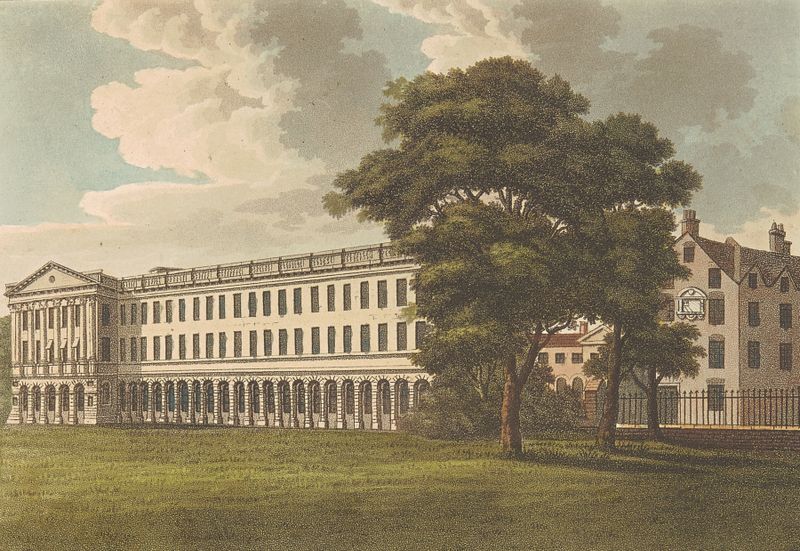
Stone Buildings, Lincoln’s Inn
Samuel Ireland
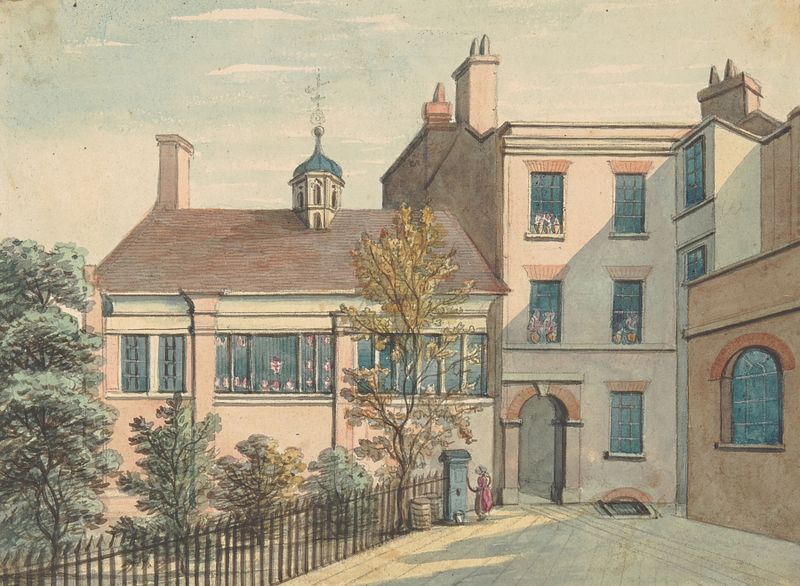
Barnard’s Inn
Samuel Ireland

Lincoln’s Inn Hall and Chapel
Samuel Ireland

Lion’s Inn
Samuel Ireland
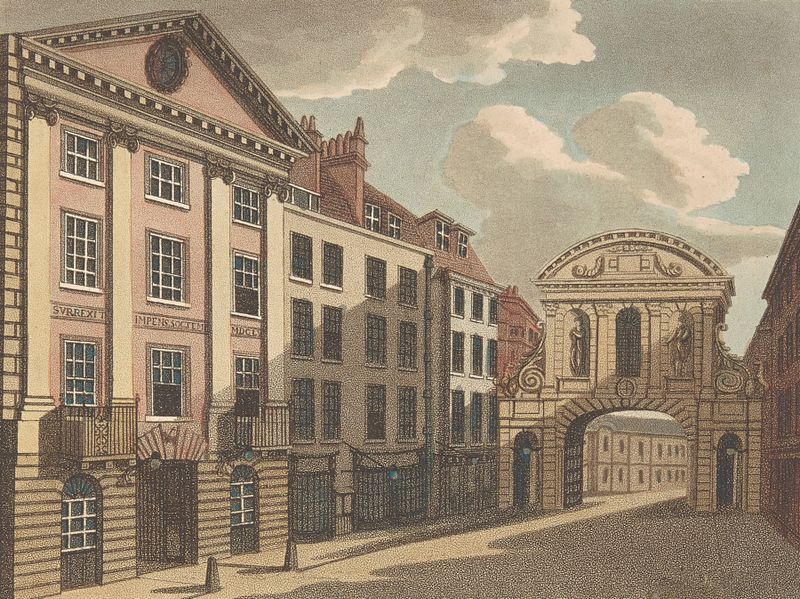
Middle Temple Gate
Samuel Ireland
Barnard’s Inn
Samuel Ireland

Westminster Hall
Samuel Ireland
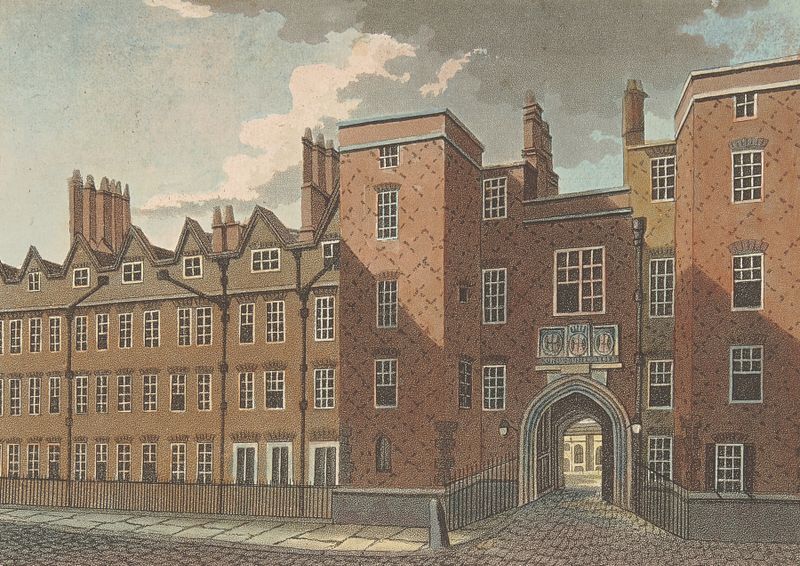
Lincoln’s Inn Gate
Samuel Ireland





