
Ruiter en wandelaars op een weg bij Lisse — History & Facts
Could beauty survive in a century of chaos? The quiet allure of nature invites contemplation, beckoning us to ponder our desires amidst the inescapable turmoil of life. Look to the left at the delicate figures strolling along the winding path; their serene expressions contrast sharply with the vibrant chaos of the surrounding landscape. Notice how the soft greens and warm browns of the earthy palette harmonize with the bright blue sky, weaving a sense of tranquility through the composition. The gentle play of light on the figures' garments enhances their movement, creating a palpable rhythm that draws the eye along the path. Hidden within the artwork are layered meanings—each figure embodies a yearning for connection and peace in a world rife with uncertainty.
The juxtaposition of the riders and walkers speaks to the balance of solitude and companionship; they share the path yet remain distinct in their journeys. The winding road symbolizes life's unpredictable journey, urging us to reflect on our own desires—of love, freedom, and understanding. Esaias van de Velde painted this work in 1645 during a period marked by the aftermath of the Thirty Years' War, which had ravaged Europe and altered its cultural landscape. Residing in the Netherlands, he was influenced by the burgeoning genre of landscape painting, which sought to capture the beauty of the natural world while reflecting the complexities of human emotion.
The painting stands as a testament to the artist's desire to find beauty amid chaos, embodying a universal longing that resonates through time.
More Artworks by Esaias van de Velde
Browse all →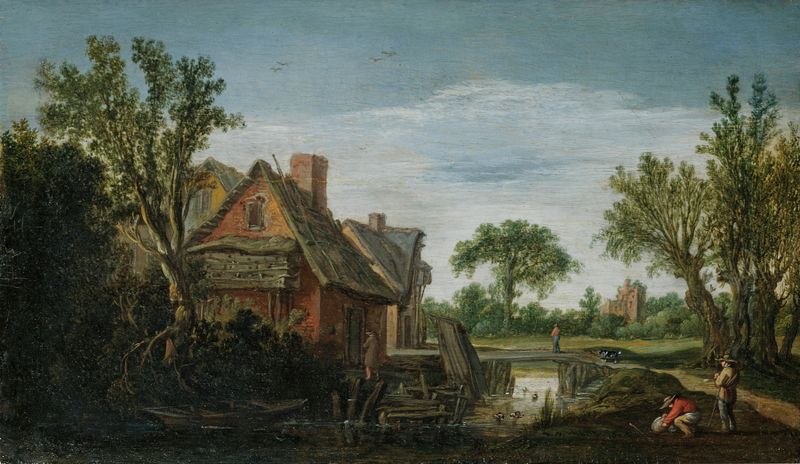
The Hague A Wooded River Landscape With Figures On A Path On A River Bank Beside A Village, A Bridge Beyond
Esaias van de Velde
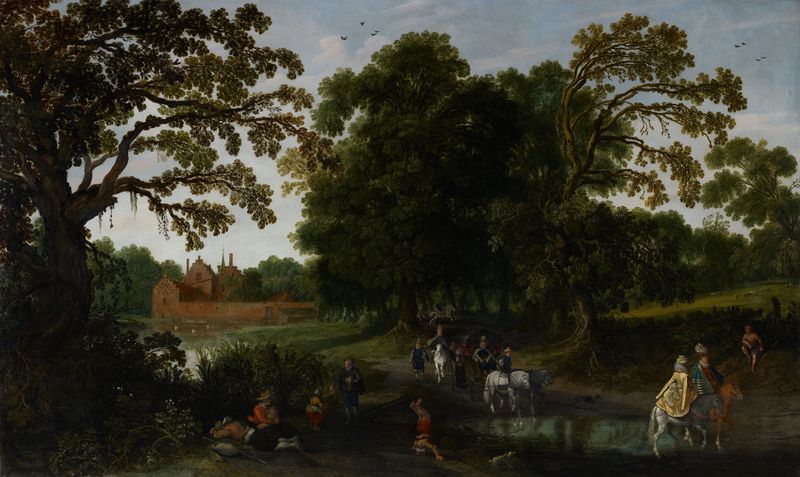
Courtly Procession before Abstpoel Castle
Esaias van de Velde
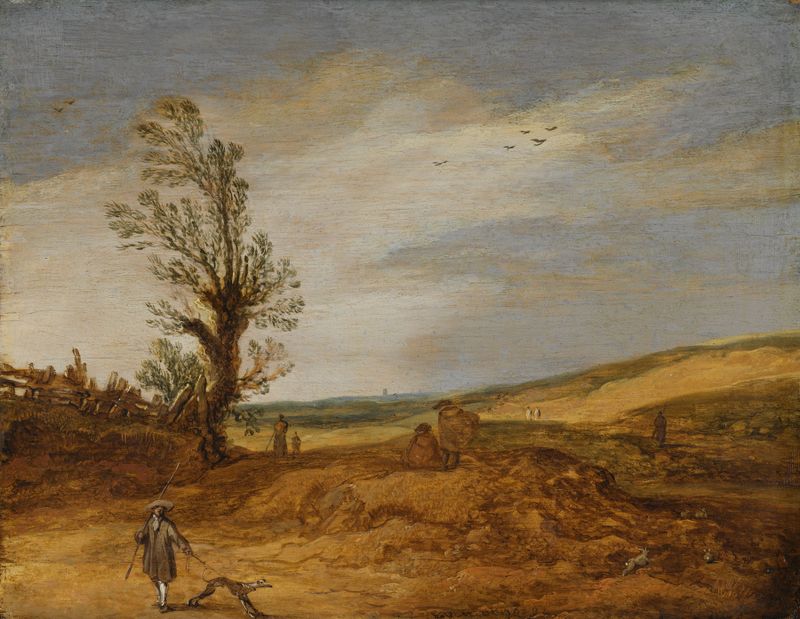
A View in the Dunes
Esaias van de Velde
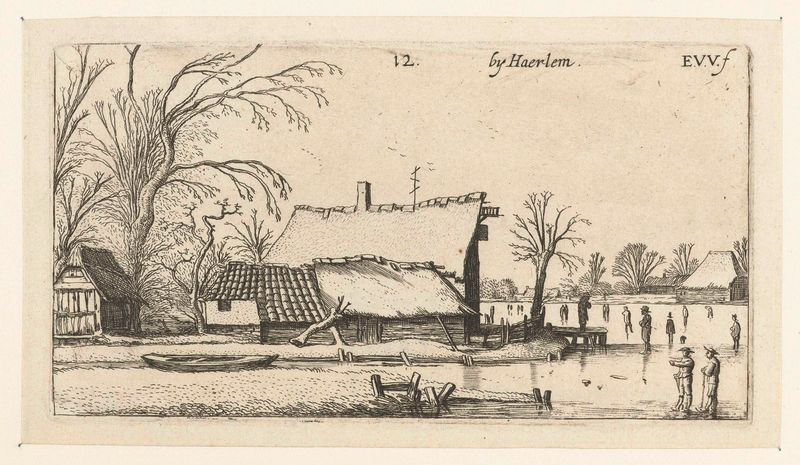
Boerderij bij een bevroren rivier met schaatsers
Esaias van de Velde
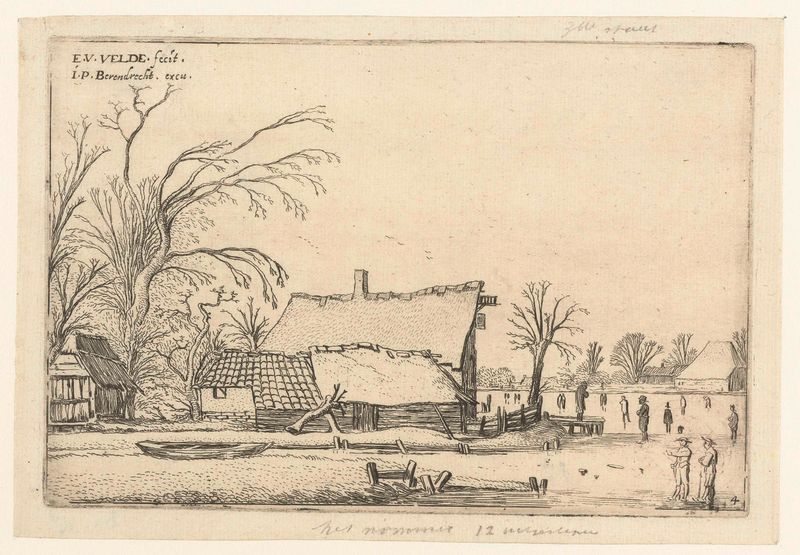
Boerderij bij een bevroren rivier met schaatsers
Esaias van de Velde
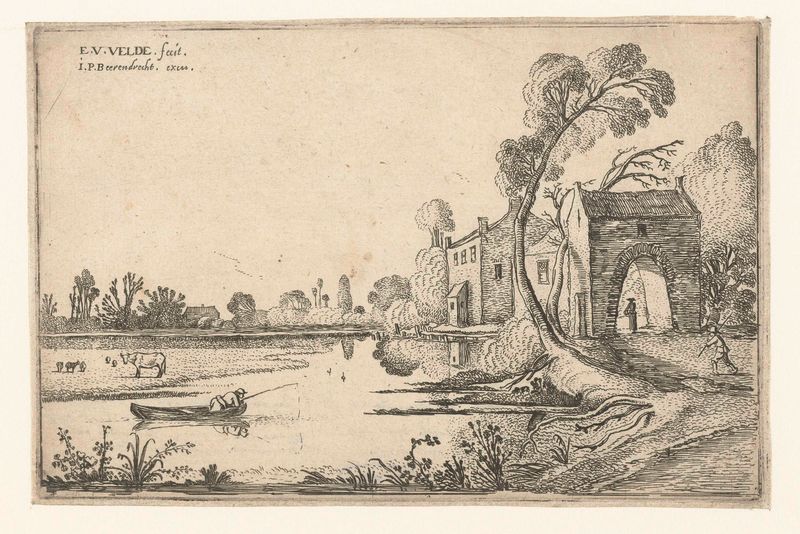
Landschap met rivier en poortgebouw
Esaias van de Velde
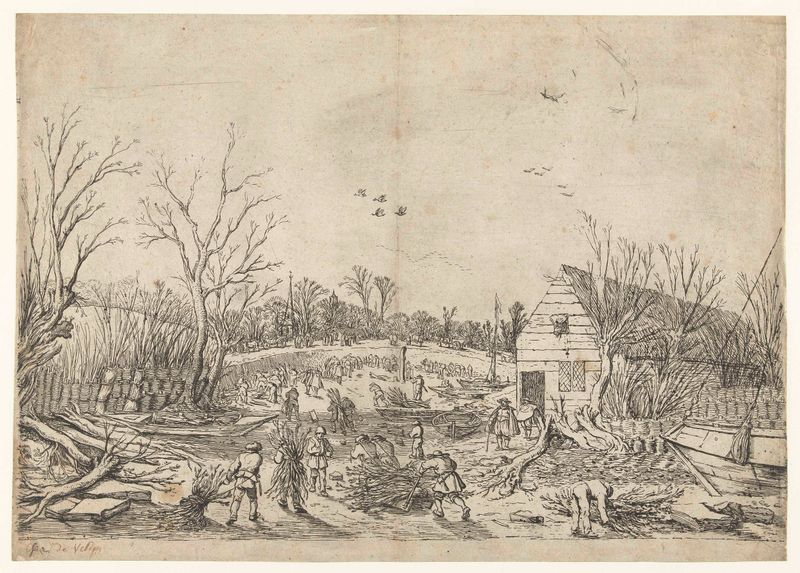
Herstelwerkzaamheden aan de doorgebroken Lekdijk bij 't Waal
Esaias van de Velde
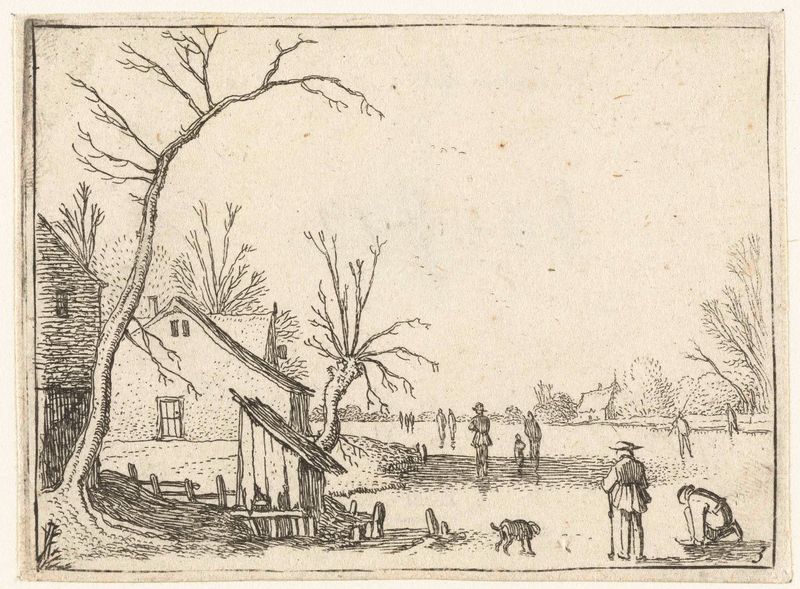
Boerderij bij bevroren rivier en schaatsers op het ijs
Esaias van de Velde
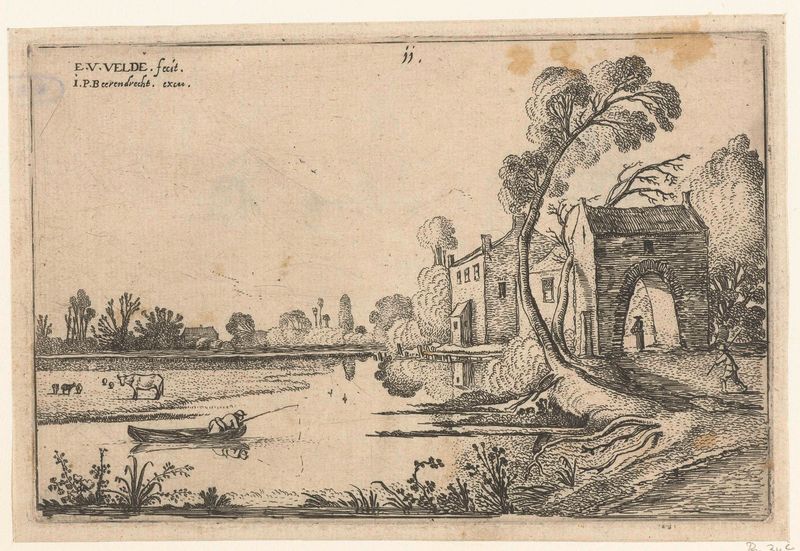
Landschap met een rivier en poortgebouw
Esaias van de Velde
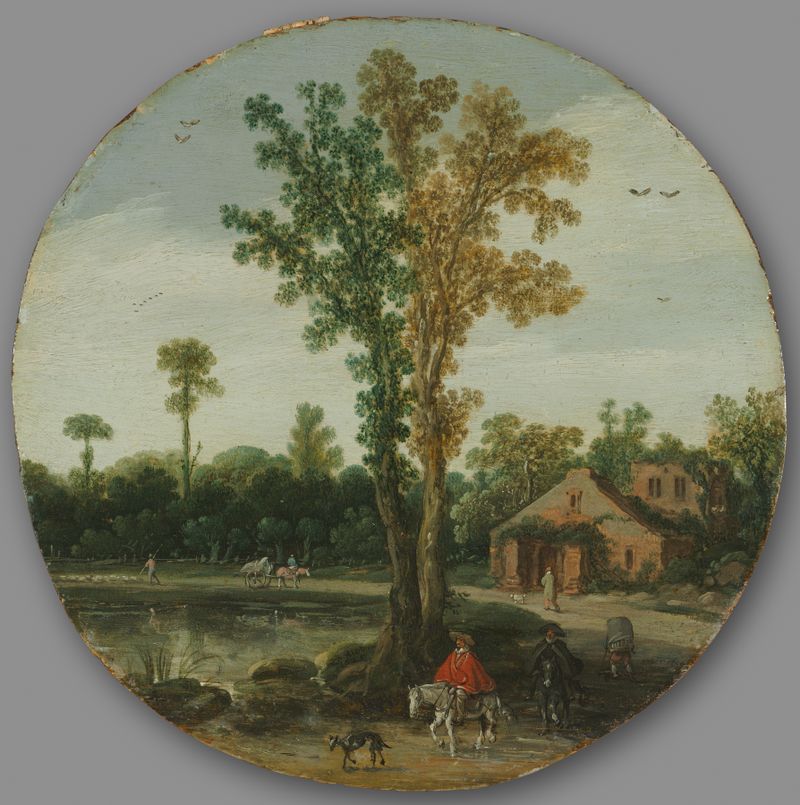
Travelers by a Lake
Esaias van de Velde





