Rural landscape with a rainbow — History & Analysis
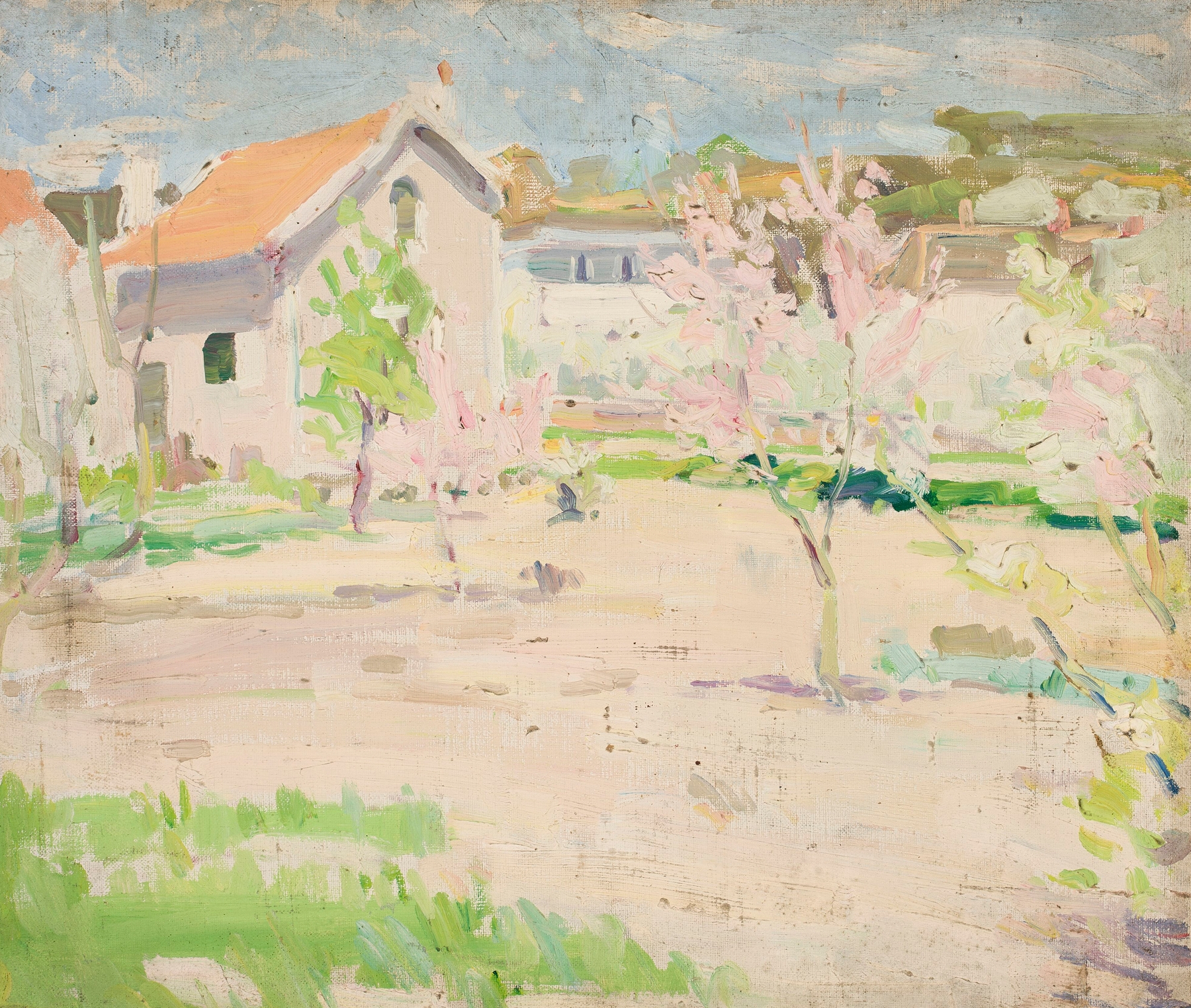
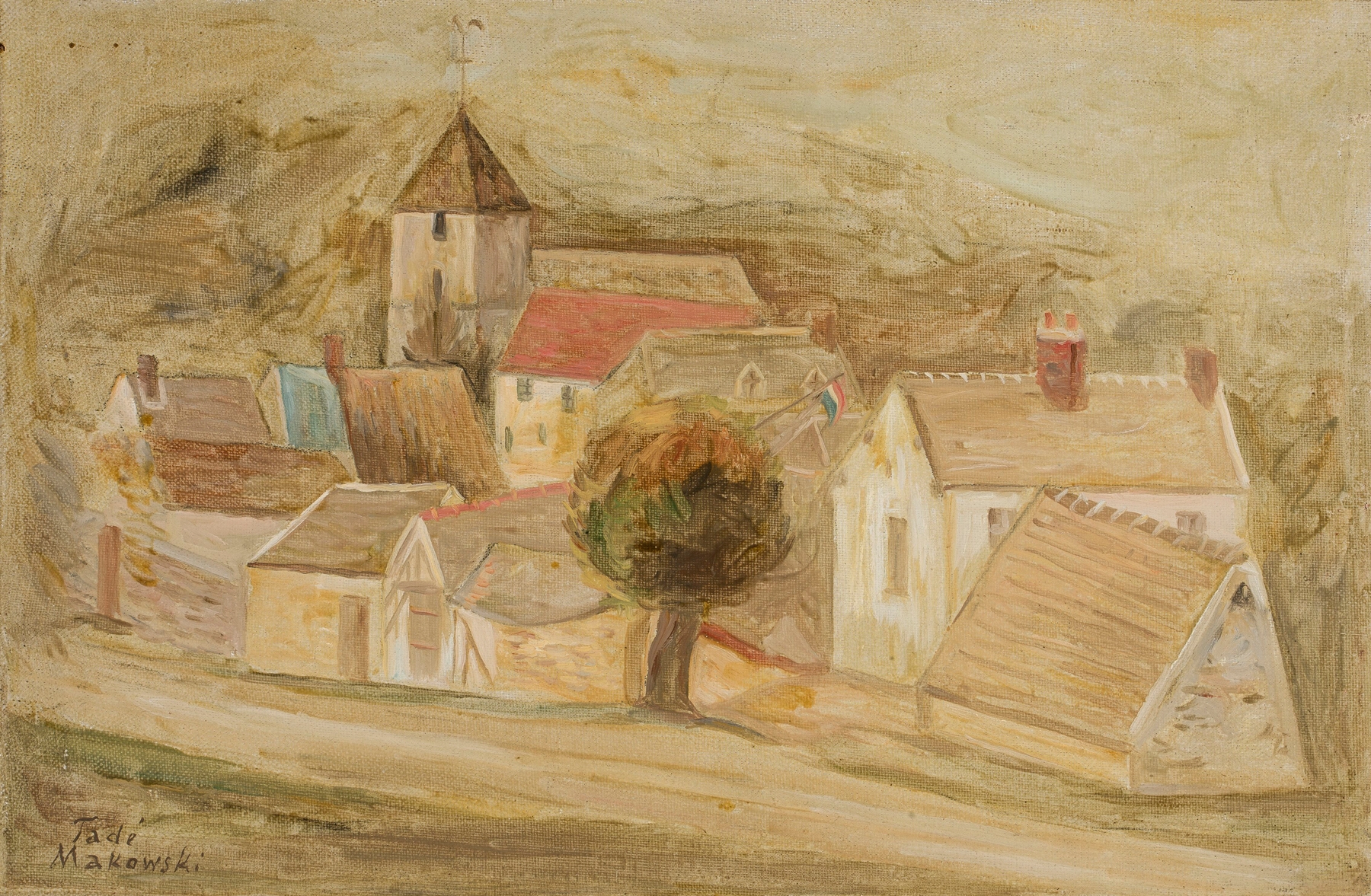
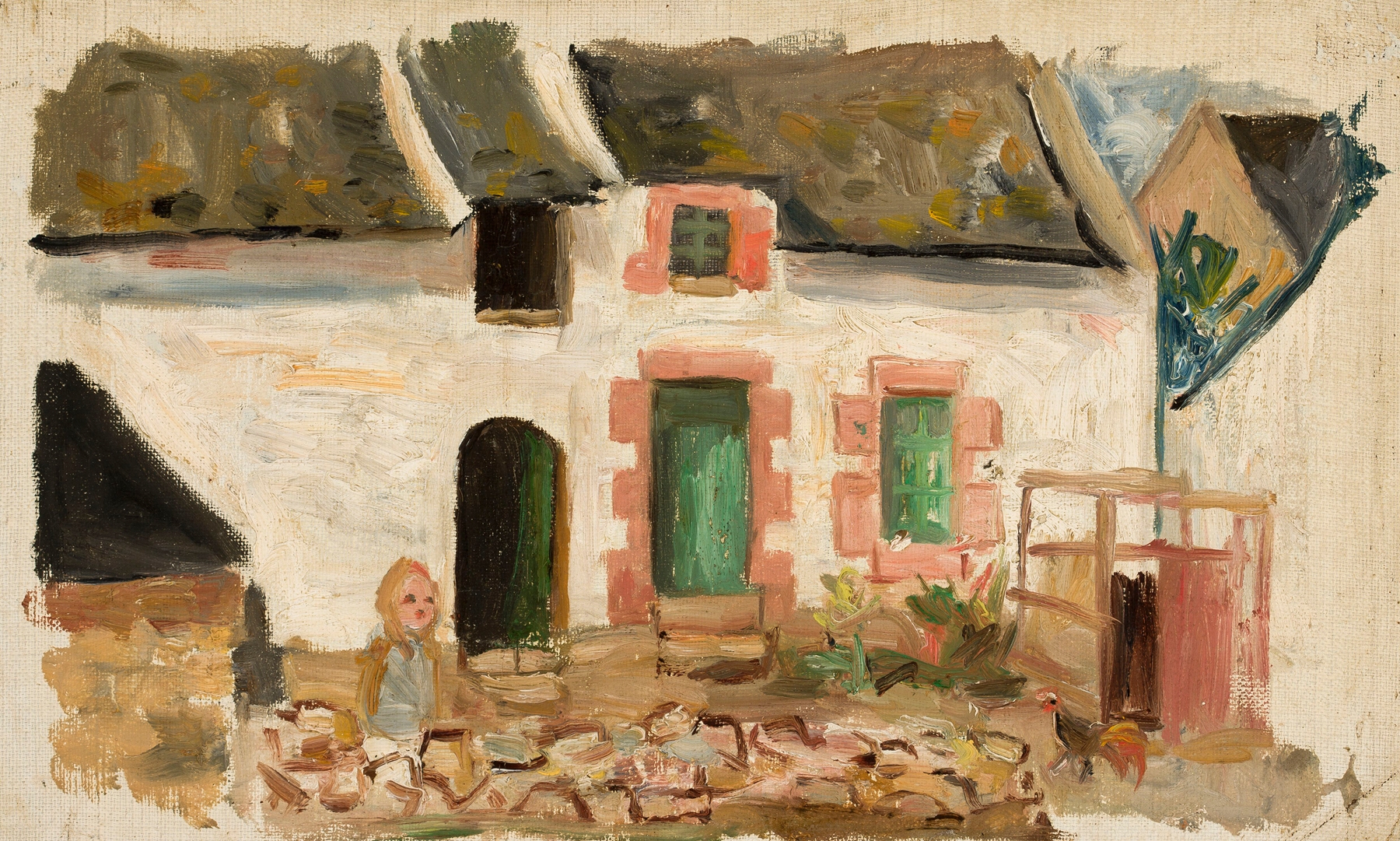
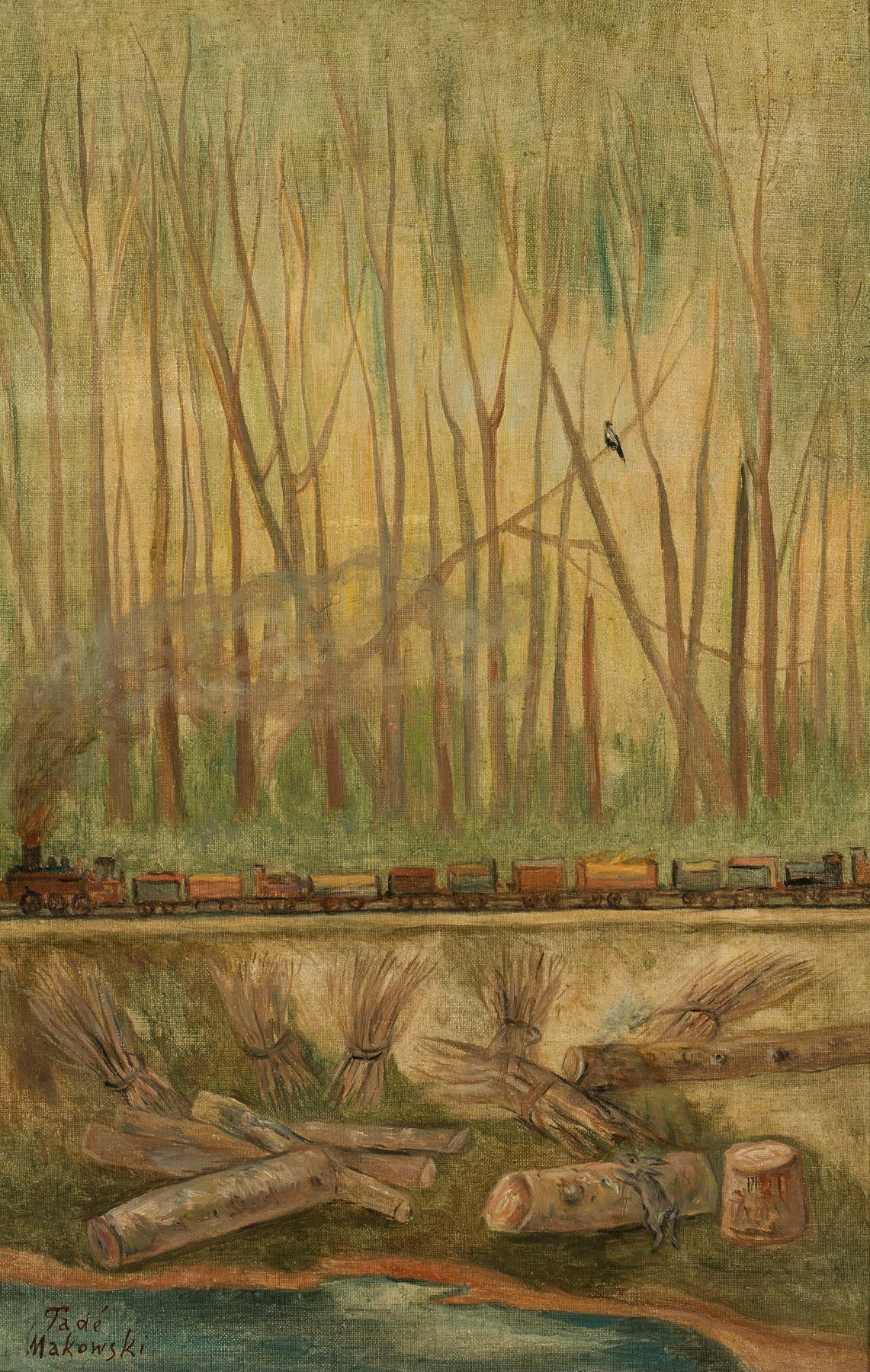
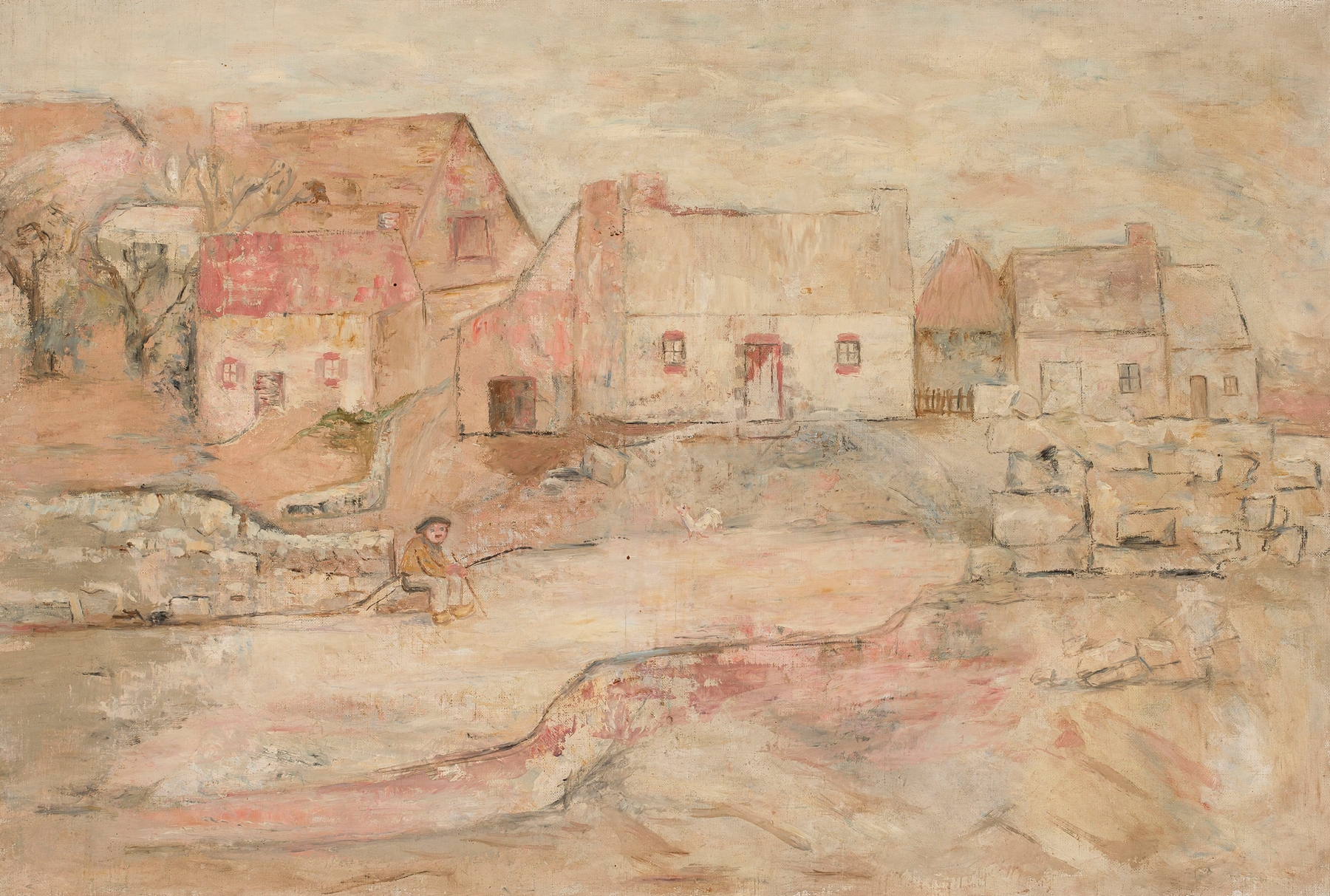
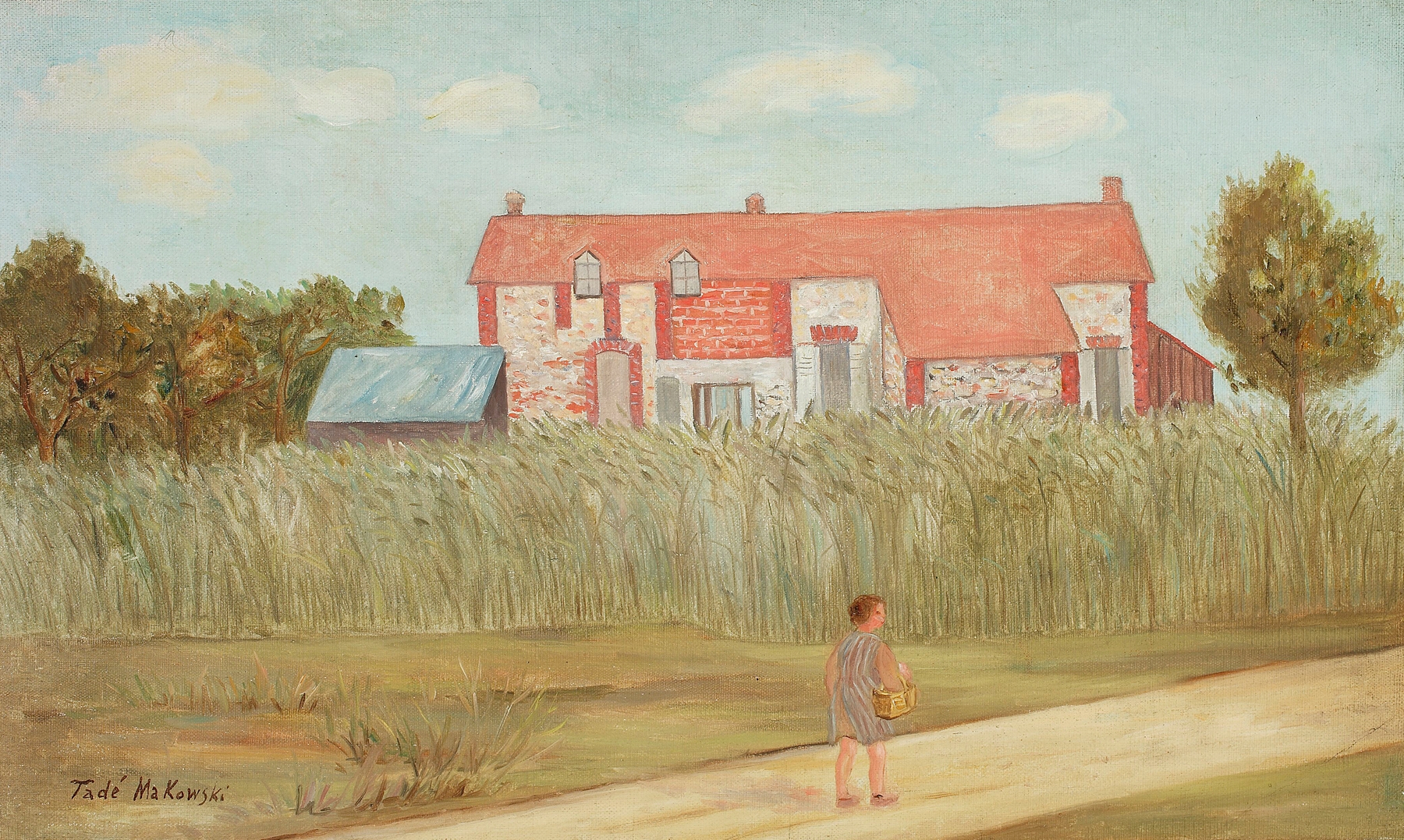
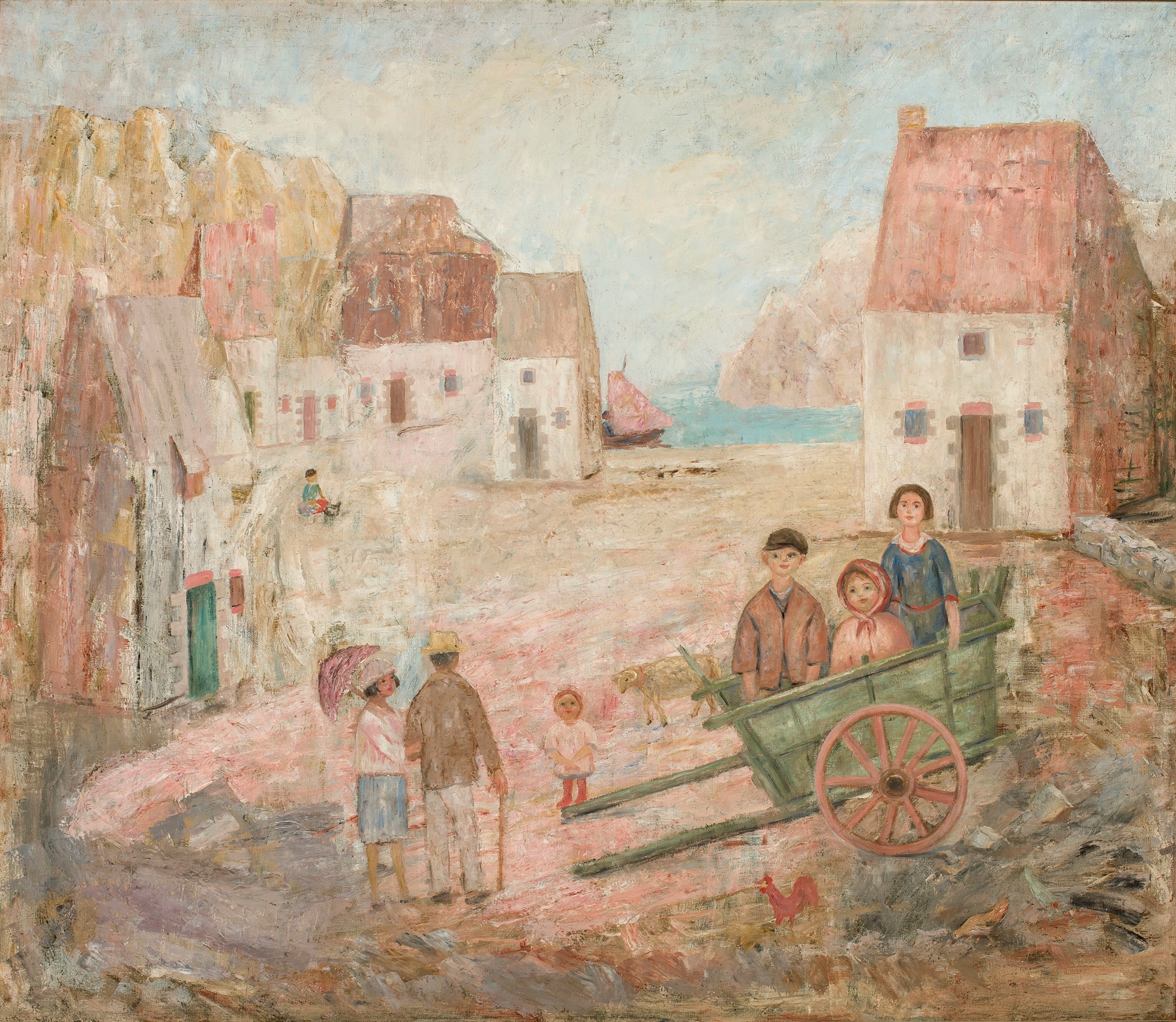
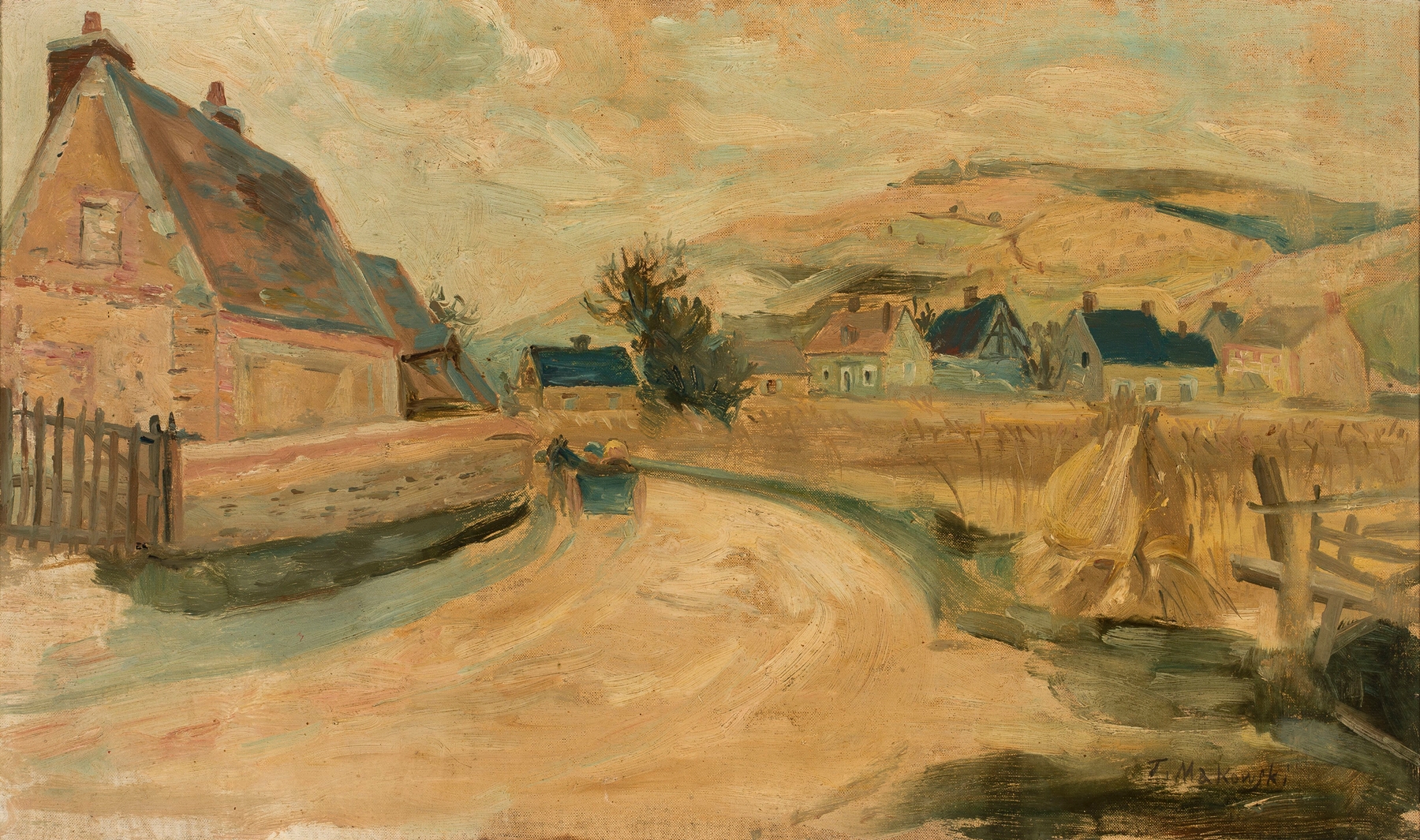
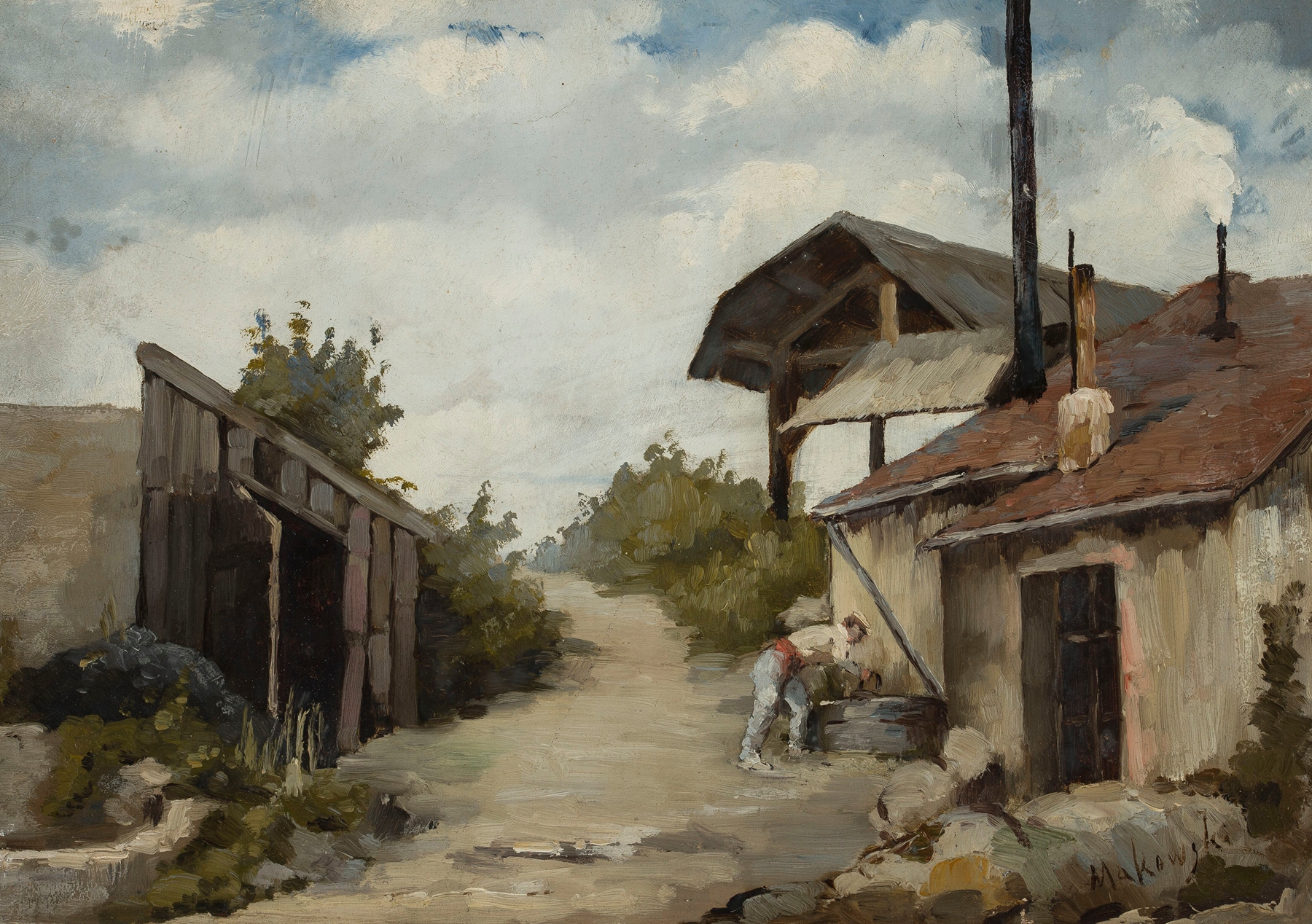
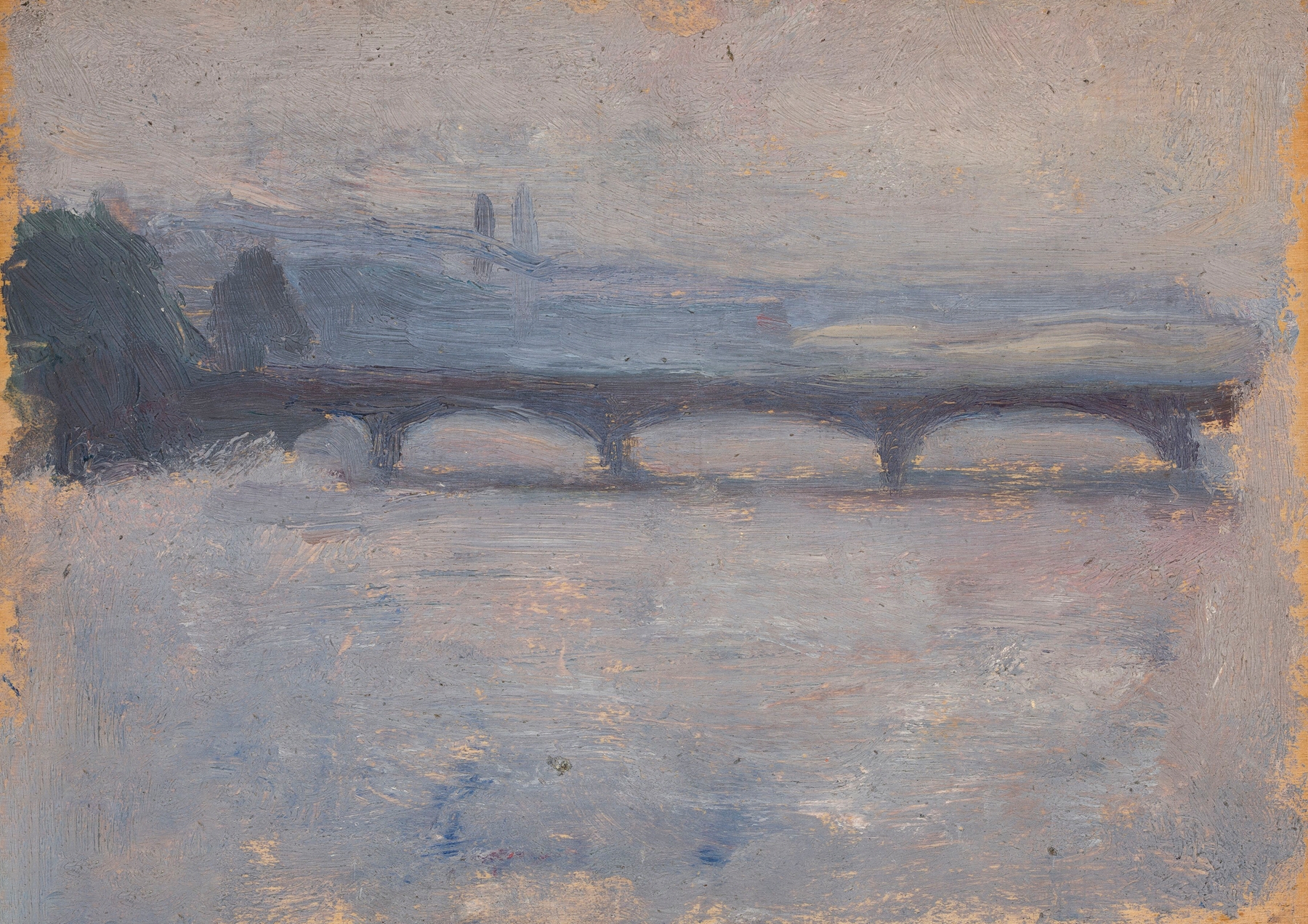
Where does light end, and longing begin? In the delicate interplay of shadow and hue, the answer lingers, inviting a closer look at transformation and the unseen. Focus on the vibrant arc of color that spans the canvas, where the rainbow emerges above the pastoral scenery. Notice how the lush greens of the fields contrast with the muted browns of the earth, creating a vivid tapestry of life.
The clouds, soft and billowing, cradle the spectrum of colors, while the gentle brushstrokes guide the viewer’s eye across the serene landscape, evoking a sense of peaceful anticipation. Yet, beneath the idyllic surface lies a tension between light and shadow. The rich tones of the land hint at labor and toil, memories that linger like the distant sounds of daily life. The rainbow, a symbol of hope, stands juxtaposed against the shadowy corners of the field, suggesting that even in beauty, there exists an undercurrent of yearning—an acknowledgment of what is often left unspoken in the countryside’s embrace.
In 1906, Tadeusz Makowski painted this work during a time of great personal and artistic development in Paris, where he immersed himself in the vibrant art scene. Emerging from a background of academic rigor, he began to explore his own identity and style, drawing inspiration from the captivating landscapes of his homeland. The artwork reflects not only his technical growth but also a deep connection to themes of nostalgia and the ephemeral nature of beauty.