
Rural landscape with the expulsion of Hagar and Ishmael (Genesis 21:14-21) — History & Facts
What draws the eye first is the quiet tension between the everyday and the extraordinary: a woman in red and green pauses at her chores, a dog sprawls contentedly at her feet, while, just beyond, a drama of exile and farewell unfolds in the golden light. The figures to the right—one gesturing, another shielding her face in grief, a child clinging at her side—are set slightly apart from the rustic bustle, their isolation heightened by the sunlit expanse and the looming, weathered house. The artist uses this separation to pull the viewer into the emotional heart of the scene, guiding the gaze from the calm domesticity in the foreground to the poignant departure in the middle distance.
The palette is warm, earthy, and full of the textures of rural life—fur, wood, stone, and foliage—while the sky, vast and luminous, seems to hold both the weight of sorrow and the promise of a new beginning. Painted in the 17th century by Abraham Bloemaert, this work belongs to a world where biblical stories were woven into the fabric of daily existence, rendered with the familiar faces and landscapes of the Dutch countryside. Such paintings were often commissioned for private devotion or as reminders of faith and endurance, their narratives dressed in the garb of the artist’s own time. The blend of sacred story and rural genre scene reflects the tastes and values of a society in which moral lessons were found in both scripture and the rhythms of peasant life.
Once held in the Getty museum’s collection from 1969 to 2006, this painting now stands as a testament to the era’s fascination with the intersection of the divine and the ordinary—inviting us to linger over every gesture, every shaft of light, and to imagine the lives that once moved through these painted spaces.
More Artworks by Abraham Bloemaert

Adam and Eve
Abraham Bloemaert
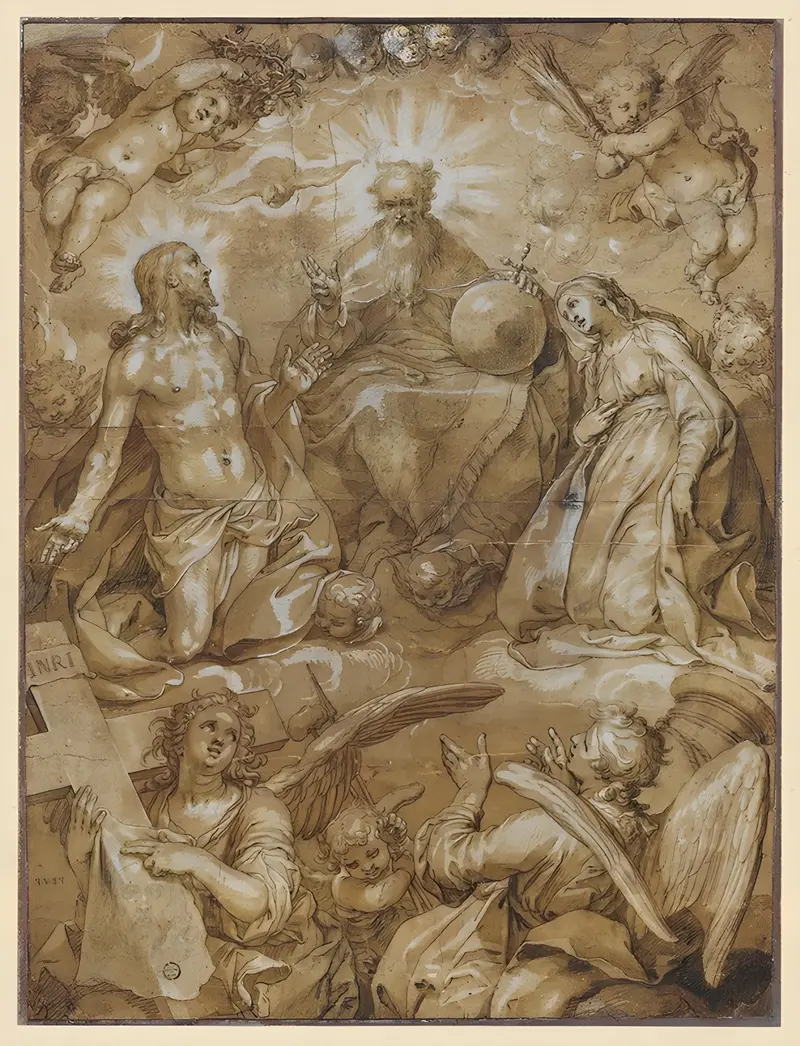
Intercession of Christ and Mary before God the Father
Abraham Bloemaert
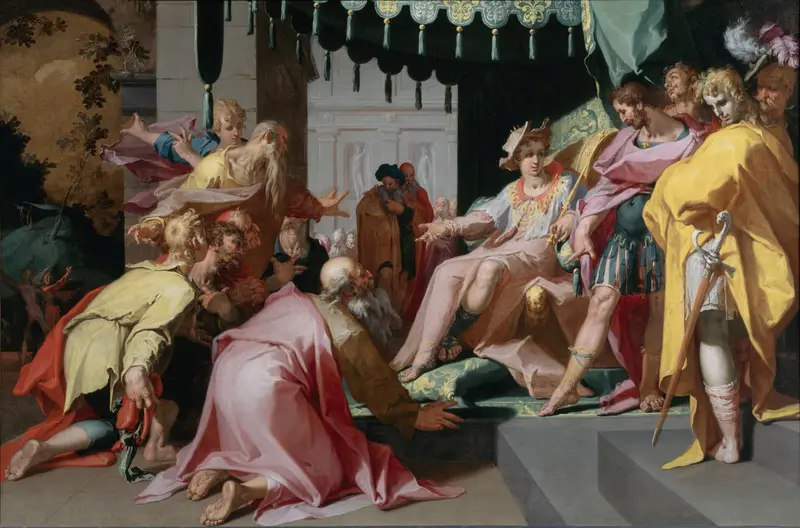
Joseph and his Brothers
Abraham Bloemaert
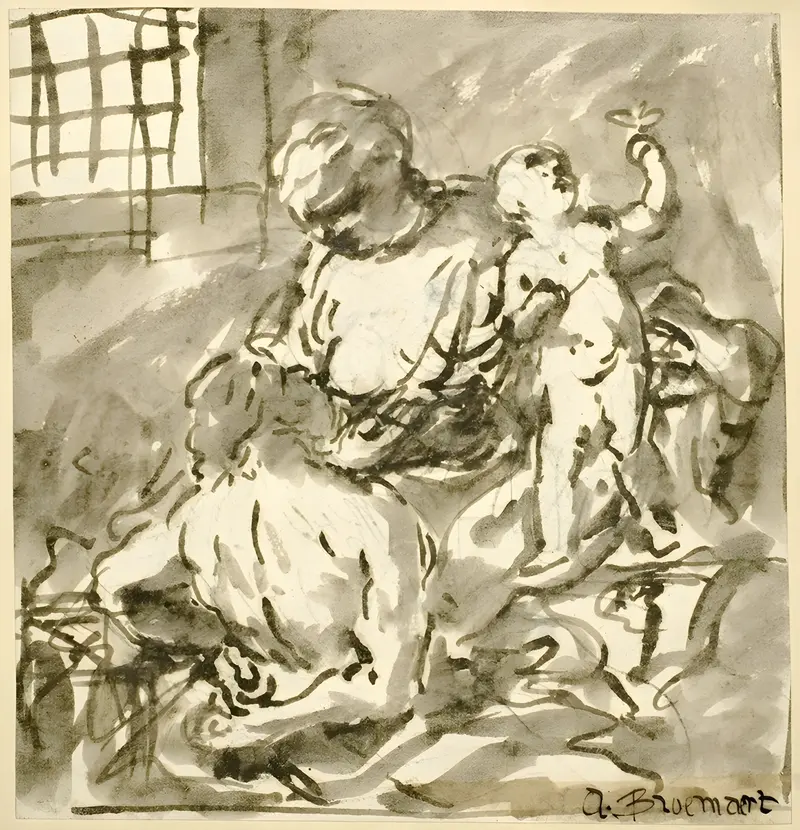
Caritas Romana
Abraham Bloemaert
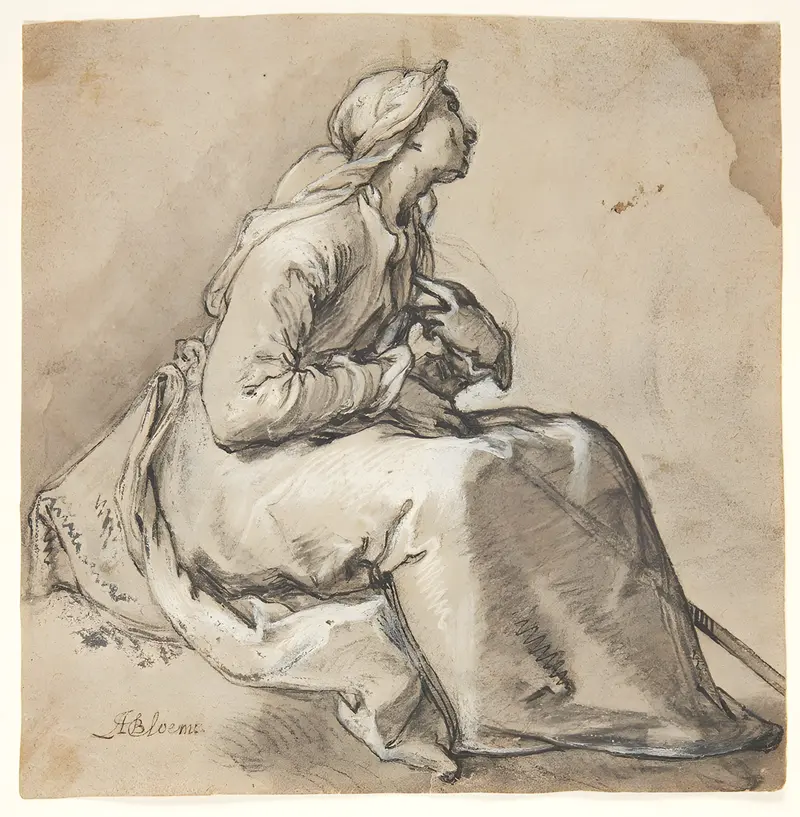
A seated woman facing right
Abraham Bloemaert
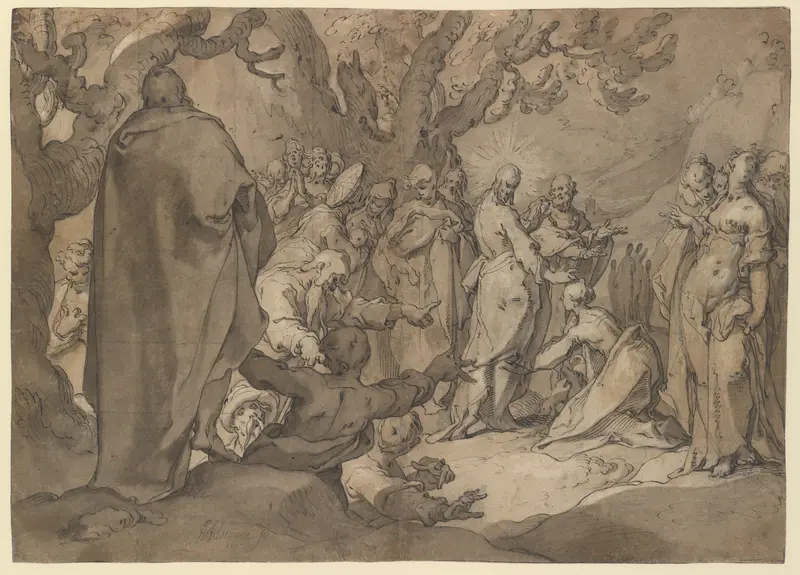
Christ and the Canaanite Women
Abraham Bloemaert
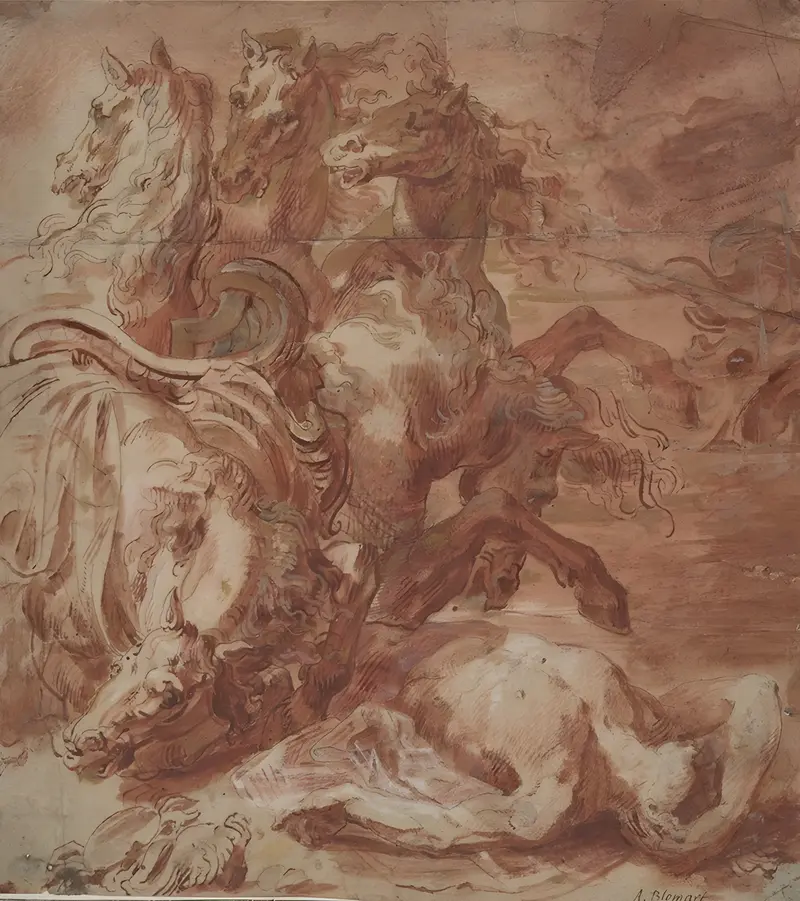
Hippolytus
Abraham Bloemaert
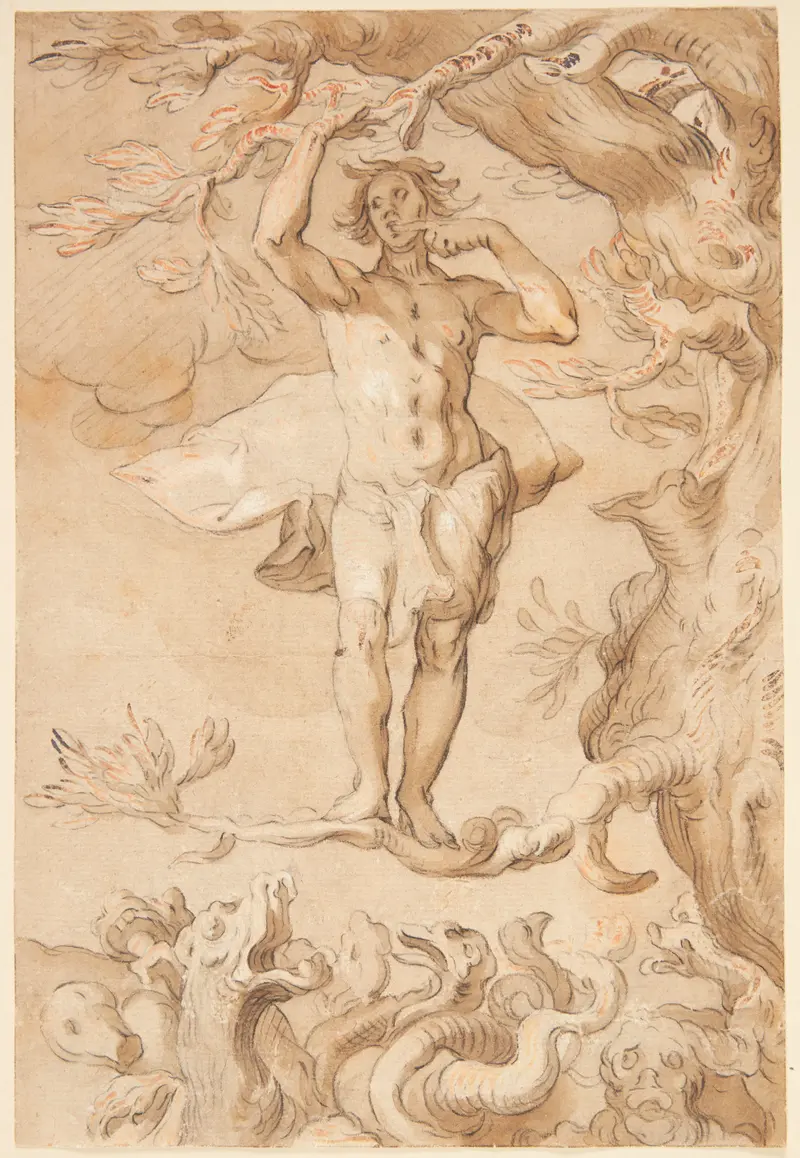
Den menneskelige glædes skrøbelighed En mand, der jages af en drage, klynger sig til en gren, mens han slikker honning af sin finger
Abraham Bloemaert

Moses Striking the Rock
Abraham Bloemaert
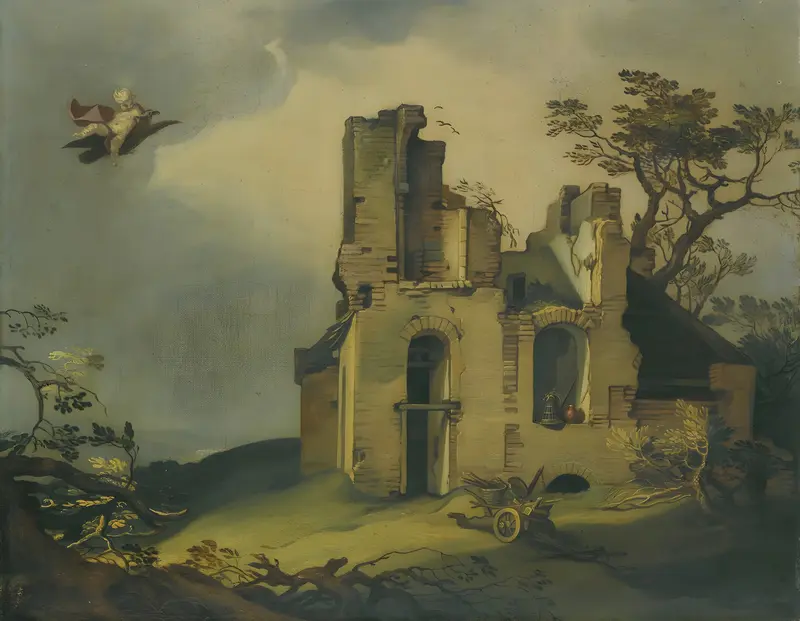
A Landscape With Ruins, With The Rape Of Ganymede
Abraham Bloemaert
More Landscape Art

The Starry Night
Vincent van Gogh

View of Delft
Johannes Vermeer

Water Lilies
Claude Monet

The Grand Canal, Venice, looking north-west from the Ca' Corner to the Ca' Contarini degli Scrigni, with the campanile of Santa Maria della Carità
Canaletto

Windsor Castle
Canaletto

The Grand Canal looking North-East from the Palazzo Dolfin-Manin to the Rialto Bridge
Canaletto