
Rustic Contentment — History & Facts
In the stillness of forgotten places, decay breathes life into landscapes, whispering tales of memories and quiet resilience. Focus on the gentle undulations of the hillside, where the verdant greens meld seamlessly into soft, earthy browns. Notice how the dappled light filters through the branches, casting a warm glow on the weathered cottages nestled among the trees. The tender brushwork invites the viewer to trace the contours of the land, evoking a sense of intimacy and timelessness that permeates the scene. Hidden within this pastoral paradise lies a poignant duality: the beauty of nature’s bounty, intertwined with the inevitable passage of time.
The crumbling walls of the cottages suggest lives once vibrant, now softened under nature’s embrace. Here, decay is not a symbol of loss but rather a testament to the enduring spirit of a simpler existence, where the past coexists harmoniously with the present. Samuel Palmer painted this work during the early 19th century, a time when he was deeply influenced by the Romantic movement's focus on nature and emotion. Living in London, he sought refuge in the English countryside, reflecting a desire to connect with a world untouched by industrialization.
This longing for tranquility and authenticity is beautifully captured in Rustic Contentment, embodying both the artist's personal journey and the broader search for meaning in a rapidly changing society.
More Artworks by Samuel Palmer
Browse all →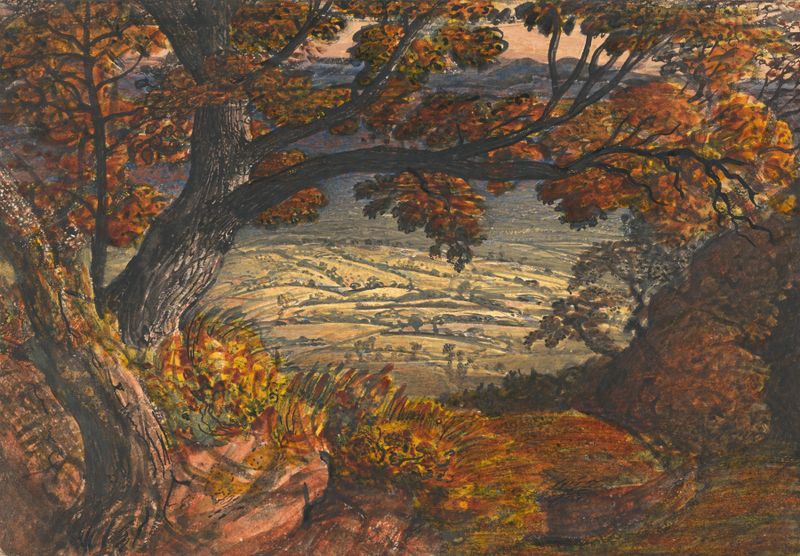
The Weald of Kent
Samuel Palmer
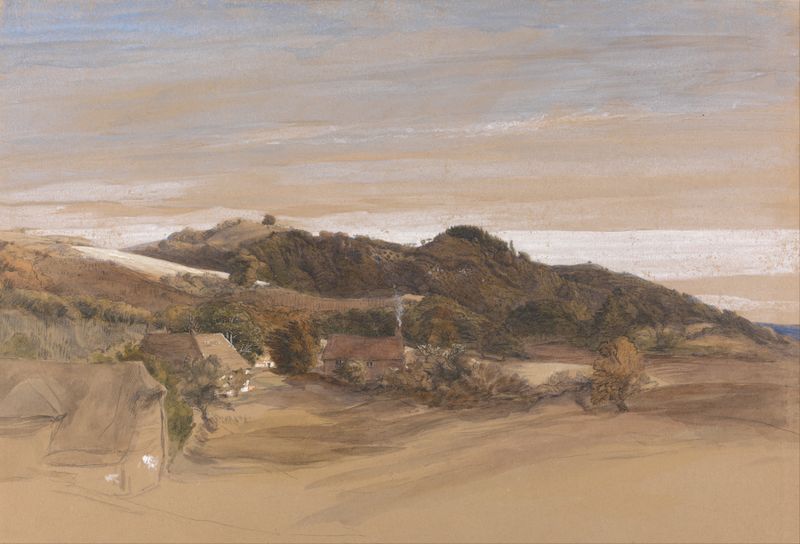
Underriver Hills, near Sevenoaks, Kent, from the Grounds of J. Herries, Esq.
Samuel Palmer
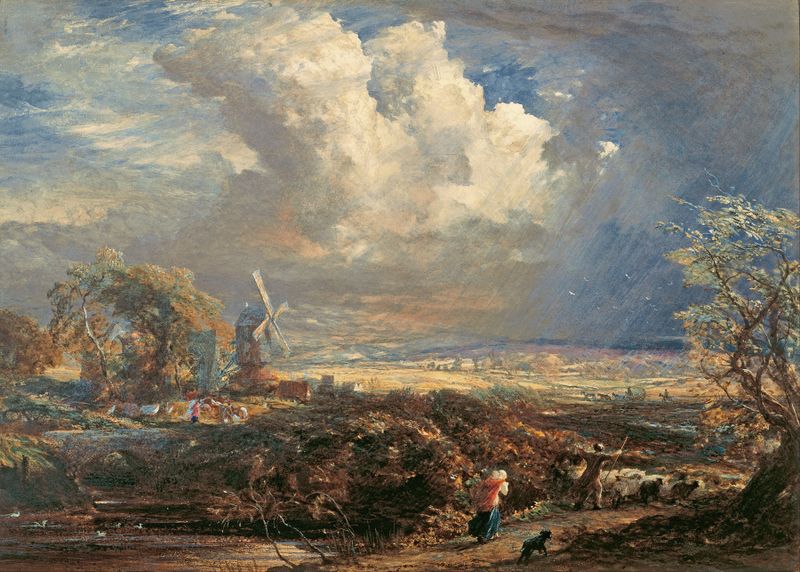
Summer Storm near Pulborough, Sussex
Samuel Palmer
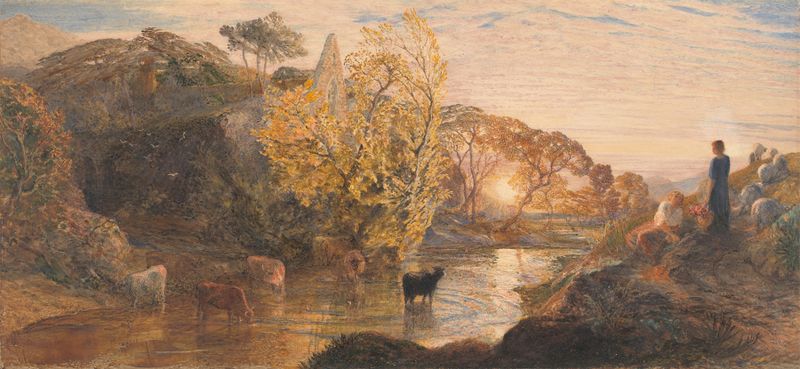
Tintern Abbey at Sunset
Samuel Palmer
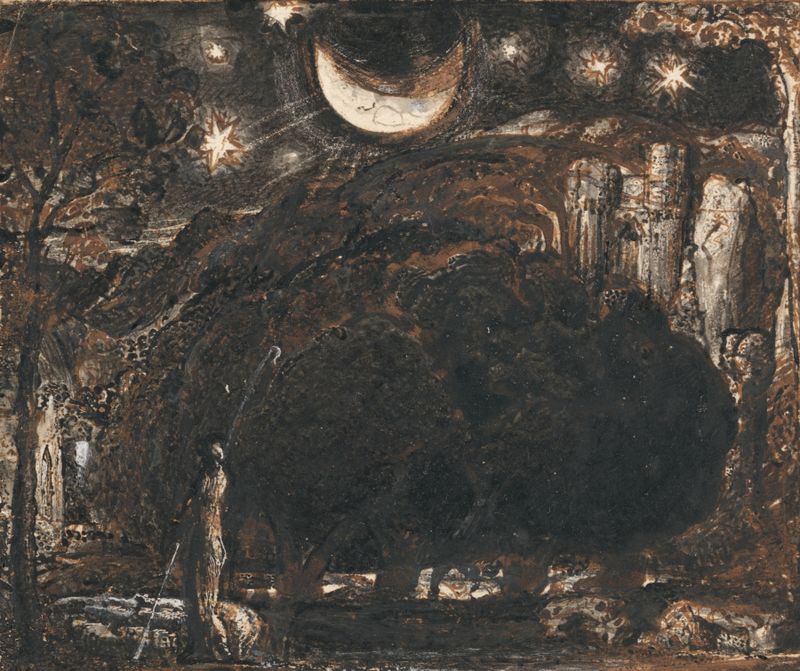
A Shepherd and his Flock under the Moon and Stars
Samuel Palmer
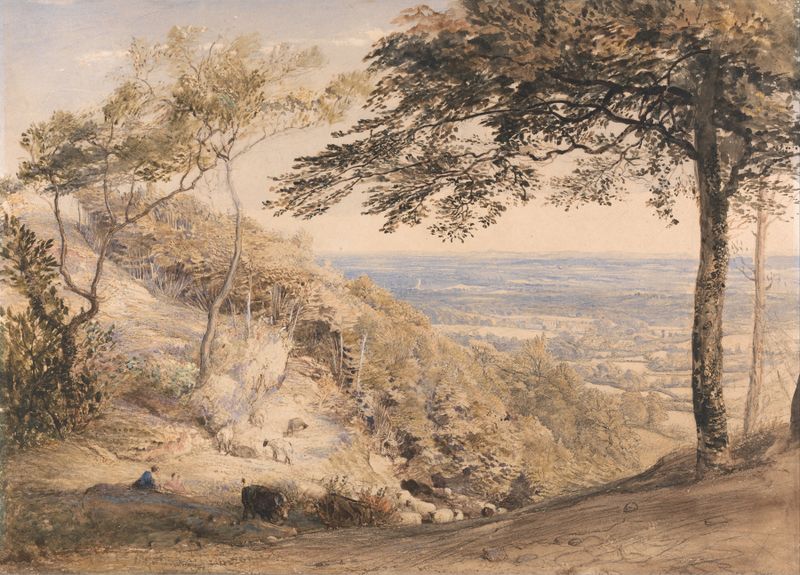
Wilmot’s Hill, Kent
Samuel Palmer
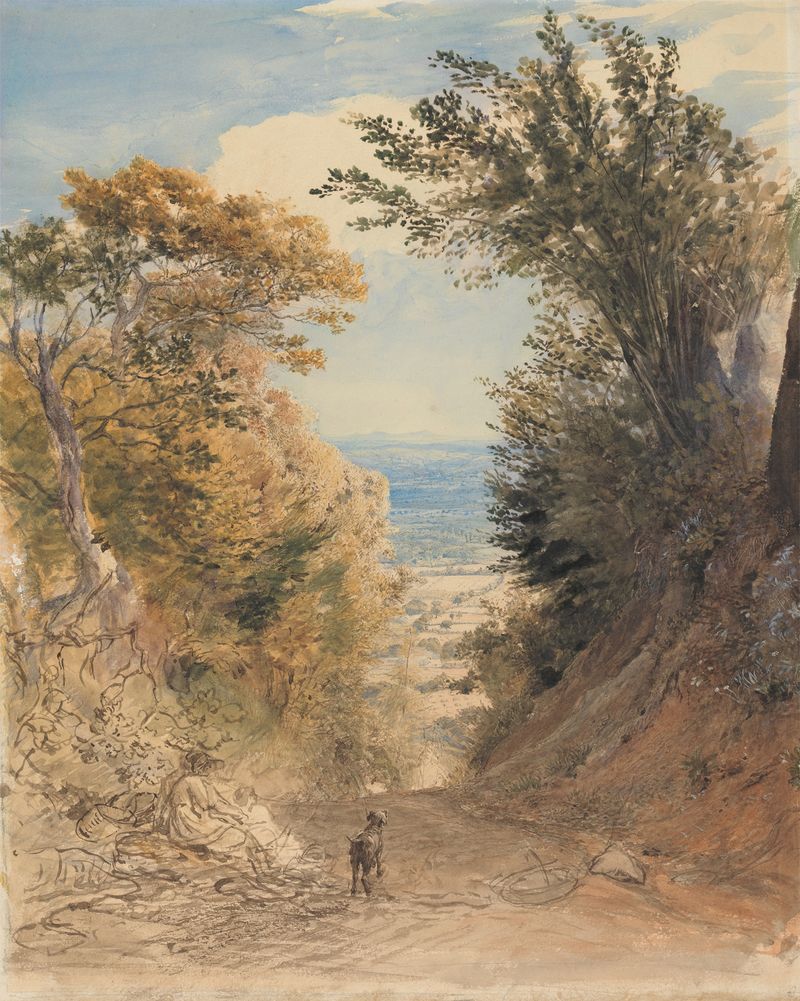
View from Rook’s Hill, Kent
Samuel Palmer
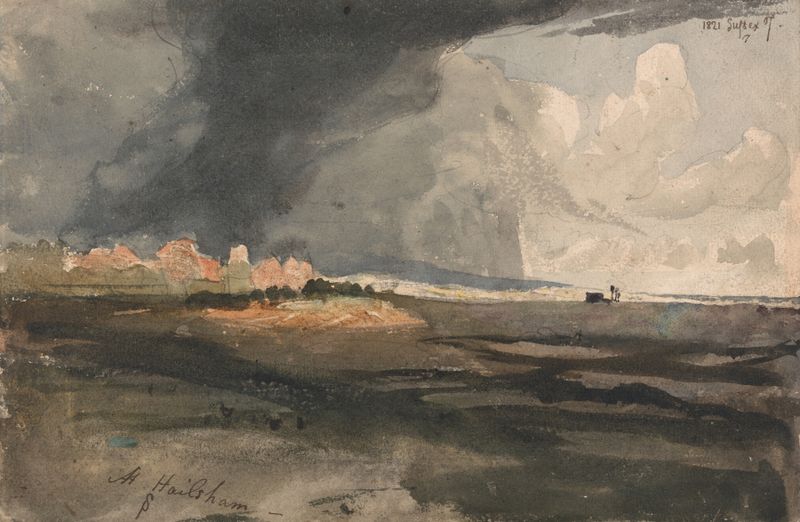
At Hailsham, Sussex; a Storm Approaching
Samuel Palmer
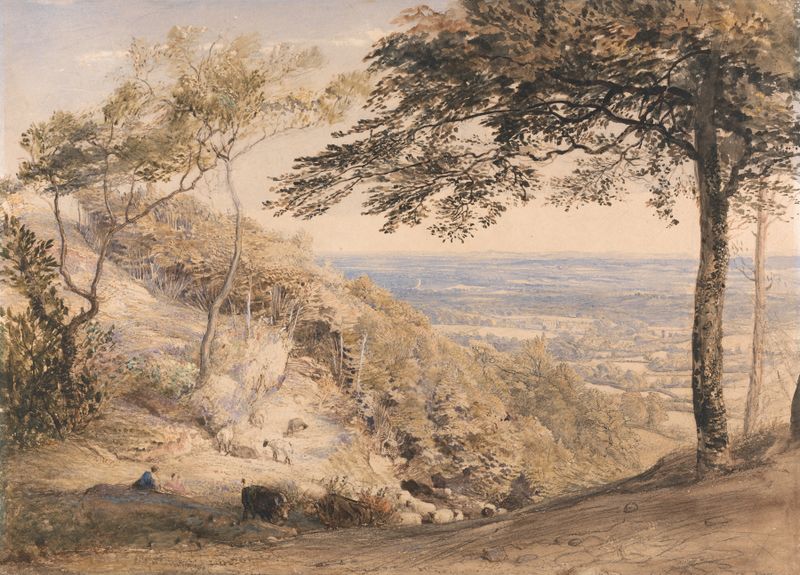
Wilmot’s Hill, Kent
Samuel Palmer
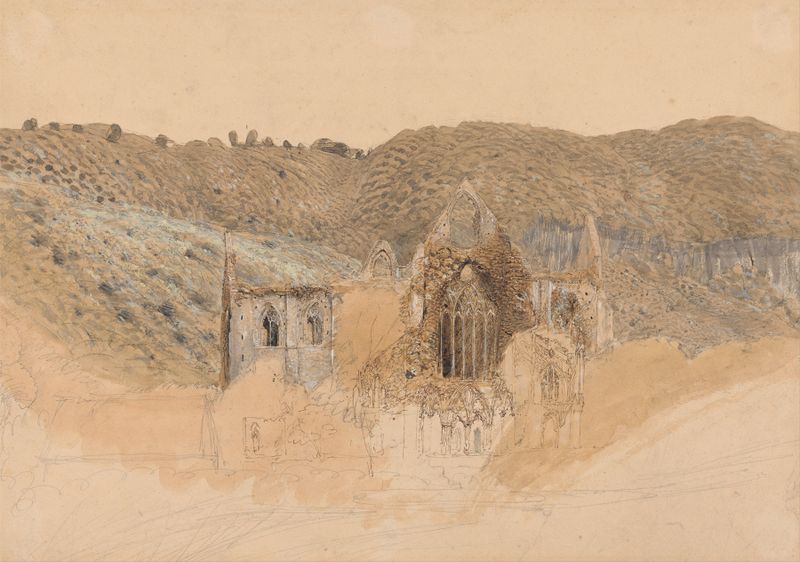
Tintern Abbey
Samuel Palmer





