
Saint Cecilia — History & Facts
A hush of music seems to hang in the air, and the garden is thick with roses and secrets. At the heart of the scene, a young woman sits serenely, her eyes closed as if listening to a melody only she can truly hear. Two angelic figures kneel before her, one playing a violin, the other guiding her hand, their wings and golden halos quietly marking the moment as sacred.
The open illuminated manuscript on her lap glows with color, hinting at a world of devotion and song. Light pools softly on her white and gold gown, leading the eye from the lush grass and scattered blossoms up to her tranquil face, while the distant harbor—filled with ships and blue mountains—suggests a world beyond, just out of reach. Painted in 1895 by John William Waterhouse, this Saint Cecilia belongs to a moment when late Victorian artists were drawn to the romance of saints, legends, and the ancient world. Works like this, often created for private collectors or as illustrations for art books, offered viewers a retreat into beauty and contemplation at a time of rapid social change.
The Pre-Raphaelite movement, with which Waterhouse is often associated, prized vivid color, natural detail, and a sense of poetic narrative. Though history has kept few traces of this specific painting’s journey, its lush garden and musical reverie invite us to linger, listening for the music that seems to echo just beyond the frame.
More Artworks by John William Waterhouse
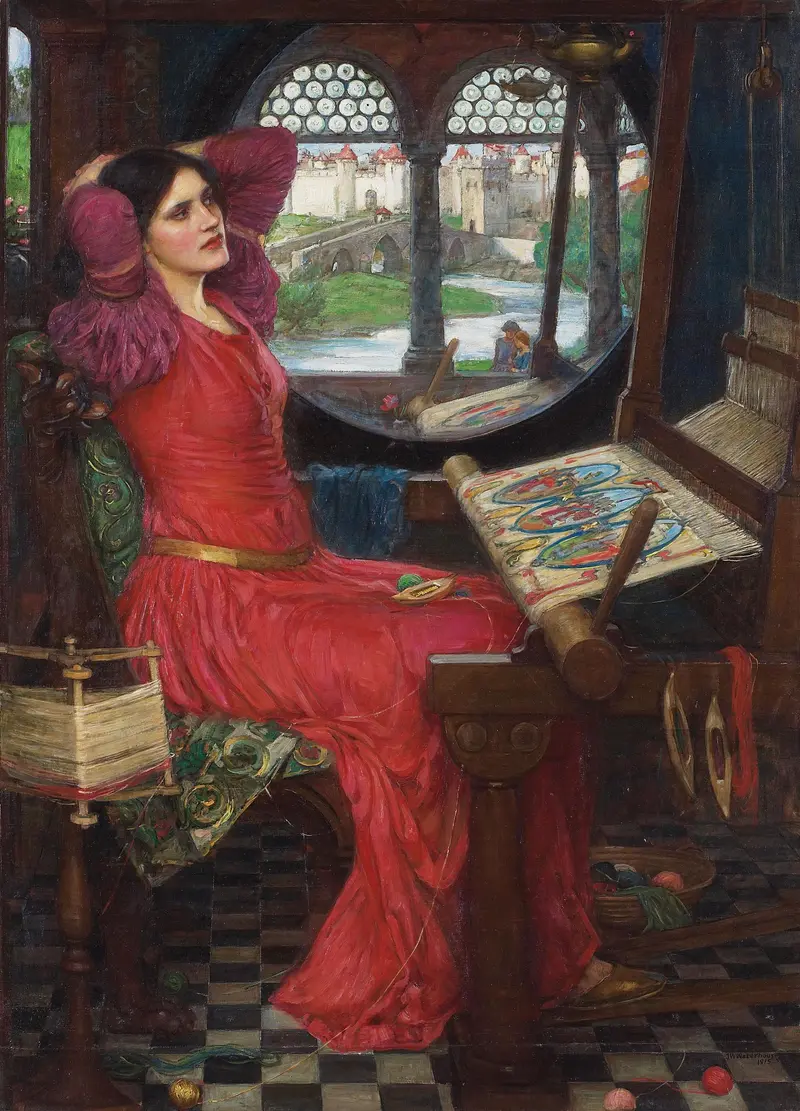
'I Am Half-Sick of Shadows,' Said the Lady of Shalott
John William Waterhouse

The Favourites of the Emperor Honorius, 1883
John William Waterhouse
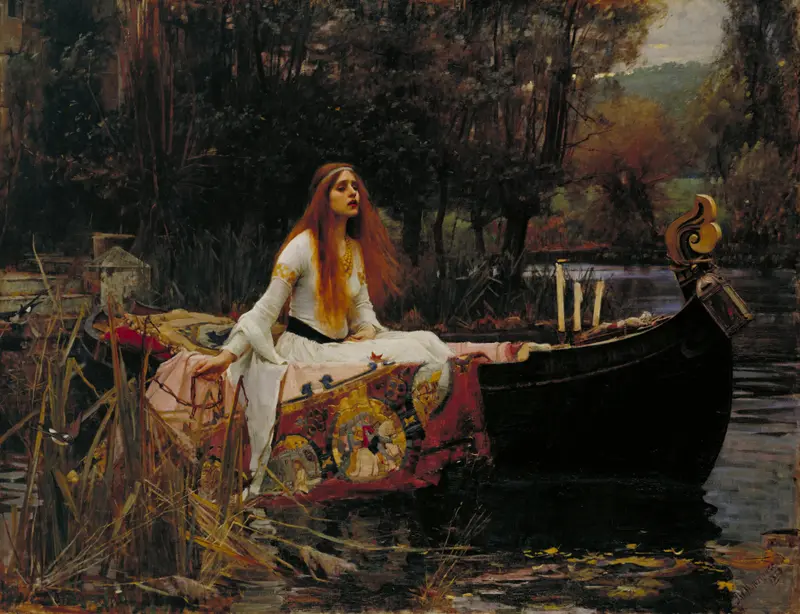
The Lady of Shalott
John William Waterhouse
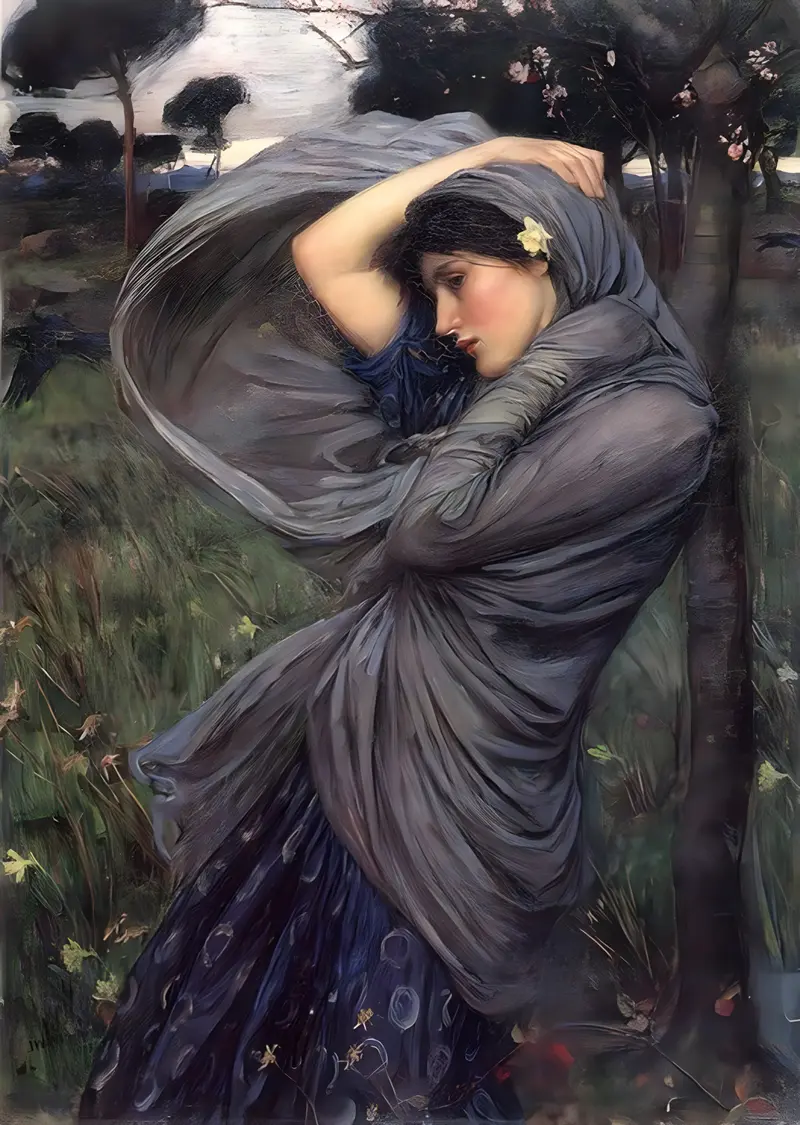
Boreas
John William Waterhouse
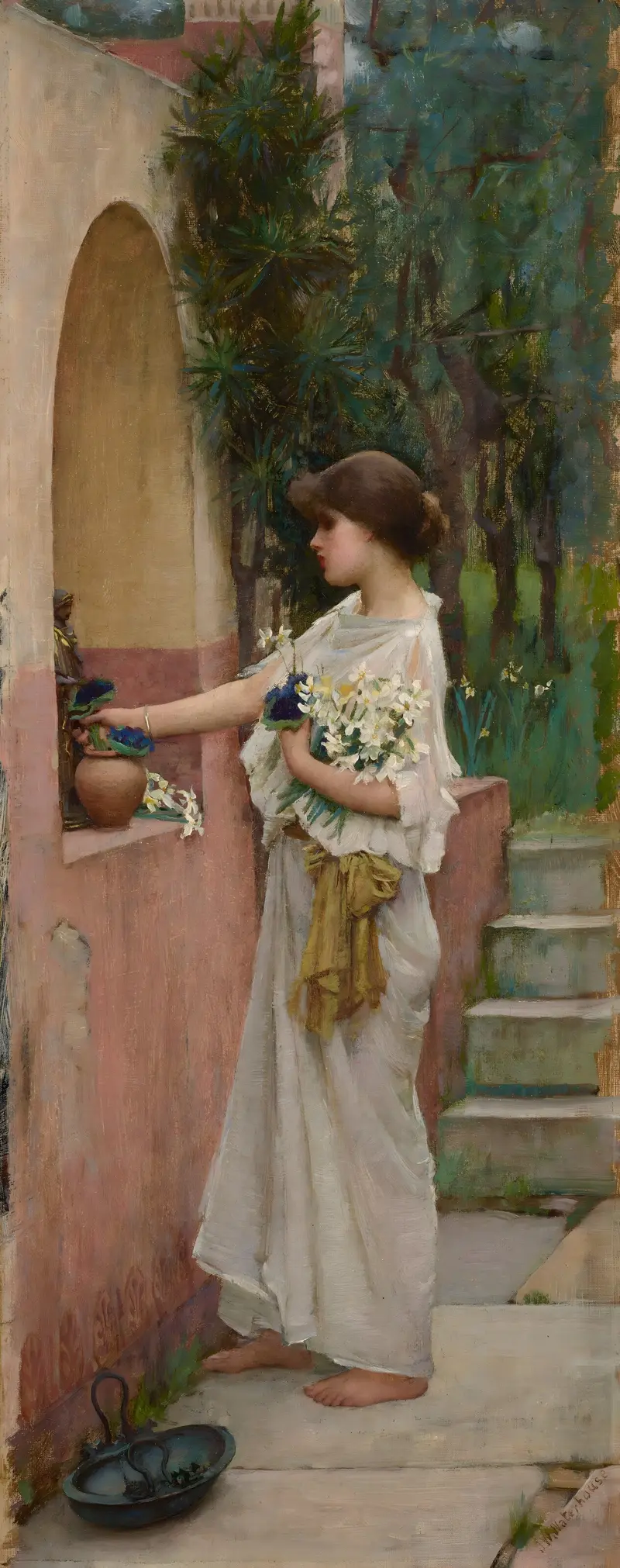
A Roman Offering
John William Waterhouse
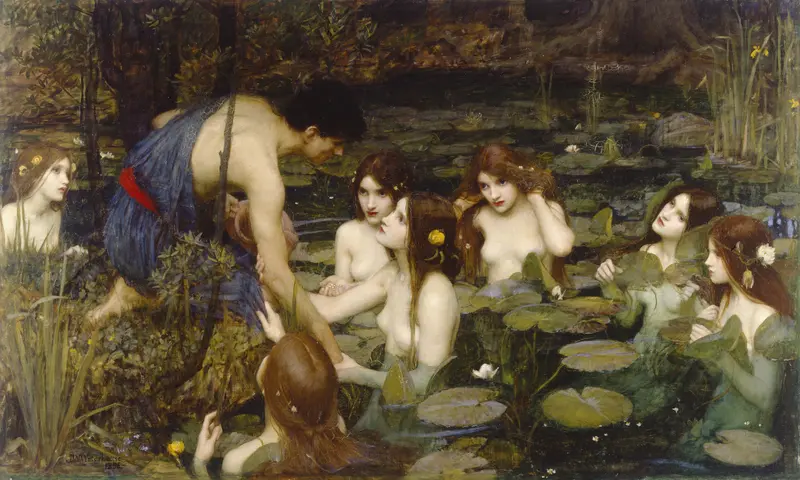
Hylas and the Nymphs
John William Waterhouse
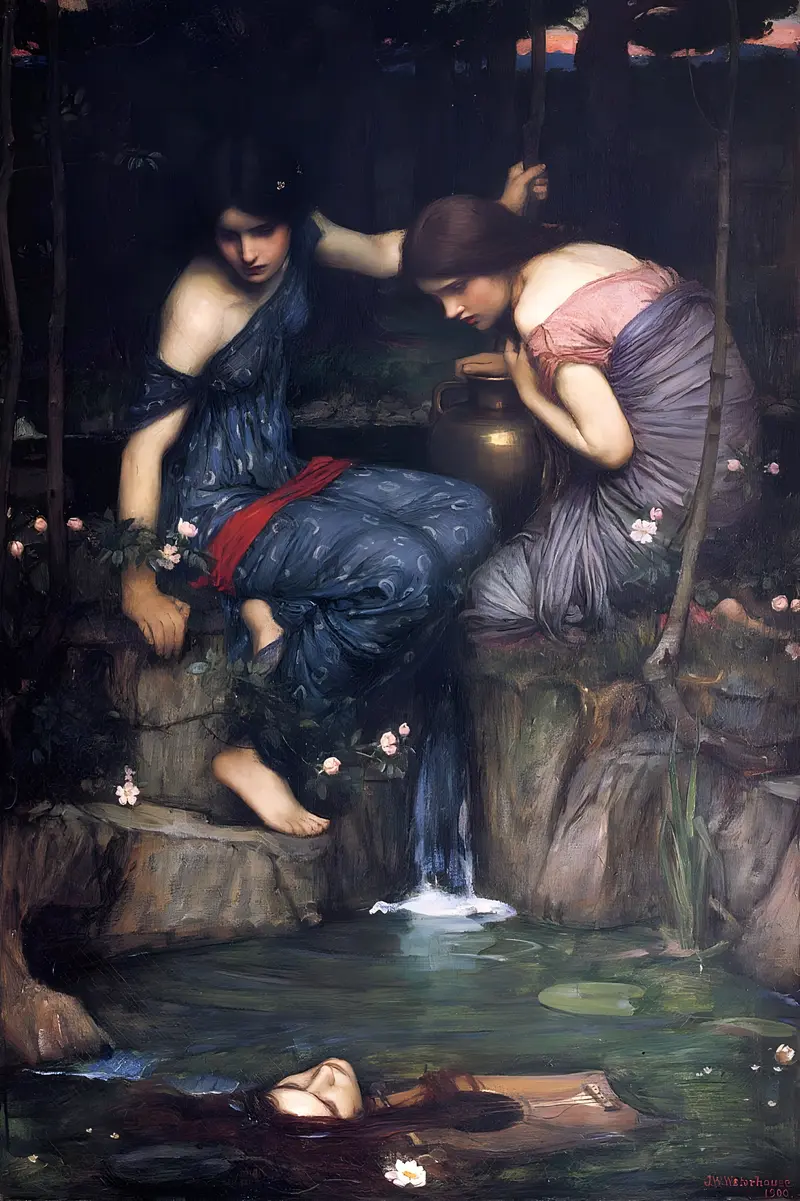
Nymphs Finding the Head of Orpheus
John William Waterhouse
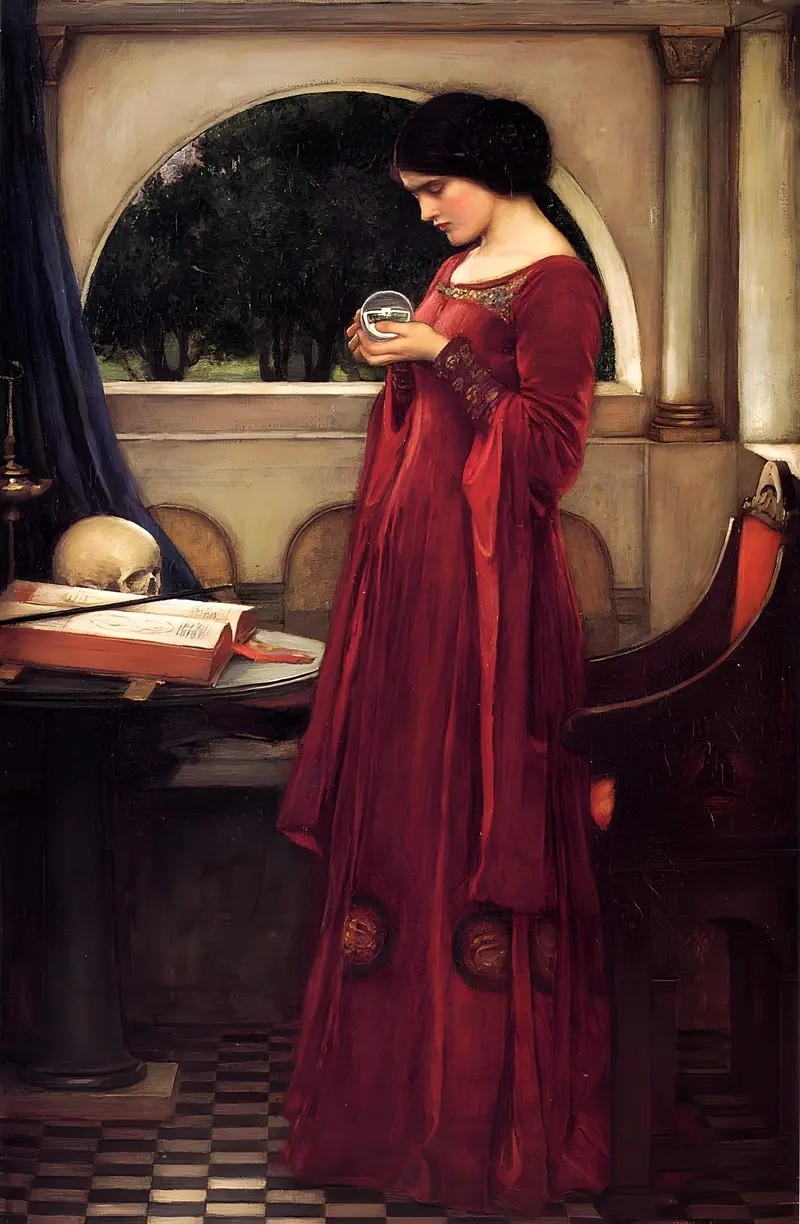
The Crystal Ball
John William Waterhouse
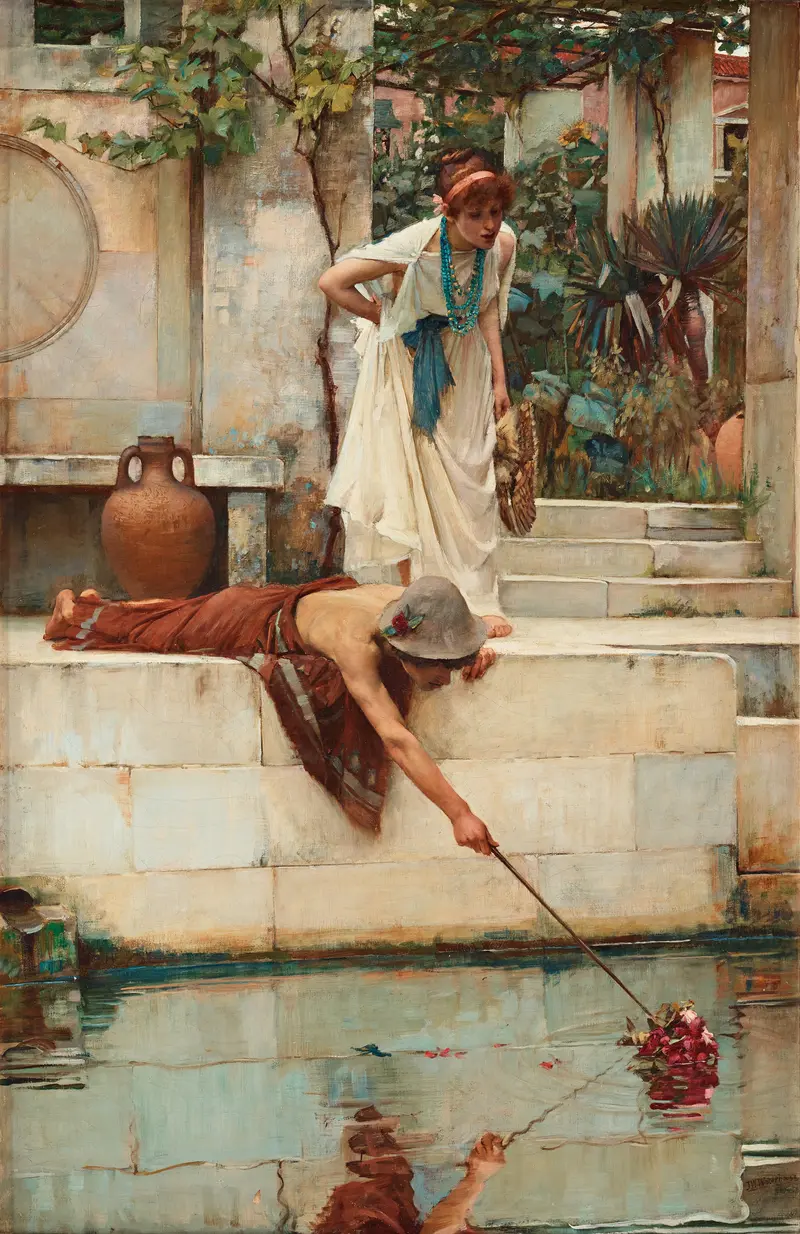
The Rescue
John William Waterhouse
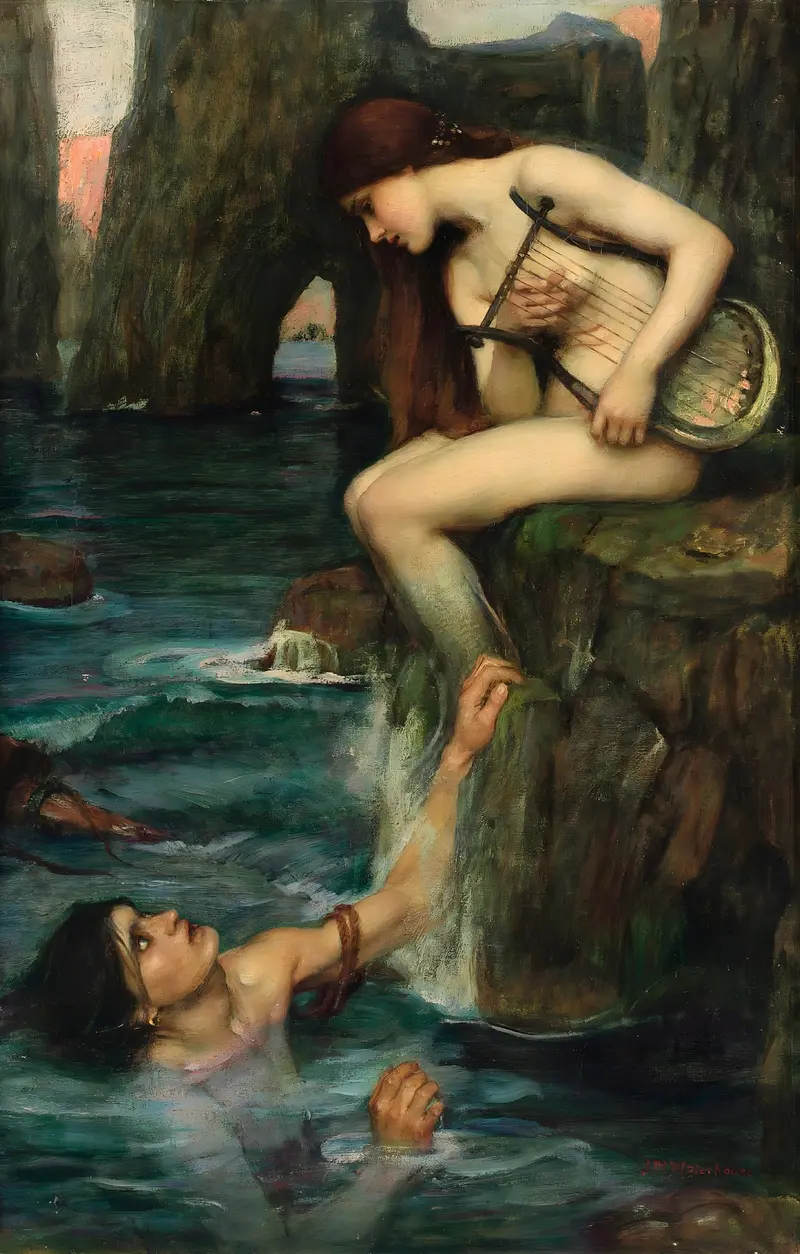
The Siren, 1900
John William Waterhouse





