
Saint Francis of Assisi — History & Facts
In Saint Francis of Assisi, Constant Permeke uses bold colors and expressive forms to depict the saint in a natural setting. The painting features earthy tones of green and brown, reflecting the connection between Francis and the environment. Saint Francis is shown with animals, symbolizing his love for all living creatures.
The background suggests a serene landscape, enhancing the spiritual atmosphere of the work. The painting is characterized by its thick brush strokes and vibrant palette, typical of Expressionism. Permeke's style emphasizes emotional expression over realistic representation. The use of light and shadow creates depth, drawing the viewer's eye to the central figure of Saint Francis.
This work is an example of how Permeke captures the essence of his subjects through a unique visual language. Constant Permeke was a prominent Belgian artist known for his expressionist style, which often focused on themes of nature and spirituality. Saint Francis of Assisi reflects his interest in the saint's relationship with the natural world. Interestingly, this work was created during a time when Permeke was exploring the spiritual aspects of his art, influenced by his surroundings in rural Belgium.
The painting remains a testament to his ability to blend emotion with the beauty of nature.
More Artworks by Constant Permeke
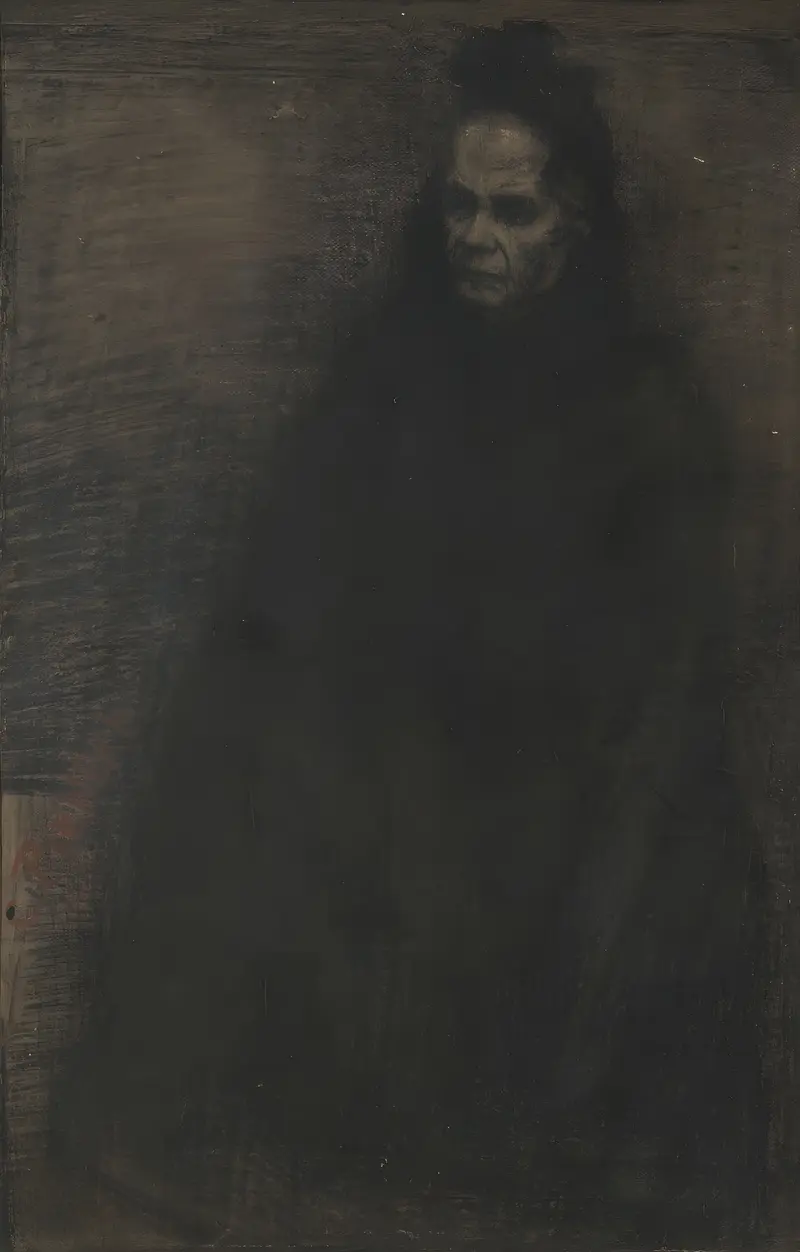
De moeder van de schilder
Constant Permeke
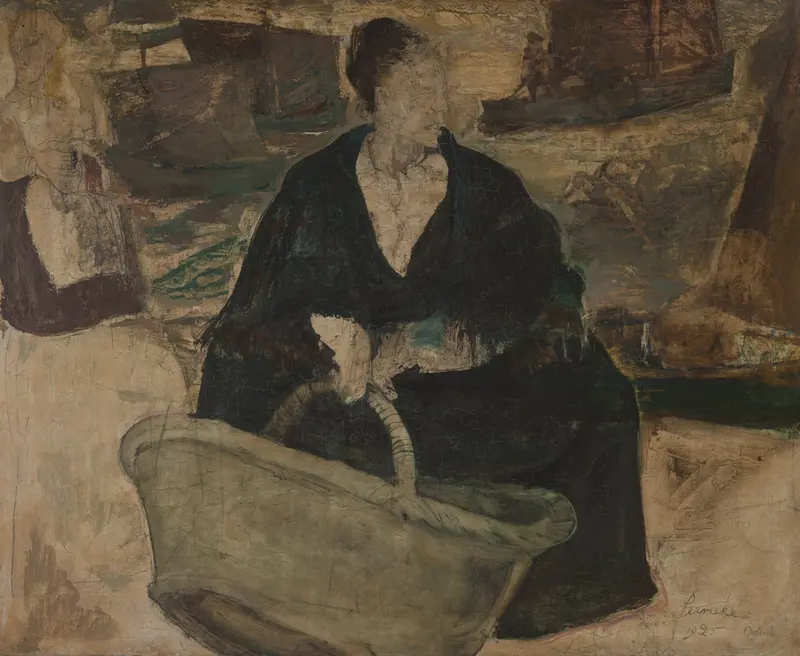
Fisherman’s Wife
Constant Permeke
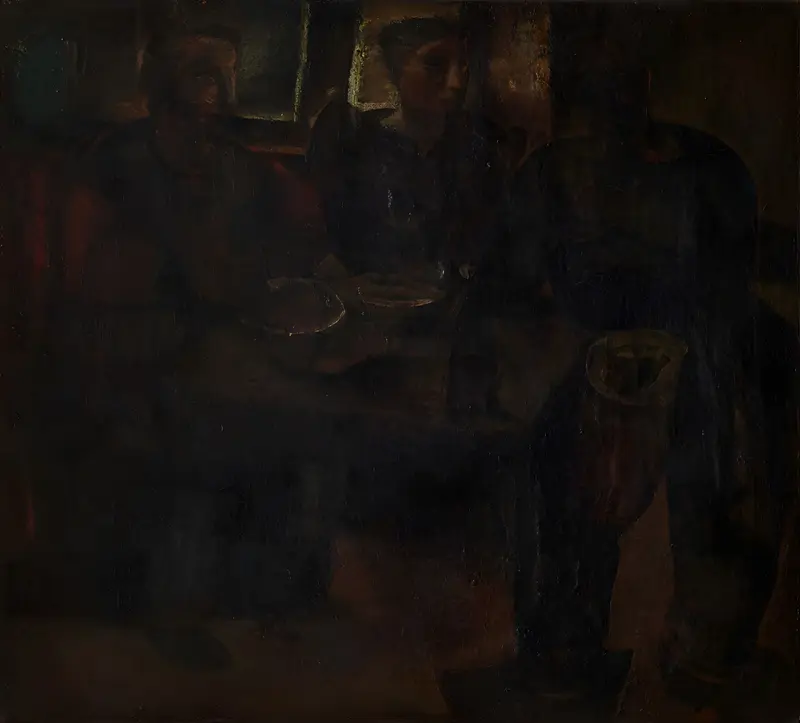
Het maal van de vissers
Constant Permeke

Rechtstaand naakt
Constant Permeke

De roeier
Constant Permeke

Den welgezinden
Constant Permeke
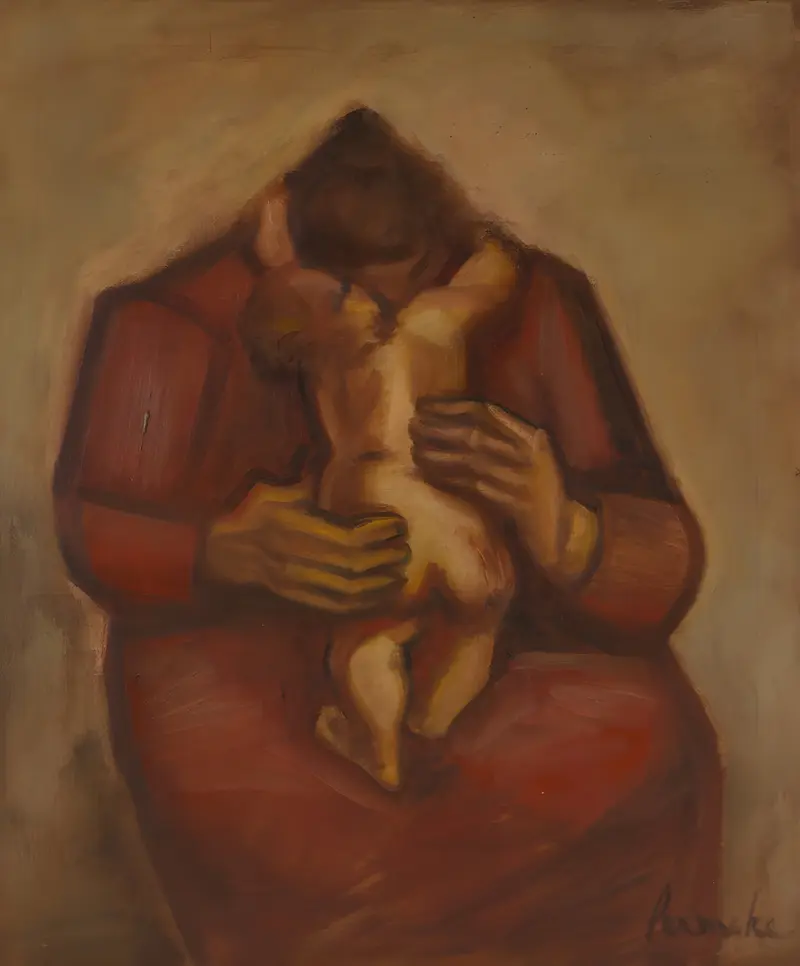
Moederschap
Constant Permeke
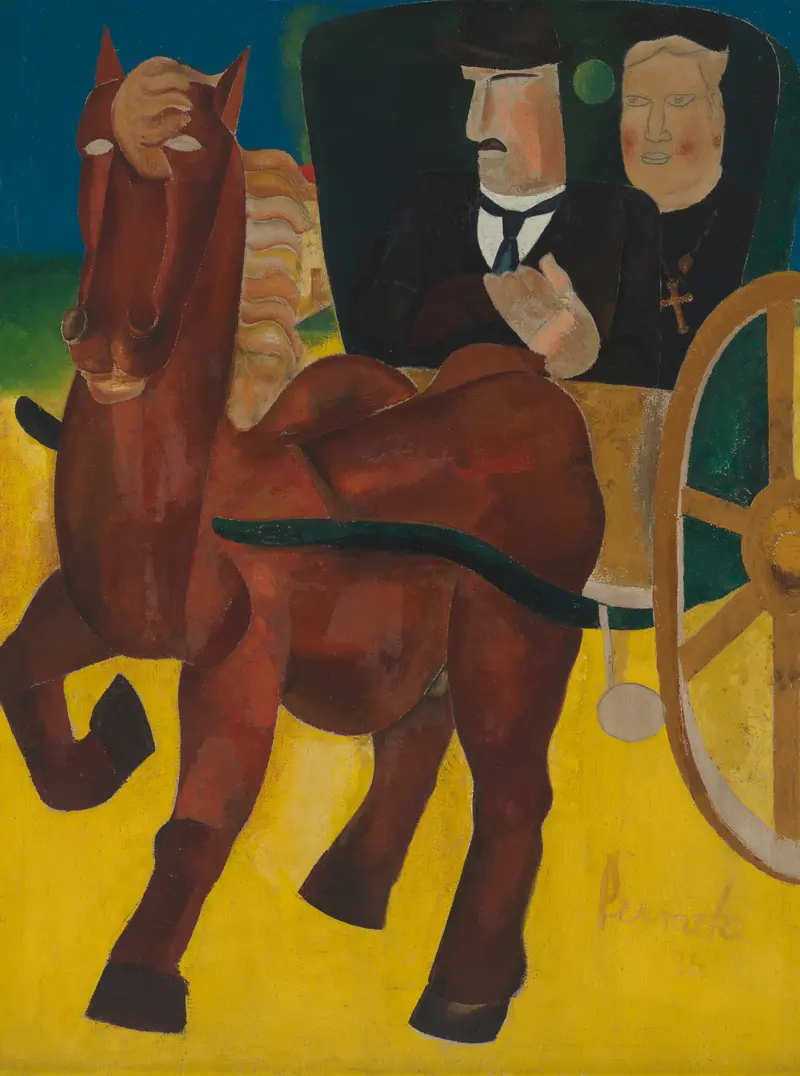
De Sjees
Constant Permeke
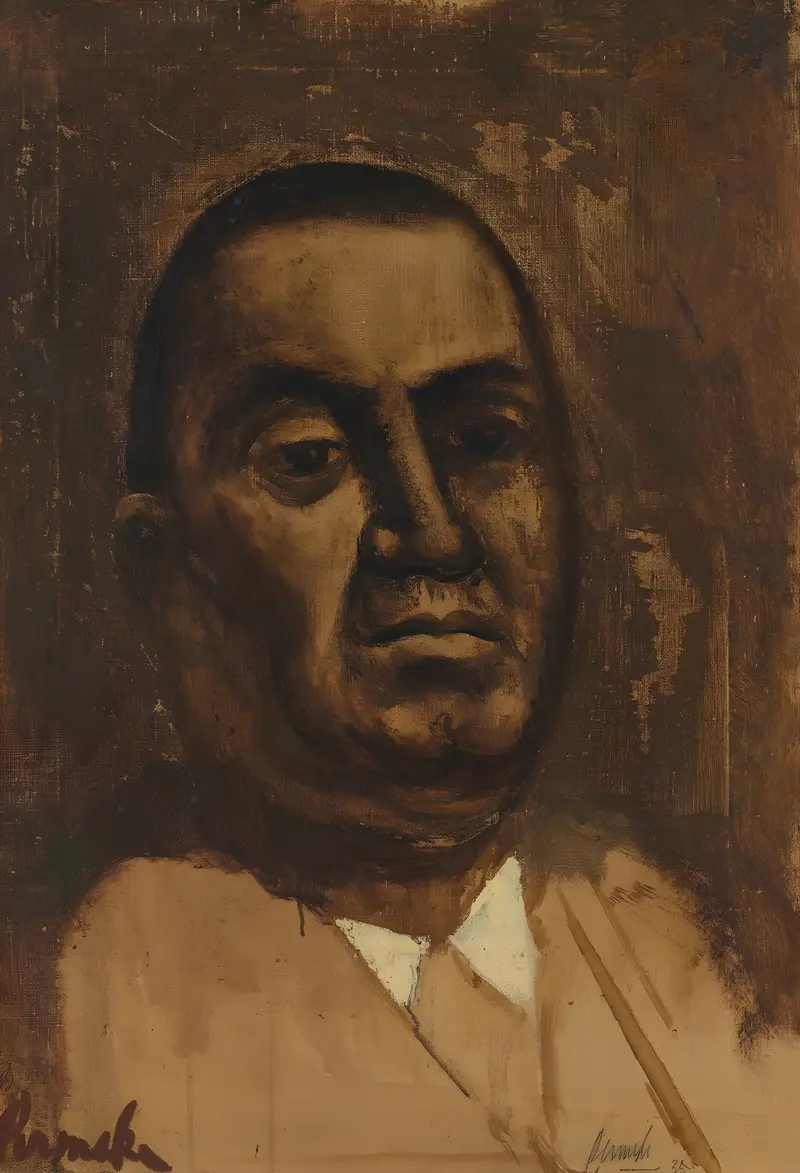
Portret van Gustave Van Geluwe
Constant Permeke
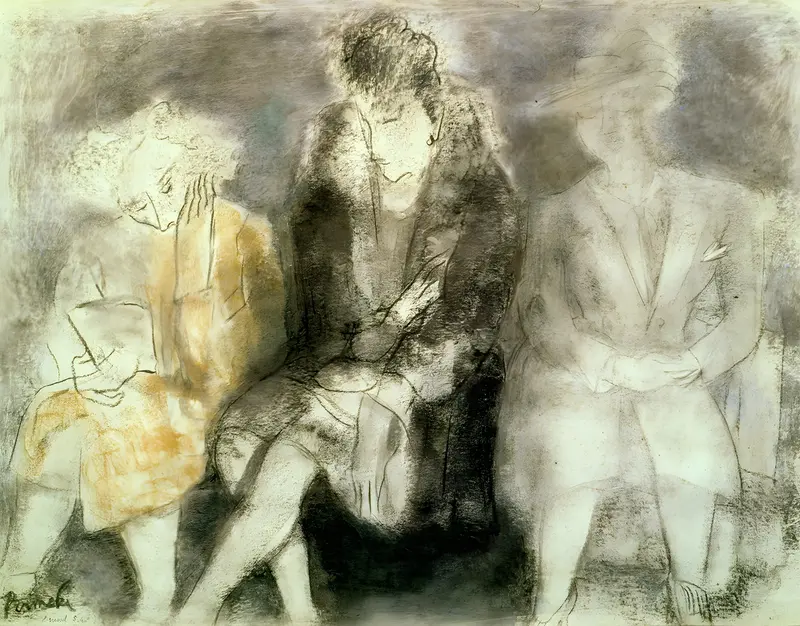
Drie Dames
Constant Permeke





