
Saint Francis of Assisi — History & Facts
When Raphael painted Saint Francis of Assisi in 1502, he was barely twenty years old and still in the early stages of his career, yet this small devotional image became a touchstone for debates about his artistic beginnings. For centuries, scholars have puzzled over its origins and purpose, as no commission documents survive and the medium itself remains uncertain—some suggest oil, others tempera. The painting’s attribution to Raphael was even questioned in the nineteenth century, when connoisseurs debated whether such a refined, gentle vision could truly be the work of so young a hand.
Today, it stands as one of the earliest surviving independent religious images by the artist, offering a rare glimpse into his formative years in Urbino and Perugia. The moment Raphael chose is one of quiet revelation: Saint Francis stands alone in a rocky landscape, hands crossed on his chest, eyes lifted heavenward. The stigmata—wounds mirroring those of Christ—are visible on his hands, marking the saint’s mystical union with Christ’s suffering. The simple brown habit, knotted rope, and bare feet all signal Francis’s embrace of poverty, while the faint golden light that bathes his face suggests divine presence.
Unlike the dramatic, visionary scenes painted by Giovanni Bellini or El Greco, Raphael opts for restraint and intimacy, focusing on the saint’s inner transformation rather than outward spectacle. The sparse setting and gentle modeling of the face draw the viewer into a private moment of devotion. The early history of Saint Francis of Assisi is largely undocumented, typical for small devotional works from this period, which were often commissioned for private chapels or personal prayer. Its style links it closely to Raphael’s apprenticeship with Pietro Perugino, yet the soft handling of light and the tender expression already hint at the individuality that would later define the artist’s mature work.
The painting has passed through several hands over the centuries, at times misattributed or overshadowed by grander altarpieces, but today it is recognized as a key piece in understanding Raphael’s early development. It now resides in a major collection, where it continues to invite reflection on the young artist’s vision and the enduring appeal of Saint Francis’s humility.
More Artworks by Raphael

Madonna of the Goldfinch
Raphael

Madonna with the Fish
Raphael
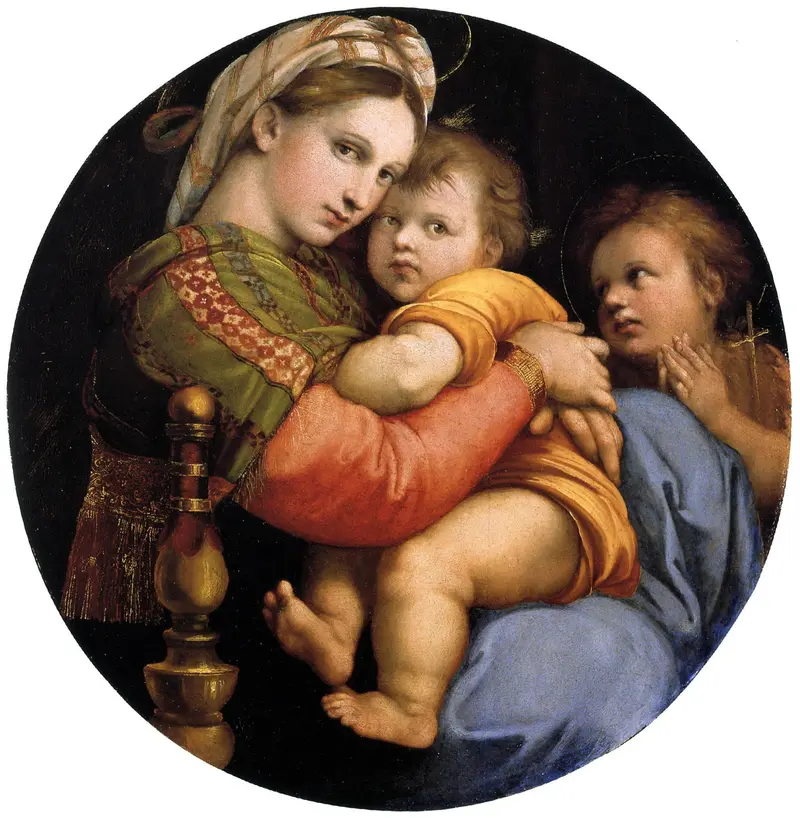
Madonna and Child (Madonna della Seggiola)
Raphael
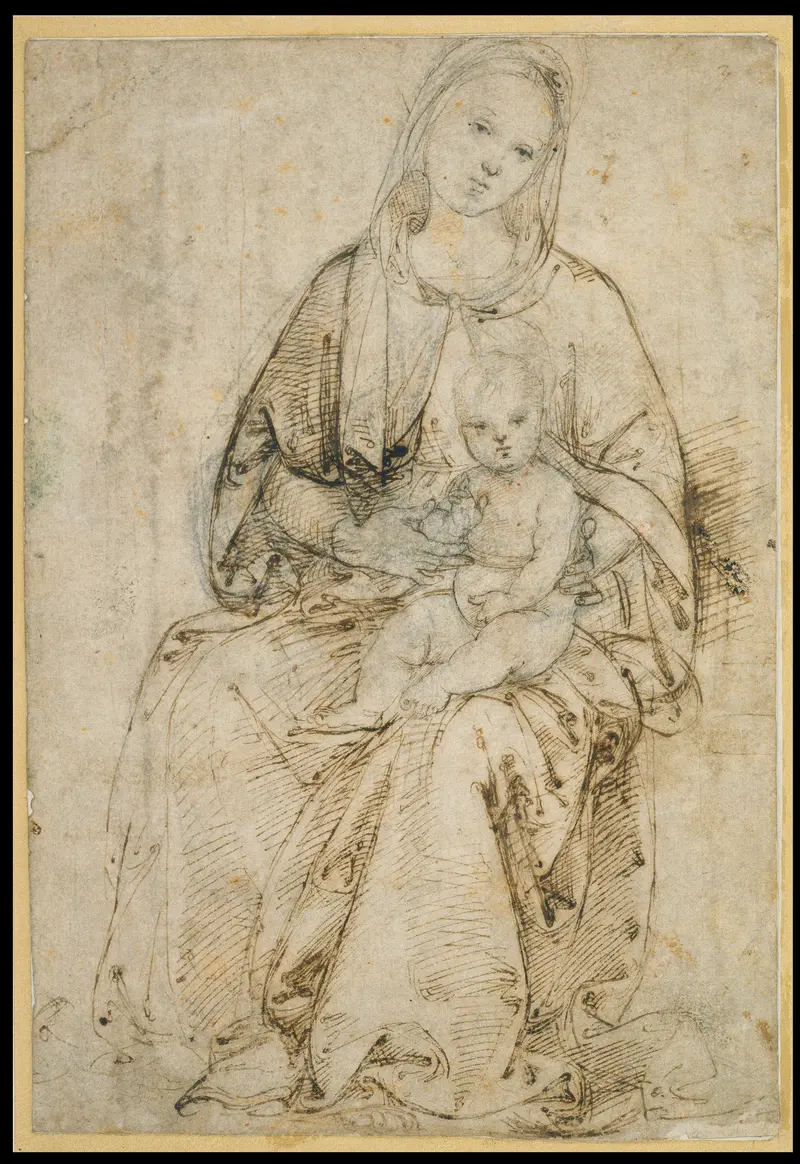
Seated Madonna and Child
Raphael
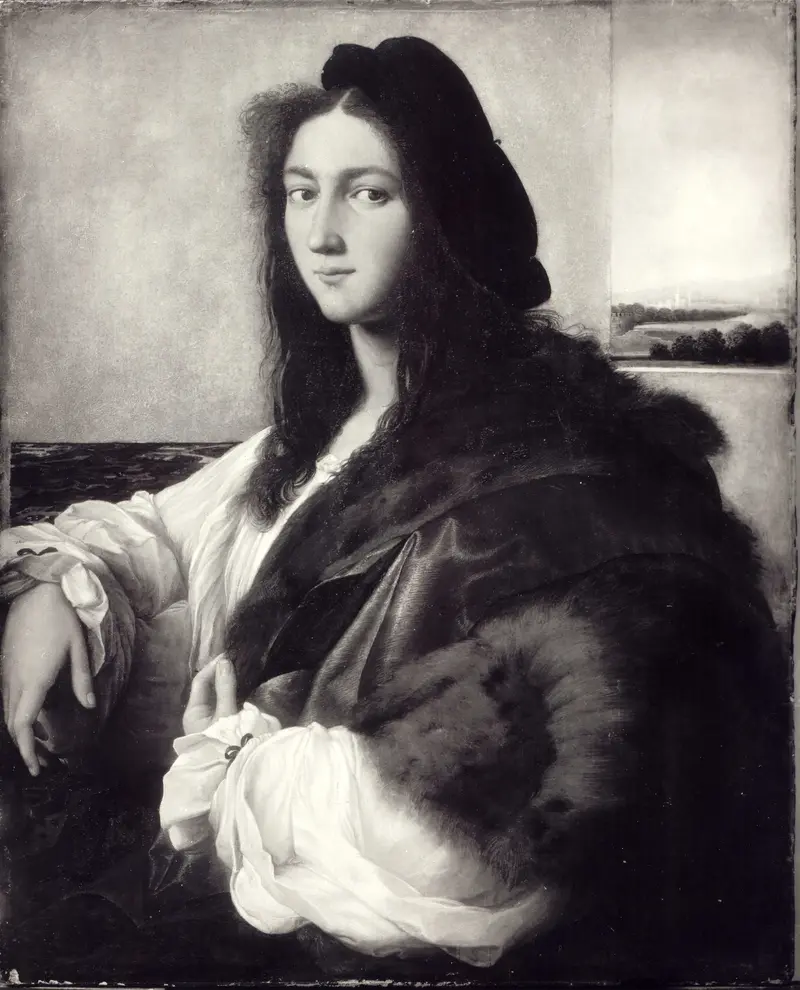
Portrait of a Young Man
Raphael
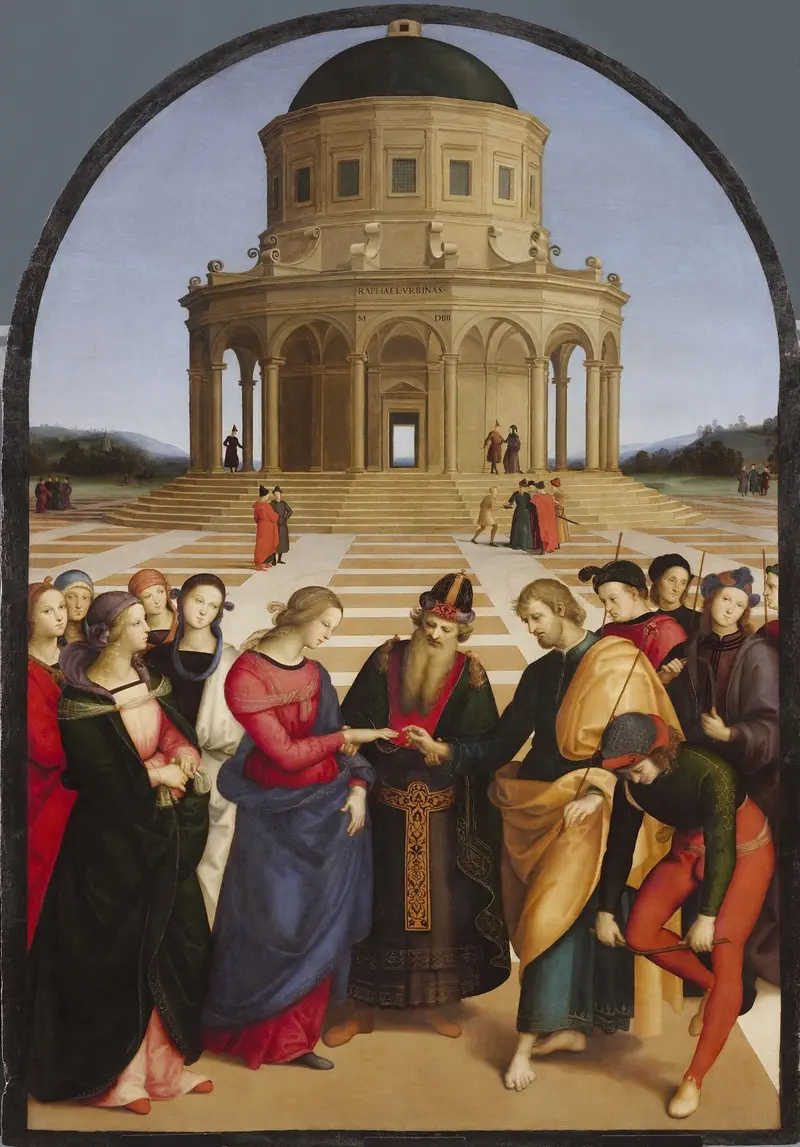
The Marriage of the Virgin
Raphael
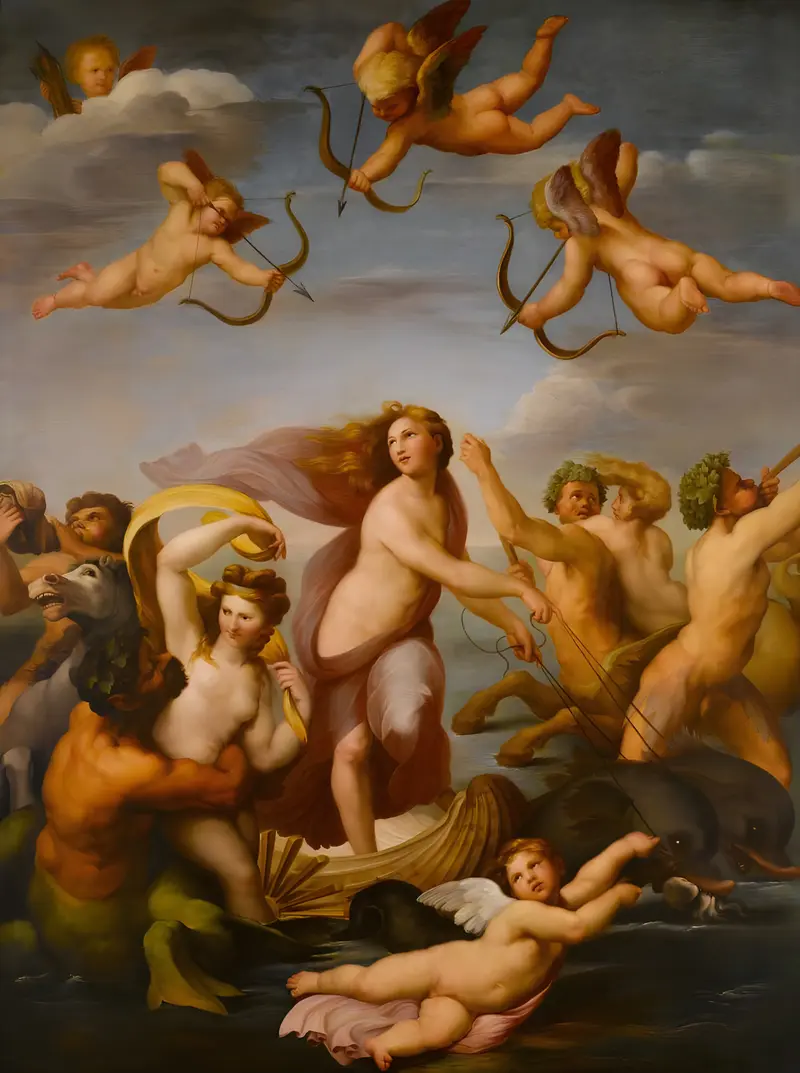
The Triumph of Galatea (copy after Raphael)
Raphael
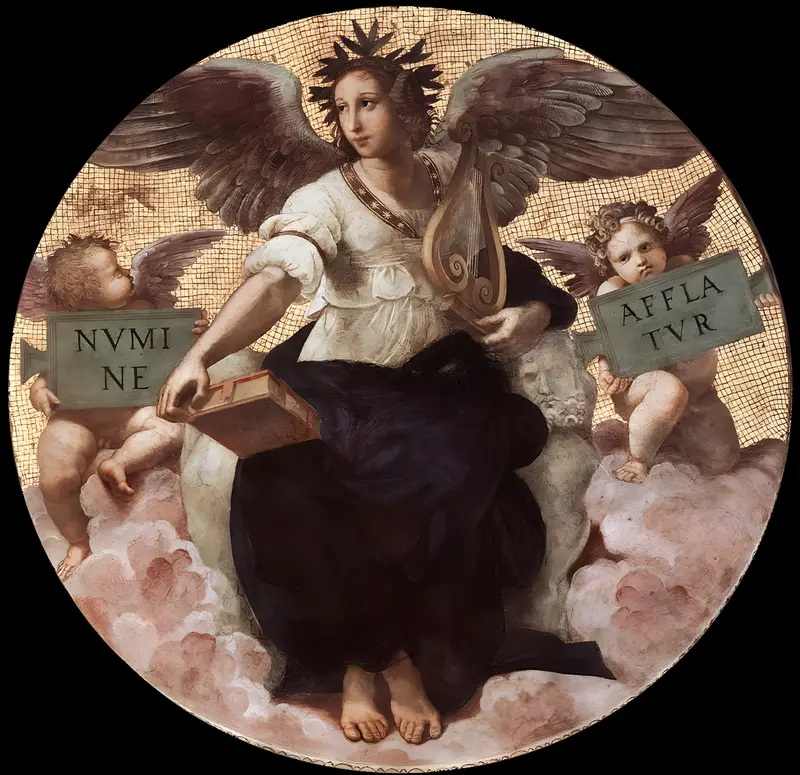
Poetry
Raphael
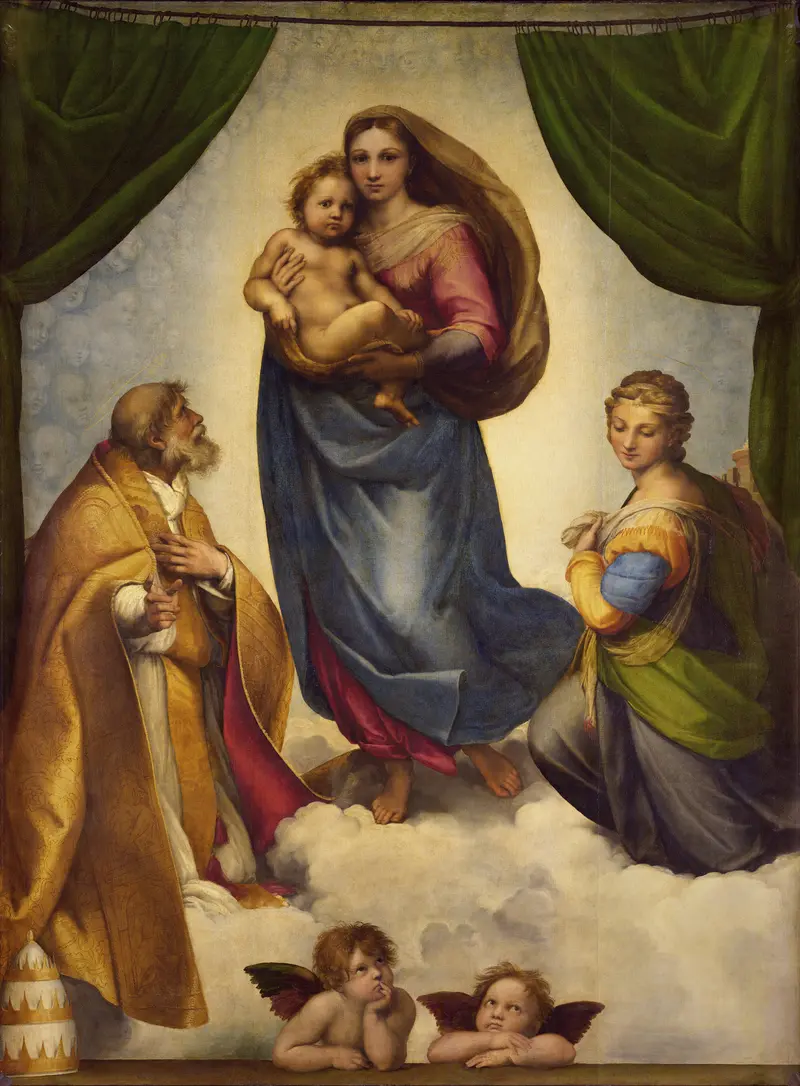
Sistine Madonna
Raphael
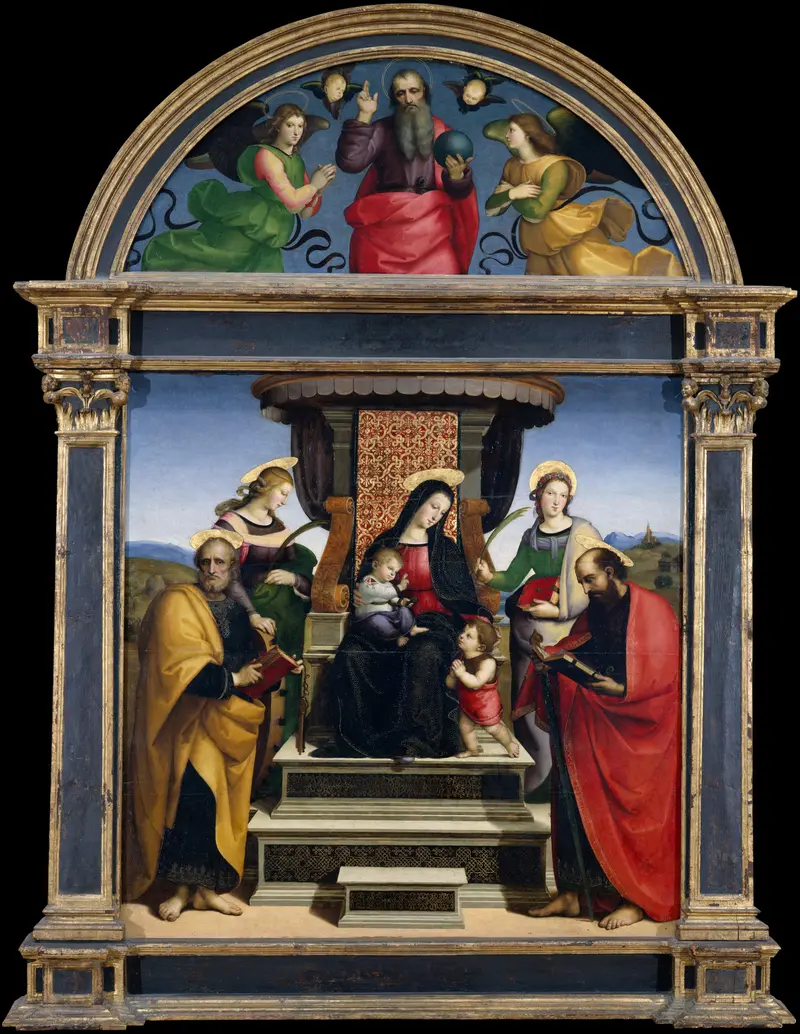
Madonna and Child Enthroned with Saints
Raphael




