
Saint Francis receiving the Stigmata — History & Facts
In the early fifteenth century, the story of Saint Francis receiving the stigmata was a favorite among artists and patrons alike, but few painted it with the quiet intensity of Fra Angelico. What makes this version remarkable is its probable origin as a devotional panel for private prayer, rather than a grand altarpiece—inviting the viewer into an intimate encounter with the miraculous. Painted around 1440, it captures a moment that had already inspired countless retellings, yet Fra Angelico’s approach stands apart for its focus on humility and grace over spectacle. At the heart of the scene, Saint Francis kneels in a rocky wilderness, his gaze lifted in awe as rays of light descend from a seraphic Christ who hovers above.
The wounds of Christ—miraculously replicated on Francis’s hands, feet, and side—glow with a gentle clarity, marking the saint’s mystical union with his Savior. The sparse landscape, dotted with a few hardy plants and a distant monastery, underscores Francis’s embrace of poverty and solitude. Unlike Giotto’s dramatic fresco in Assisi, which fills the sky with angels and onlookers, Fra Angelico pares the moment down to its essence: a quiet revelation between man and God, rendered in luminous color and delicate gold. The precise origins of this panel are still debated; some scholars suggest it was commissioned by a Franciscan community, while others believe it was intended for a private patron deeply devoted to the saint.
Over the centuries, the painting has traveled through various collections, its attribution at times uncertain due to the absence of a signature—yet the unmistakable clarity of Fra Angelico’s hand has secured its place among his devotional works. Today, it stands as a testament to the artist’s ability to blend narrative, symbolism, and spiritual intensity, offering viewers a window into both the mystical vision of Saint Francis and the refined artistry of early Renaissance Florence.
More Artworks by Fra Angelico

Condemnation of St Lawrence by the Emperor Valerian
Fra Angelico
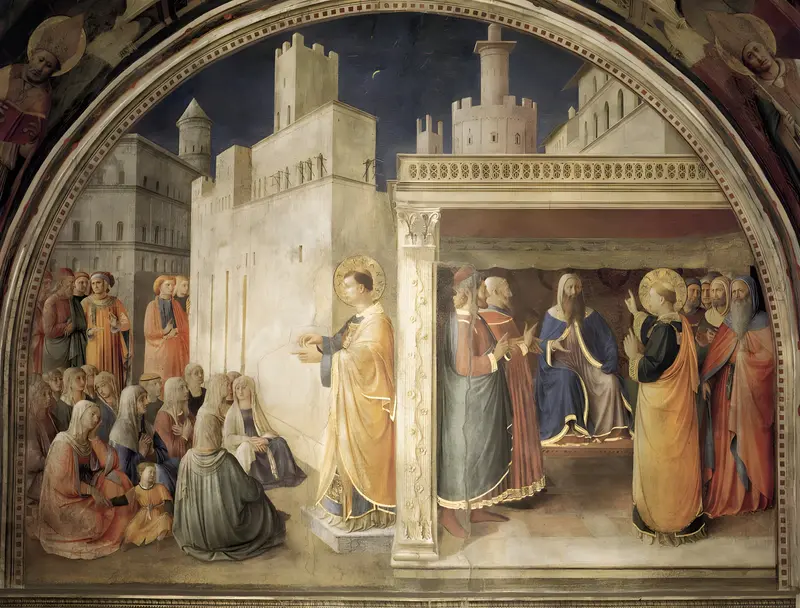
Lunette of the north wall
Fra Angelico
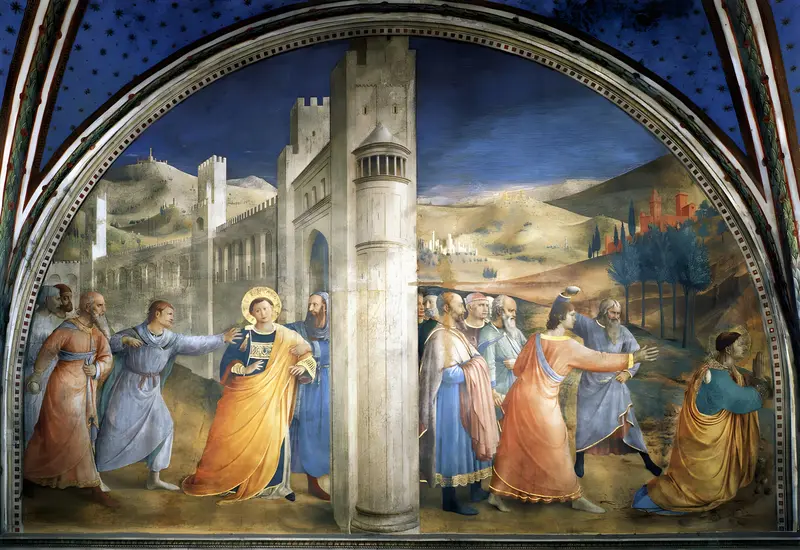
Lunette of the east wall in Niccoline Chapel
Fra Angelico
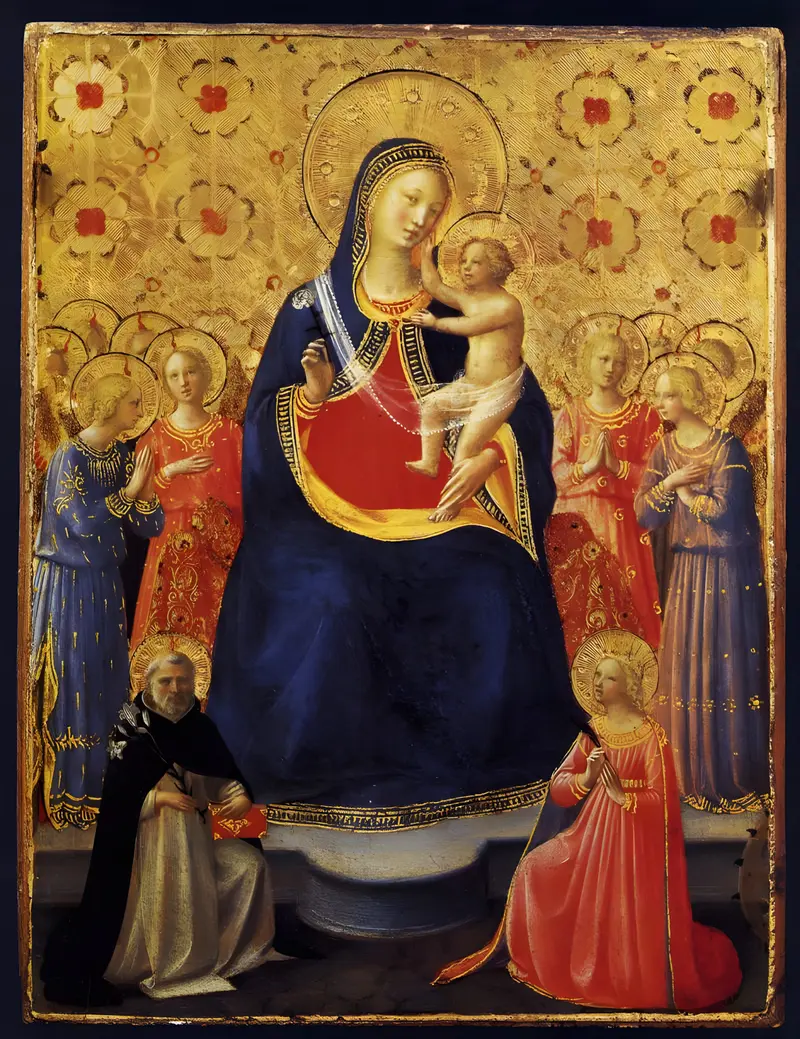
Madonna and Child Enthroned with Nine Angels and Saints Dominic and Catherine of Alexandria
Fra Angelico
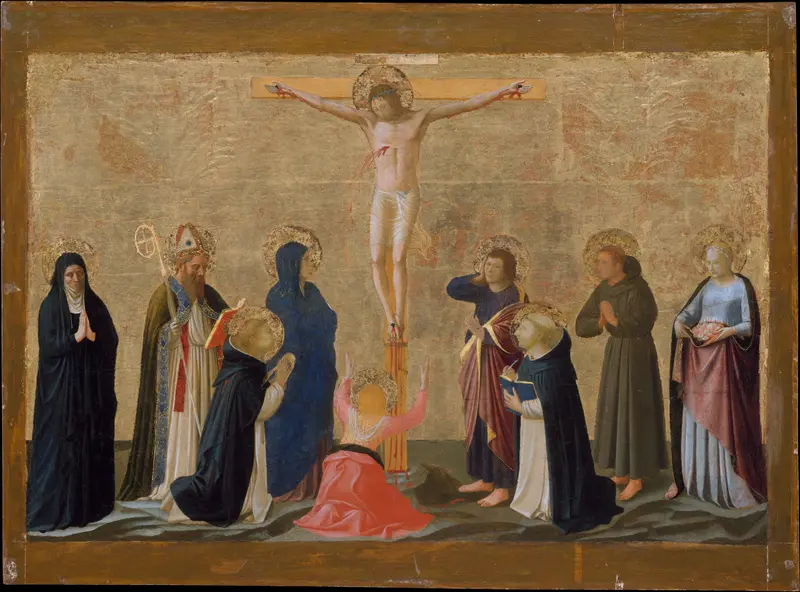
The Crucifixion
Fra Angelico
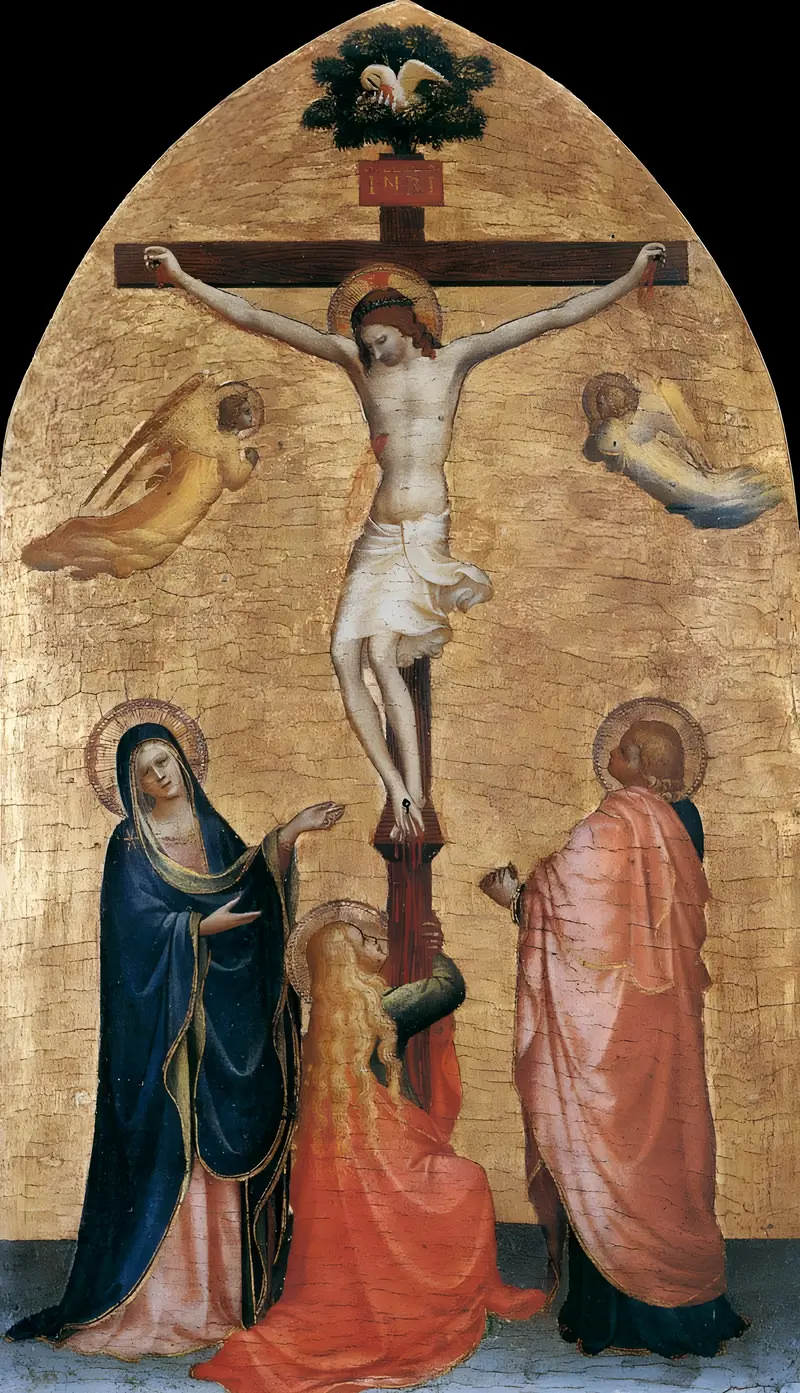
Crucifixion with the Virgin, John the Evangelist, and Mary Magdelene
Fra Angelico
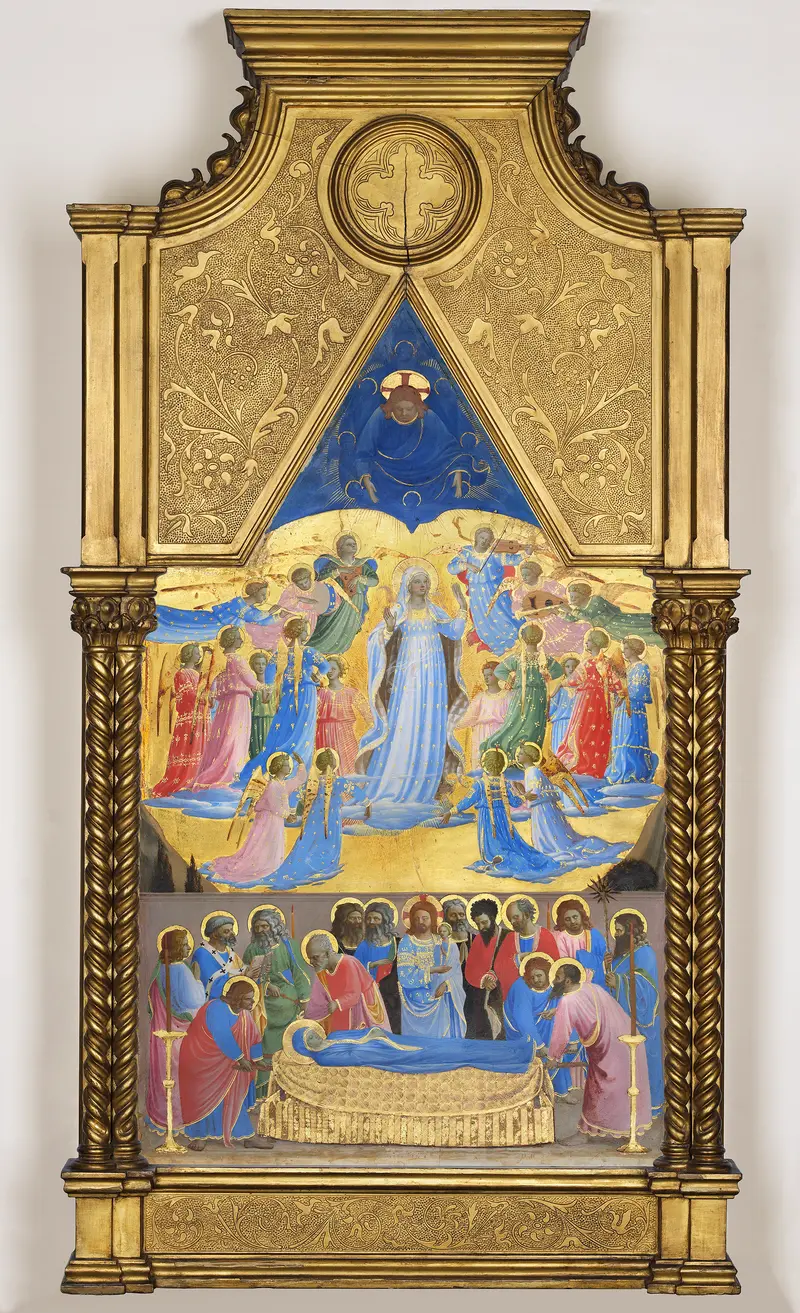
Dormition and Assumption of the Virgin
Fra Angelico
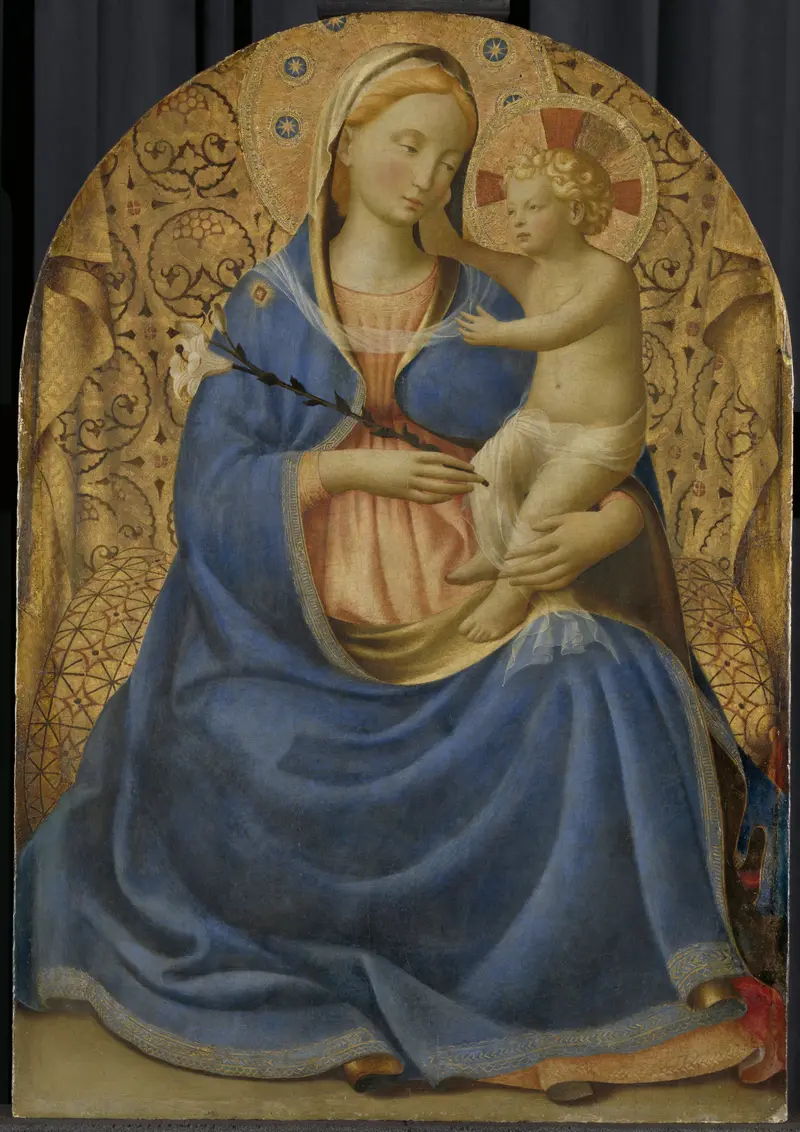
Madonna of Humility
Fra Angelico
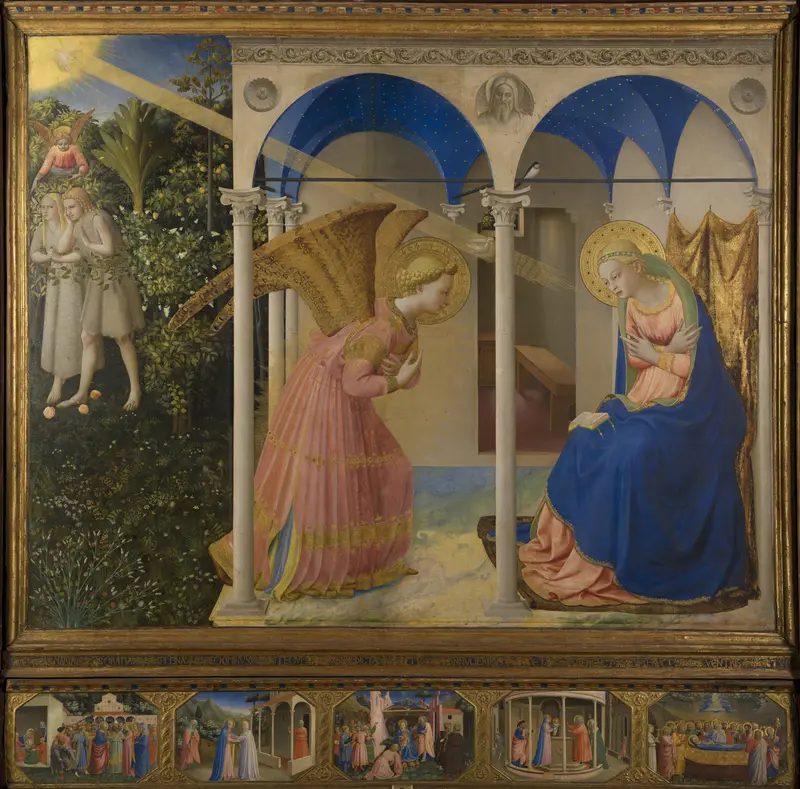
The Annunciation
Fra Angelico

Saint Anthony Abbot
Fra Angelico





