
Saint James of the March — History & Facts
When Francisco de Zurbarán painted Saint James of the March in 1650, he was nearing the end of his celebrated career as one of Seville’s most sought-after painters of saints. This work is part of a remarkable series of monastic portraits commissioned for the San Francisco convent in Seville, a project that brought together the leading artists of the city to honor the Franciscan order’s most illustrious members. The identity of the patron remains uncertain, but records show that Zurbarán received particular praise for the gravity and presence he gave to these holy men, whose lives were models of discipline and faith. In Saint James of the March, Zurbarán captures the Franciscan preacher at a moment of serene contemplation, his gaze lowered, hands gently resting on a book and a skull—symbols of learning and mortality.
The saint’s coarse habit, rendered with Zurbarán’s signature attention to the texture of wool, anchors him in the ascetic world of the friars. A halo, softly glowing, marks his sanctity, while the dark, almost theatrical background isolates the figure, drawing the viewer into his silent devotion. Unlike the more dramatic action scenes favored by artists like Caravaggio, Zurbarán chooses stillness and introspection, inviting us to witness the inner life of a man who, according to legend, preached fearlessly against heresy and survived multiple attempts on his life. The painting’s journey after its creation is typical of many Spanish religious works of the mid-17th century: it remained in ecclesiastical hands for centuries, largely unknown outside monastic circles.
Only with the dissolution of religious houses in the 19th century did Saint James of the March enter the art market, eventually finding its way into a public collection. Today, it stands as a testament to Zurbarán’s enduring fascination with the spiritual heroism of the saints, and his ability to convey their stories through humble objects and quiet gestures. The painting is a late work, reflecting the maturity of Zurbarán’s style—a style that would influence Spanish painting for generations.
More Artworks by Francisco de Zurbarán
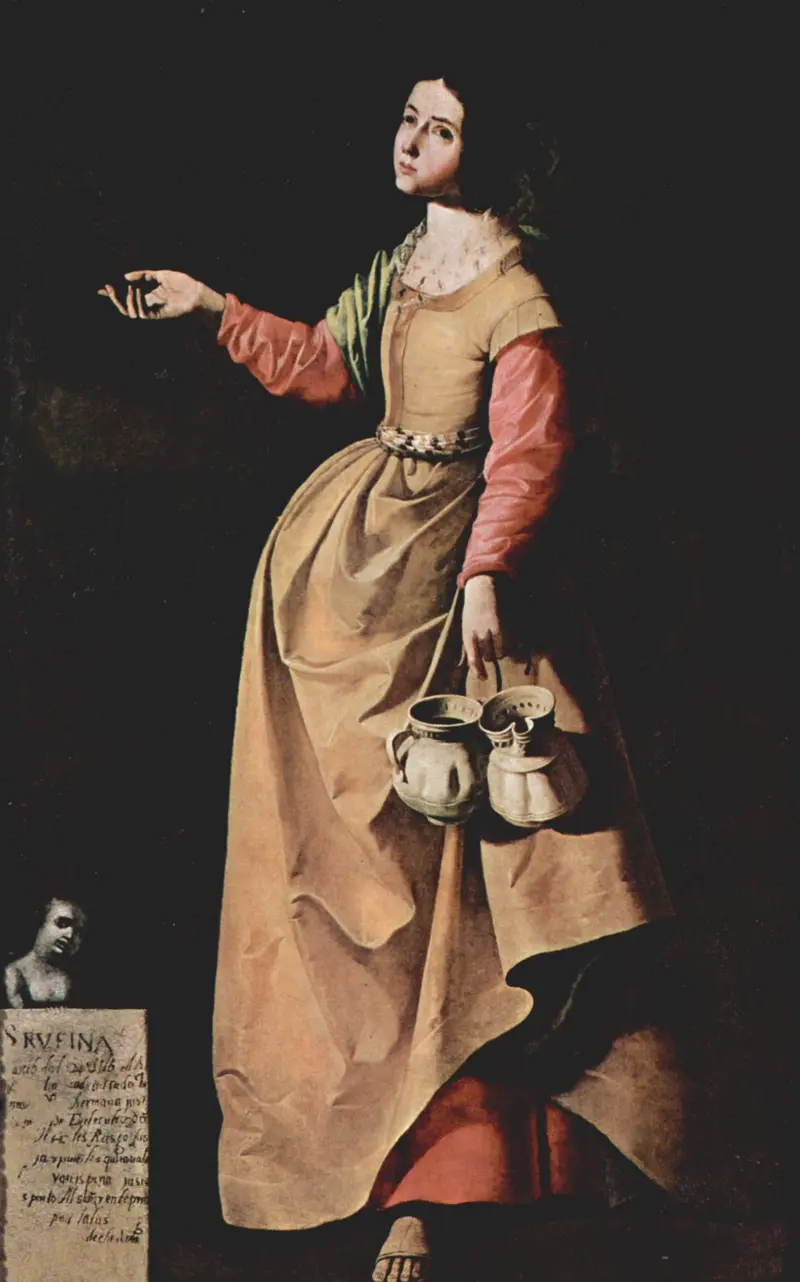
Saint Rufina
Francisco de Zurbarán
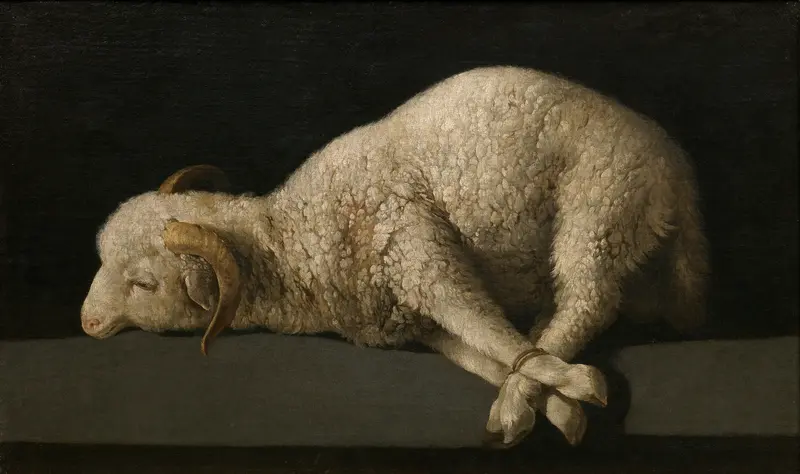
Agnus Dei
Francisco de Zurbarán
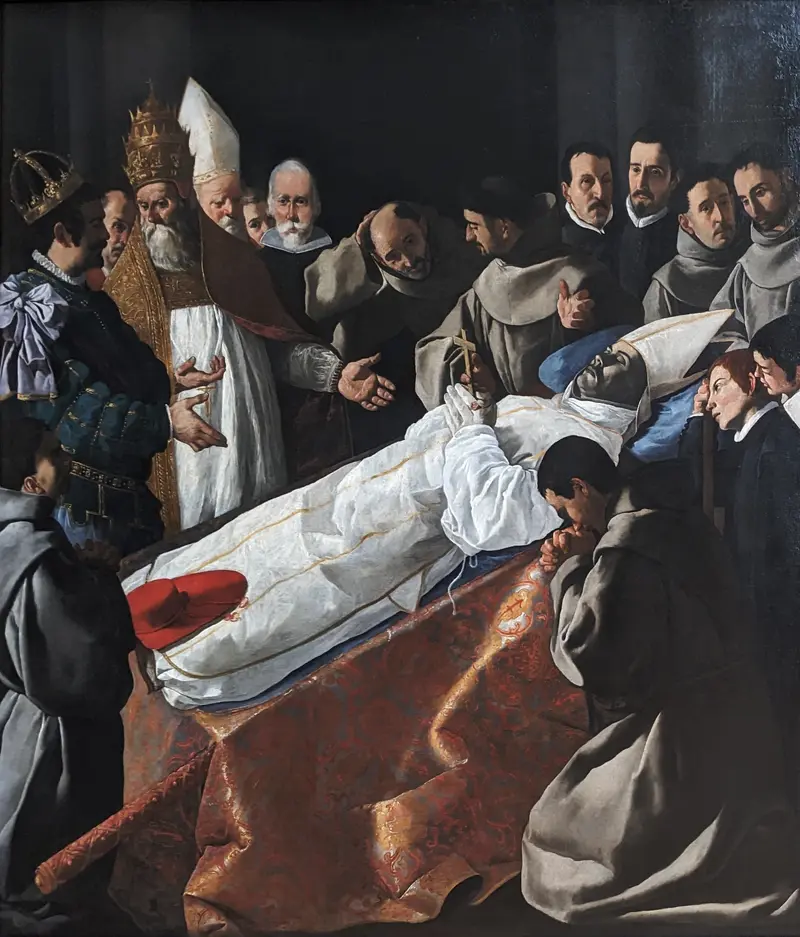
Saint Bonaventure's Body Lying in State
Francisco de Zurbarán
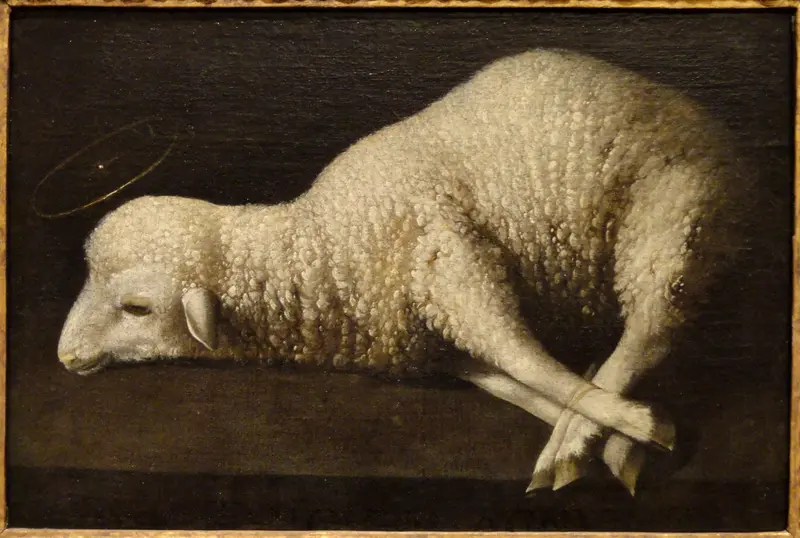
The Lamb of God
Francisco de Zurbarán

Adoration of the Magi
Francisco de Zurbarán
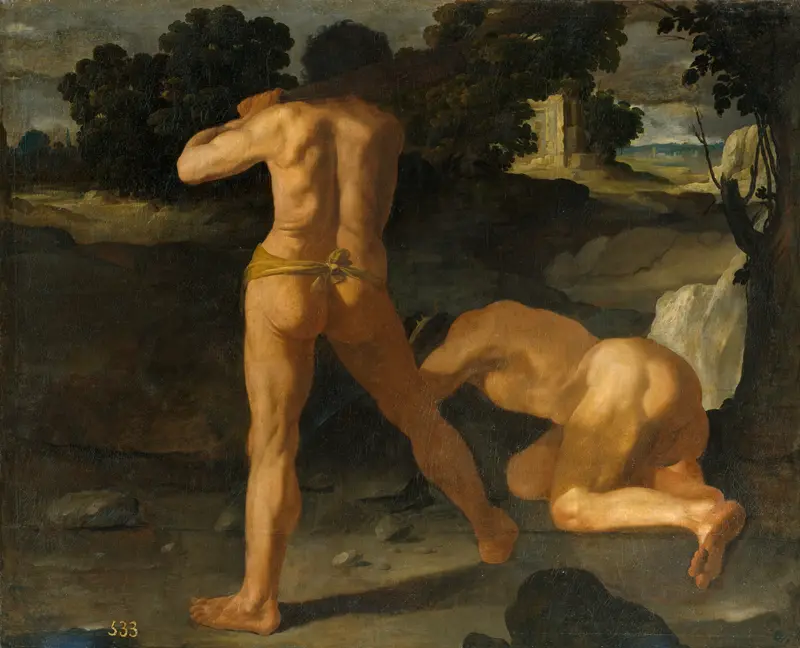
Hercules defeats King Geryon
Francisco de Zurbarán
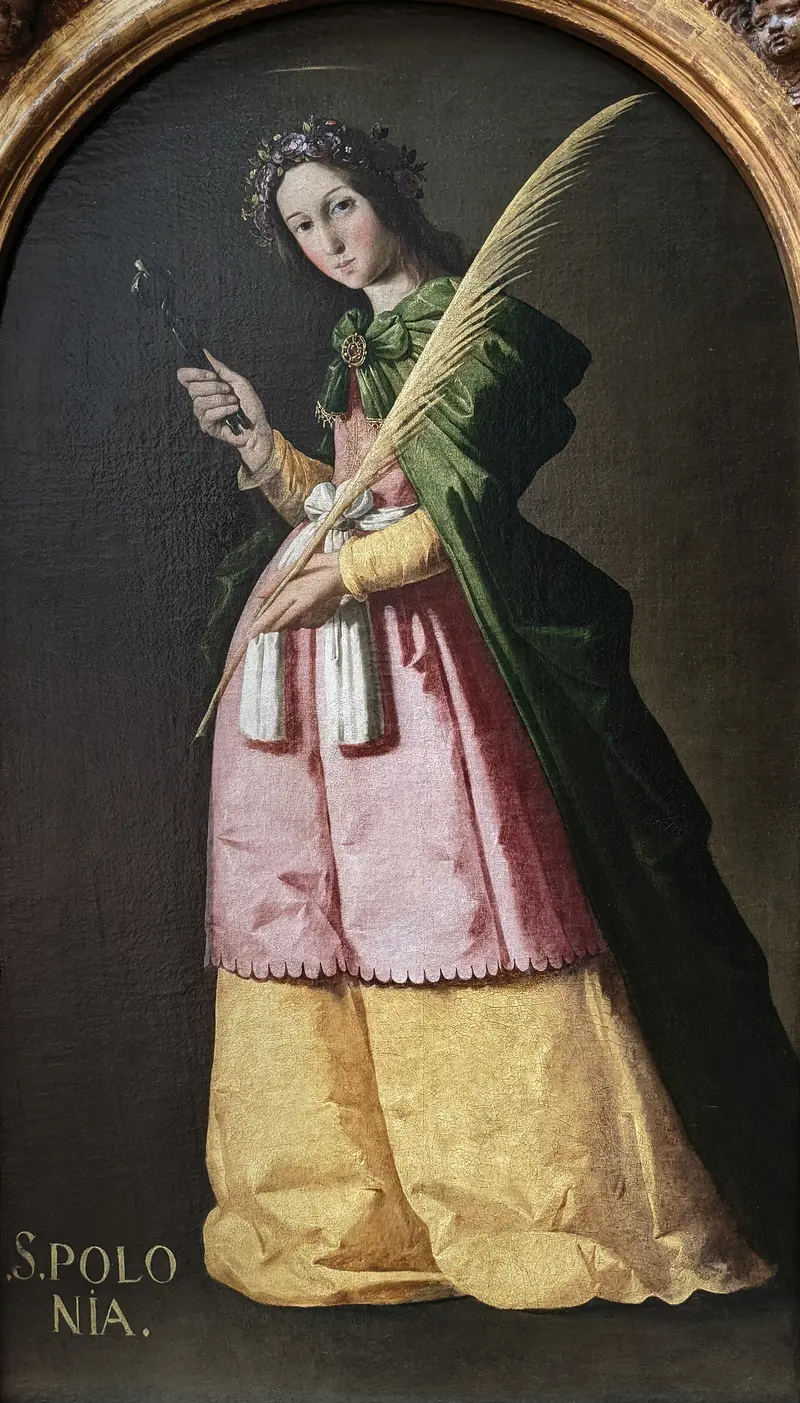
Saint Apollonia
Francisco de Zurbarán
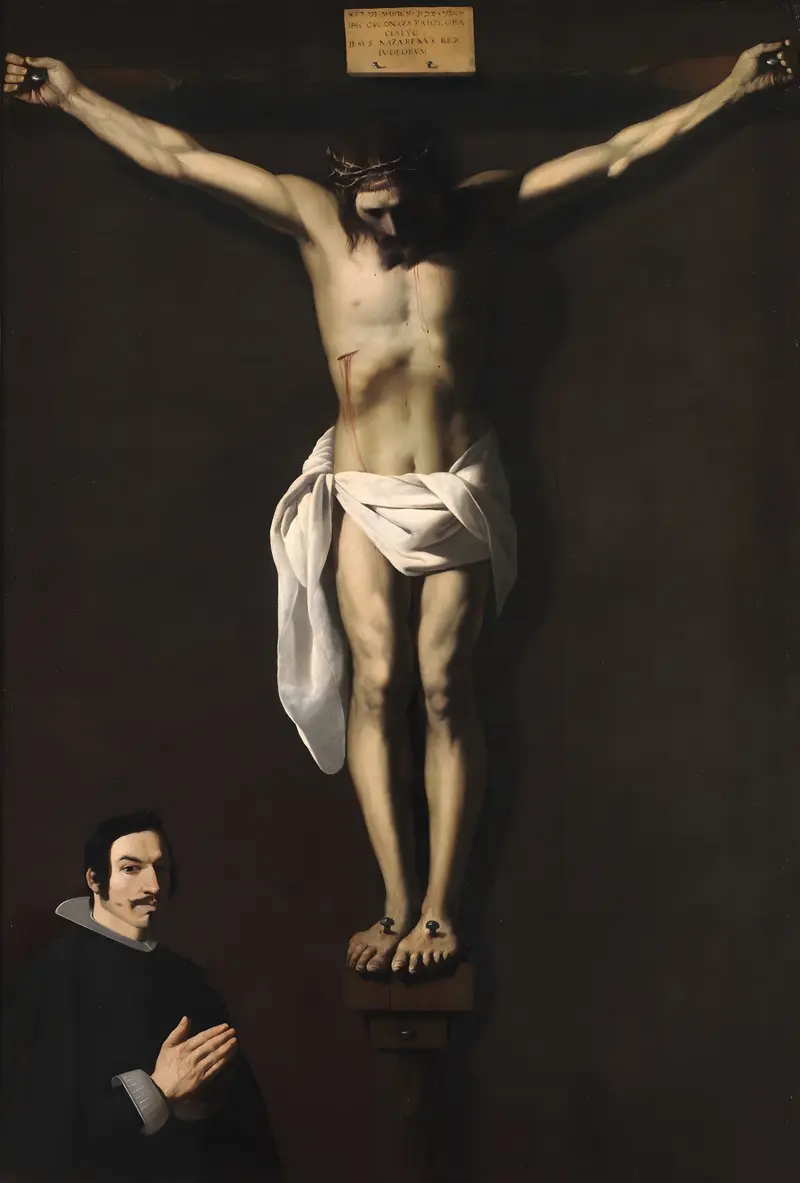
The Crucified Christ with a Donor
Francisco de Zurbarán
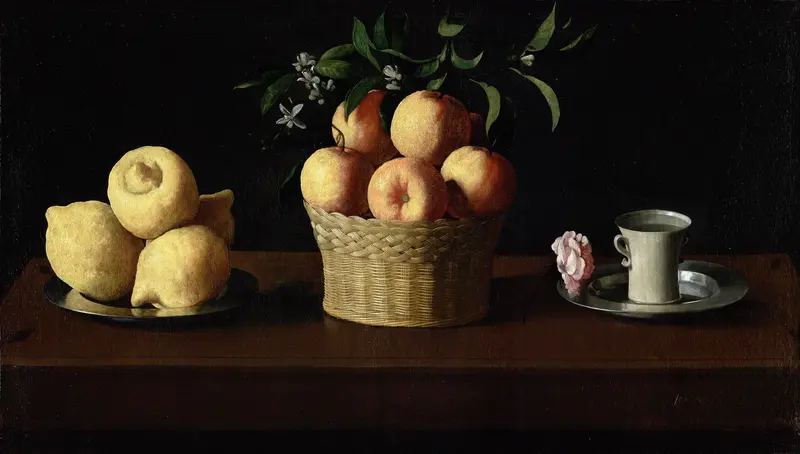
Still Life with Lemons, Oranges and a Rose
Francisco de Zurbarán
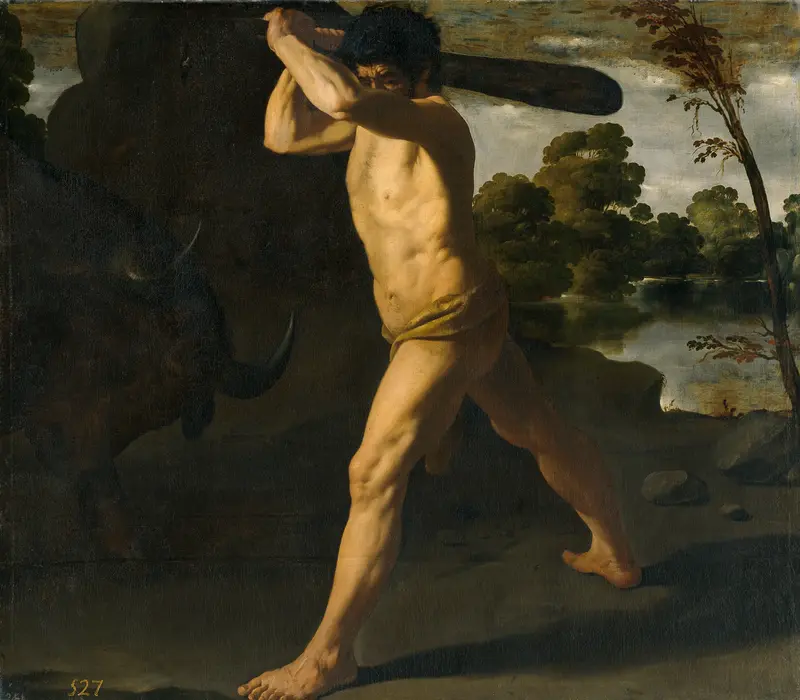
Hercules and the Cretan Bull
Francisco de Zurbarán





