
Saint Joseph and the Christ Child — History & Facts
In Saint Joseph and the Christ Child, Giovanni Battista Tiepolo presents a serene scene filled with warmth. The figures of Saint Joseph and the Christ Child are depicted in soft, gentle colors, primarily in shades of beige, cream, and pastel hues. Saint Joseph, portrayed with a tender expression, holds the Christ Child close, who gazes up with innocence.
The background features a subtle, light-filled atmosphere that enhances the intimate setting of the painting. This artwork is an oil on canvas, a common medium for Tiepolo, known for his vibrant colors and dynamic compositions. The dimensions are approximately 100 x 120 cm, allowing for a detailed portrayal of the figures and their expressions. Tiepolo's brushwork is fluid and expressive, creating a sense of movement and life within the scene.
The use of light and shadow adds depth, highlighting the emotional connection between the figures. Giovanni Battista Tiepolo was a prominent Italian painter of the Rococo period, celebrated for his grand frescoes and religious themes. This particular work, likely created in the 1750s, showcases his ability to blend tenderness with grandeur. An interesting fact about this painting is that it reflects Tiepolo's mastery in depicting divine figures in a relatable manner, making religious subjects accessible to the viewer.
Today, it can be found in the Museo del Prado, where it continues to inspire admiration.
More Artworks by Giovanni Battista Tiepolo
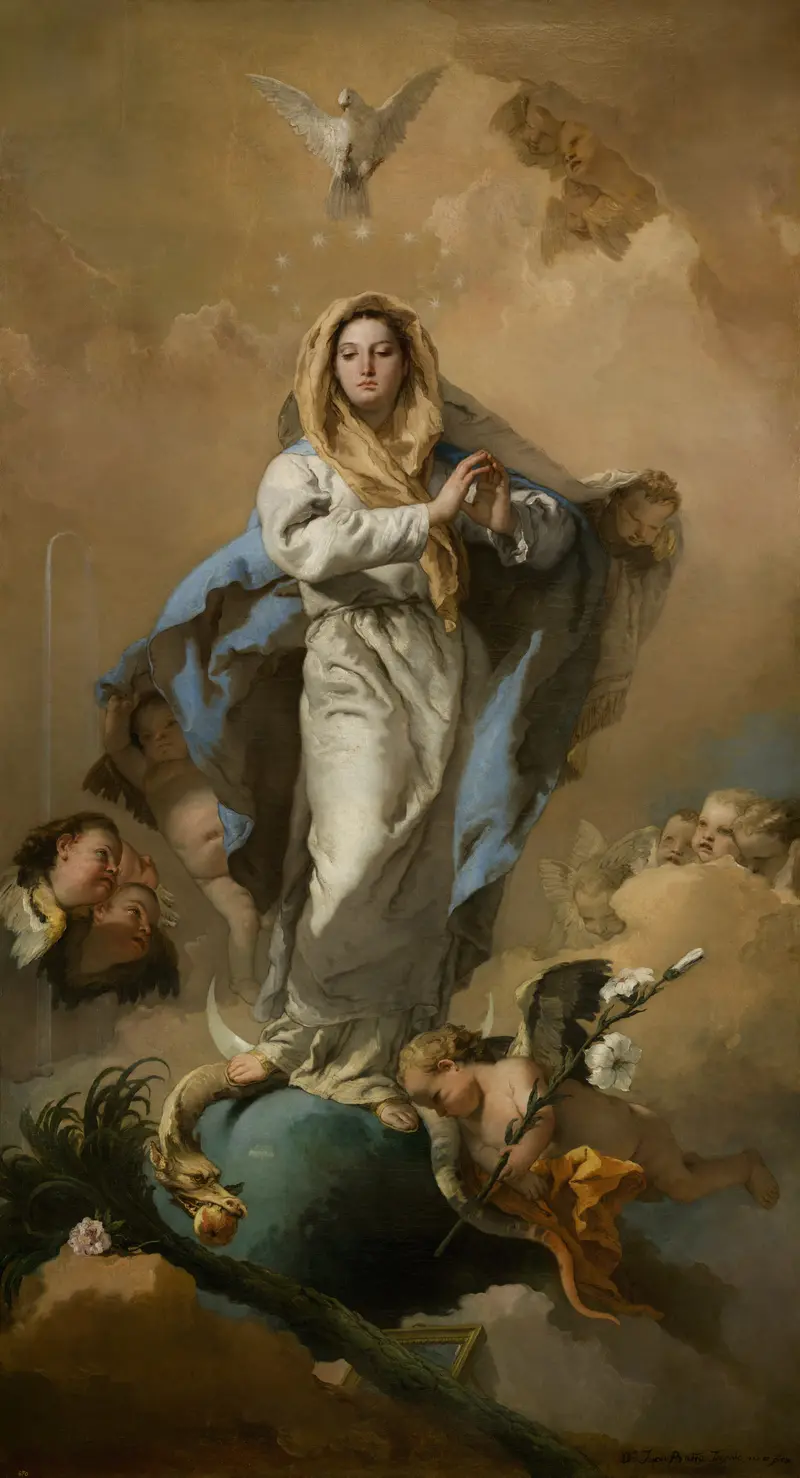
The Immaculate Conception
Giovanni Battista Tiepolo
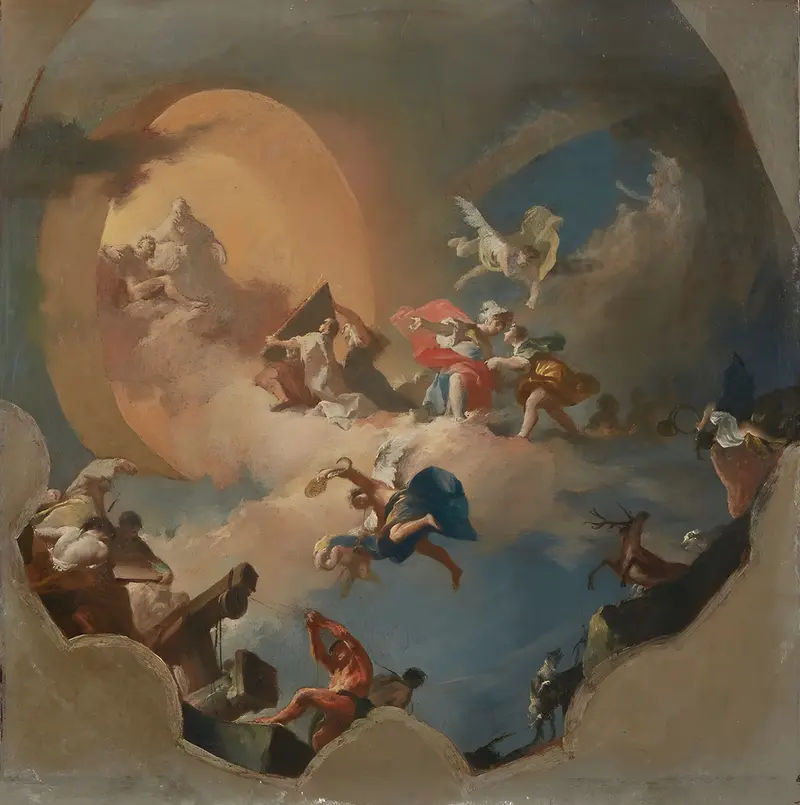
The Apotheosis of the Arts
Giovanni Battista Tiepolo
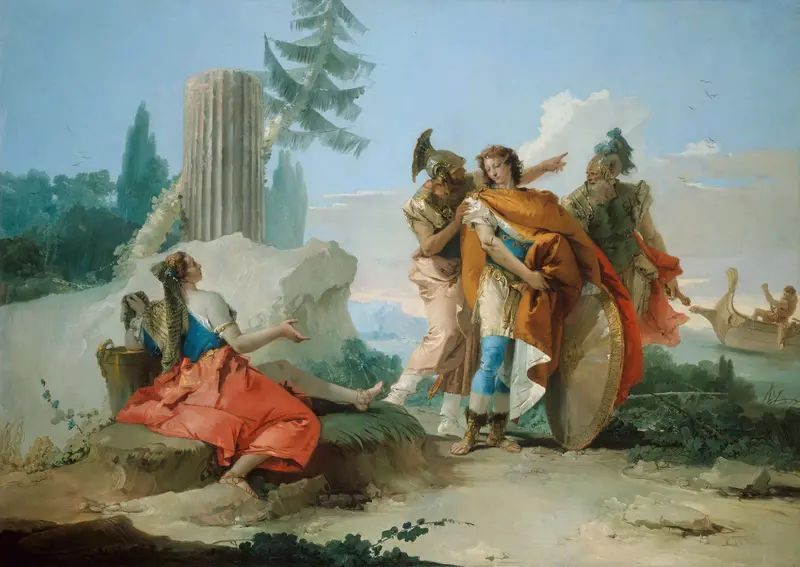
Armida Abandoned by Rinaldo
Giovanni Battista Tiepolo
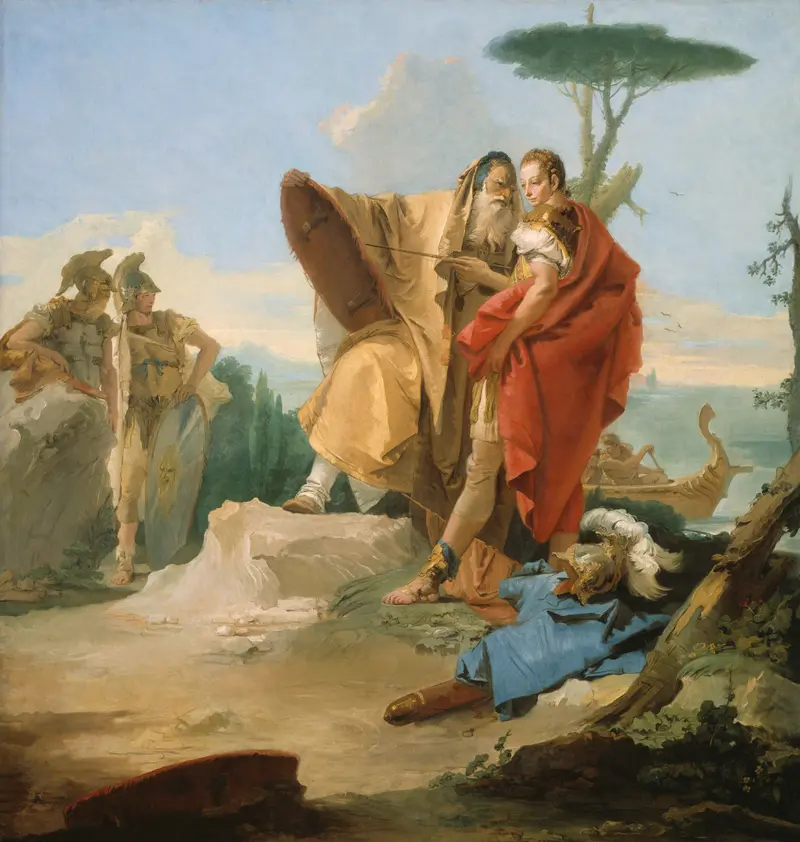
Rinaldo and the Magus of Ascalon
Giovanni Battista Tiepolo
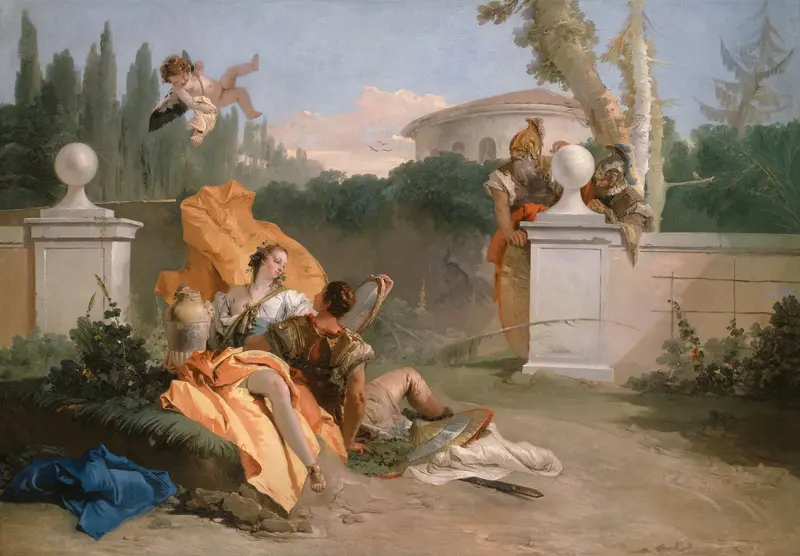
Rinaldo and Armida in Her Garden
Giovanni Battista Tiepolo
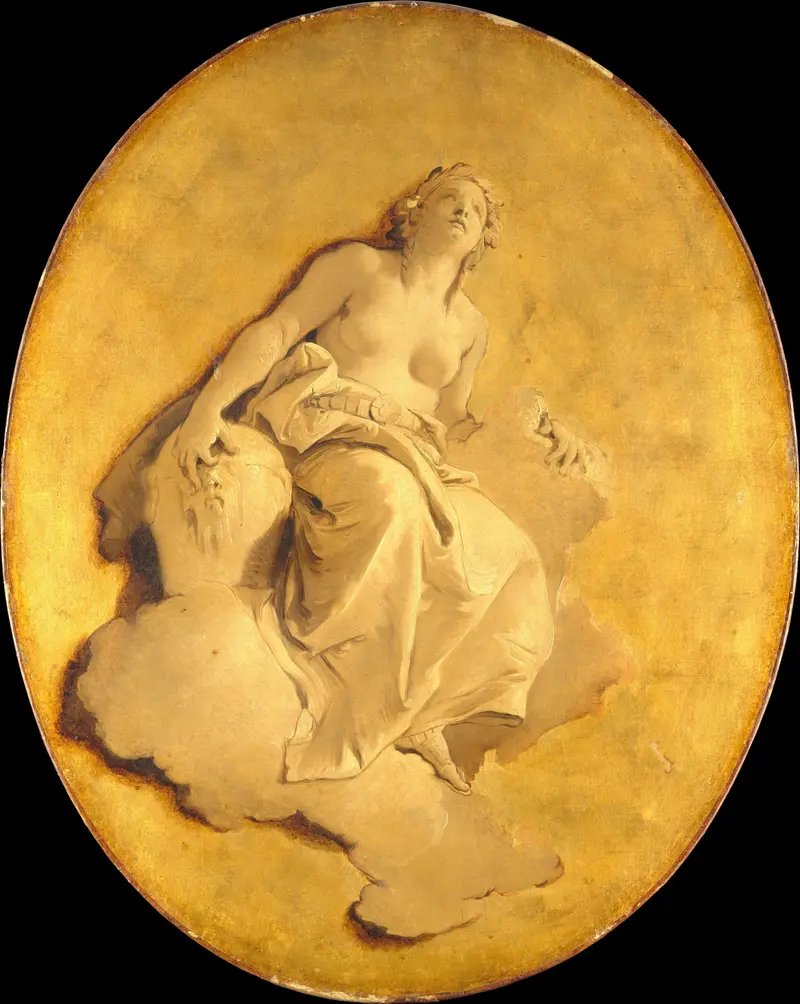
A Female Allegorical Figure
Giovanni Battista Tiepolo
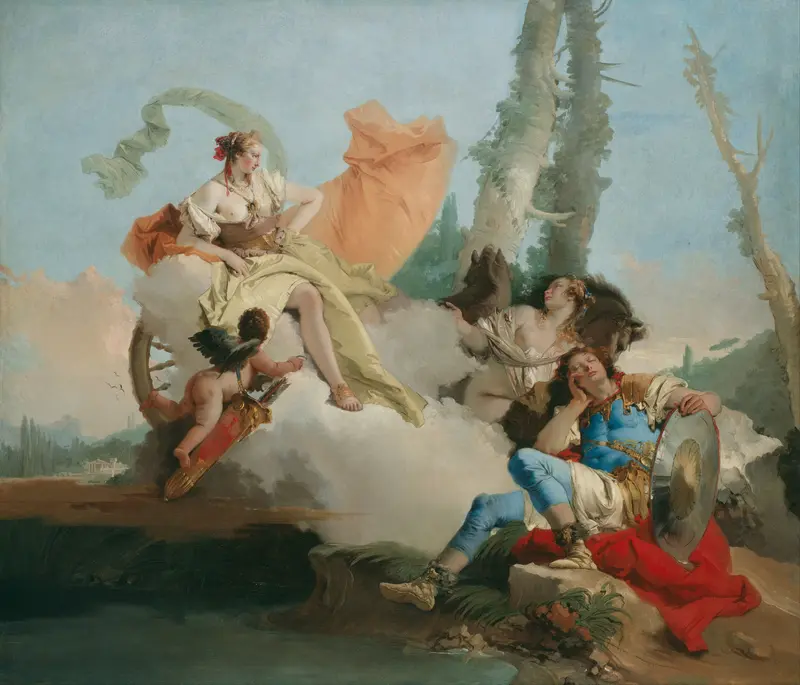
Armida Encounters the Sleeping Rinaldo
Giovanni Battista Tiepolo
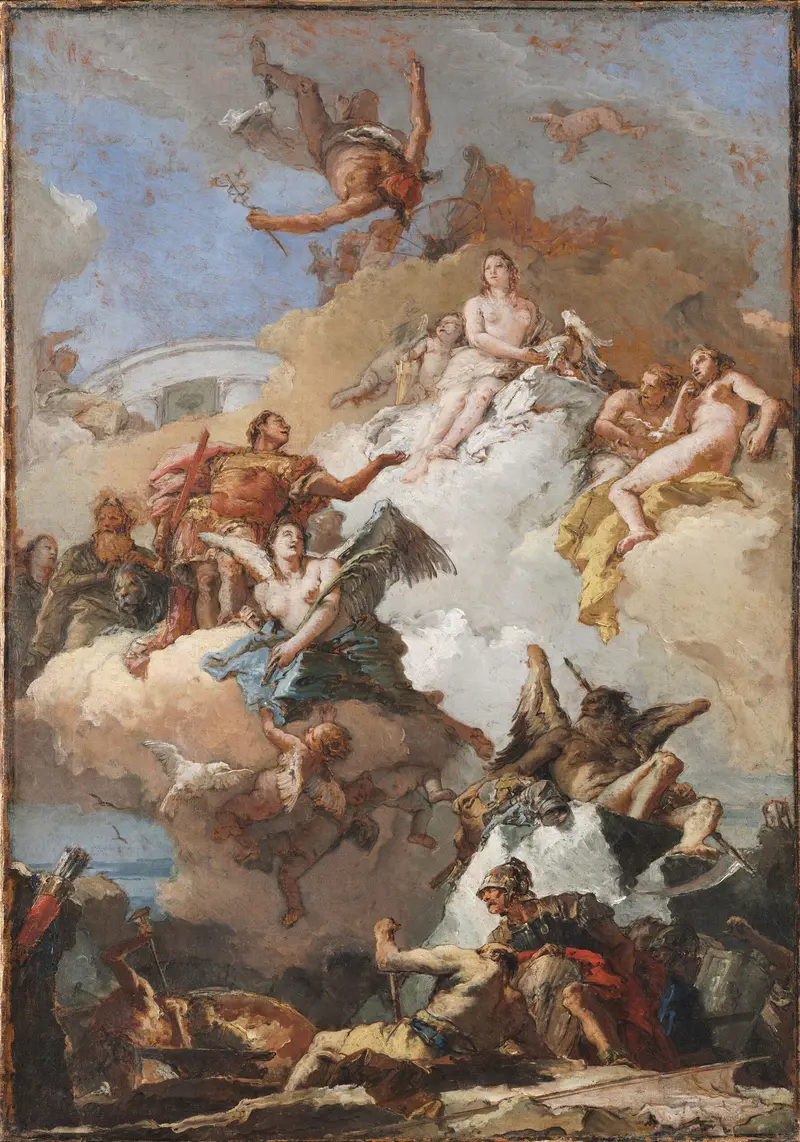
The Apotheosis of Aeneas
Giovanni Battista Tiepolo
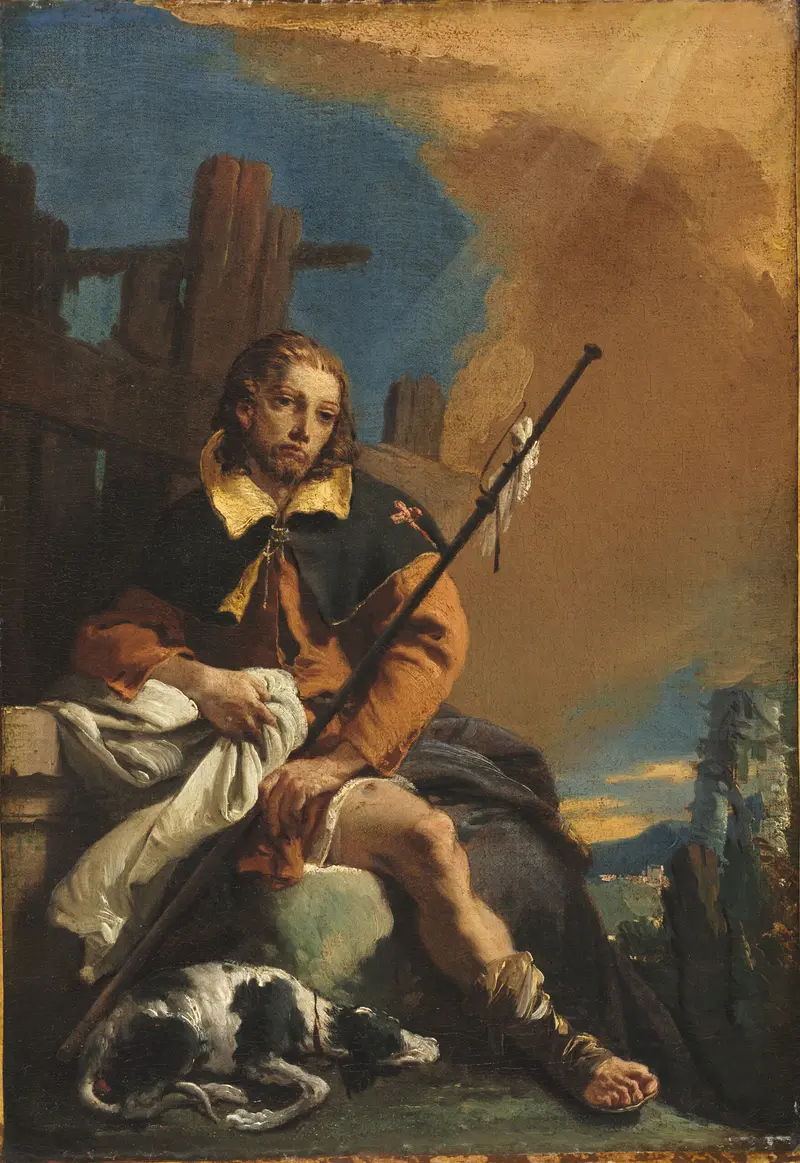
Saint Roch as a Pilgrim
Giovanni Battista Tiepolo
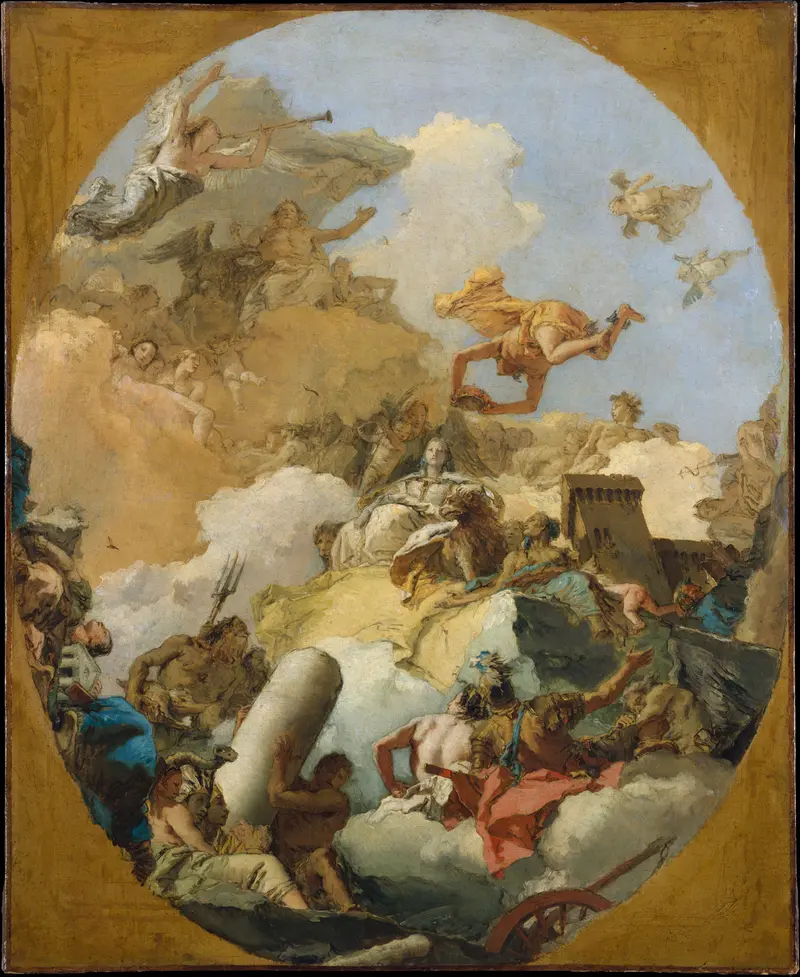
The Apotheosis of the Spanish Monarchy
Giovanni Battista Tiepolo





