
Saint Lawrence prepared for Martyrdom — History & Facts
What grips the eye first in Saint Lawrence prepared for Martyrdom is not the violence of the scene, but the charged stillness before it. The young martyr stands at the center, his white robe being fastened by a servant, his gaze lifted and calm, as if already touched by another world. Above him, an angel descends, arm outstretched and palm branch in hand—a sign of victory over death—while the crowd swirls in a tapestry of color and costume.
The light falls with intention: it bathes Lawrence and the angel in clarity, while the onlookers and executioners recede into shadow, their faces a mix of curiosity, indifference, and silent dread. In the background, a fire is stoked, its orange glow a grim reminder of what is to come, yet the mood is not one of terror, but of solemn anticipation. Painted between circa 1600 and 1601 by Adam Elsheimer, this work belongs to a world where stories of saints and martyrs were painted for private devotion and public instruction alike. Artists of the early seventeenth century, particularly those working in the circles of Rome and Northern Europe, delighted in weaving together the sacred and the everyday, using contemporary dress and classical ruins to bridge past and present.
History has kept few traces of this particular painting’s early journey, but today it resides in the National Gallery, London, where it invites viewers to linger over its details: the opulent robes, the attentive gestures, the silent marble statue standing witness. In this small panel, the drama of faith and fate is played out with a quiet intensity that rewards slow looking.
More Artworks by Adam Elsheimer

Saint John the Baptist in the Wilderness
Adam Elsheimer
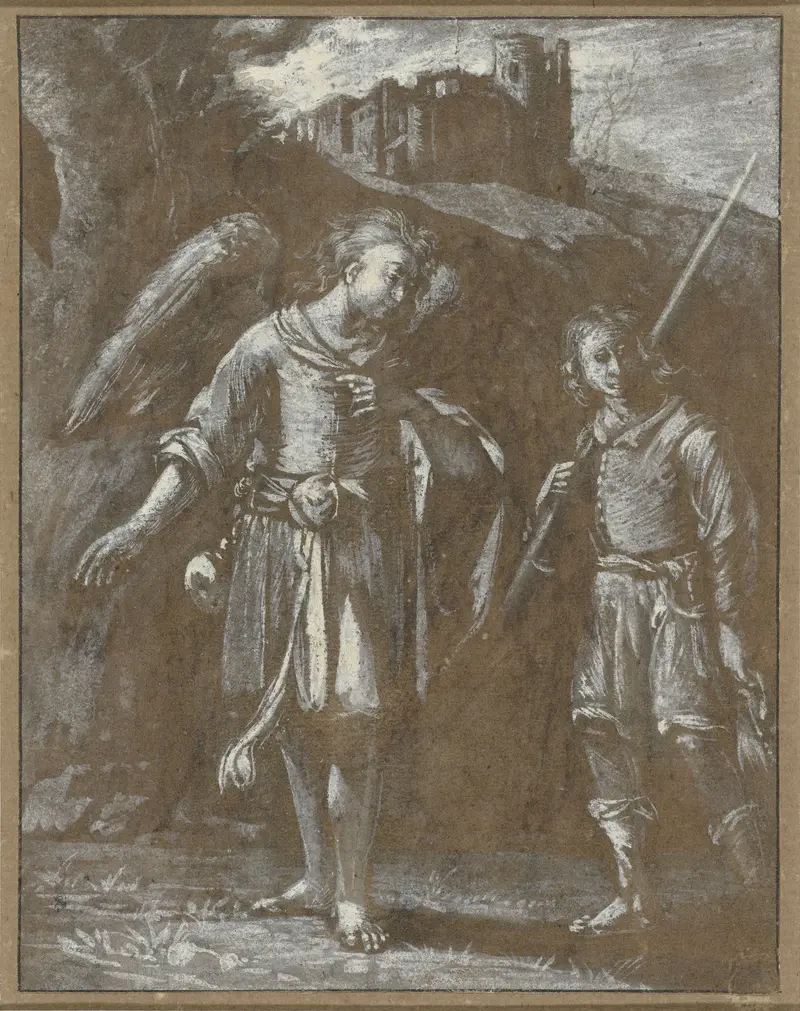
Tobias en de engel
Adam Elsheimer
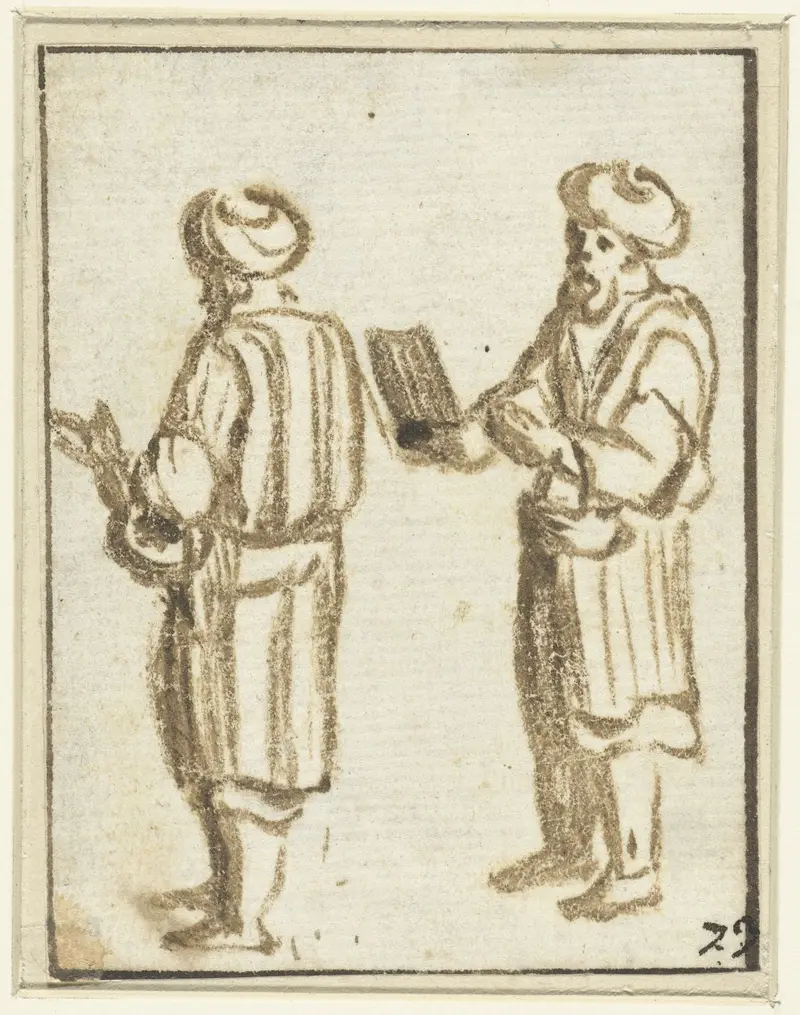
Twee staande mannen met tulbanden
Adam Elsheimer
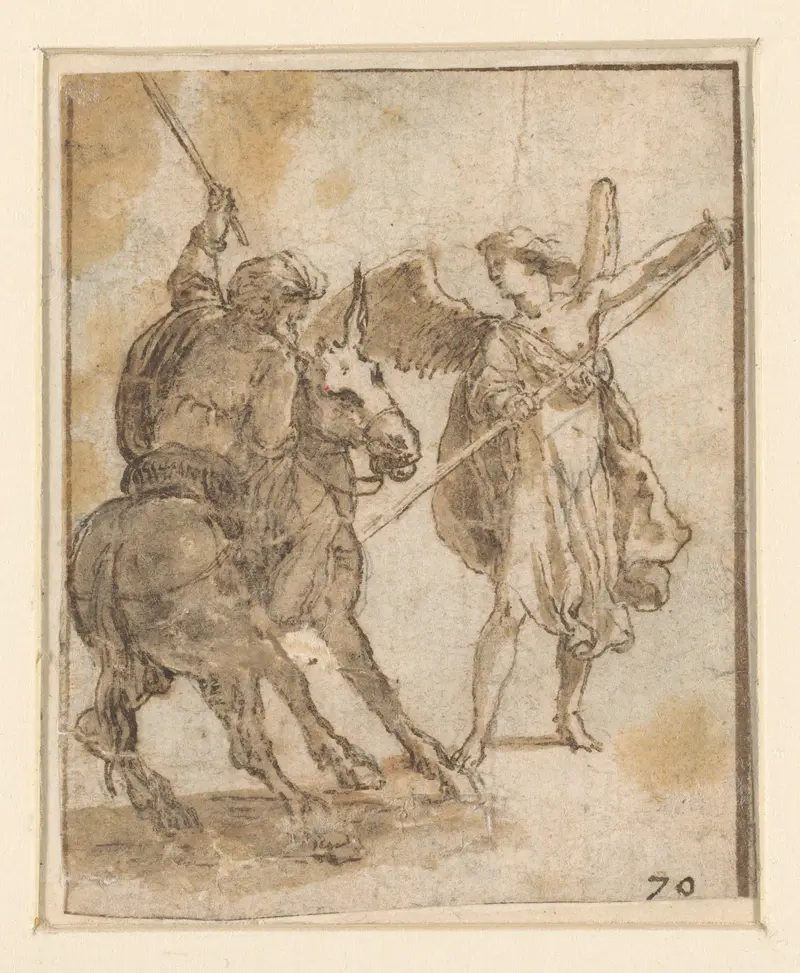
Bileam op zijn ezel ontmoet de engel
Adam Elsheimer
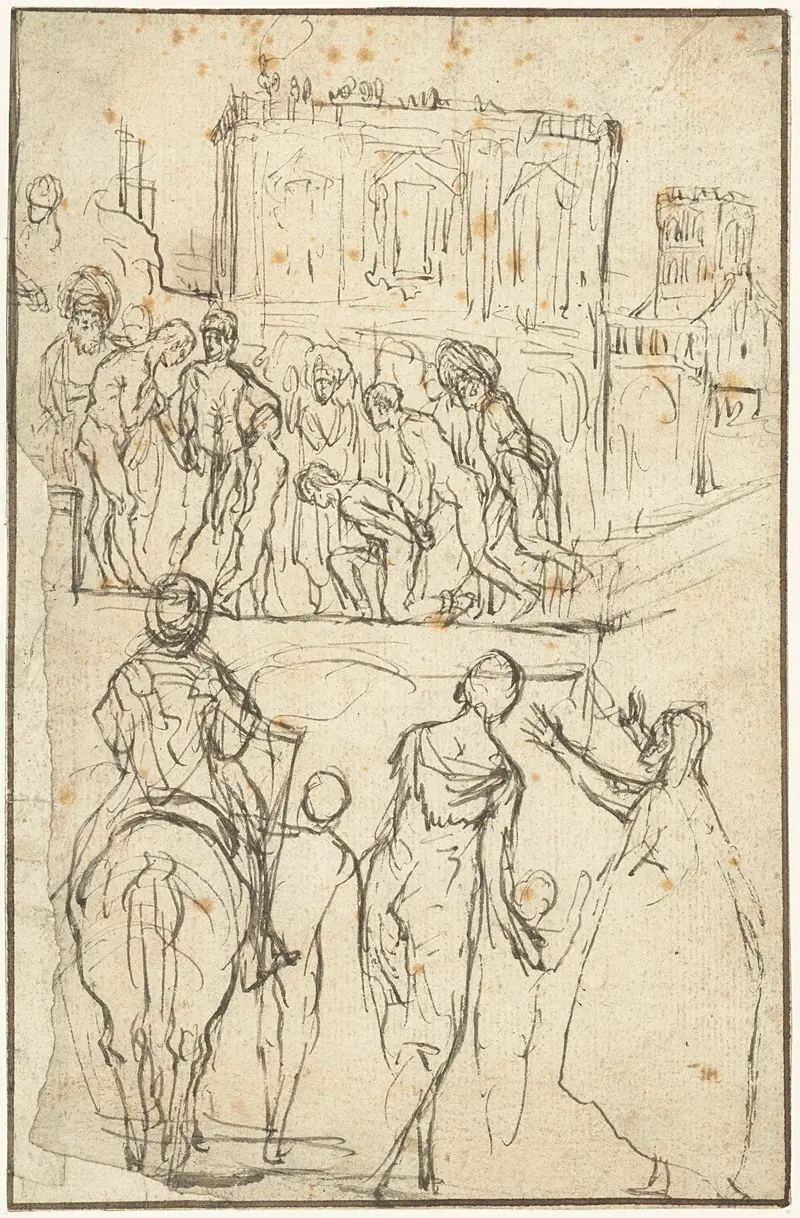
Judgement Scene with a Bound Prisoner
Adam Elsheimer
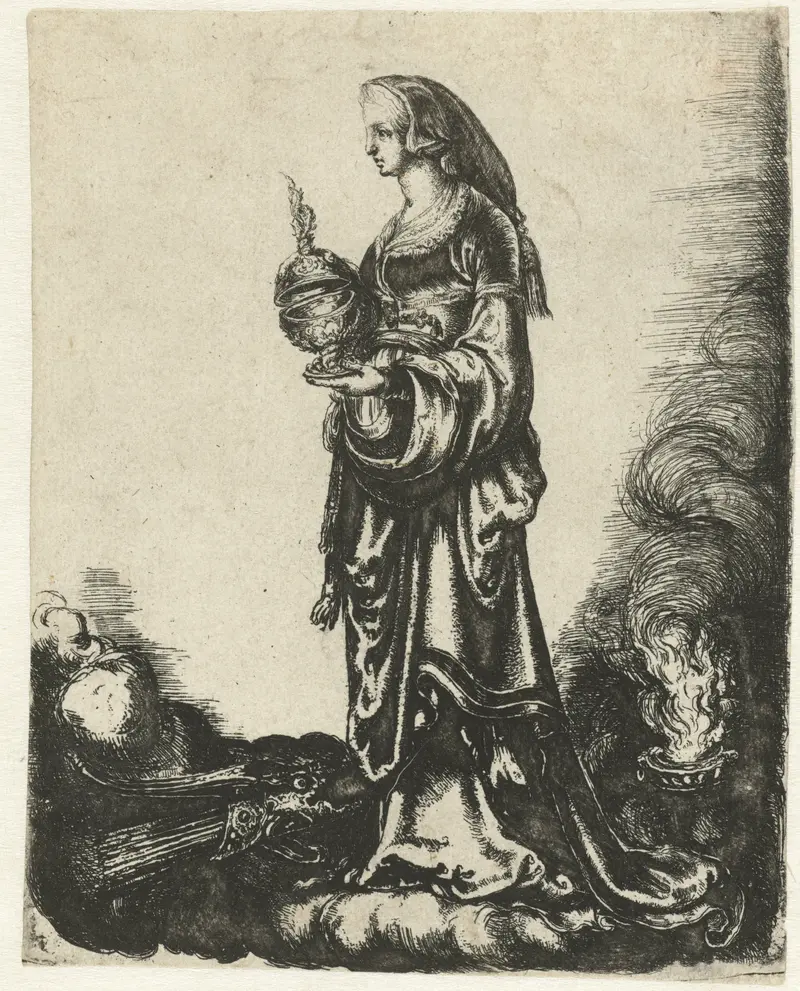
Allegorie met vrouw met beker staand op wolk
Adam Elsheimer
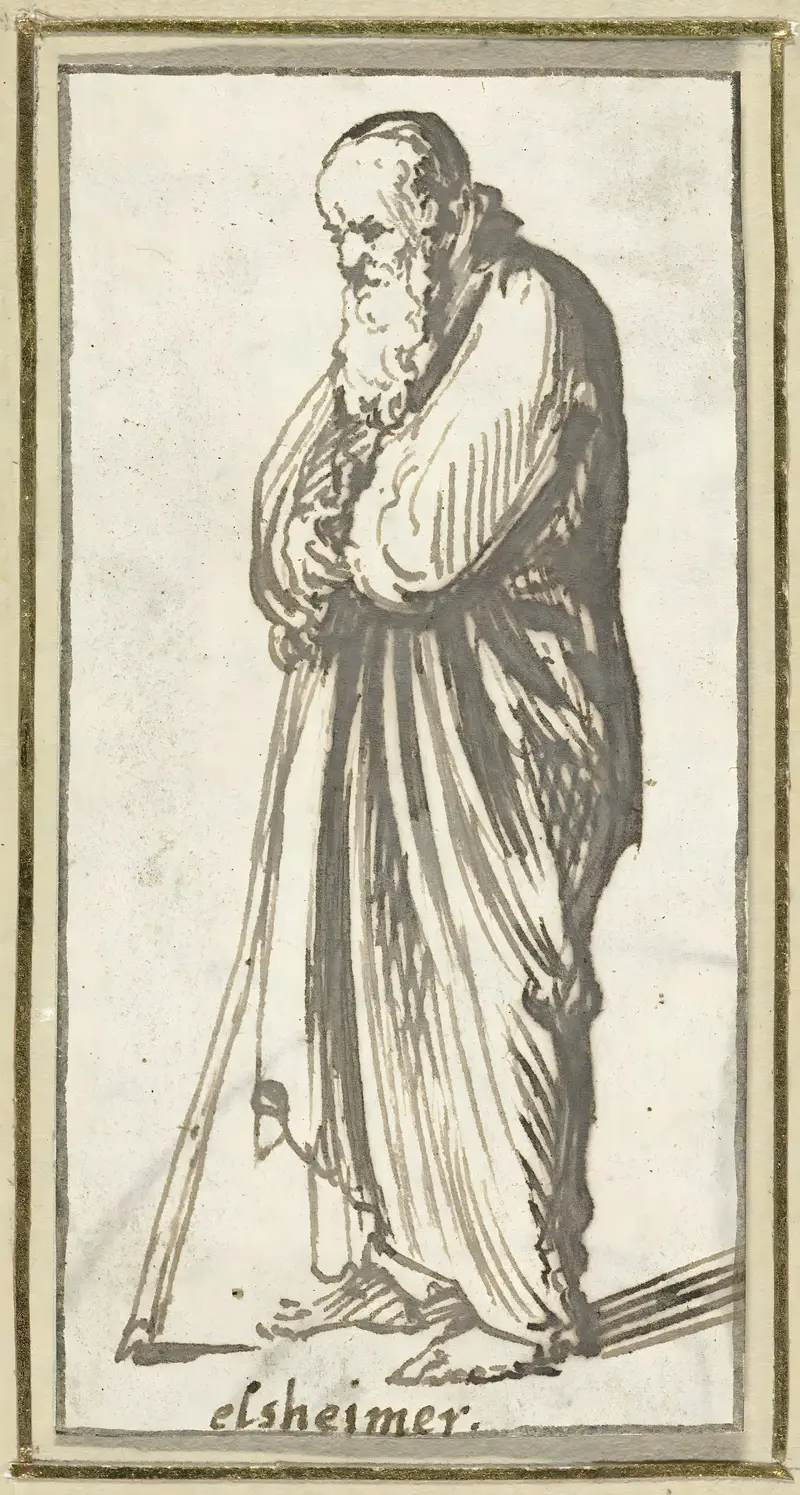
Oude man in lang gewaad
Adam Elsheimer
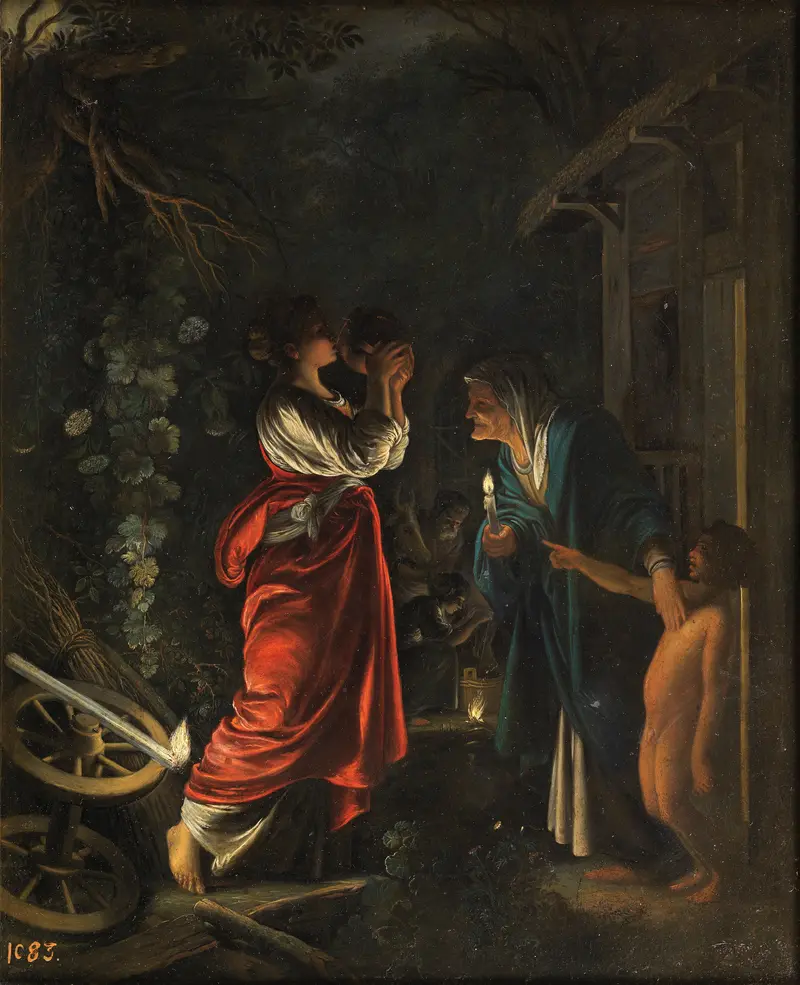
Ceres in the House of Hecuba
Adam Elsheimer
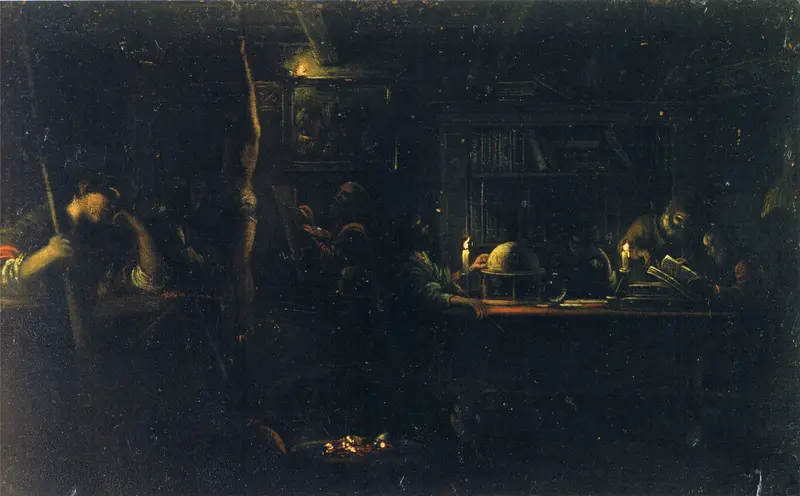
Minerva as patroness of Arts and Sciences
Adam Elsheimer
The Mocking of Ceres
Adam Elsheimer





