
Saint Louis of Toulouse — History & Facts
When Piero della Francesca painted Saint Louis of Toulouse around 1460, he was engaging with a subject rarely chosen by his Tuscan contemporaries. The cult of Saint Louis, a French royal who renounced his crown for the Franciscan habit, was more popular in Naples and southern Italy—yet here, in central Italy, Piero presents the saint with the clarity and gravity that define his mature style. The painting’s original context remains uncertain; scholars debate whether it was once part of a polyptych or created as a standalone devotional image.
Its presence in the artist’s oeuvre marks a moment when Piero was experimenting with the solemnity and geometry that would later define his most famous altarpieces. The saint stands upright, robed in the sumptuous vestments of a bishop, his youthful face framed by the tonsure of Franciscan humility. In one hand, he holds the crosier, symbol of his episcopal office; in the other, a golden crown, the very emblem of the throne he gave up at age twenty-three to serve the poor. The painting captures the moment of renunciation: Louis’s gaze is calm, his gesture measured, as if weighing the earthly power he has set aside.
Piero’s use of light, falling evenly across the figure, creates a sculptural presence reminiscent of Masaccio’s frescoes, yet the saint’s introspective mood is entirely Piero’s own. Unlike Simone Martini’s more decorative portrayals of the same subject, here the focus is on the moral weight of the saint’s decision. The subsequent history of Saint Louis of Toulouse is not well documented, and its original patron remains unknown. What is certain is that the painting reflects the mid-fifteenth-century fascination with individual sanctity and the new naturalism spreading through the courts of central Italy.
Today, the work is recognized as a key example of Piero della Francesca’s early maturity, bridging his earlier, more Gothic influences and the lucid monumentality of his later masterpieces. It now hangs in the Museo Civico of Sansepolcro, the artist’s hometown, where it continues to invite reflection on sacrifice and spiritual resolve.
More Artworks by Piero Della Francesca

Portrait of the Duchess of Urbino, Battista Sforza
Piero Della Francesca

Portrait of Federico da Montefeltro
Piero Della Francesca

Federico da Montefeltro, Duke of Urbino
Piero Della Francesca
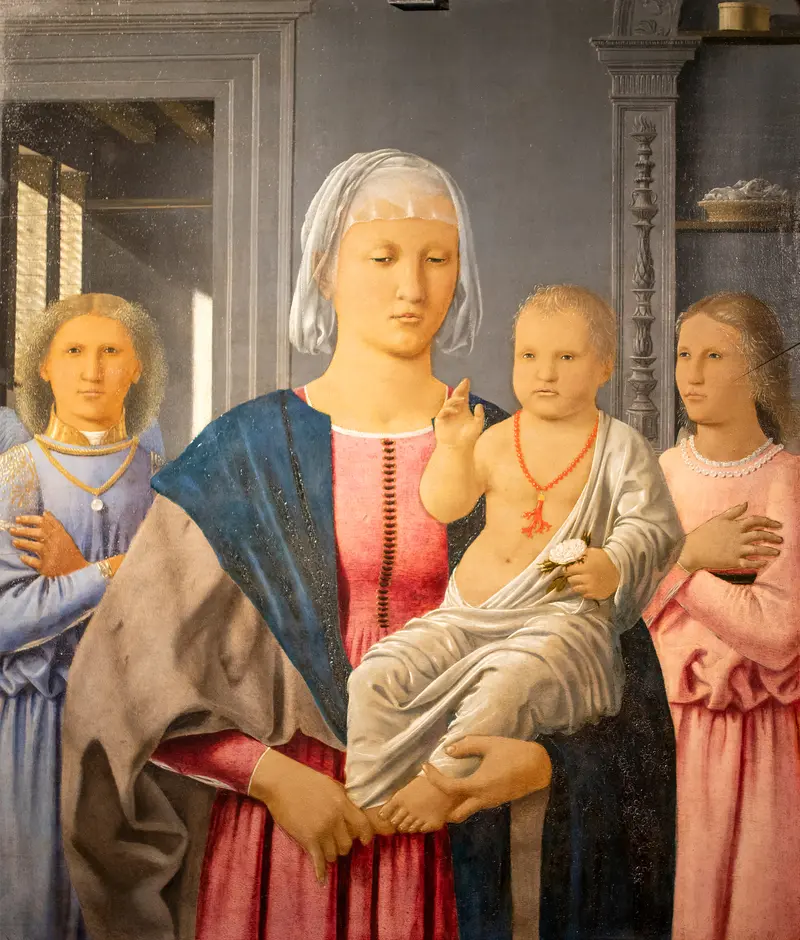
Madonna di Senigallia
Piero Della Francesca
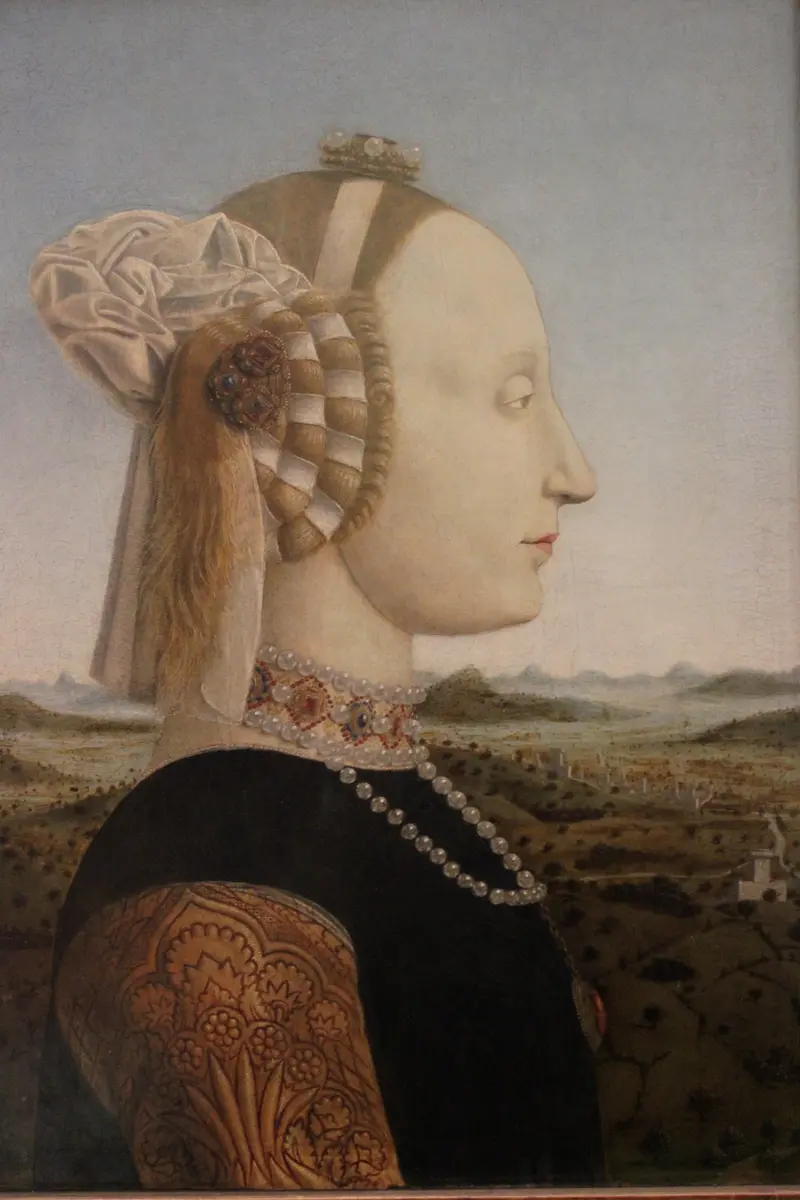
Portrait of Battista Sforza
Piero Della Francesca
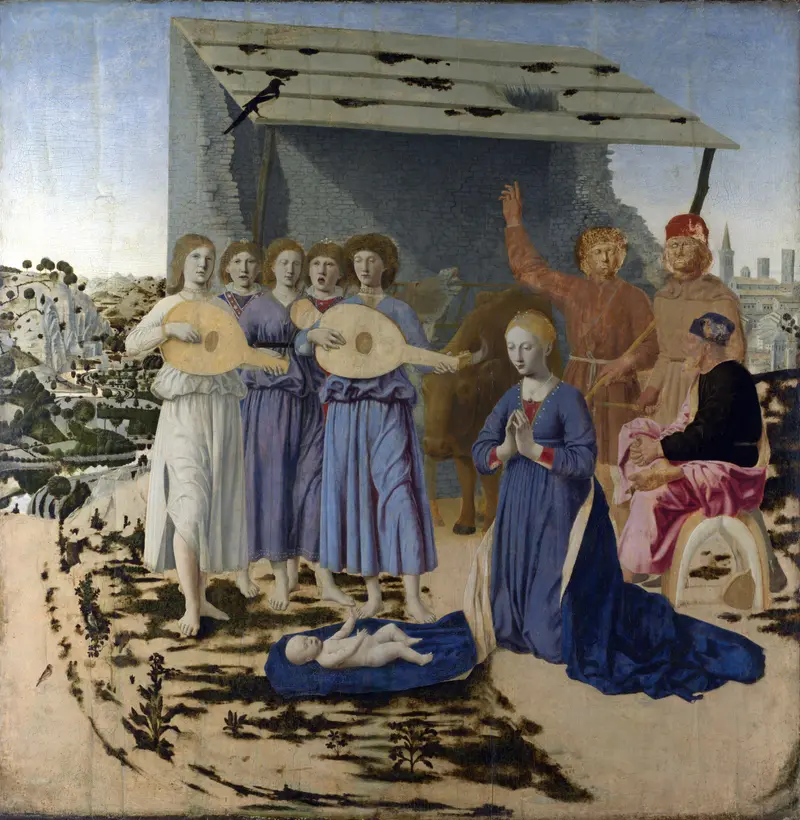
The Nativity
Piero Della Francesca
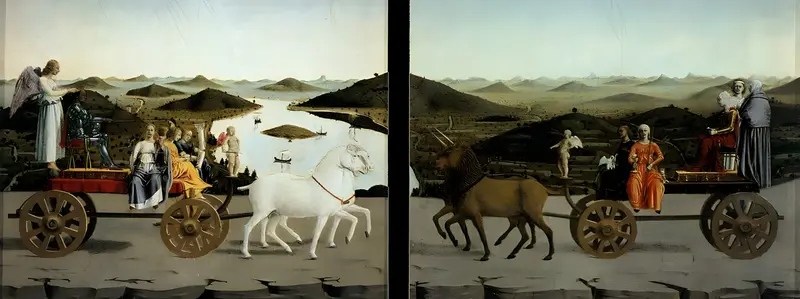
Diptych of Federico da Montefeltro and Battista Sforza
Piero Della Francesca
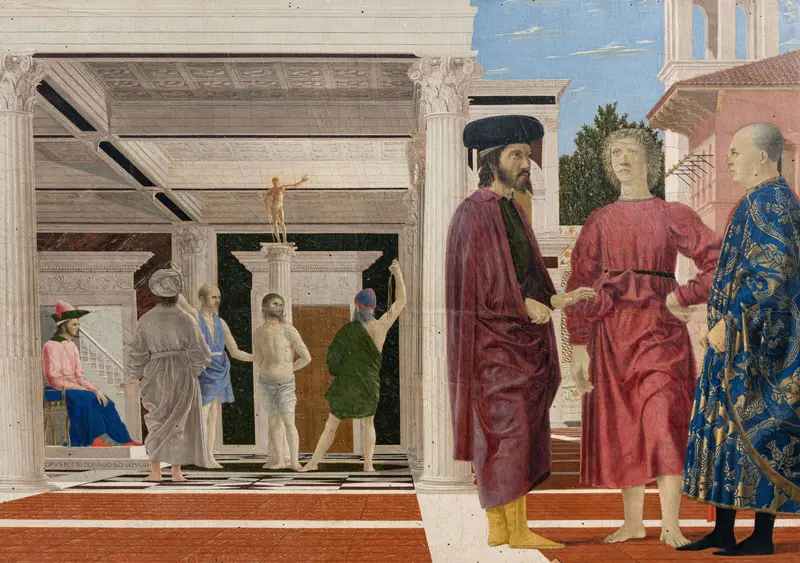
Flagellation of Christ
Piero Della Francesca
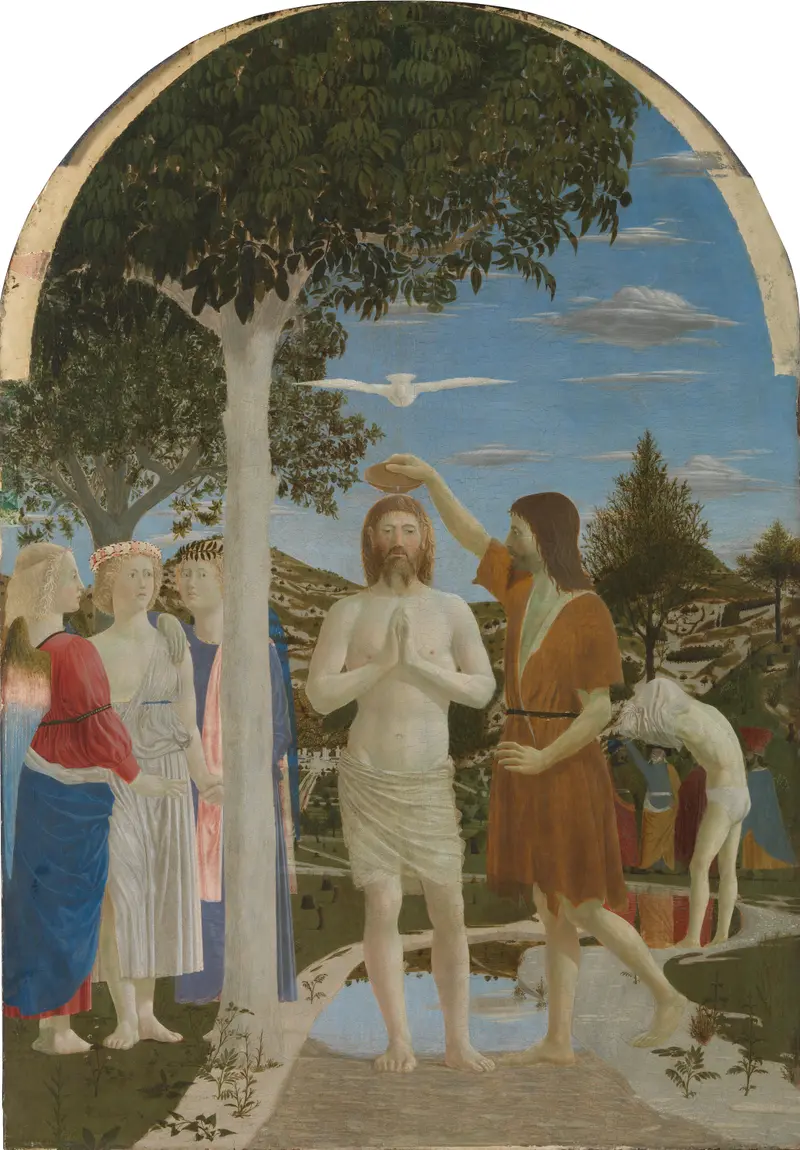
The Baptism of Christ
Piero Della Francesca
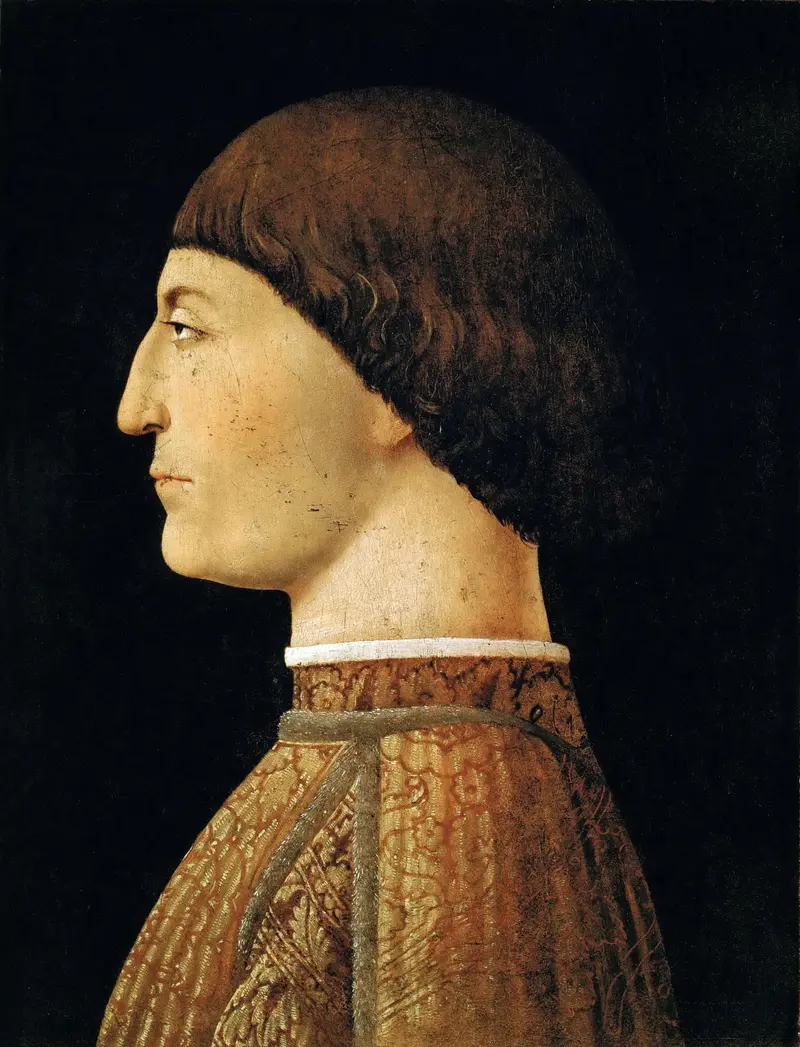
Portrait of Sigismondo Pandolfo Malatesta
Piero Della Francesca





