
Saint Mary Magdalen — History & Facts
Few saints have inspired as many paintings as Mary Magdalene, but Simon Vouet’s Saint Mary Magdalen stands out for its air of theatrical intimacy, a hallmark of the French Baroque. The painting’s precise date and original patron remain unknown, yet its impact is clear: Vouet’s Magdalene became a touchstone for later French interpretations of repentance and divine grace. The work’s popularity is attested by the number of copies and variants that followed in its wake, both from Vouet’s own workshop and from his followers.
The painting’s fame also lies in its fusion of Italian and French sensibilities, a blend Vouet perfected after his return from Rome to Paris in the 1620s. At the heart of the canvas, Mary Magdalene is caught in a moment of private revelation. Her gaze is cast upward, eyes moist with tears, as she contemplates a skull resting on her lap—a traditional symbol of mortality and penitence. The cascade of golden hair, the rich fabrics, and the gentle illumination falling across her face all serve to heighten the drama of her conversion from sinner to saint.
Vouet’s Magdalene is neither the wild ascetic of earlier medieval art nor the cool intellectual of later neoclassical works; instead, she is a woman suspended between earthly beauty and spiritual longing. Compared to Caravaggio’s Penitent Magdalene, which cloaks its subject in shadow and restraint, Vouet’s interpretation is more luminous and emotionally direct, inviting the viewer into the saint’s inner world. The journey of Saint Mary Magdalen as an object is as mysterious as its subject’s transformation. While the painting’s early provenance is uncertain, it is characteristic of the altarpieces and devotional images Vouet produced for Parisian patrons after his return from Italy.
Over the centuries, works attributed to Vouet’s Magdalene have surfaced in various collections, sometimes misattributed or confused with studio copies. Today, the painting is celebrated as a key example of Vouet’s influence on French religious art, bridging the grandeur of the Italian Baroque with the emerging elegance of the French court. Its current location and medium may be uncertain, but its legacy endures in the enduring image of the penitent saint.
More Artworks by Simon Vouet

Portrait of Louis XIII
Simon Vouet
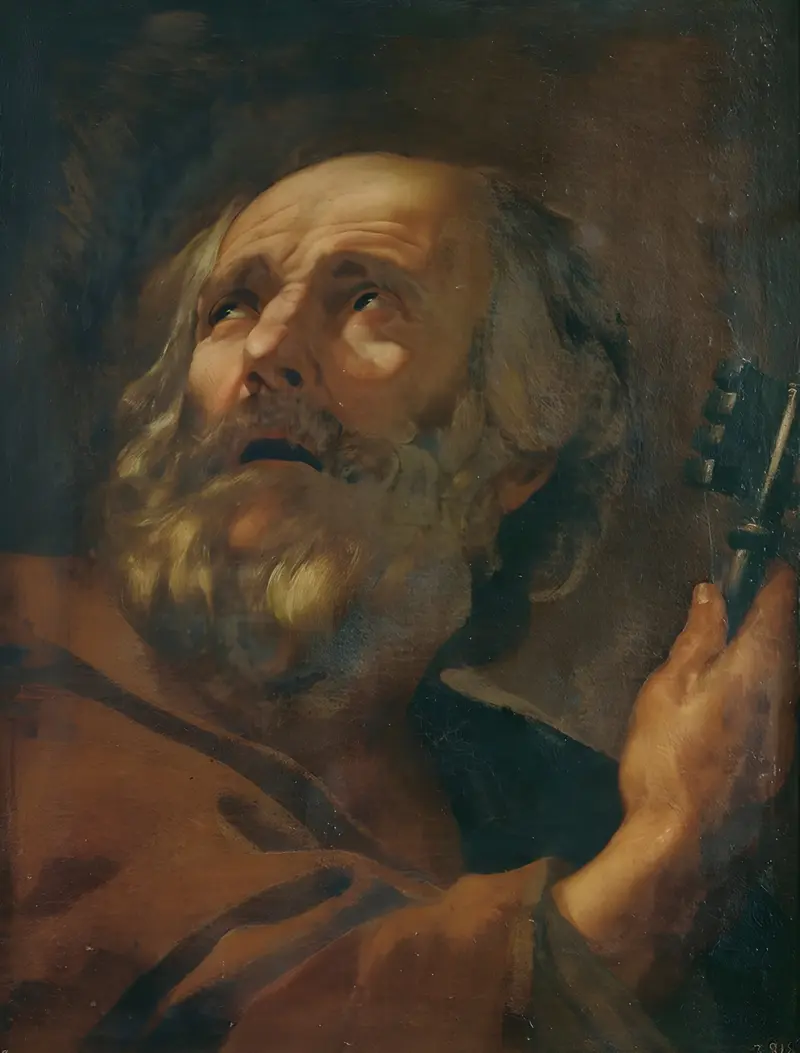
Saint Peter
Simon Vouet
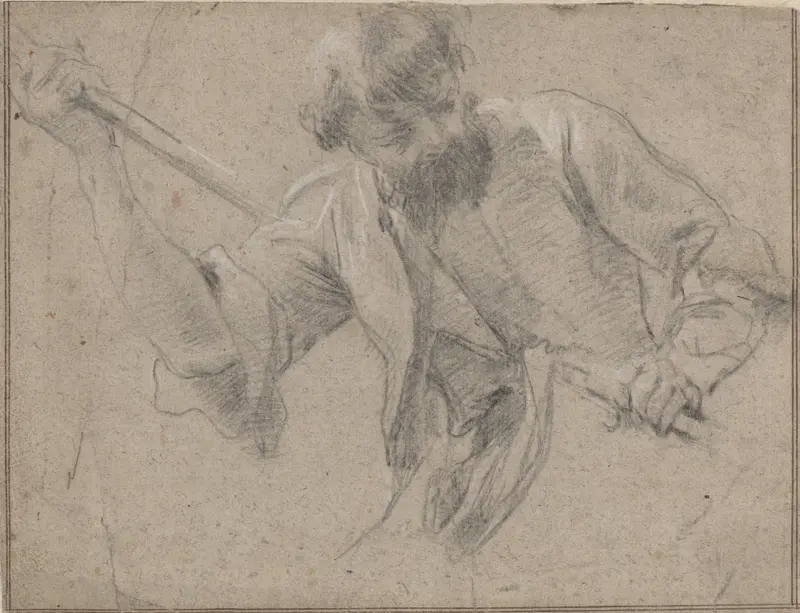
A Bearded Man with a Staff
Simon Vouet
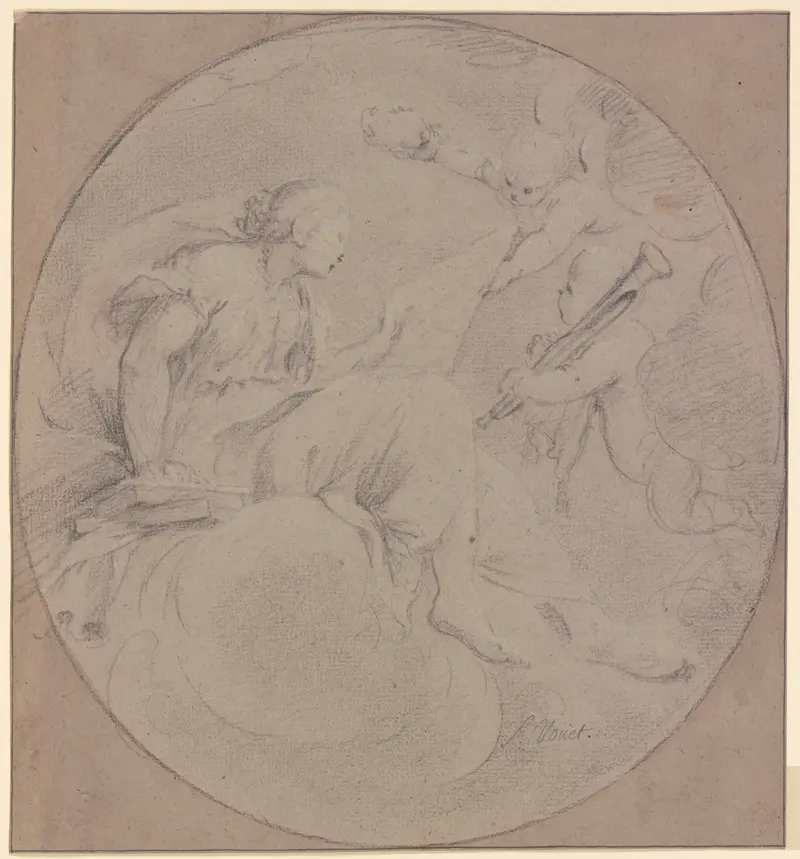
Die Muse der Musik mit zwei Genien, deren einer eine Trompete trägt
Simon Vouet
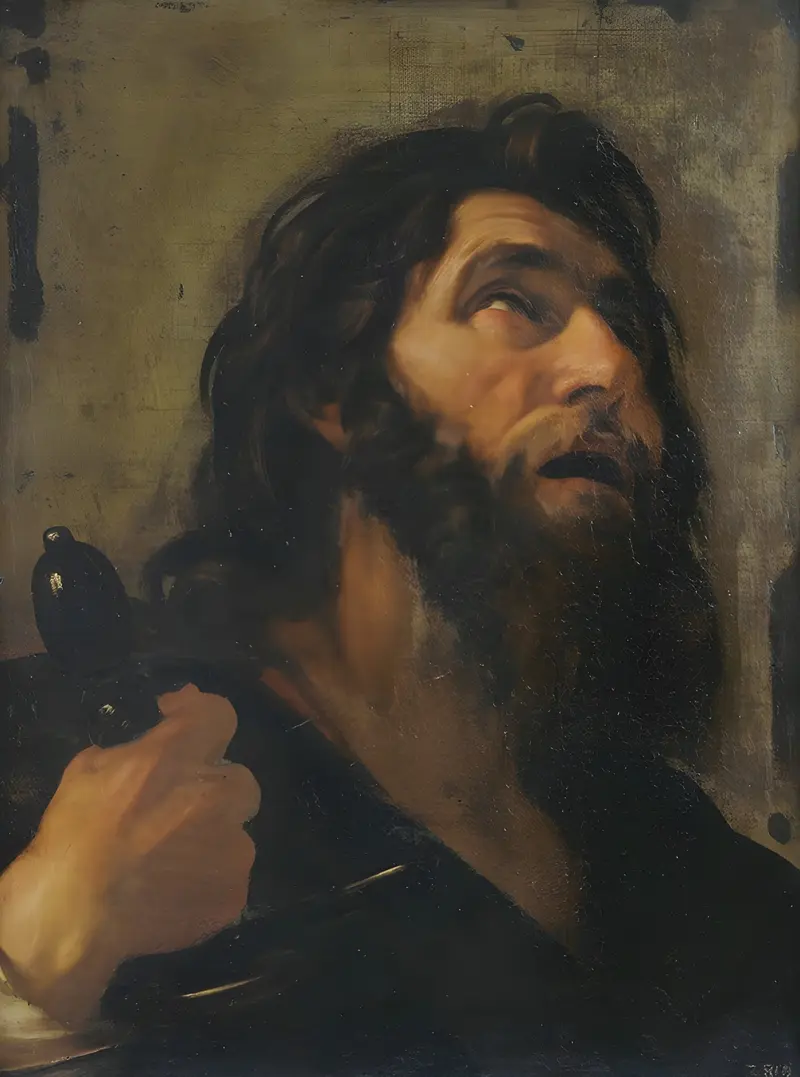
Saint Paul
Simon Vouet
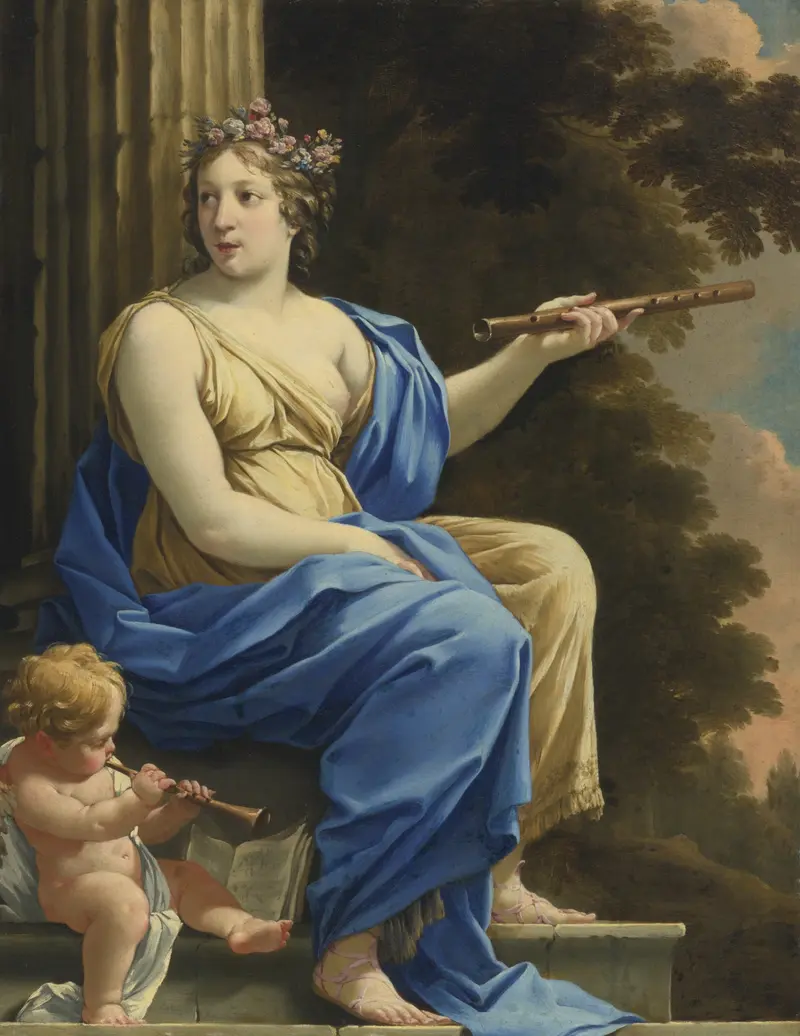
Euterpe, The Muse Of Music And Lyric Poetry
Simon Vouet
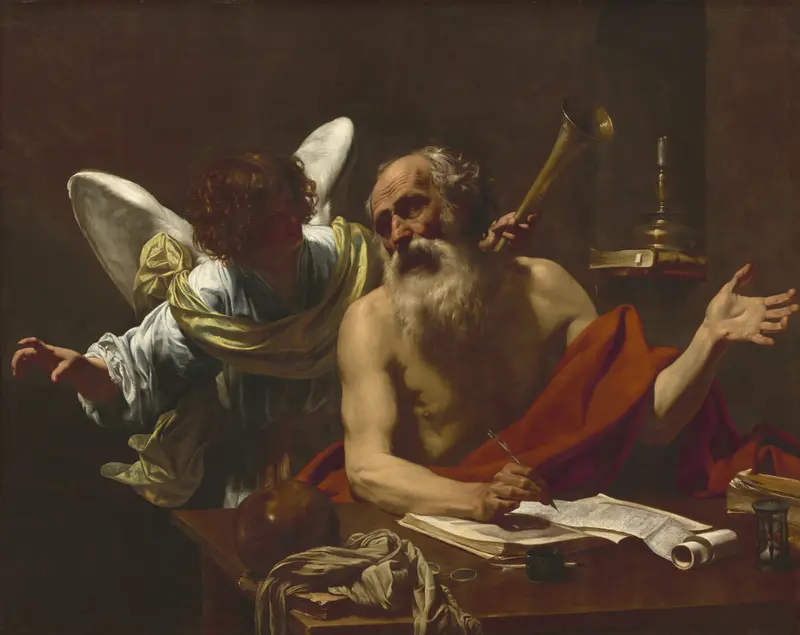
Saint Jerome and the Angel
Simon Vouet
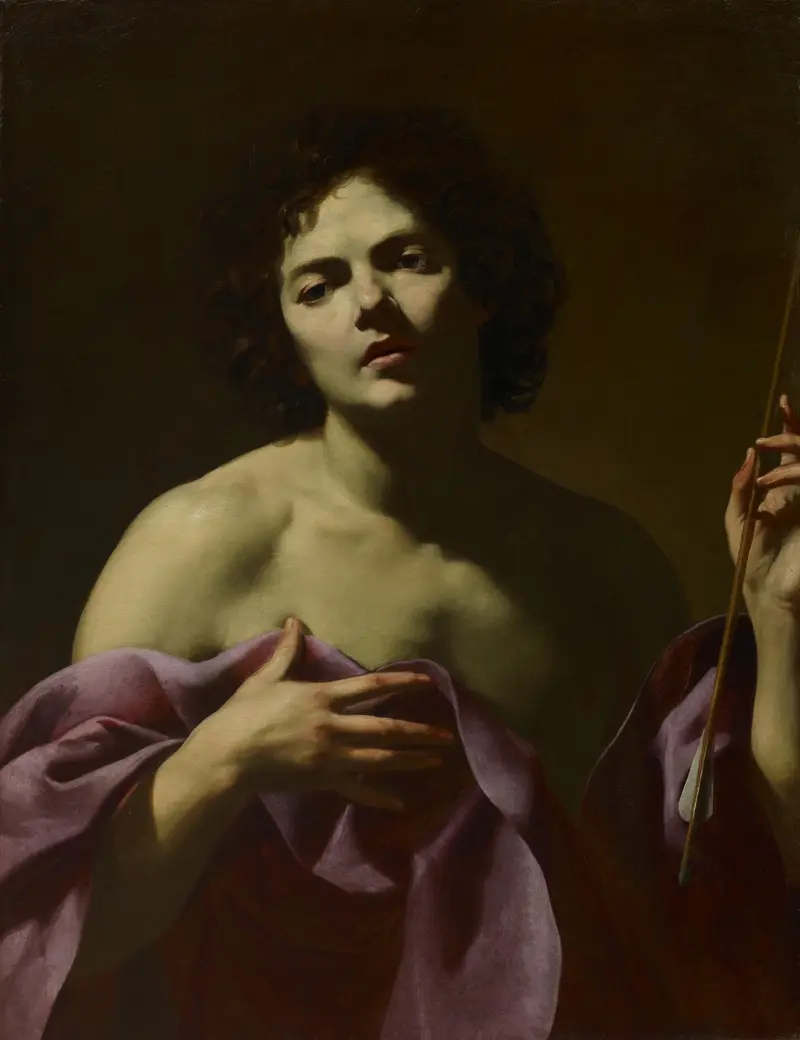
Saint Sebastian
Simon Vouet
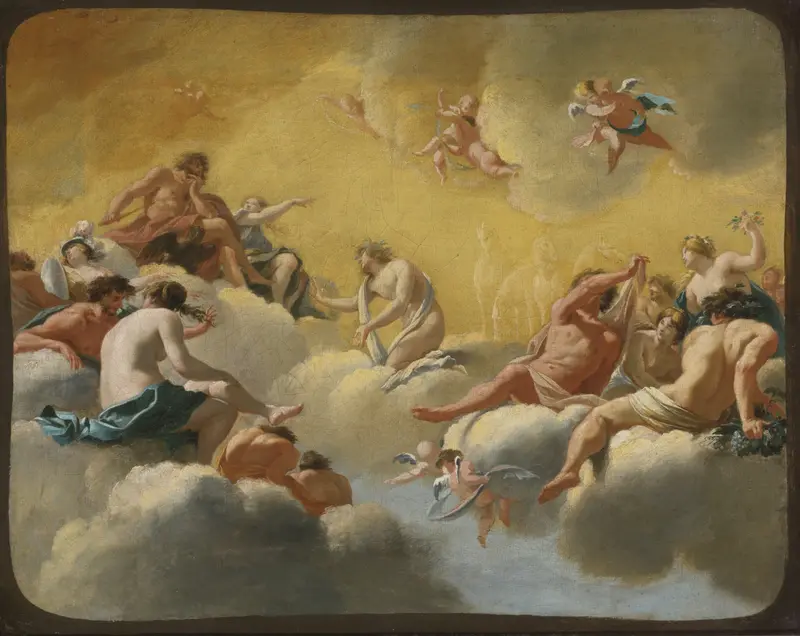
Assembly Of The Gods
Simon Vouet
Madonna and Child
Simon Vouet





