
Saint Paul on Malta — History & Facts
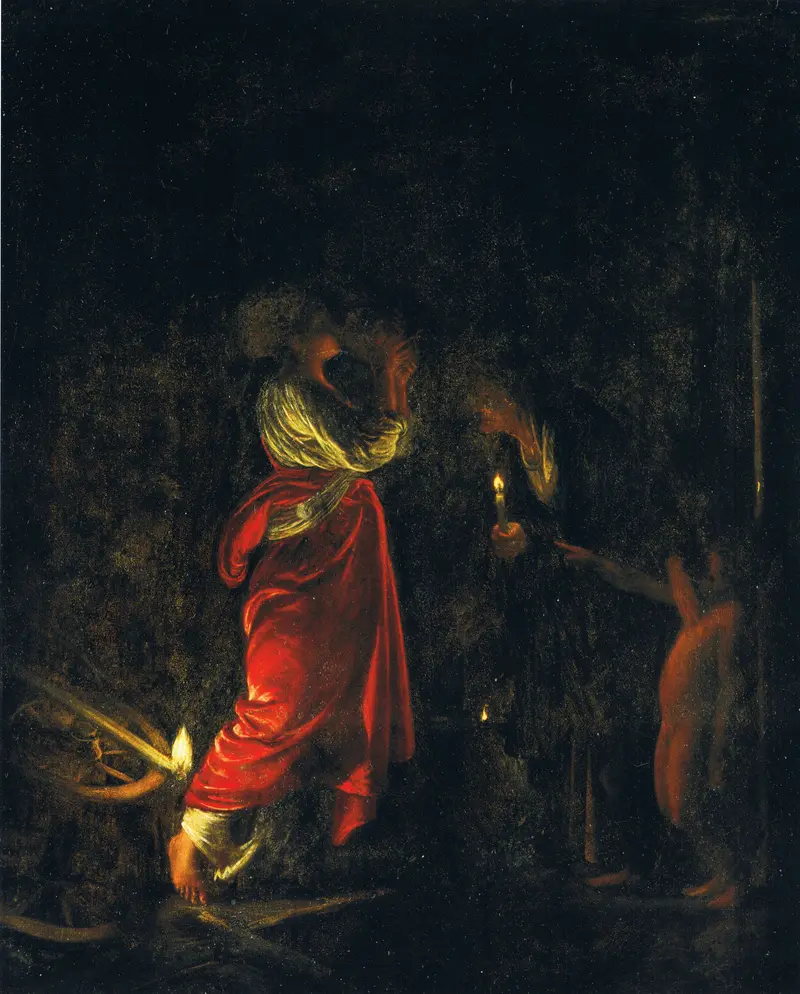
What grips the eye first is the drama of survival and hope, all cast in a world of storm and shadow. A ragged group gathers around a fire, their bodies catching the flicker of warmth after the violence of the sea. The artist, Adam Elsheimer, uses the darkness not to obscure but to heighten: the sky is restless, the waves still churn, and yet the fire’s glow draws every gaze and gesture.
Look at the careful way the figures lean in, some clutching their companions, others reaching out to the flames—each pose a testament to exhaustion, relief, and the fragile return to life. The forested cliff looms, wild and tangled, as if nature itself is both threat and shelter, while the distant fire on the headland hints at further rescue or perhaps another ordeal. Painted in 1600, this work belongs to a world where biblical stories were not only lessons but urgent, living dramas for viewers. In the late Renaissance and early Baroque, artists like Elsheimer found new ways to conjure atmosphere and narrative, often for private collectors or small chapels hungry for images that invited contemplation.
The painting’s presence today in the National Gallery, London, and its listing in GalleriX, reminds us how such works traveled and survived, sometimes leaving little trace of their early owners or journeys. Yet the scene’s intensity—its storm, its fire, its huddled survivors—still asks us to step closer, to feel the cold and the hope, and to imagine what it meant to find light after shipwreck.
More Artworks by Adam Elsheimer

Saint John the Baptist in the Wilderness
Adam Elsheimer
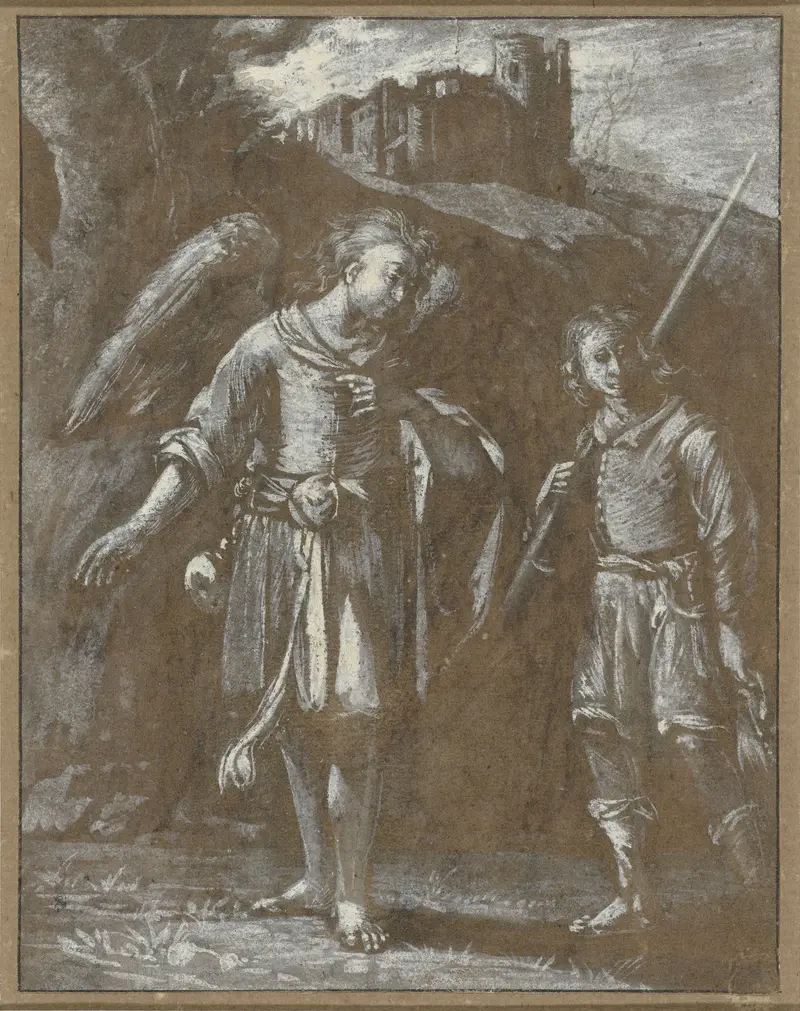
Tobias en de engel
Adam Elsheimer
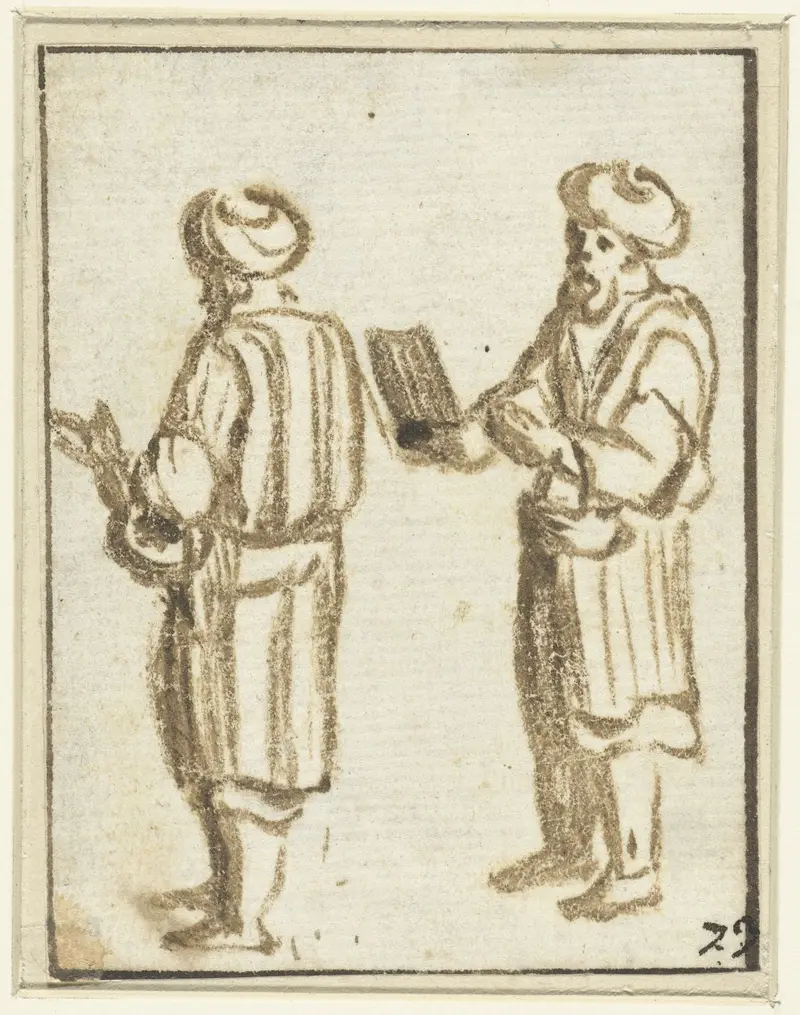
Twee staande mannen met tulbanden
Adam Elsheimer
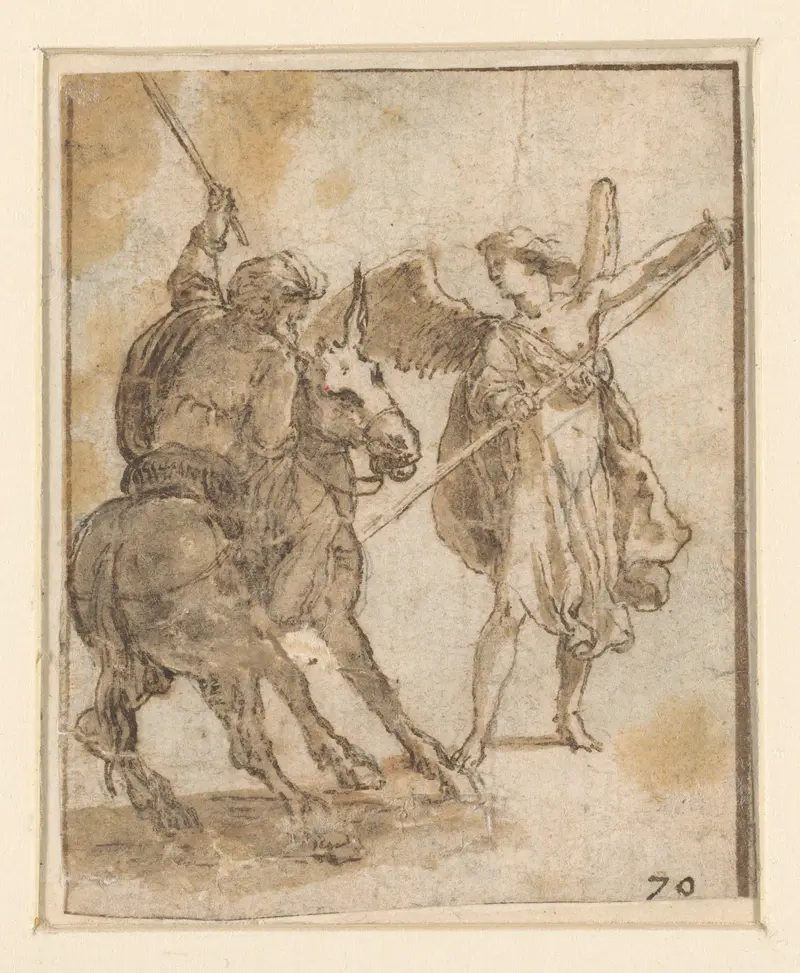
Bileam op zijn ezel ontmoet de engel
Adam Elsheimer
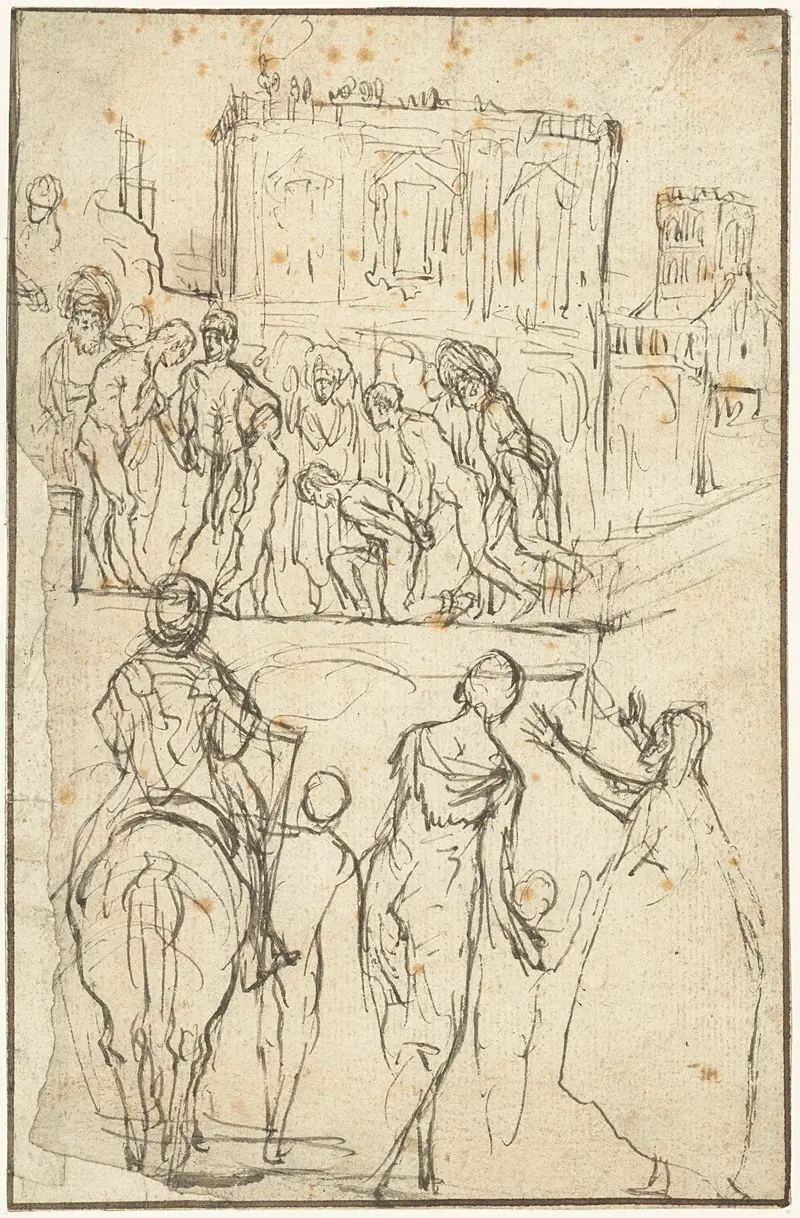
Judgement Scene with a Bound Prisoner
Adam Elsheimer
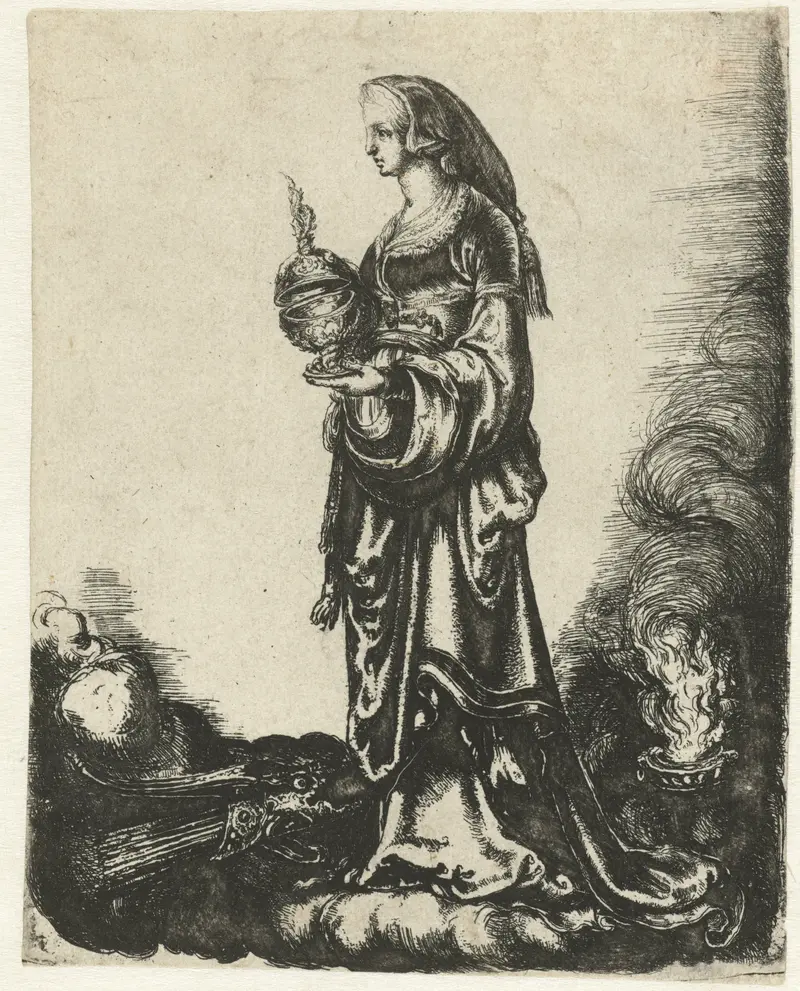
Allegorie met vrouw met beker staand op wolk
Adam Elsheimer
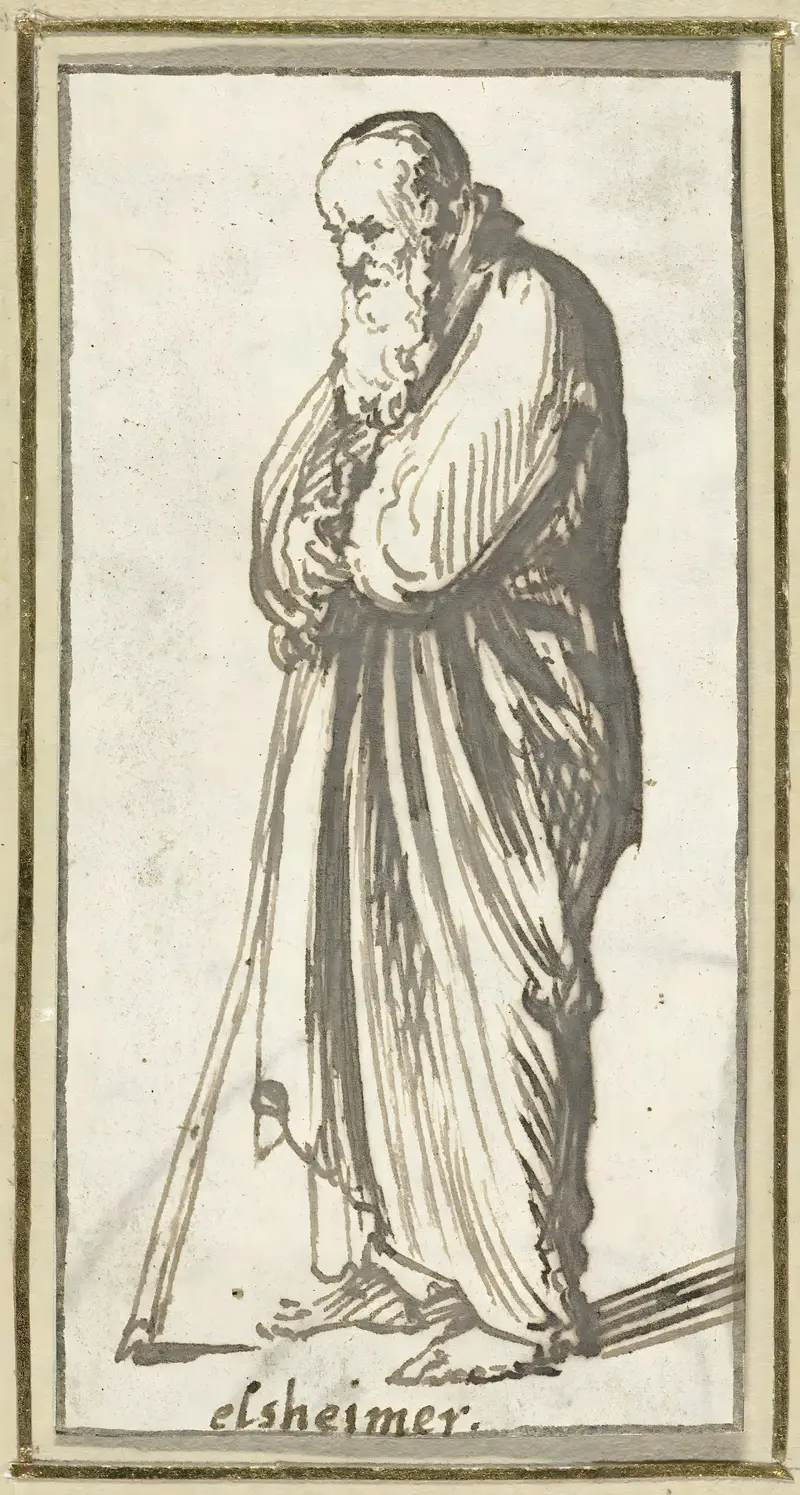
Oude man in lang gewaad
Adam Elsheimer
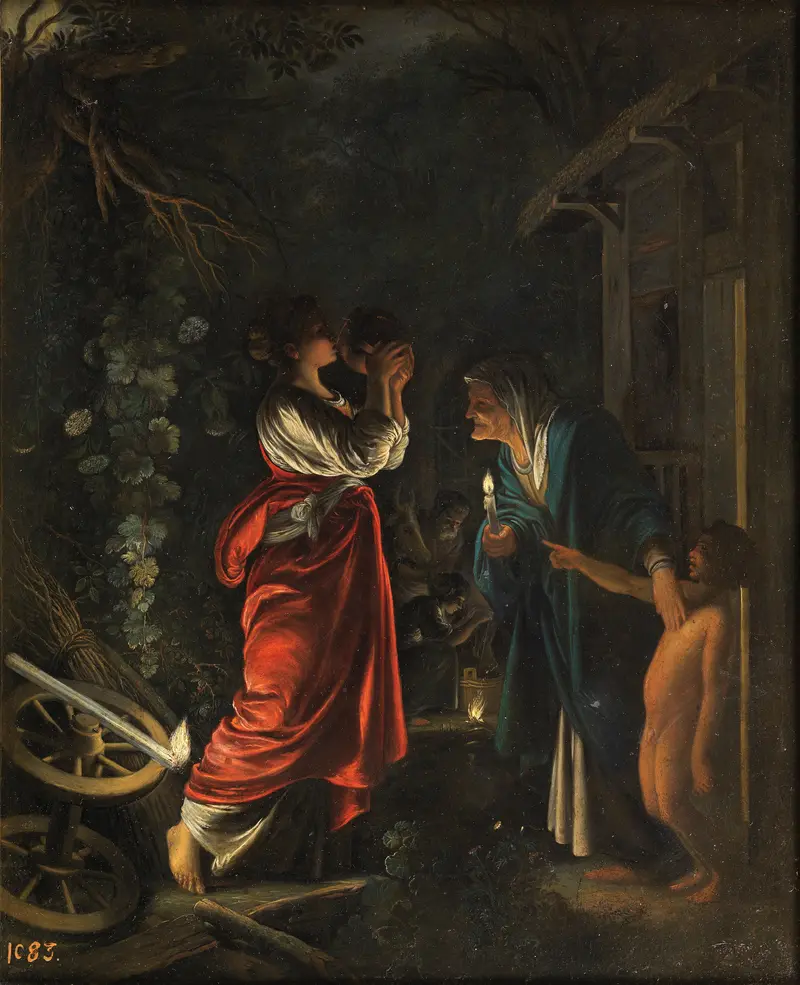
Ceres in the House of Hecuba
Adam Elsheimer
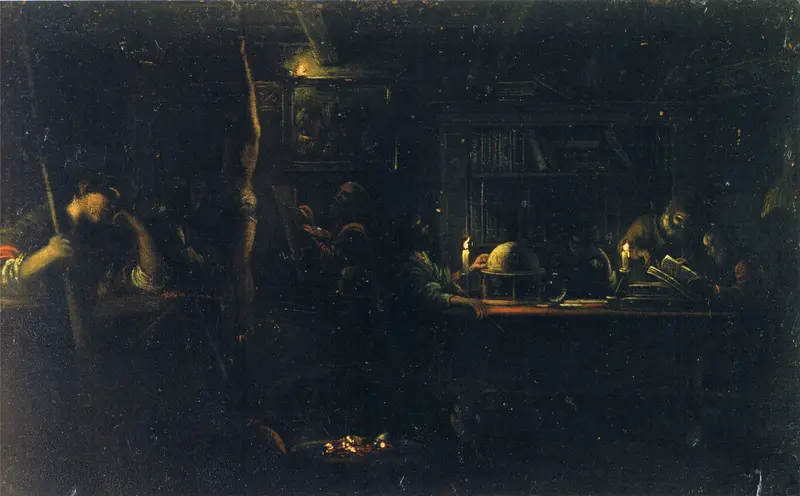
Minerva as patroness of Arts and Sciences
Adam Elsheimer
The Mocking of Ceres
Adam Elsheimer





