
Saint Peter Martyr Healing the Leg of a Young Man — History & Facts
A golden light seems to pour down from the battered, gleaming background, drawing the viewer into a humble wooden workshop where something extraordinary is unfolding. The drama centers on the gentle touch of a saintly figure, his halo picked out in delicate gold, as he bends over a young man’s injured leg. Every gesture in this small, crowded space is charged with anticipation: the saint’s hand raised in blessing, the patient’s tense posture, the cluster of onlookers—each face a study in hope, worry, or wonder.
The rough planks and scattered tools ground the miracle in the everyday, making the supernatural event feel startlingly close. Works like Saint Peter Martyr Healing the Leg of a Young Man by Antonio Vivarini belong to a world where painting was a form of storytelling as much as devotion. Created in the 1450s, a time when Venetian painters were exploring new ways to capture both the sacred and the real, this panel would have been part of a larger altarpiece or cycle, designed to inspire faith in viewers who might never read the stories for themselves. The gold ground, a holdover from earlier medieval traditions, meets the emerging Renaissance interest in space and human presence.
Though history has kept few traces of this specific painting’s journey, its survival—now in the Metropolitan Museum of Art’s open-access collection—invites us to follow the gaze of the painted witnesses, and to wonder at the power of images to make the miraculous visible.
More Artworks by Antonio Vivarini

St. Louis of Toulouse
Antonio Vivarini
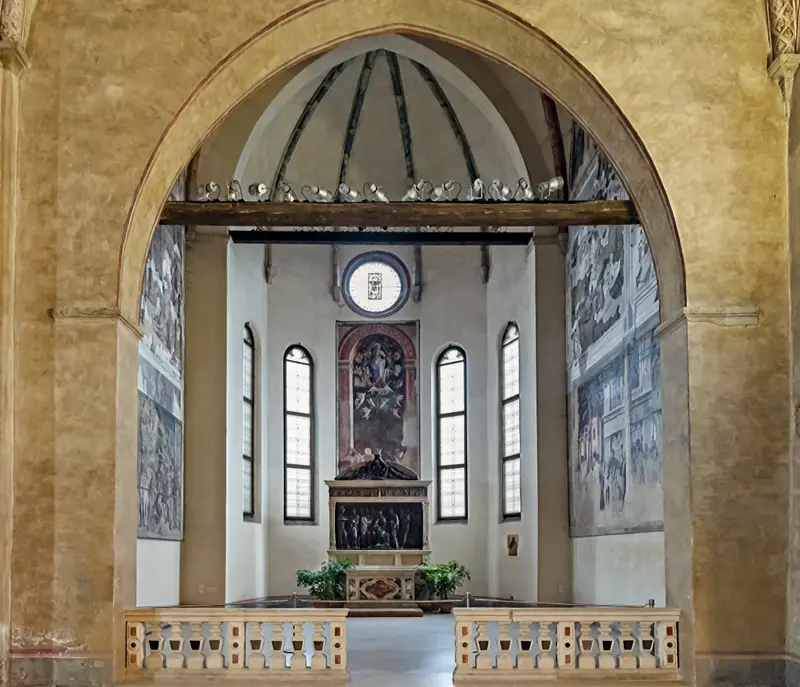
Ovetari Chapel
Antonio Vivarini
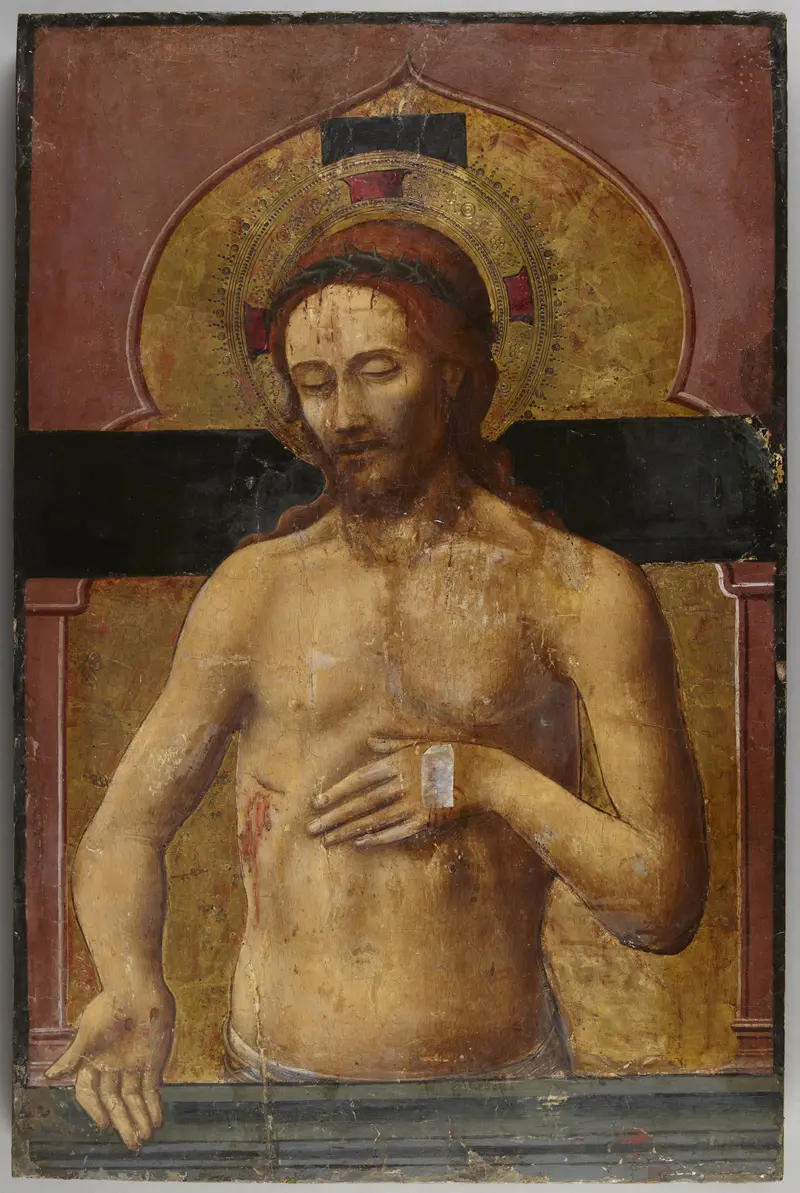
Christ in the Tomb
Antonio Vivarini
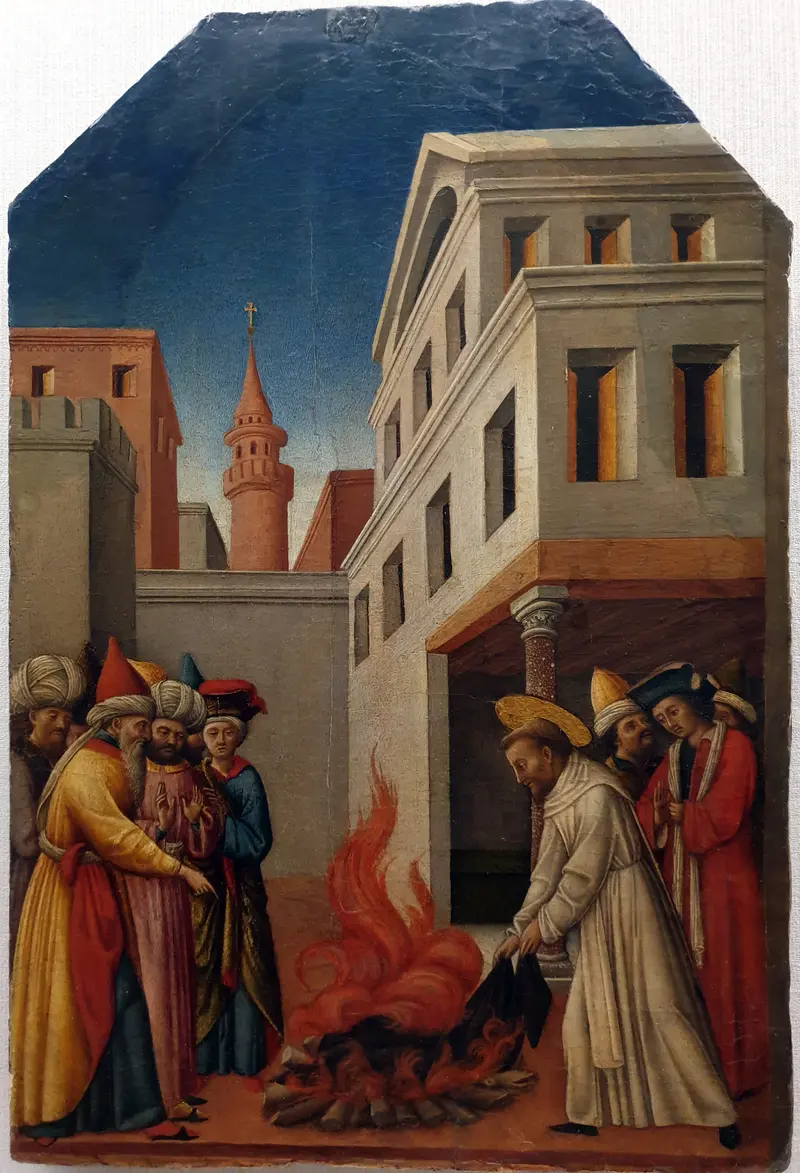
Miracle of the fire of Petrus Martyr
Antonio Vivarini
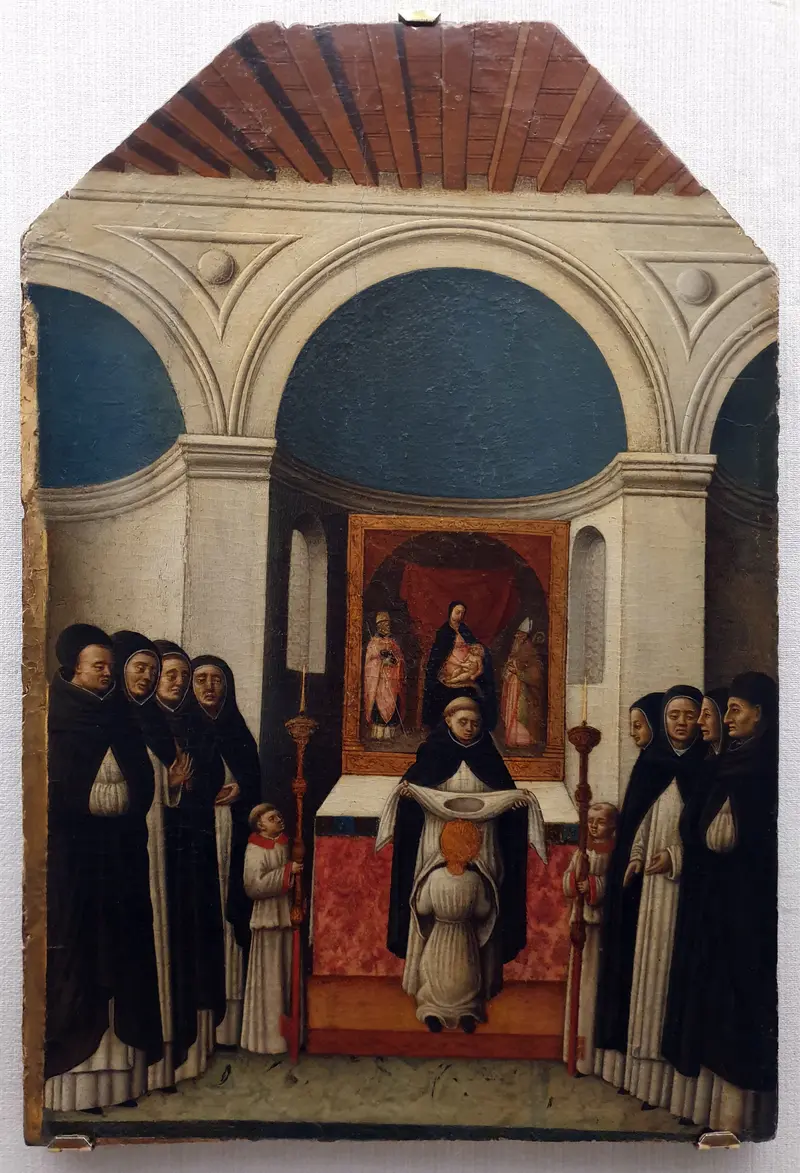
The Saint's Investiture upon His Entry into the Dominican Order
Antonio Vivarini
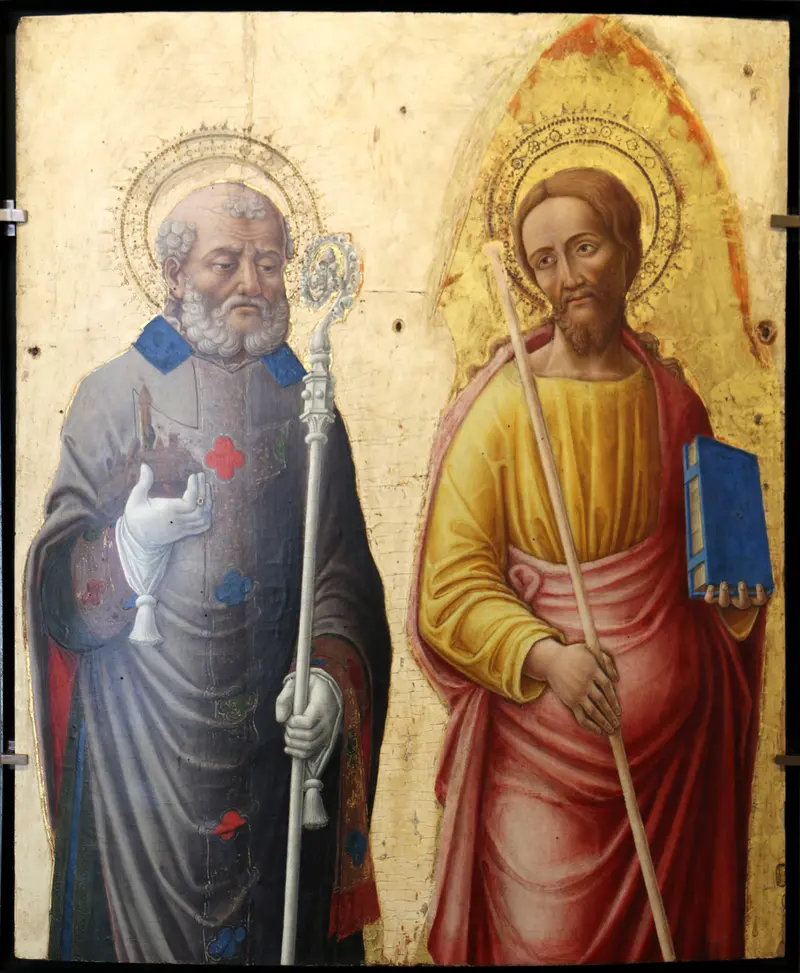
Vivarini saints Pétrone et Jacques
Antonio Vivarini
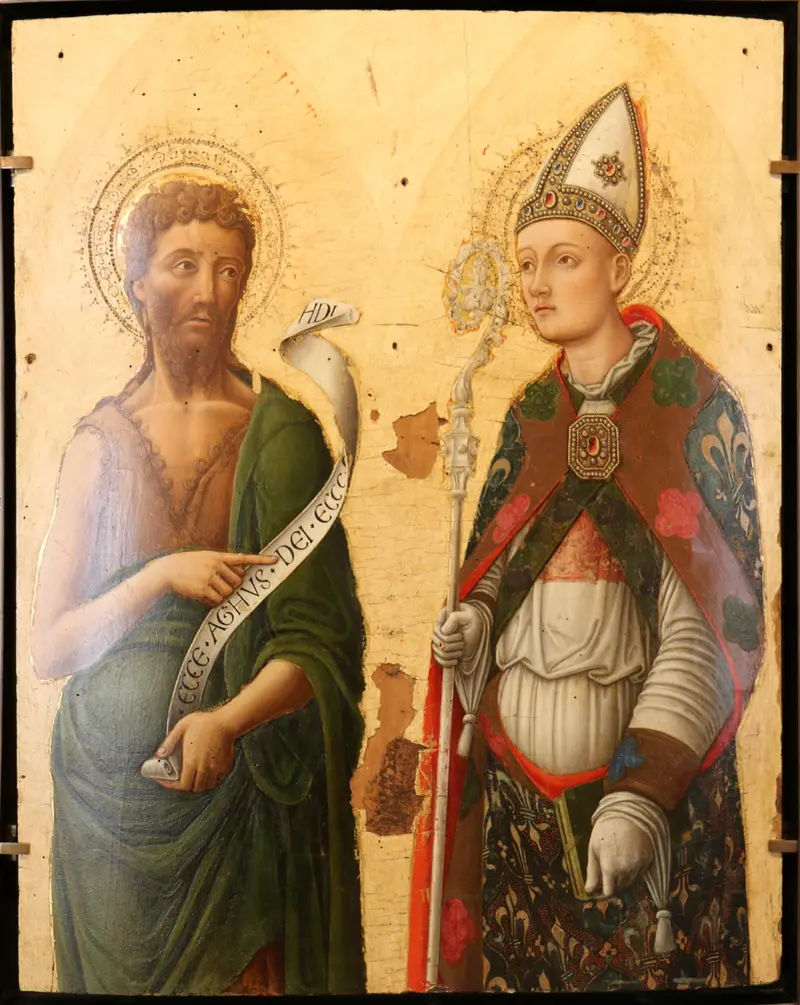
Vivarini Saint Jean Baptiste et saint Louis de Toulouse
Antonio Vivarini
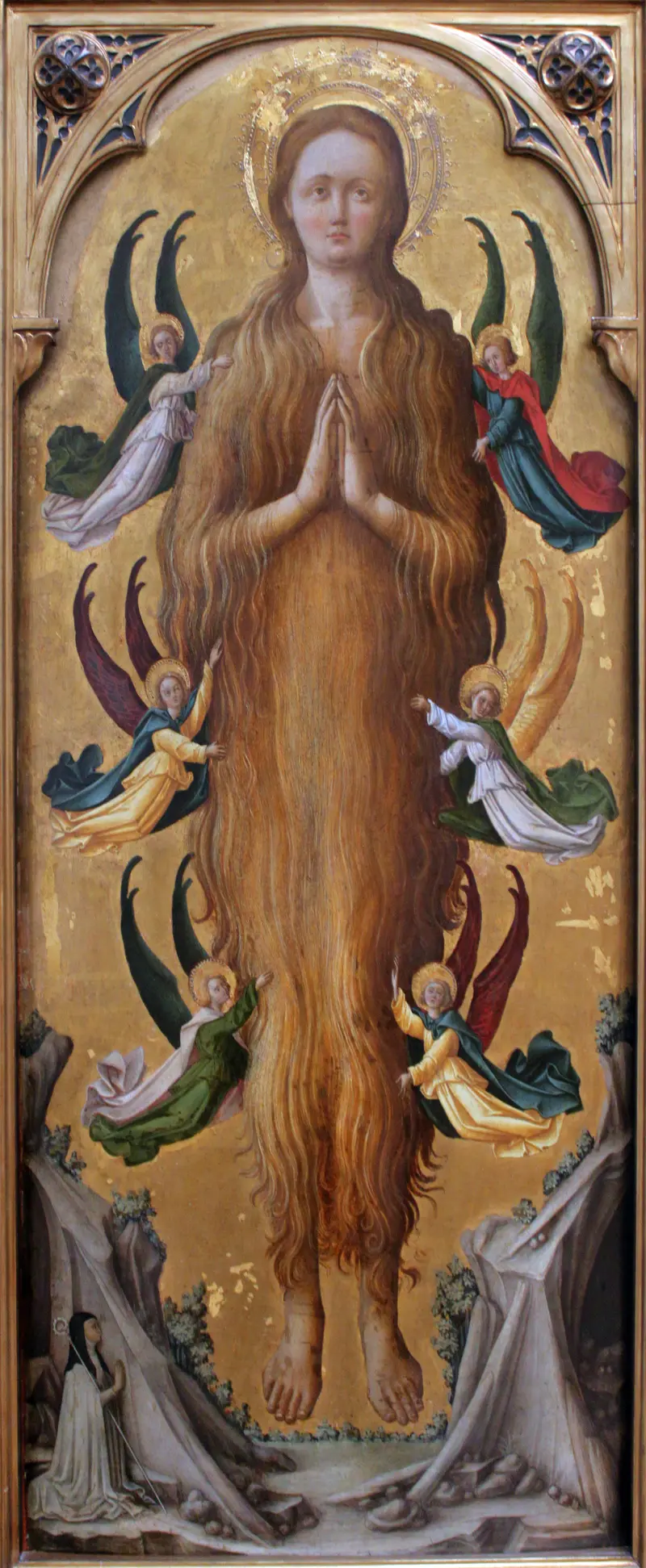
The holy Mary Magdalene, borne aloft by angels
Antonio Vivarini
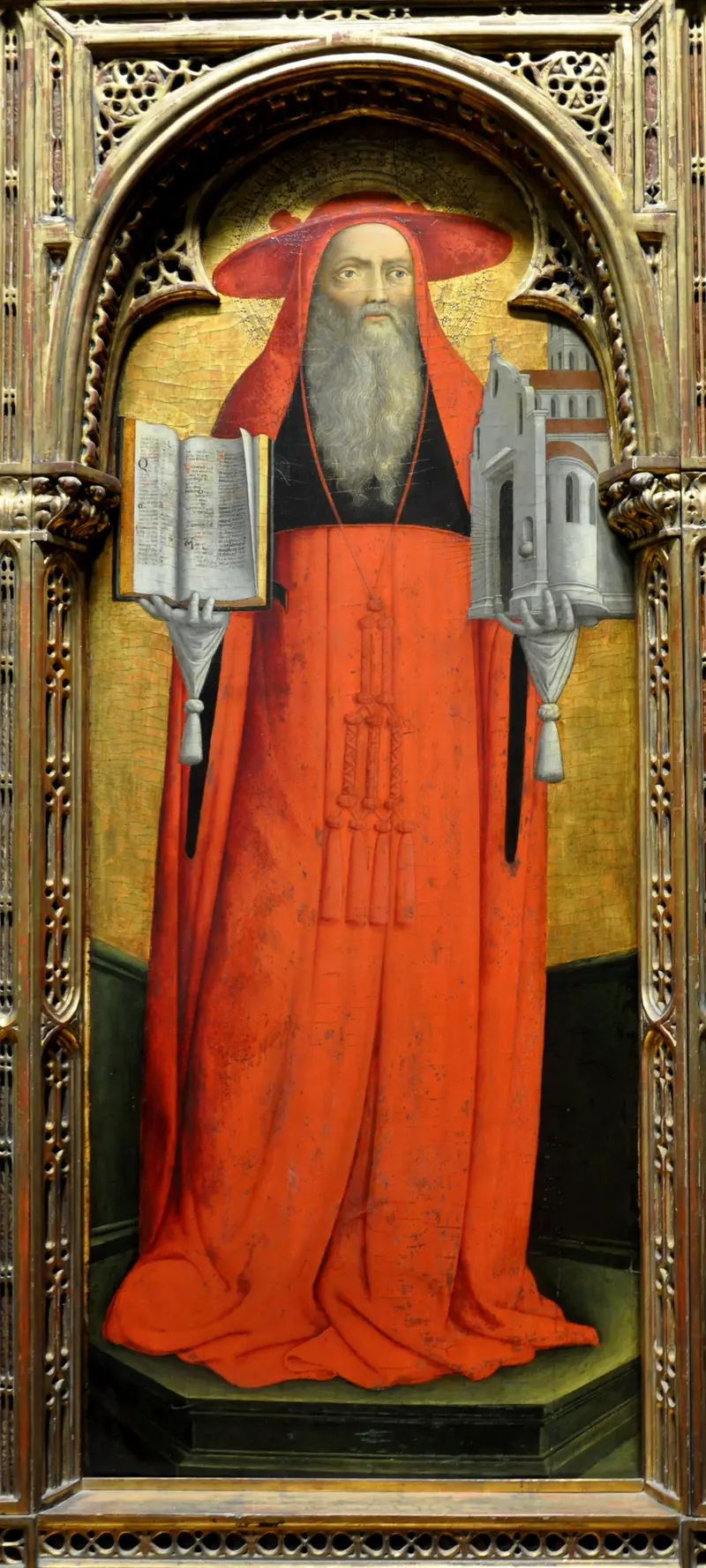
Hieronymus Altar KHM 2
Antonio Vivarini
Saint Lucy
Antonio Vivarini





