
Santa Cecilia — History & Facts
In 1620, Artemisia Gentileschi painted Santa Cecilia at the height of her Roman period, just as her reputation was spreading beyond Italy. The subject, Saint Cecilia, had become a favorite among artists and patrons alike, but Gentileschi’s interpretation stands out for its rare focus on the saint’s inner world, not just her martyrdom or musical gifts. This painting is one of the few surviving depictions of Cecilia by a woman artist of the Baroque, and its authorship was once debated until stylistic details and archival evidence confirmed Gentileschi’s hand. At the heart of the canvas, Cecilia is caught in a moment of contemplation, her gaze lifted upward, hands resting gently on a keyboard instrument—likely a portative organ, a symbol of her patronage of music.
The soft but clear light falls across her face and hands, drawing the viewer’s eye to her expression of devotion rather than to any dramatic gesture. The absence of overt martyrdom—no palm, no sword—shifts the focus from her suffering to her spiritual elevation through music. Compared to Caravaggio’s famous Saint Cecilia, where drama and shadow dominate, Gentileschi’s version favors a quiet intensity and a sense of personal connection. The precise commission for Santa Cecilia remains uncertain, though it was likely created for a private Roman patron with a devotion to the saint.
Over the centuries, the painting’s whereabouts were sometimes unclear, and for a time it was misattributed to male contemporaries, reflecting the broader challenges faced by Gentileschi’s legacy. Today, Santa Cecilia is recognized as a key work in her oeuvre, highlighting her unique ability to blend psychological depth with the rich color and light of the Baroque. It stands as a testament to her artistic voice and the shifting fortunes of women artists in early modern Europe.
More Artworks by Artemisia Gentileschi

Judith Beheading Holofernes
Artemisia Gentileschi
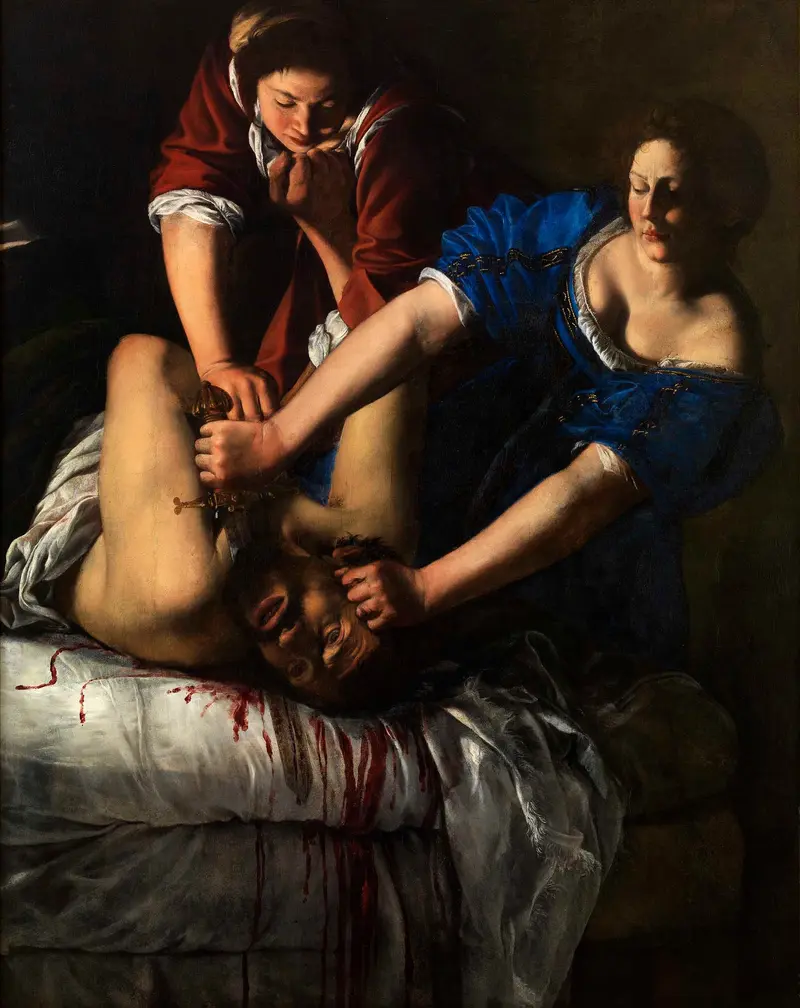
Judith Slaying Holofernes
Artemisia Gentileschi
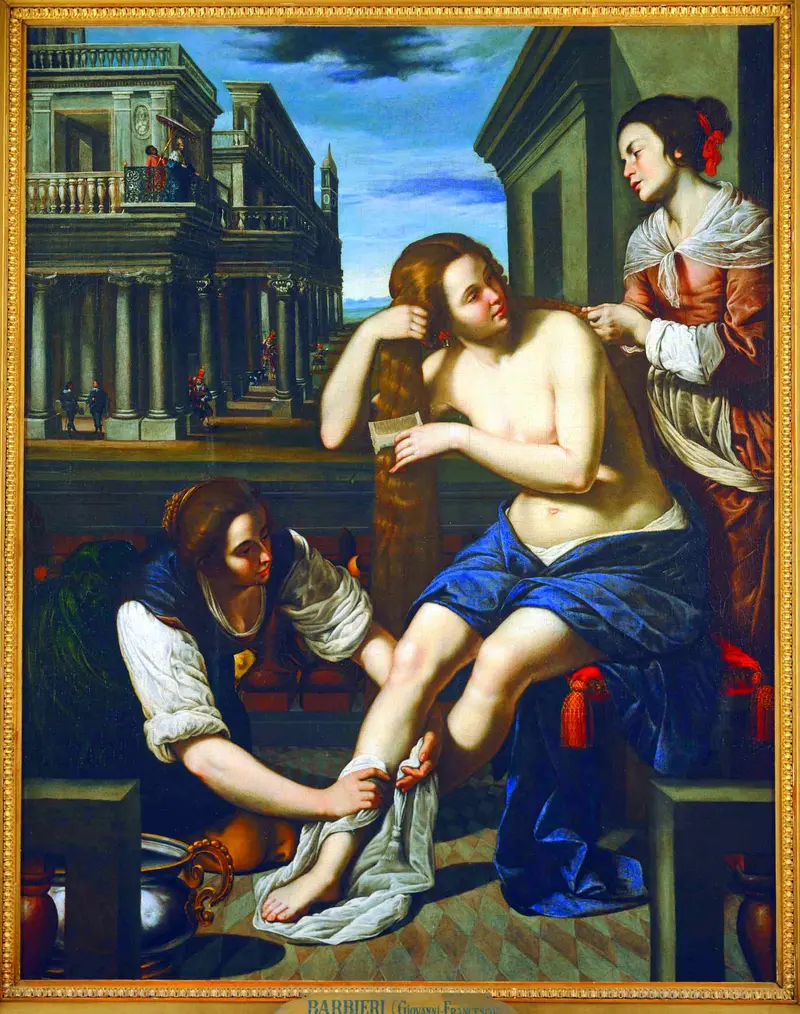
Bathsheba at Her Bath
Artemisia Gentileschi
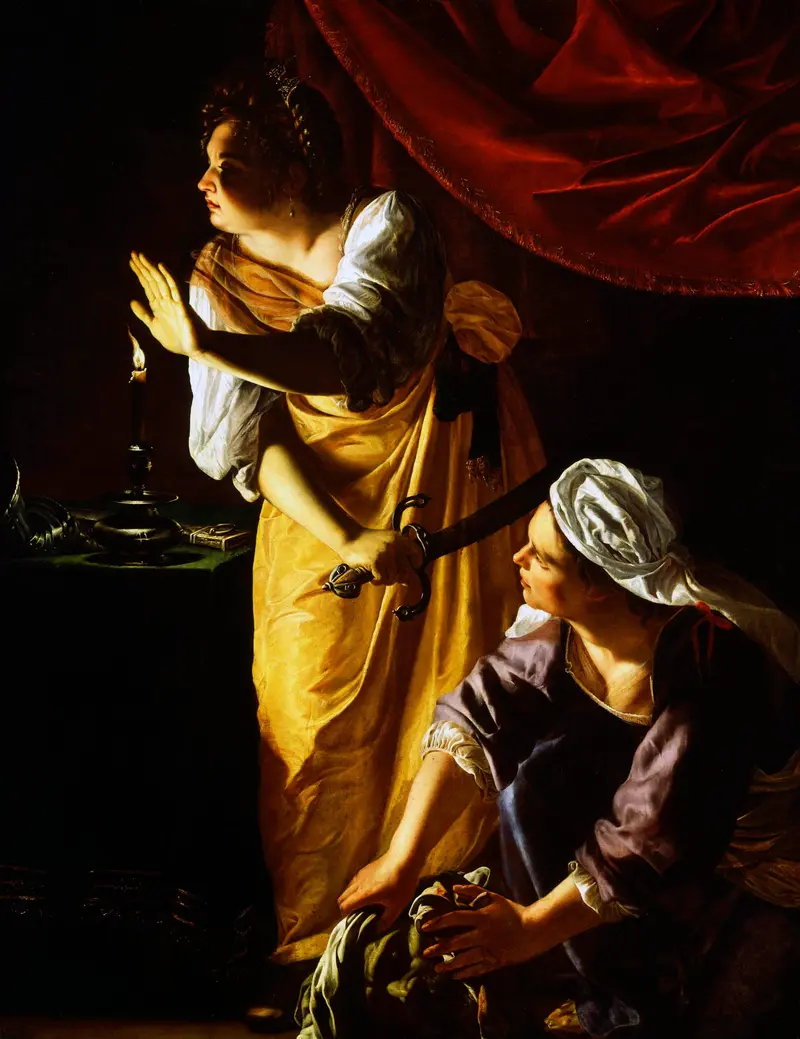
Judith and Maidservant with Head of Holofernes
Artemisia Gentileschi
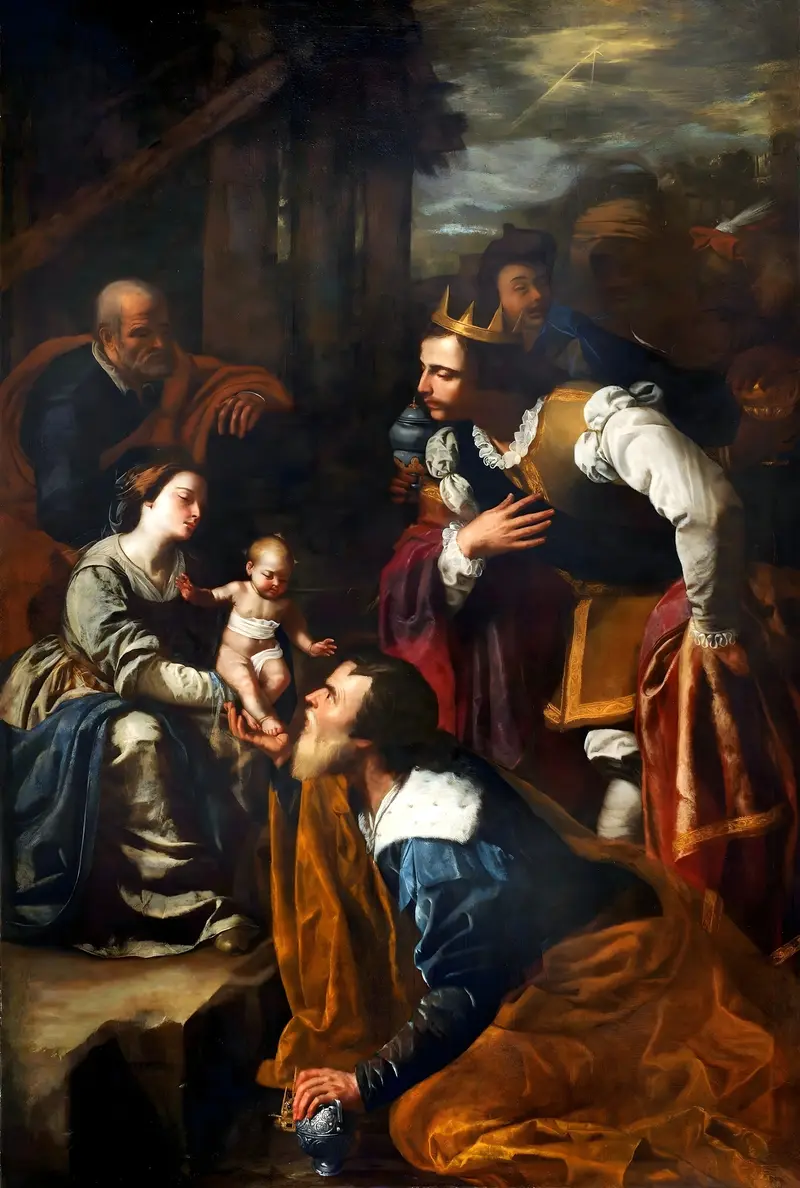
Adoration of the Magi
Artemisia Gentileschi
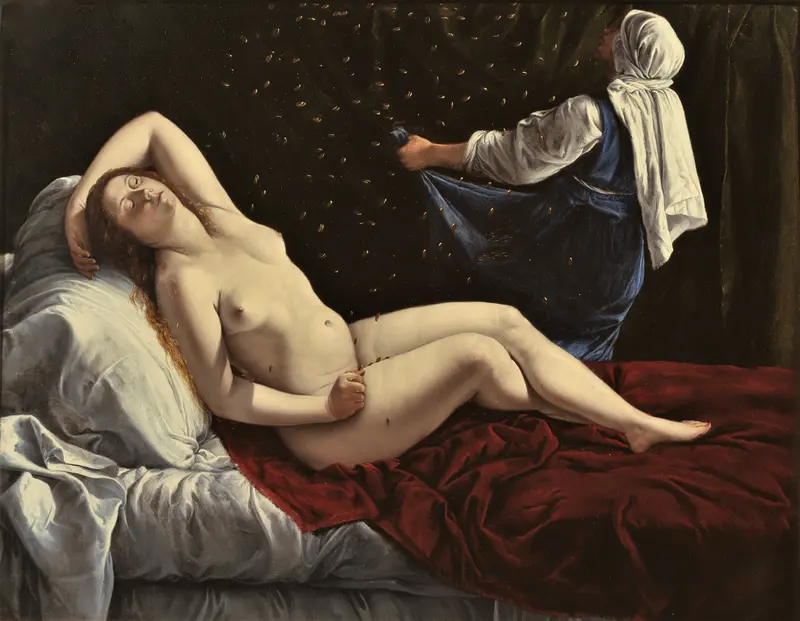
Danaë
Artemisia Gentileschi
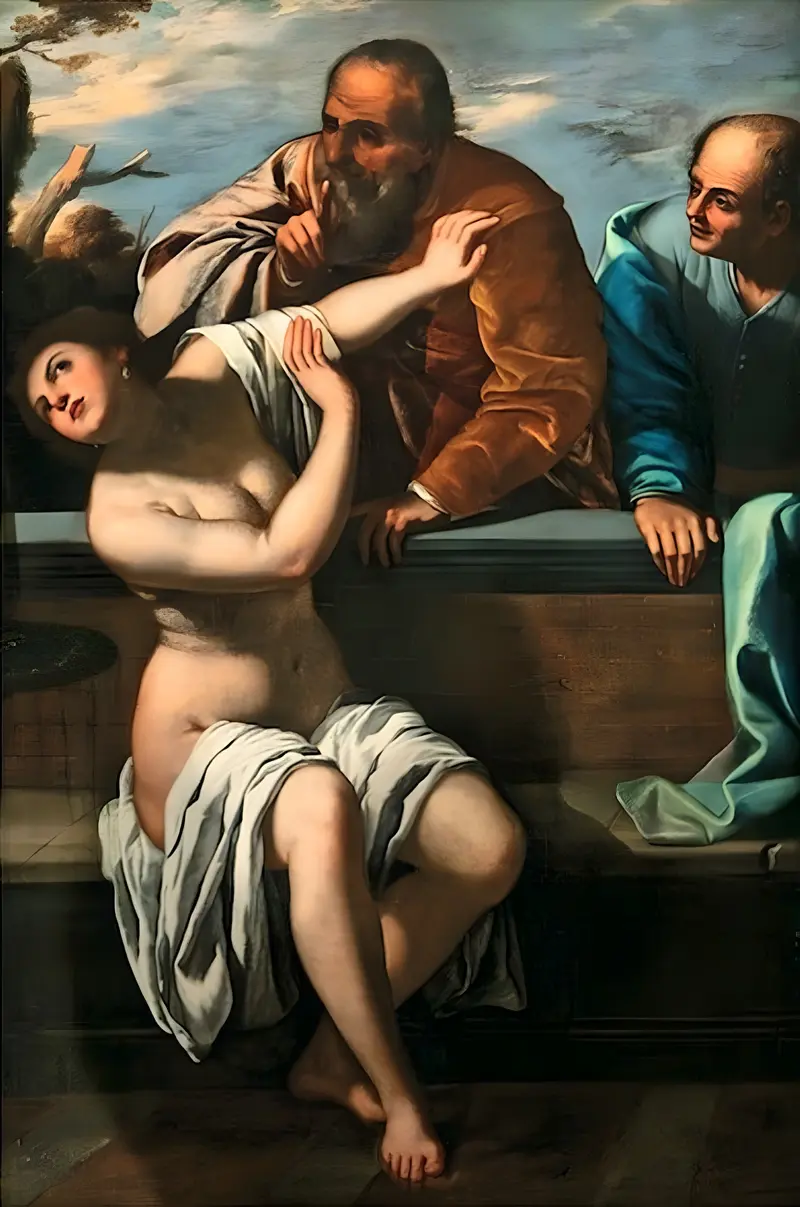
Susannah and the Elders
Artemisia Gentileschi

Judith and her Servant with the Head of Holofernes
Artemisia Gentileschi
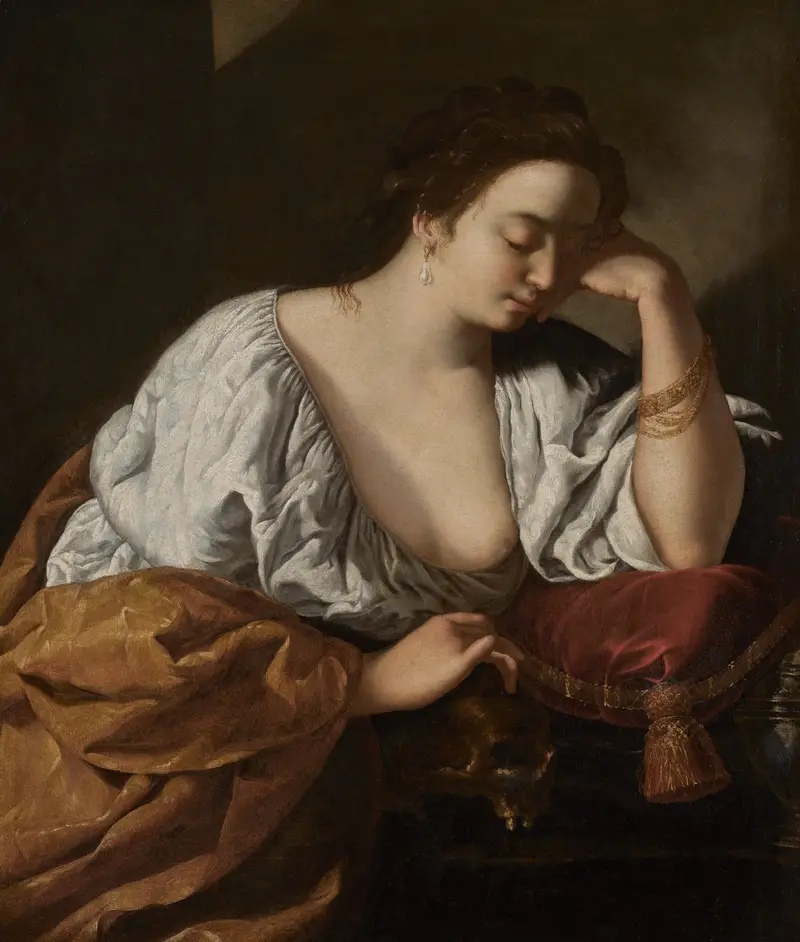
Madeleine pénitente, par
Artemisia Gentileschi
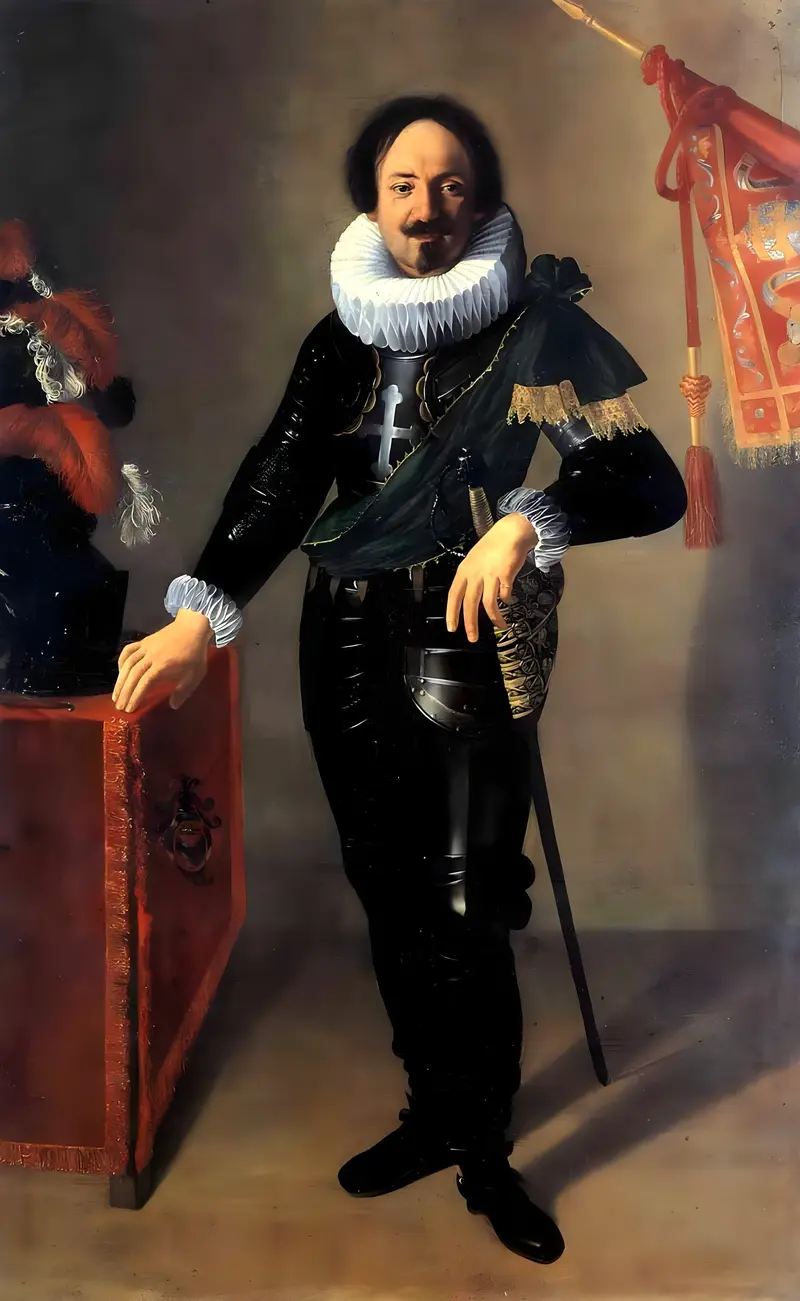
Portrait of a Gonfaloniere
Artemisia Gentileschi





