
Sara in a Green Bonnet — History & Facts
When Mary Cassatt painted Sara in a Green Bonnet in 1901, she was already acclaimed for her intimate portrayals of women and children, but this work stands out for its subject: Sara, her beloved niece, who appeared in several of Cassatt’s late portraits. The painting is one of a handful from Cassatt’s mature period that features family members, a choice that offered her unique access to her sitter’s unguarded moods. Unlike the formal commissions of her earlier years, these portraits were deeply personal, created for her own pleasure and as gifts within her circle.
The green bonnet, a fashionable accessory in Paris at the turn of the century, anchors the image in a specific moment of style and domestic life. Sara sits quietly, her gaze turned away from the viewer, caught in a moment of private thought. Cassatt’s brushwork is loose yet deliberate, capturing the soft light that falls across Sara’s face and the delicate fabric of her dress. The green bonnet, tied under the chin, frames her youthful features and draws the eye to her introspective expression.
This is not a grand narrative, but a study in mood and presence, much like Berthe Morisot’s portraits of her own daughter Julie, where the everyday becomes quietly significant. The absence of background detail focuses attention on Sara herself, inviting the viewer to share in her silent reverie. The precise provenance of Sara in a Green Bonnet is not fully documented, but it likely remained within the Cassatt family for some years, as was common with her portraits of relatives. Unlike her larger compositions destined for exhibitions, this painting represents the private side of Mary Cassatt’s career, created during a period when her failing eyesight was beginning to limit her output.
Today, it is held in a public collection, where it serves as a testament to Cassatt’s enduring fascination with the intimate world of women and children. The work’s gentle informality and personal subject matter continue to distinguish it within the broader context of the Impressionist movement.
More Artworks by Mary Cassatt

The Child's Bath
Mary Cassatt
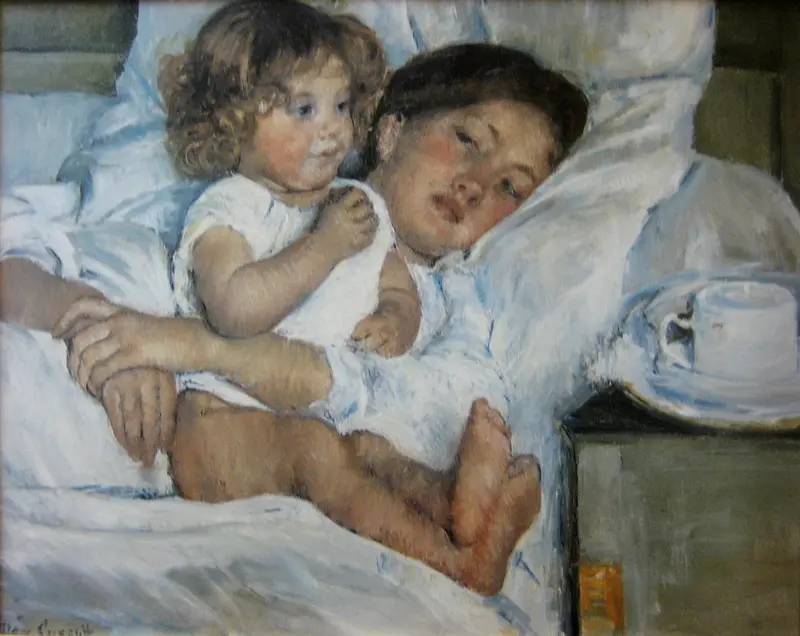
Breakfast in Bed
Mary Cassatt

Mother and Child (Baby Getting Up from His Nap)
Mary Cassatt
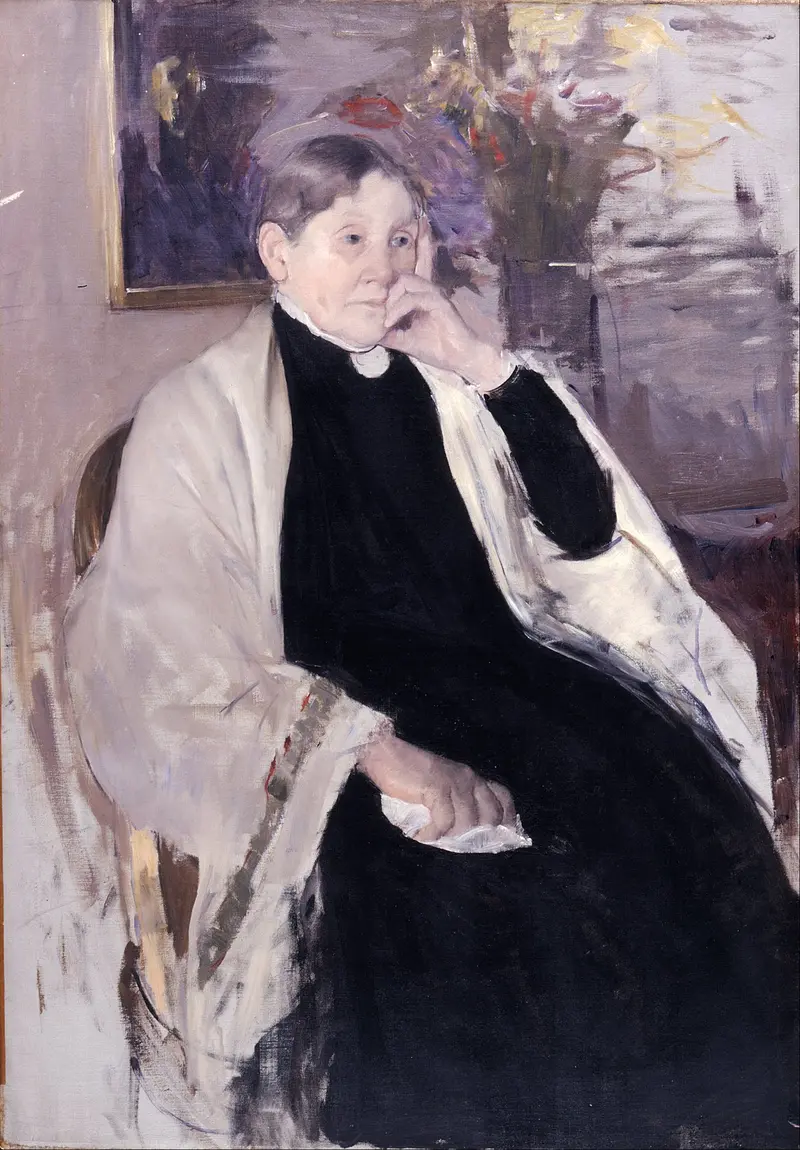
Mrs. Robert S. Cassatt, the Artist's Mother
Mary Cassatt
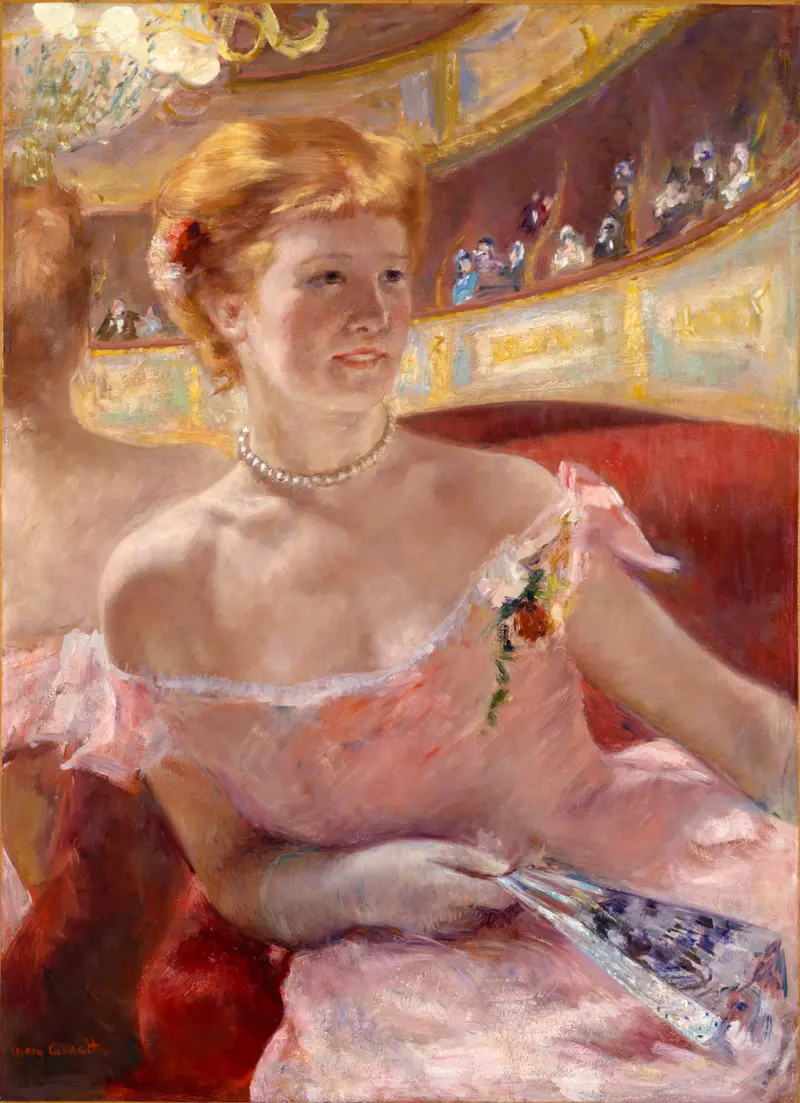
Woman with a Pearl Necklace in a Loge
Mary Cassatt
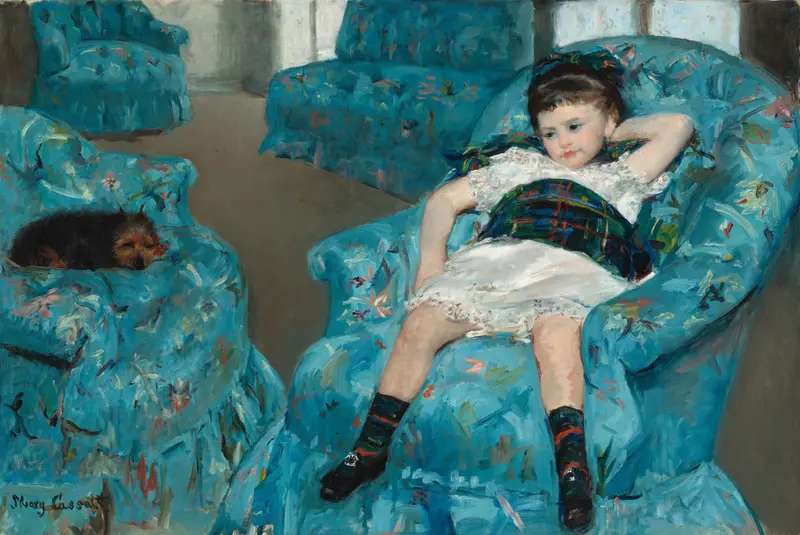
Little Girl in a Blue Armchair
Mary Cassatt
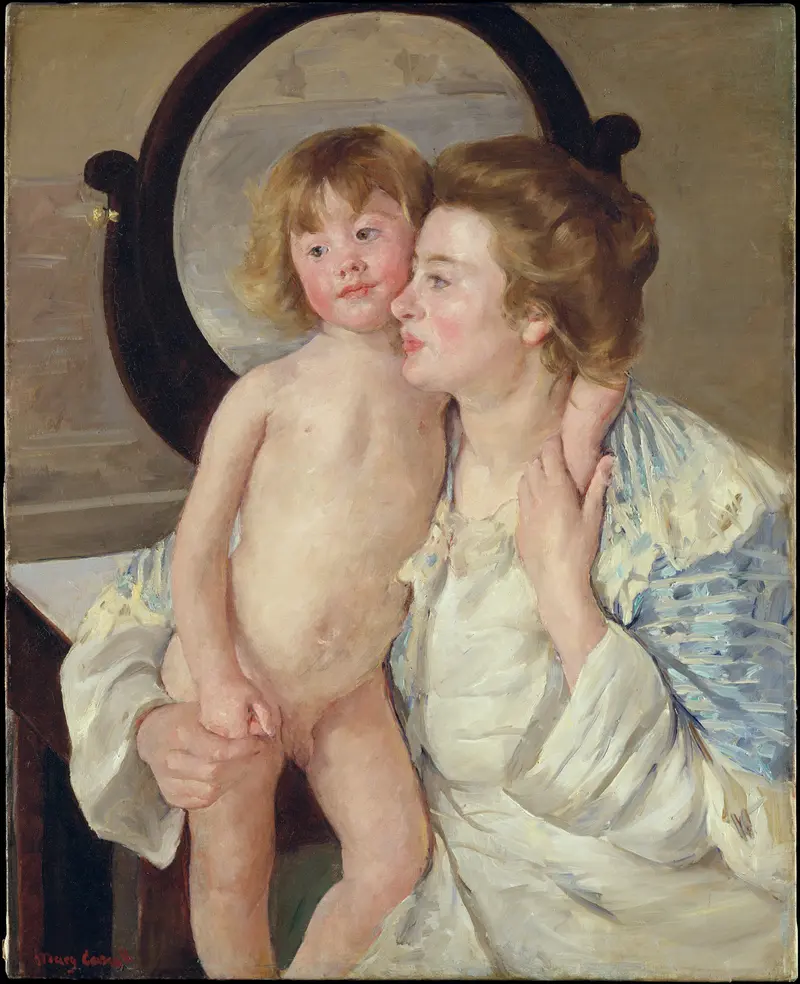
Mother and Child (The Oval Mirror)
Mary Cassatt
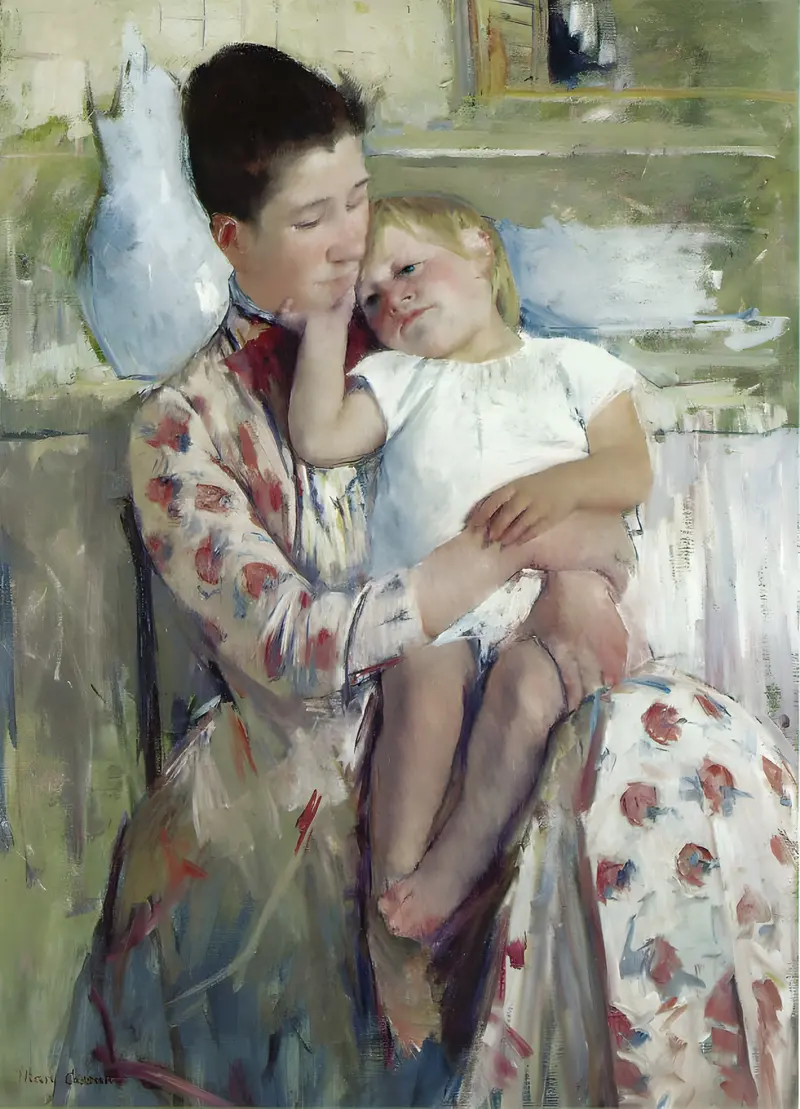
Mother and Child
Mary Cassatt
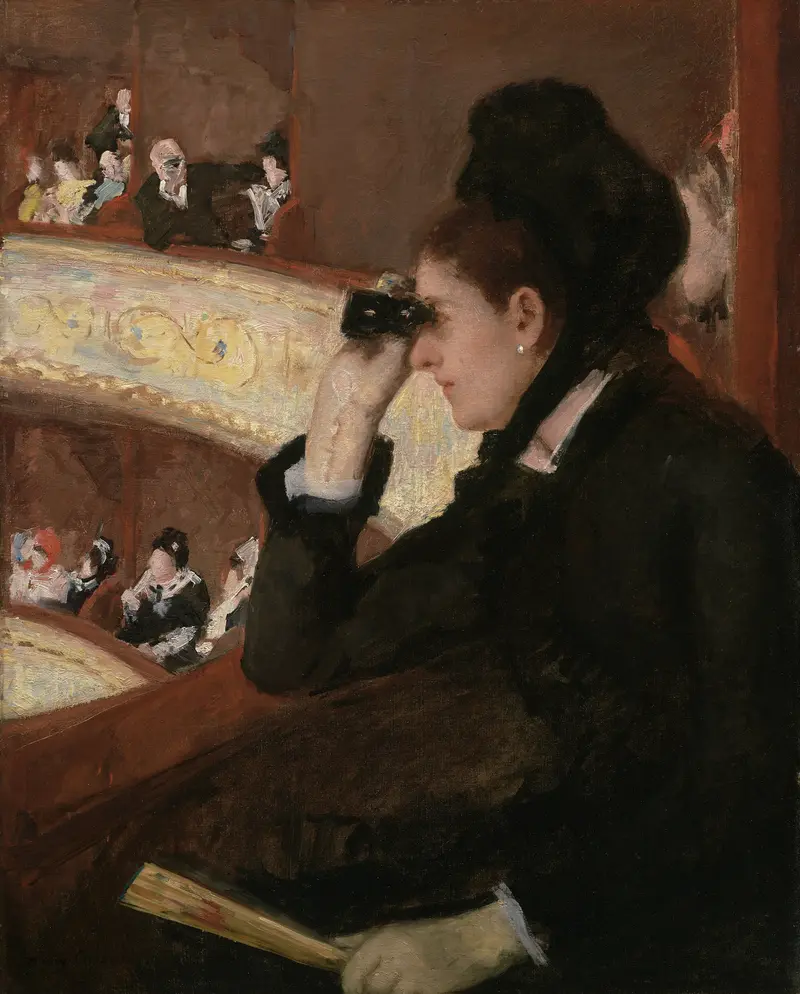
In The Loge
Mary Cassatt
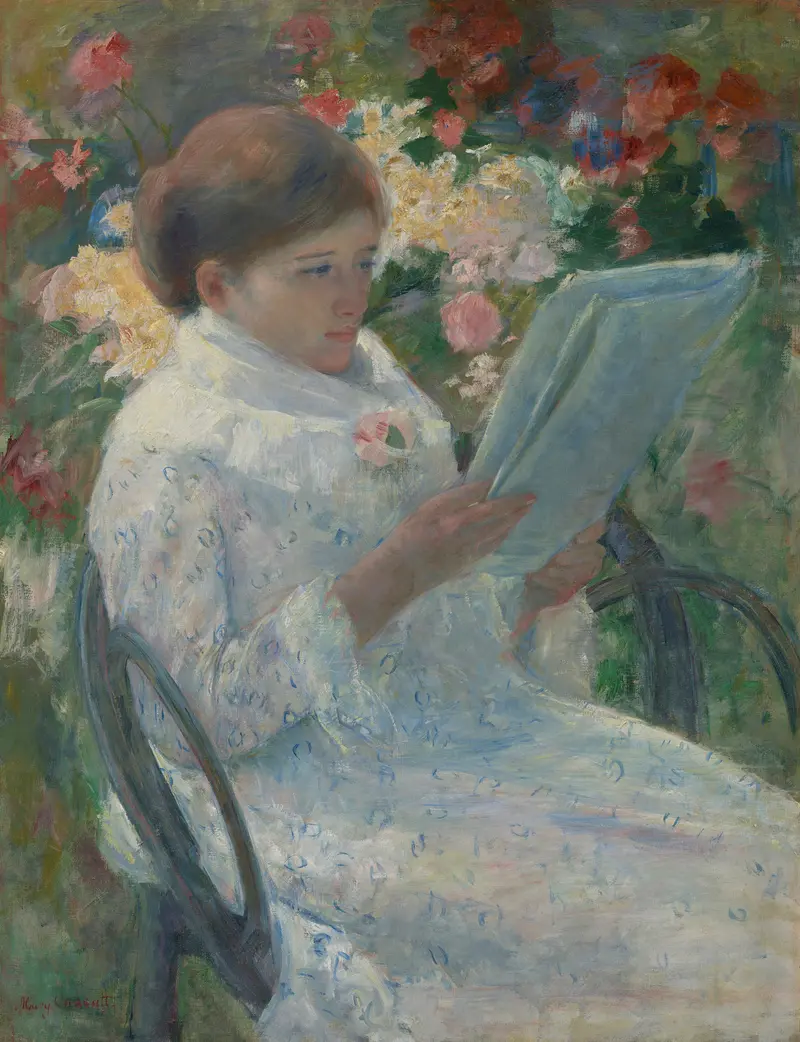
On a Balcony
Mary Cassatt





