
Satta Pass on the Tōkaidō — History & Facts
In moments of transition, grief stirs beneath the surface, yearning for recognition and reflection. Focus on the sweeping curves of the road, tracing the figures of travelers meandering through the landscape. Notice how the subtle hues of dusk blanket the scene, drawing the eye to the interplay of light and shadow. The rich palette captures the essence of twilight, where deep blues and soft oranges blend harmoniously, creating a sense of both calm and impending loss.
Each brushstroke conveys a journey—not just of the body, but of the spirit navigating memories. Beneath the serene surface lies an emotional undertow. The travelers, though moving towards an unknown destination, evoke a profound sense of solitude—each figure absorbed in their thoughts, carrying the weight of their pasts. The towering mountains, majestic yet distant, symbolize the burdens we often bear, while the winding road suggests the complexities of life’s journey.
The contrast between the fleeting beauty of the moment and the inherent transience of travel serves as a poignant reminder of what we often leave behind. In 1896, Satta Pass on the Tōkaidō emerged from Kobayashi Kiyochika’s brush during a period of great change in Japan. The artist was deeply influenced by the rapid modernization of his country, grappling with the tension between tradition and progress. This work reflects his unique ability to capture the essence of nostalgia, even as the world around him was evolving, inviting viewers to pause and reflect on both their journeys and losses.
More Artworks by Kobayashi Kiyochika
Browse all →
Thunder and Lightning at Oumaya Bridge
Kobayashi Kiyochika

Shinkyō, Sacred Bridge at Nikkō
Kobayashi Kiyochika

Daybreak at Shrine, Kanda
Kobayashi Kiyochika

The Great Fire at Ryōgoku Bridge, Viewed from Asakusa Bridge on the 26th of January, 1881
Kobayashi Kiyochika

The Moon At Shinagawa
Kobayashi Kiyochika
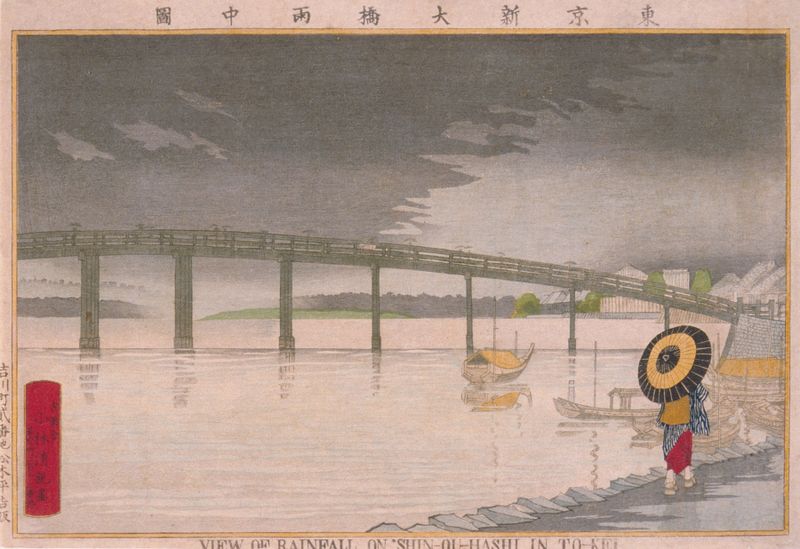
View of Rainfall on Shin-Ou-hashi in To-kei
Kobayashi Kiyochika

Evening at Tōshōgū Shrine, Ueno, Tokyo
Kobayashi Kiyochika

Snow at Ochanomizu
Kobayashi Kiyochika
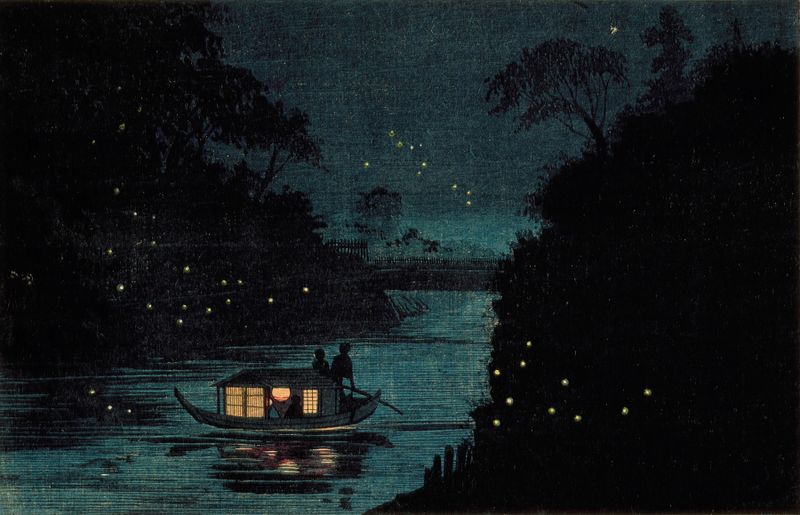
Fireflies at Ochanomizu
Kobayashi Kiyochika
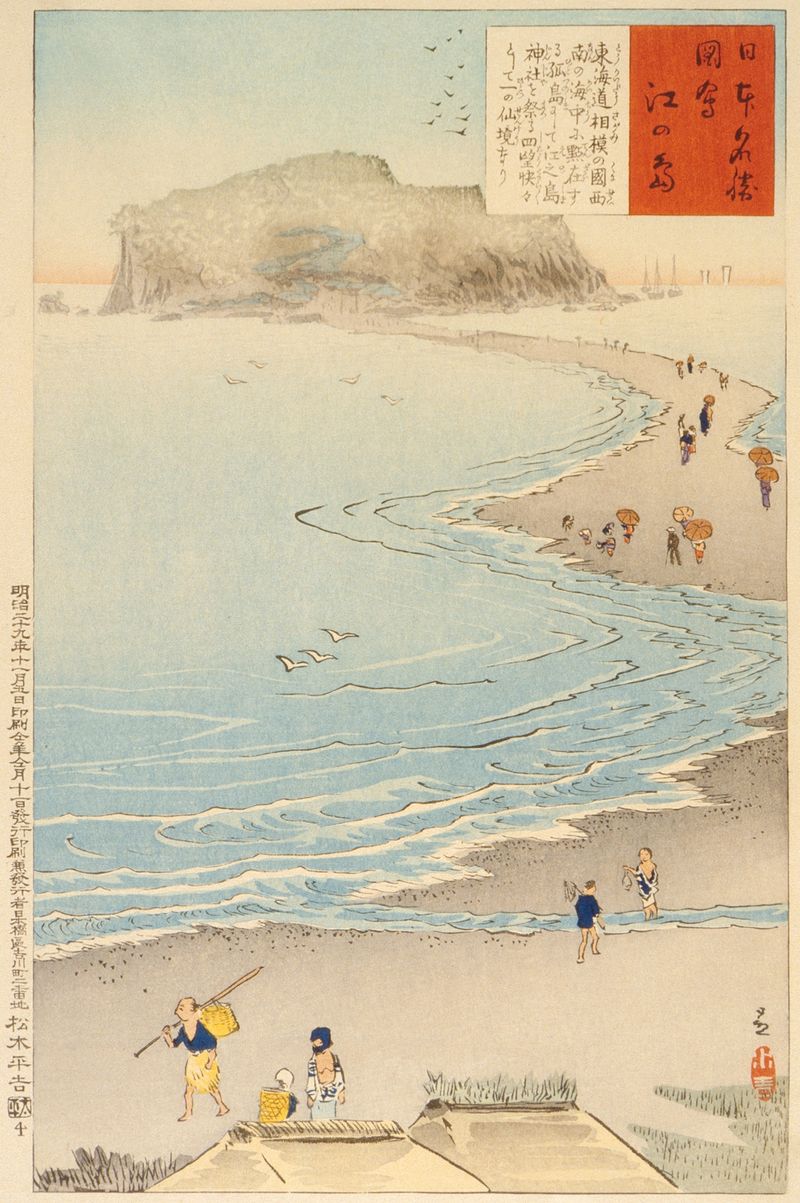
The Island Enoshima
Kobayashi Kiyochika





