
Schlossmauer in Plankenberg — History & Facts
In the stillness of Schlossmauer in Plankenberg, a dreamlike landscape unfurls, inviting the viewer to ponder the untold stories hidden within its hushed depths. Look closely at the central stone wall, where the texture of the weathered surface draws your gaze, each crevice whispering secrets of the past. The muted palette—soft greens and gentle browns—infuses the scene with a serene tranquility, while dappled sunlight filters through the trees, casting delicate patterns on the ground below. Notice the way the light interacts with the foliage, creating an ethereal glow that seems to awaken the landscape from a deep slumber. As you delve deeper into the painting, consider the interplay between nature and manmade structure.
The sturdy wall stands as a testament to resilience, yet its ivy-clad exterior speaks to the relentless reclamation of nature over time. This tension between human endeavor and the soft, encroaching embrace of the natural world evokes a sense of nostalgia, inviting contemplation of what is lost and what endures. Each element in the composition seems to echo the passage of time, a gentle reminder of life's fleeting nature. In 1887, Schindler was immersed in the artistic currents of the Viennese Secession movement, seeking to redefine the boundaries of landscape painting.
Living in Austria during a time of shifting societal values and artistic exploration, he created Schlossmauer in Plankenberg as part of his ongoing fascination with the interplay of light and nature, reflecting both the beauty of the world and the inevitable passage of time.
More Artworks by Emil Jakob Schindler
Browse all →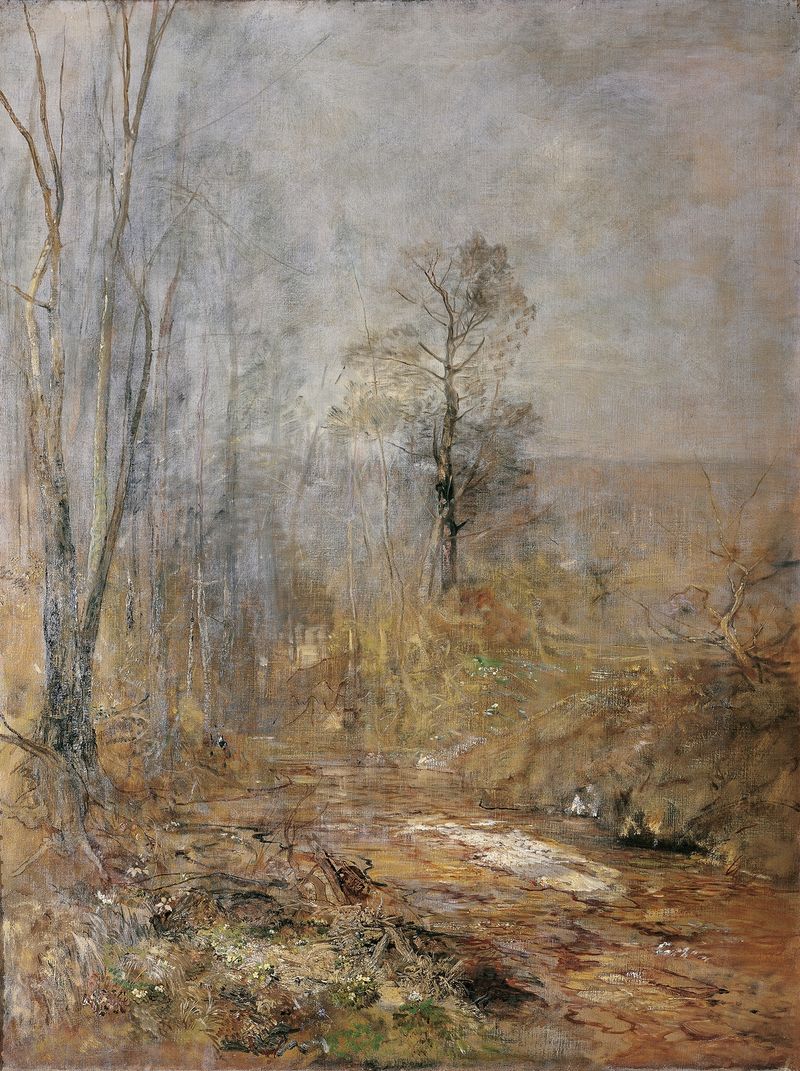
Märzstimmung – Vorfrühling im Wienerwald
Emil Jakob Schindler
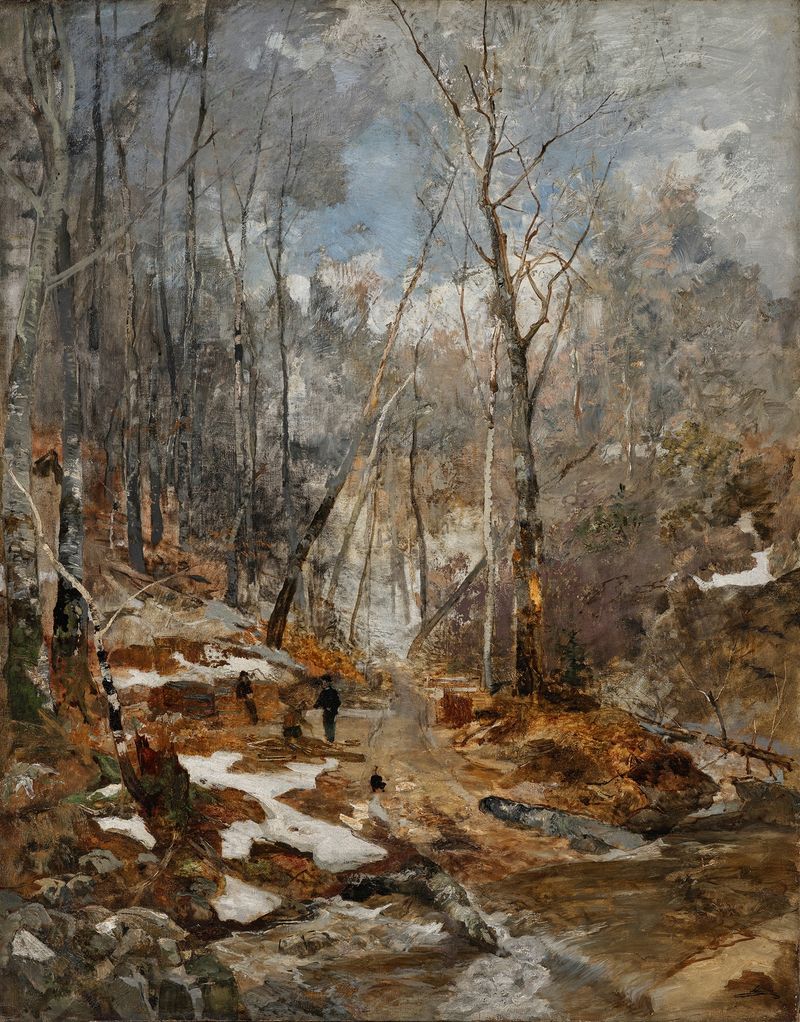
Februarstimmung – Vorfrühling im Wienerwald
Emil Jakob Schindler
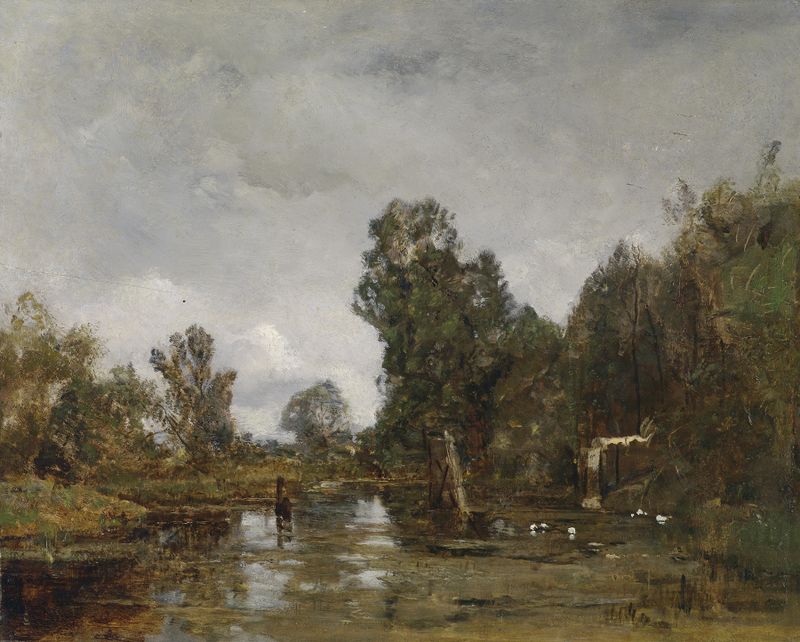
Motiv aus dem Wiener Prater (Krieau)
Emil Jakob Schindler
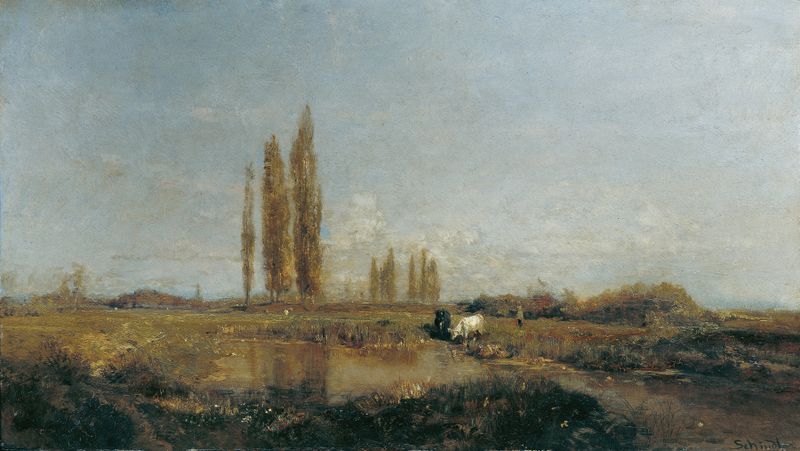
An der Thaya bei Lundenburg
Emil Jakob Schindler
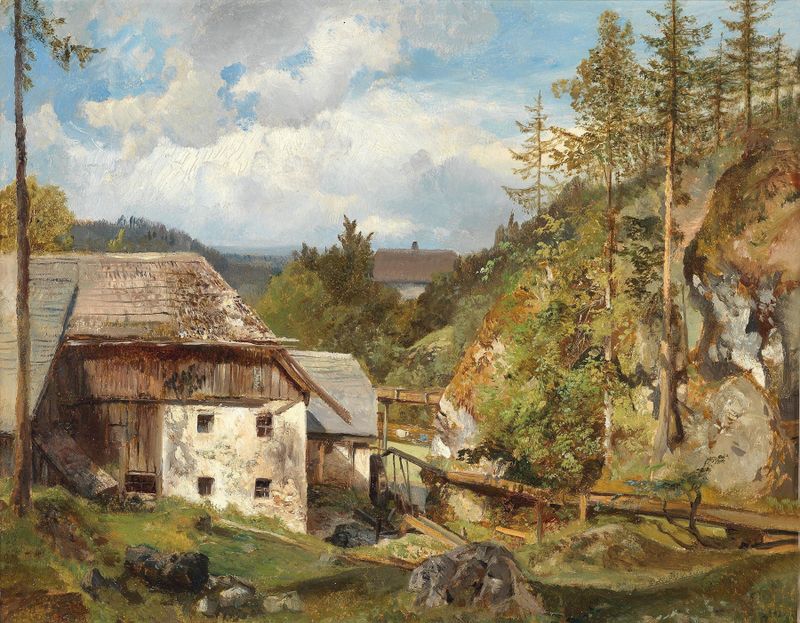
Die Mühle im Wald
Emil Jakob Schindler
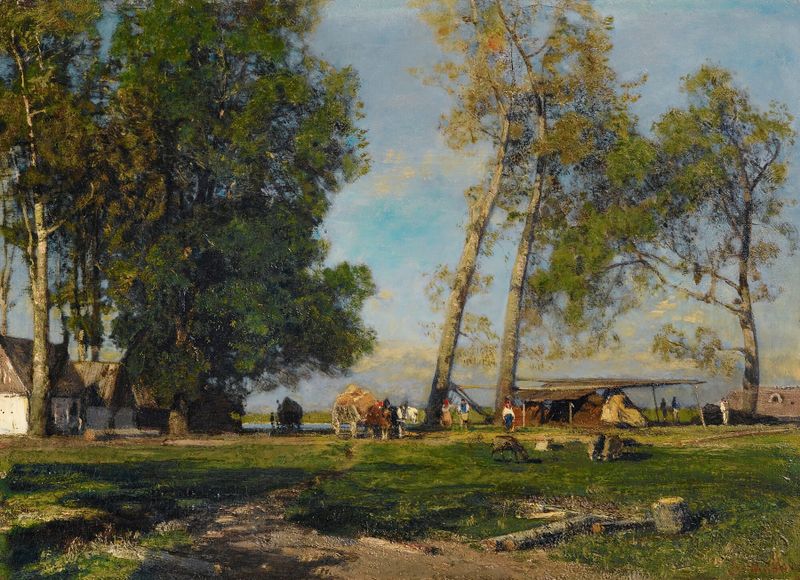
The Prater Gardens, Vienna
Emil Jakob Schindler
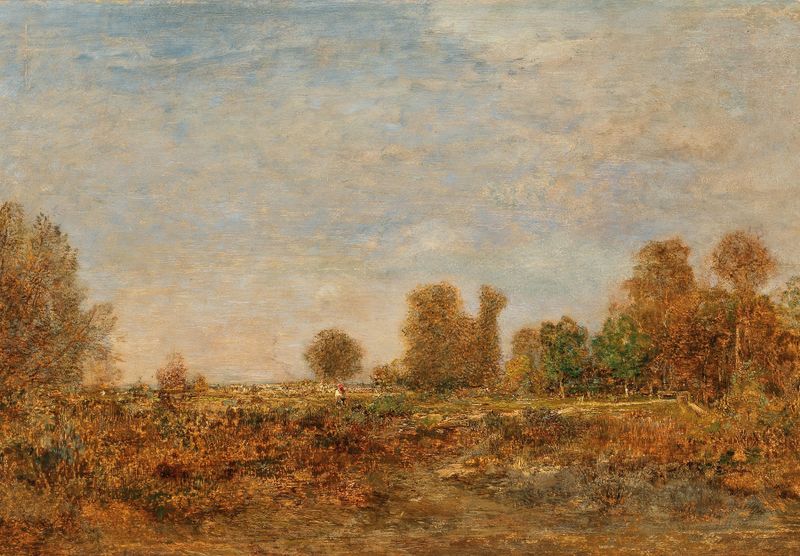
Landschaft, Lundenburg
Emil Jakob Schindler
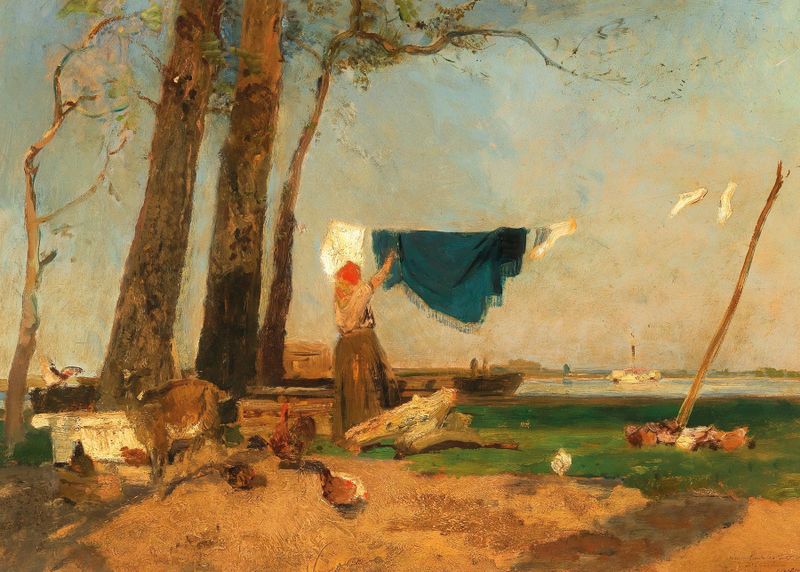
A washerwoman on the Danube bank, near the Praterspitz
Emil Jakob Schindler
Mühle in Plankenberg
Emil Jakob Schindler
Mondaufgang in der Praterau
Emil Jakob Schindler





