Schweizer Alpenlandschaft mit Fluss und See — History & Analysis
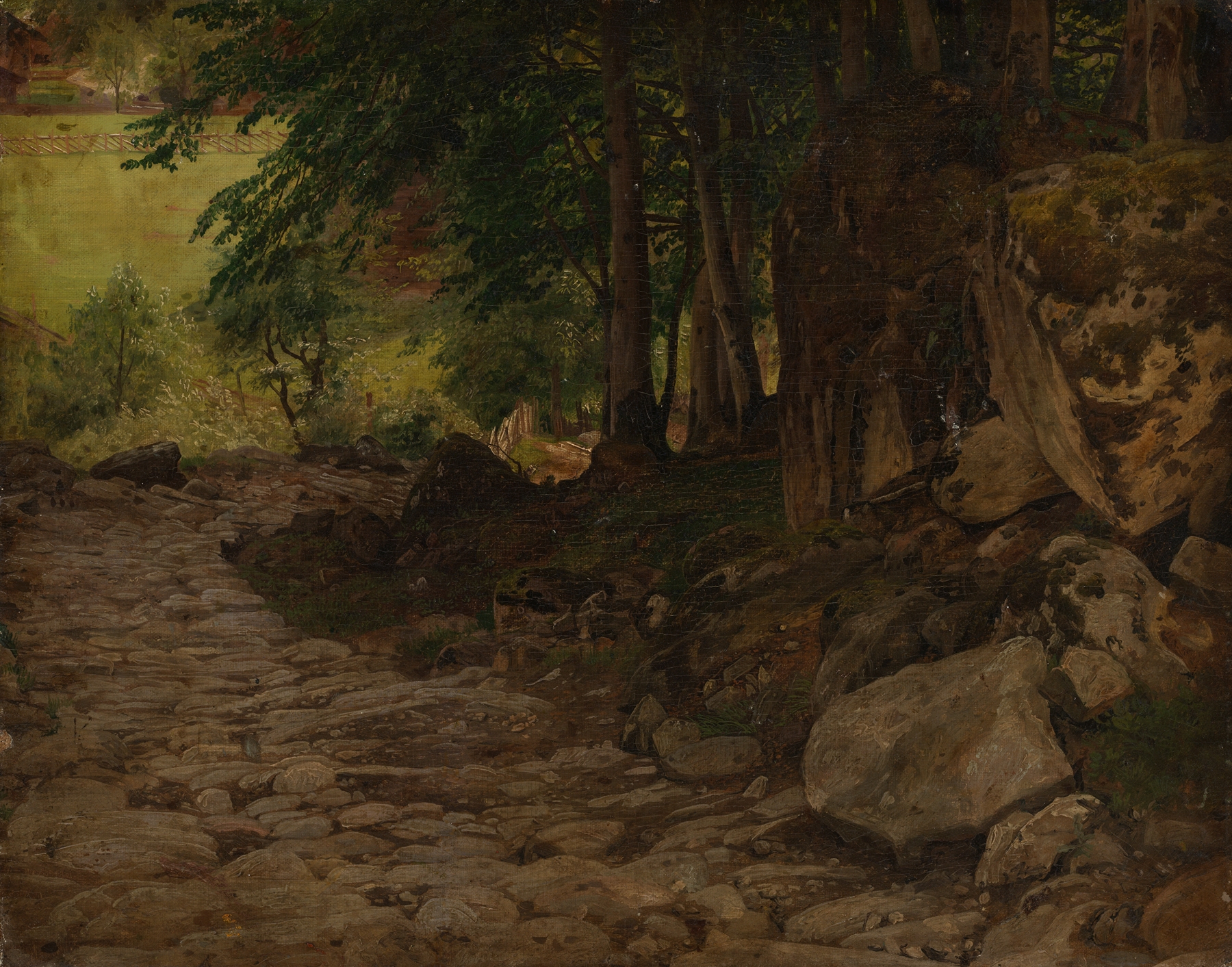
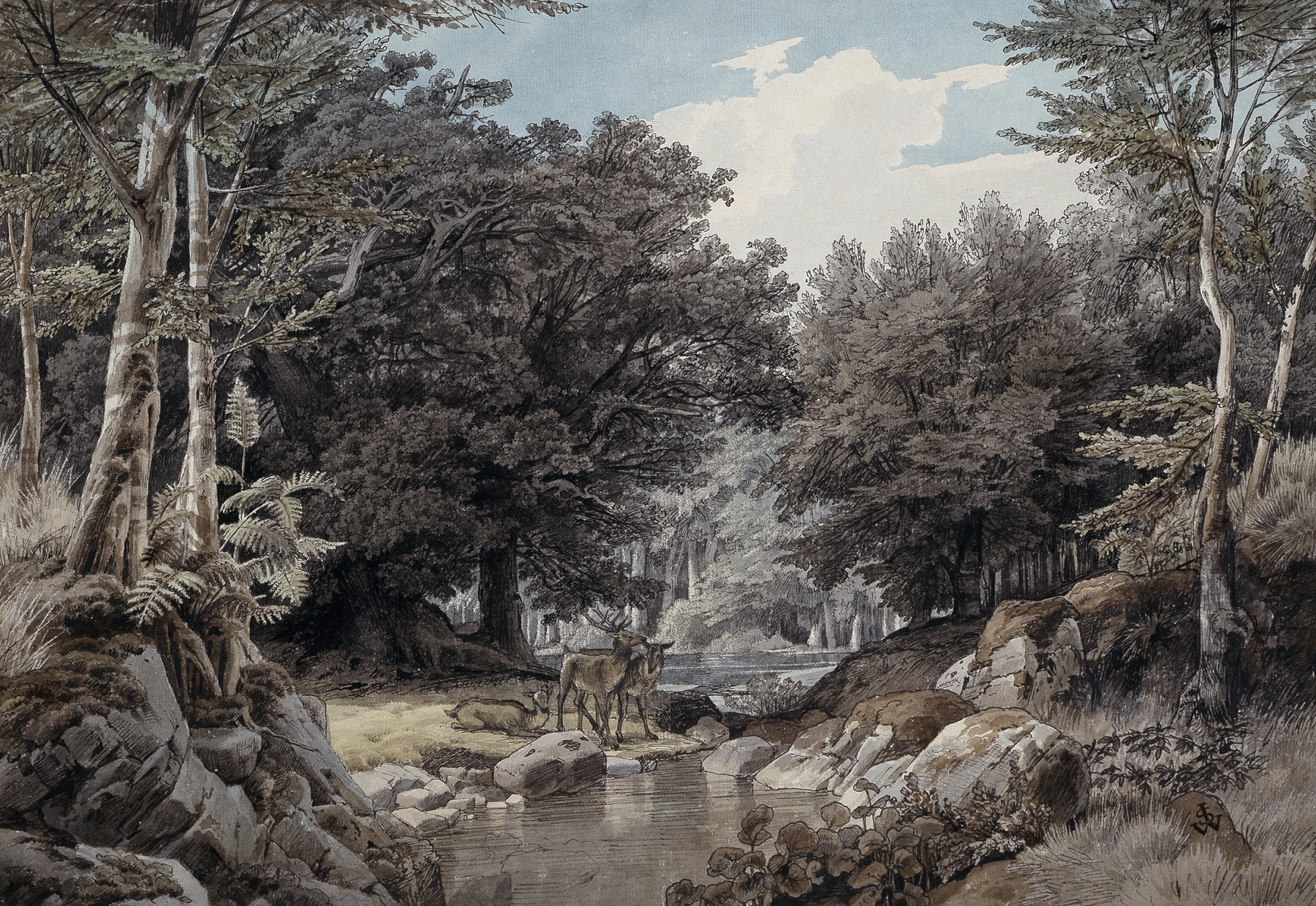
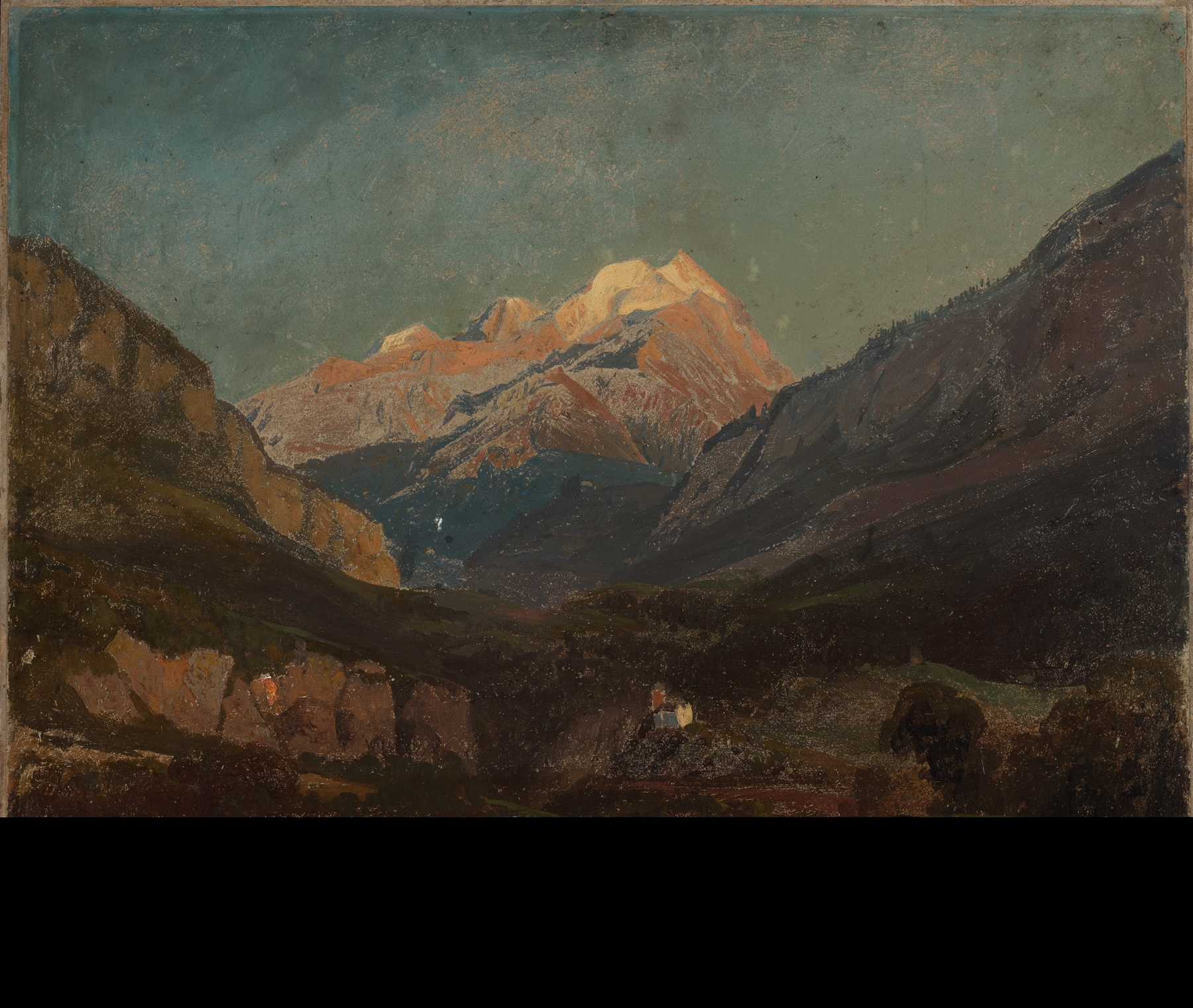
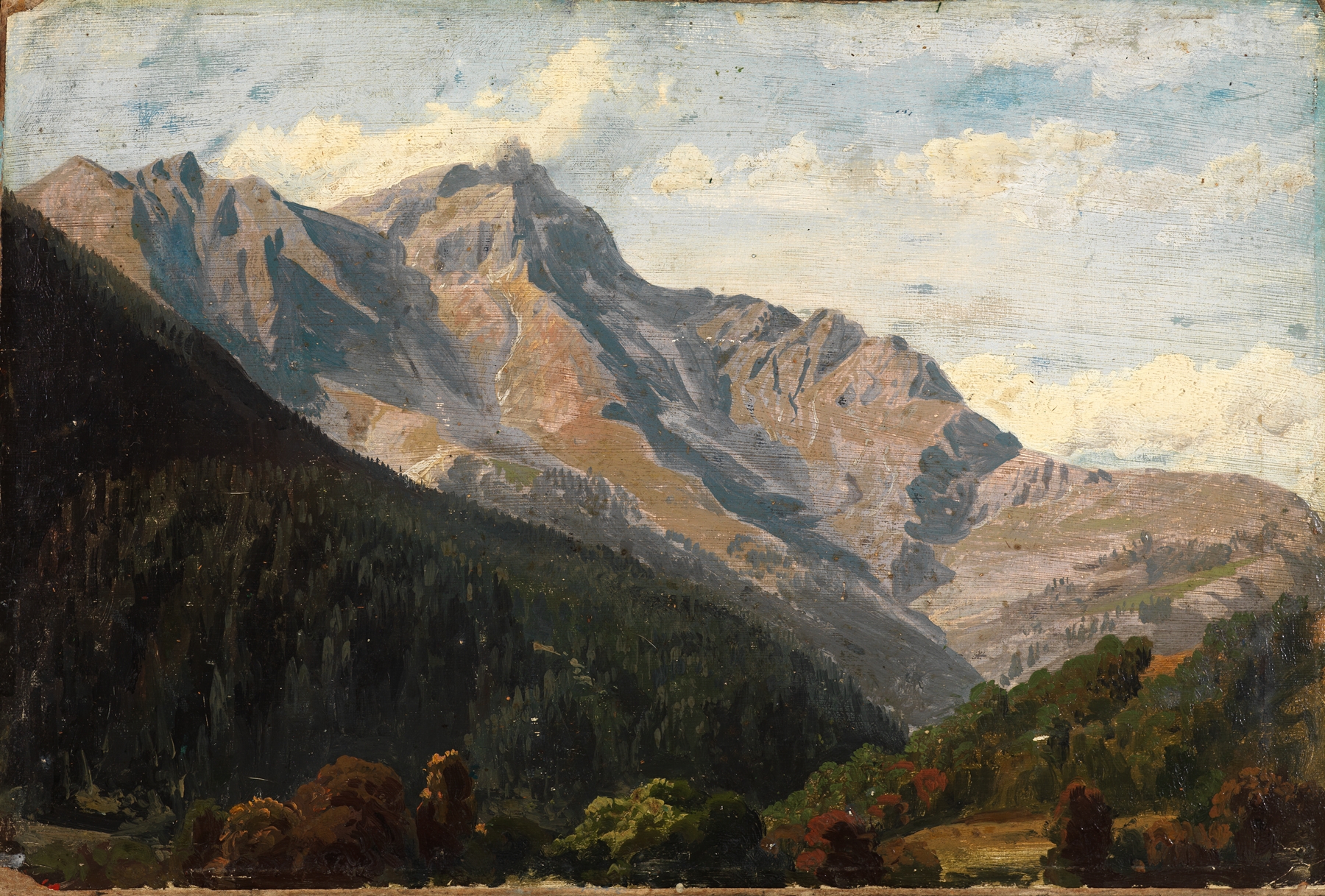
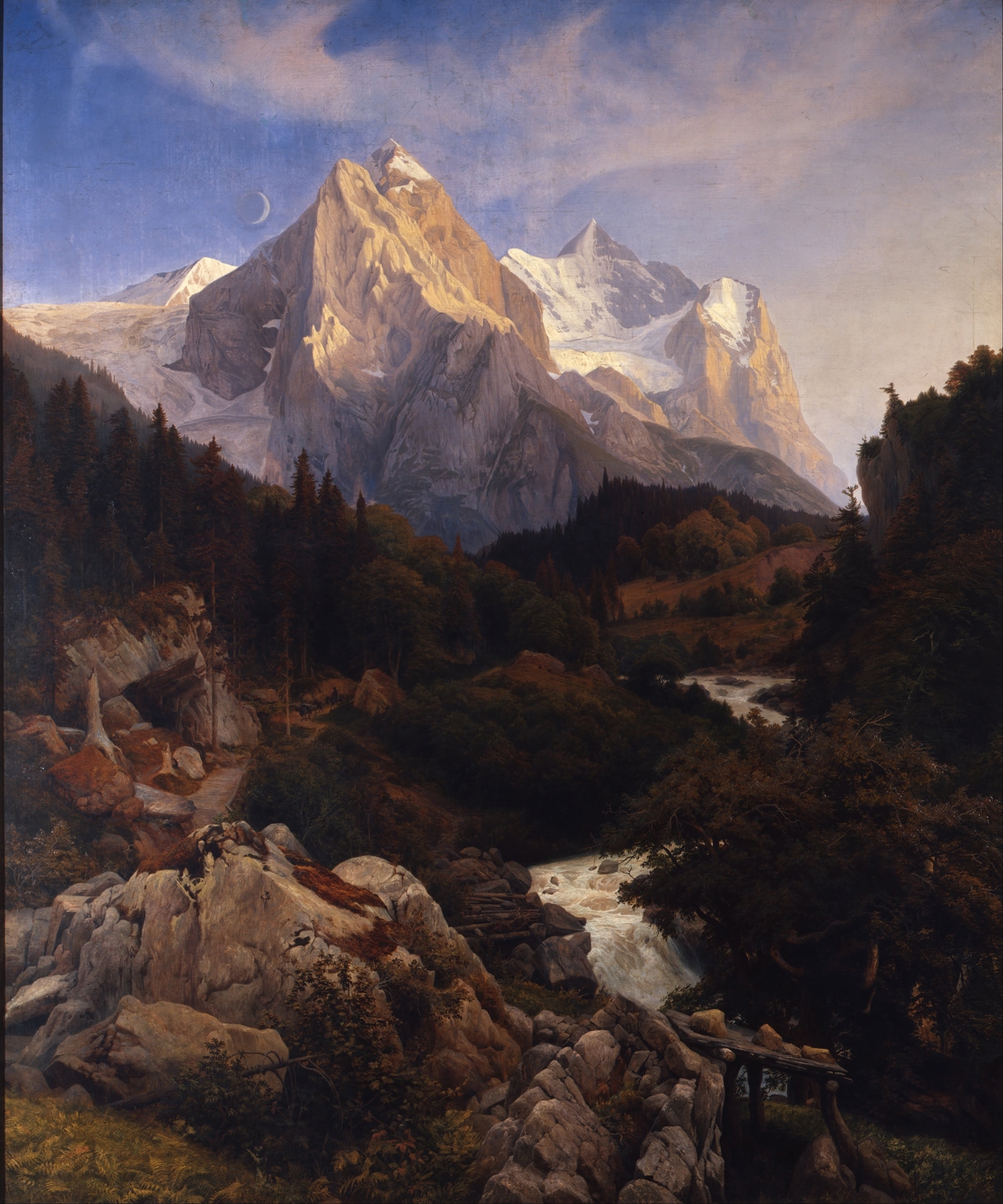
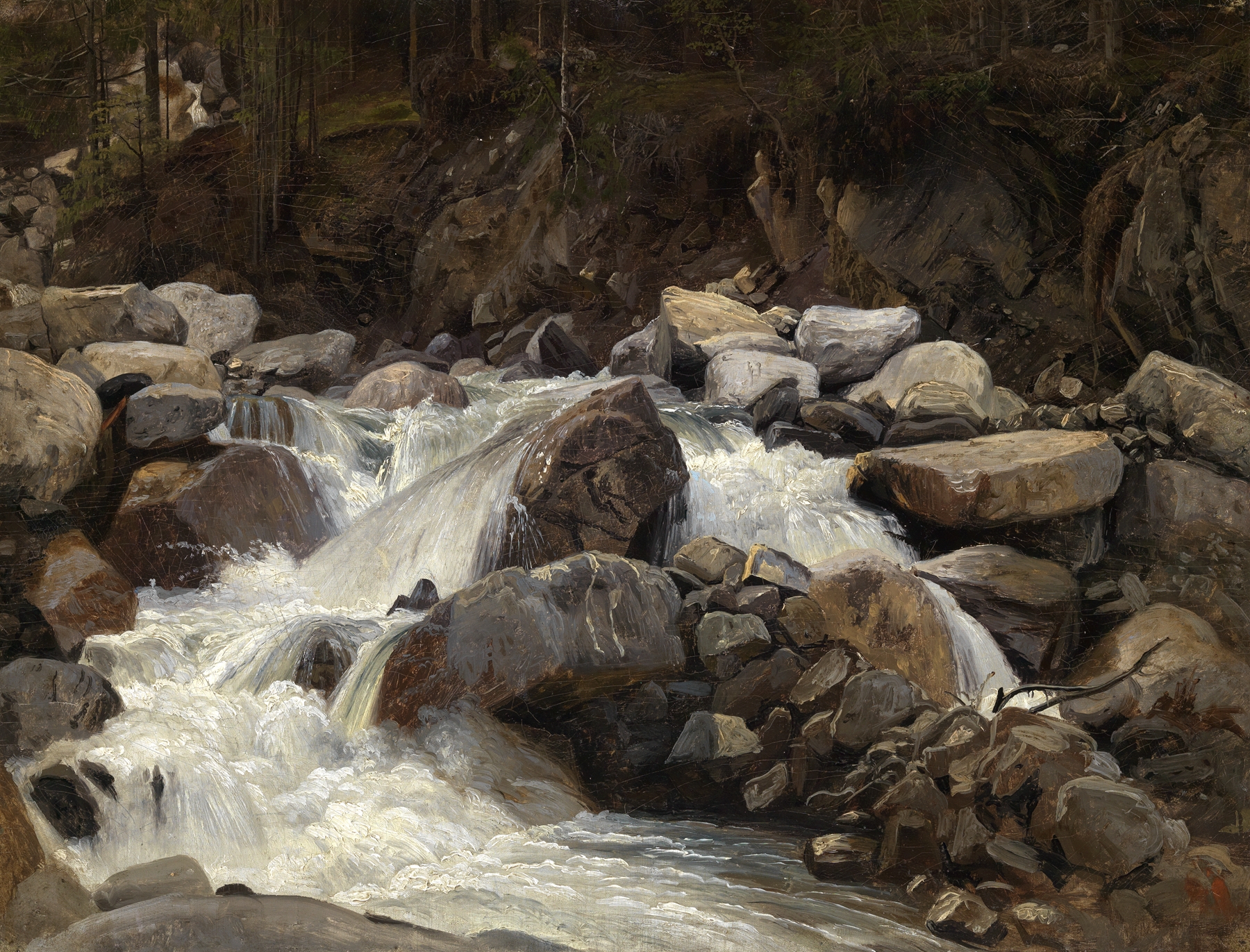
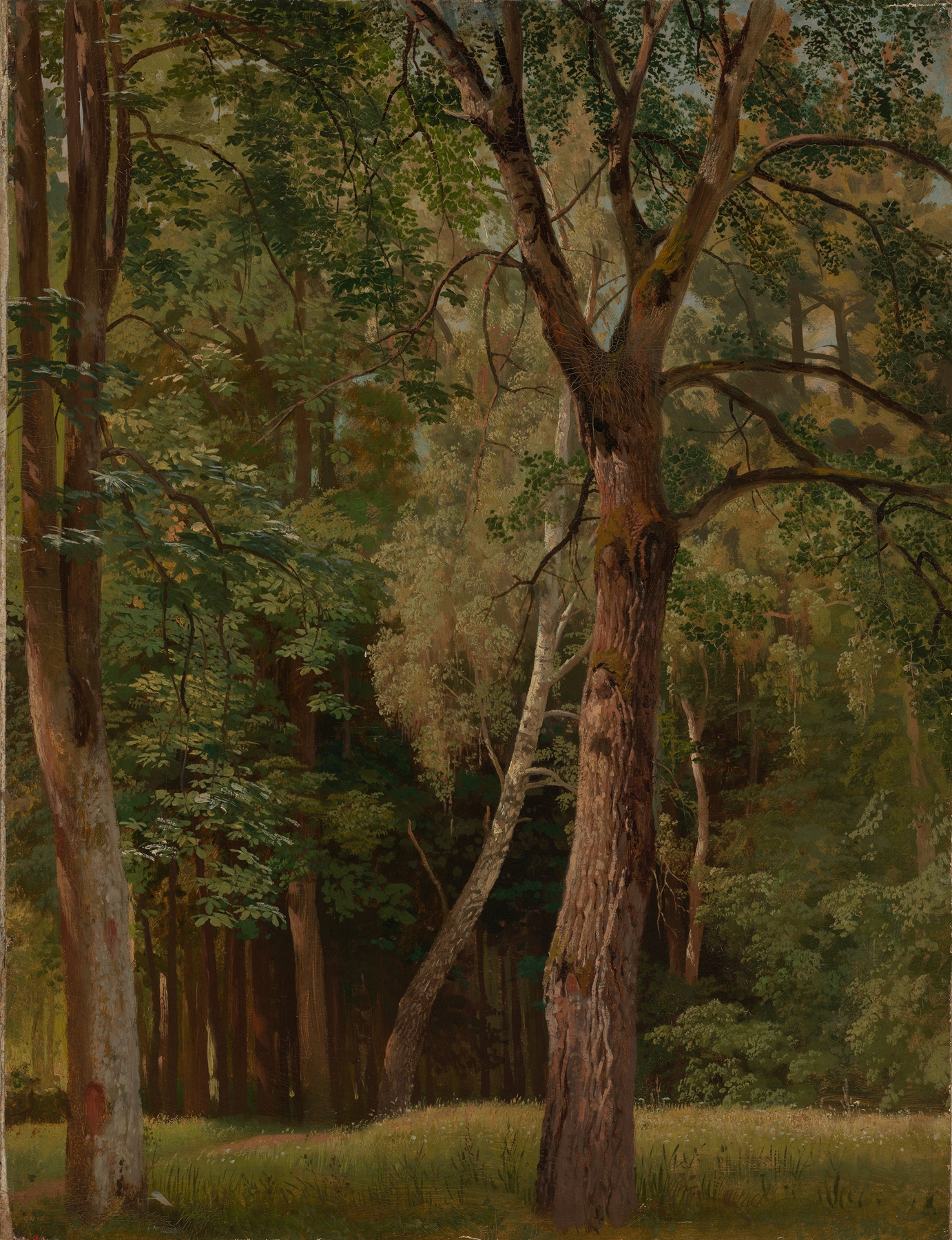
Can paint confess what words never could? In Schweizer Alpenlandschaft mit Fluss und See, the silent majesty of the Swiss Alps beckons with a whisper of time, inviting us to witness nature’s eternal embrace. Focus on the tranquil lake at the center, where the mirror-like surface captures the awe-inspiring peaks above. Notice how the artist’s brushstrokes create a delicate interplay of light and shadow, illuminating the verdant hues of the landscape.
The composition invites your gaze to traverse from the lush foreground, bursting with life, to the distant, snow-capped summits that seem to stretch into infinity, blurring the line between reality and reverie. Within this serene panorama lies an exploration of time’s fleeting nature. The gentle ripples of the river hint at stories unfurling and moments passing, while the grandeur of the mountains stands as a testament to eternal stability. Here, nature's tranquility contrasts with human transience, prompting reflections on our place within this vast tapestry of existence and the stories we leave behind.
In 1835, Johann Wilhelm Schirmer painted this piece during a period of romantic reverence for nature in art. Residing in Germany, he was deeply influenced by the picturesque landscapes of Switzerland, which symbolized both beauty and sublimity in the face of an industrializing world. This painting exemplifies the movement’s desire to reconnect with nature, as artists sought refuge from urban life while amplifying the emotional depth of the sublime.