
Sea coast — History & Facts
In moments of decay, beauty often emerges, whispering secrets of a forgotten past and evoking a profound sense of nostalgia. As you gaze upon the canvas, look to the foreground where the crumbling rocks meet the restless sea. The rich hues of blues and greens clash with the textured browns and ochres of the coast, drawing your eye to the stark contrast between the organic decay and the vibrant life of the ocean. Notice how the artist's brushstrokes appear almost tactile, inviting you to feel the rough surfaces of the land, while the fluid strokes of the water suggest an eternal, undulating rhythm that both nurtures and erodes. The piece plays with the tension between permanence and transience, showcasing the relentless march of time.
The gnarled, deteriorating rock formations symbolize the inevitability of decay, while the lively waves imply an unyielding vitality. Together, they evoke a bittersweet melancholy, hinting at the fragility of existence and the beauty found in impermanence. Created in 1910, this artwork reflects Tadeusz Makowski's experiences living in Paris during a time of great innovation in the art world. Directly influenced by the avant-garde movements of the era, he sought to blend traditional techniques with fresh perspectives.
The world was in flux, and as artists explored new ideas, this piece encapsulates a moment of introspection amid changing tides, blending the personal with the universal in a striking visual narrative.
More Artworks by Tadeusz Makowski
Browse all →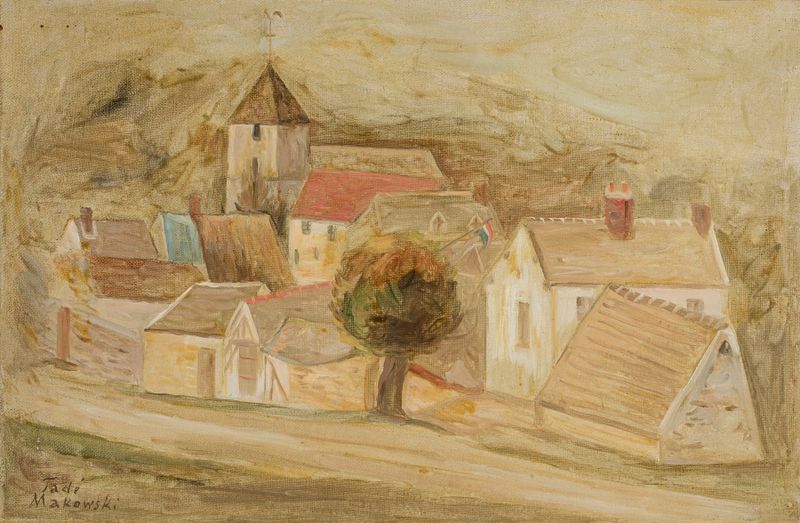
Miasteczko
Tadeusz Makowski

Pejzaż wiosenny
Tadeusz Makowski
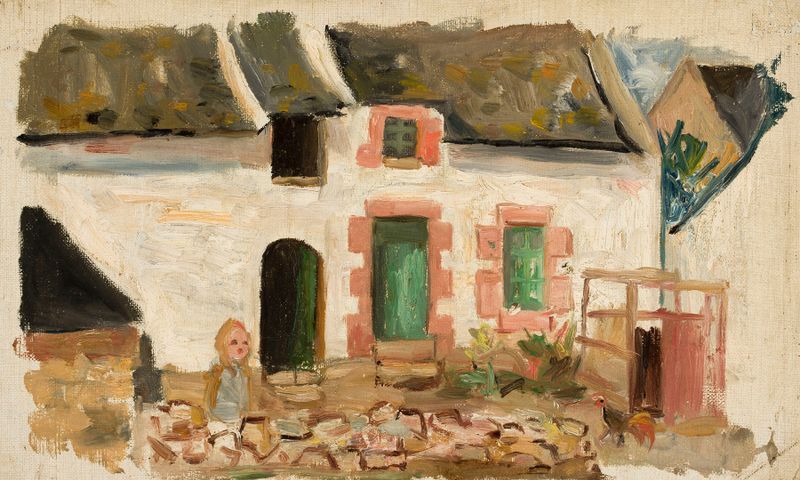
Dziecko przed domem
Tadeusz Makowski
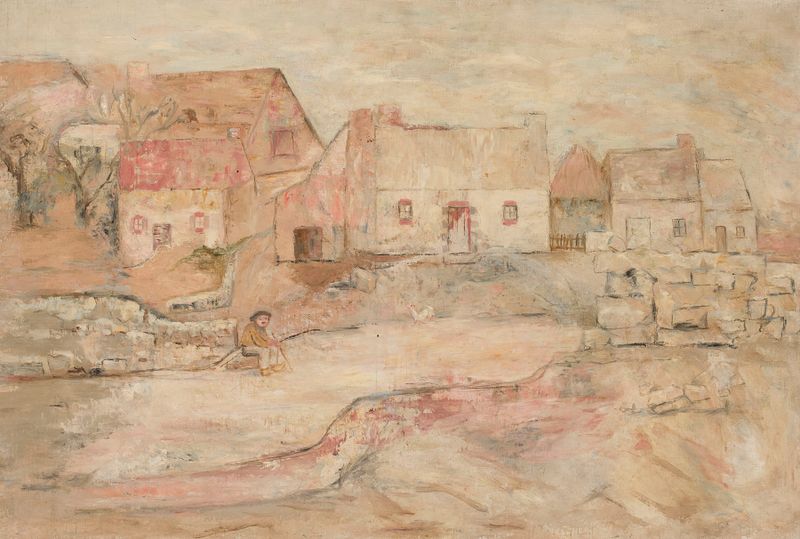
Pejzaż bretoński z siedzącym człowiekiem
Tadeusz Makowski
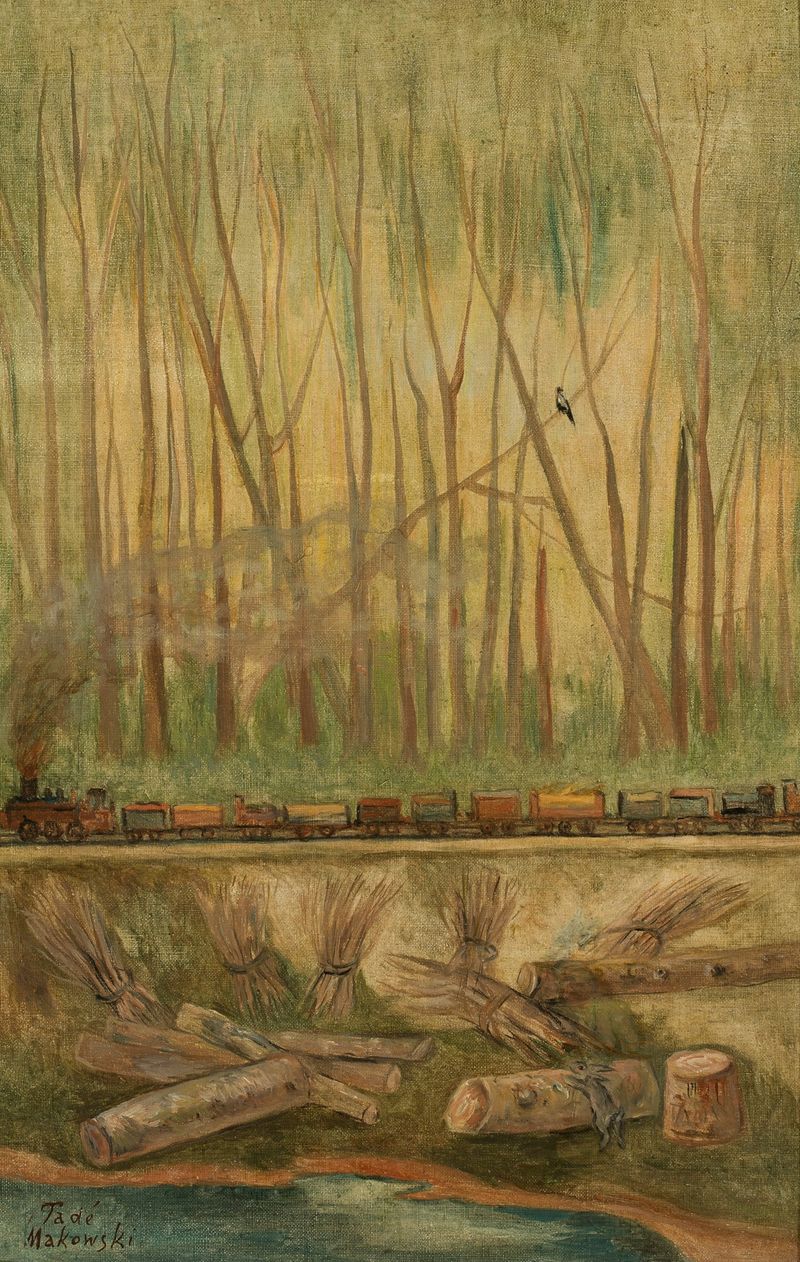
Pociąg
Tadeusz Makowski
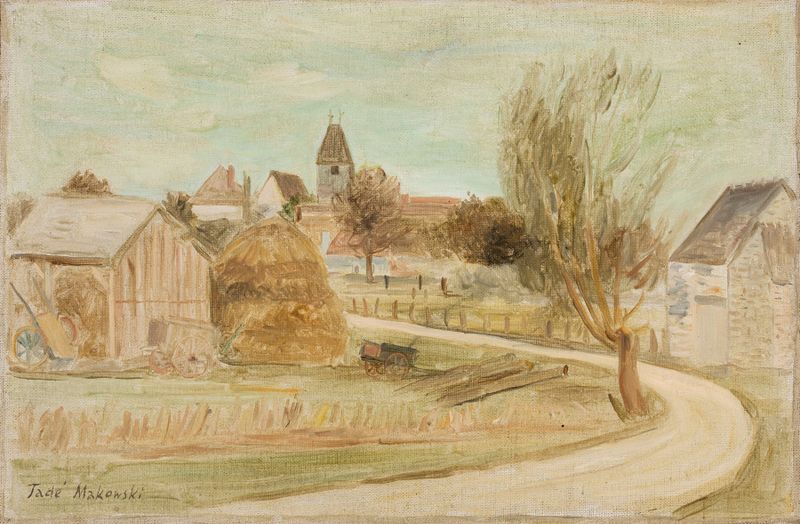
Na skraju wsi
Tadeusz Makowski

Pejzaż miejski (Esplanade des Invalides)
Tadeusz Makowski
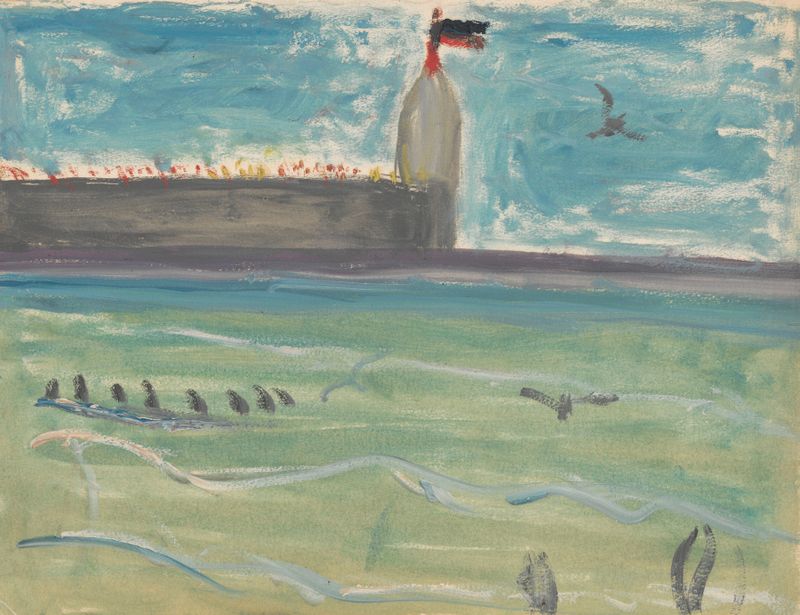
Latarnia morska w Tréport
Tadeusz Makowski
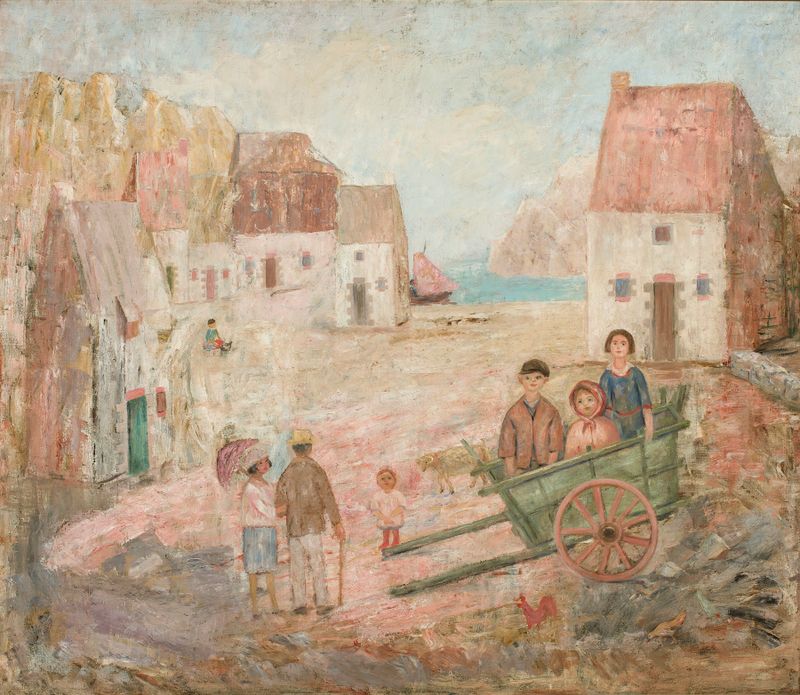
Landscape of a small town with children in a pram
Tadeusz Makowski
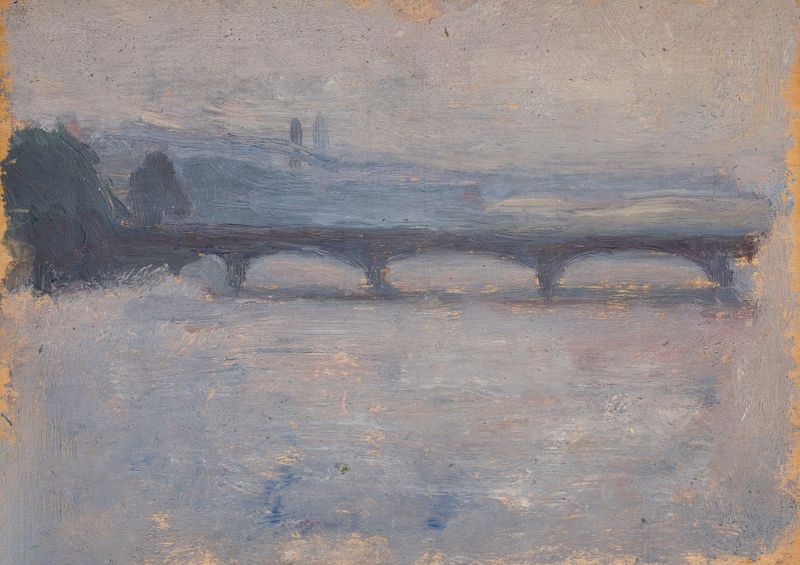
Bridge on the Seine
Tadeusz Makowski





