
Sägemühle im Morgennebel — History & Facts
In the quiet embrace of dawn, we confront the delicate balance of beauty and sorrow that lingers in the air. The mist softens edges, wrapping the scene in a gentle veil that speaks more of absence than presence. Look to the left at the sawmill, its weathered beams a testament to countless stories etched in wood. Notice how the morning light filters through the ethereal fog, casting a silvery glow on the landscape.
The muted palette of greens and browns evokes a sense of nostalgia, while the brushstrokes whisper the passage of time. Everything feels suspended—an invitation to linger, to reflect. The juxtaposition of the imposing structure and the ephemeral mist creates an emotional tension, hinting at loss intertwined with the promise of a new day. Small details—a solitary figure in the distance, the stillness of the water—invite us to ponder the stories left untold.
The fog becomes a metaphor for grief, obscuring clarity yet offering a space for contemplation, an intimate dialogue between the seen and the unseen. Emil Jakob Schindler painted Sägemühle im Morgennebel in 1886, during a period marked by personal and artistic exploration. Living in Vienna, he was deeply influenced by the natural world and the evolving art movements of his time. This work reflects his fascination with light and atmosphere, a characteristic that resonated within the late 19th-century artistic landscape, where Impressionism began to take hold and challenge traditional perspectives.
More Artworks by Emil Jakob Schindler
Browse all →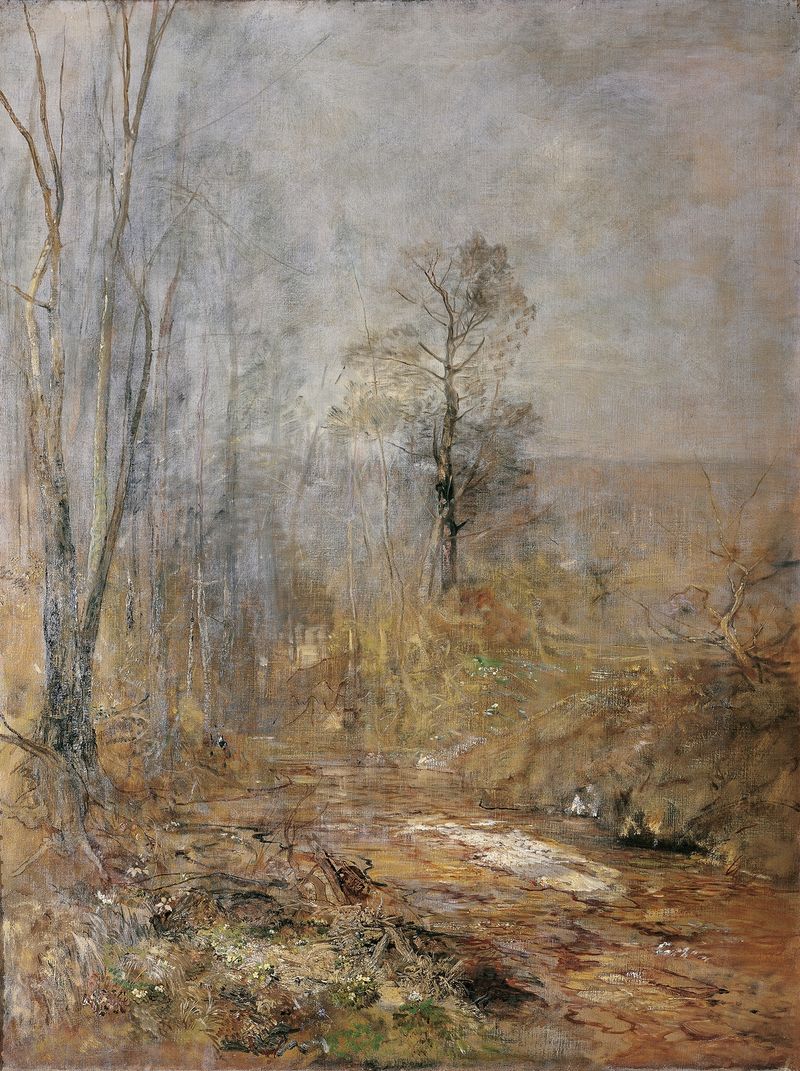
Märzstimmung – Vorfrühling im Wienerwald
Emil Jakob Schindler
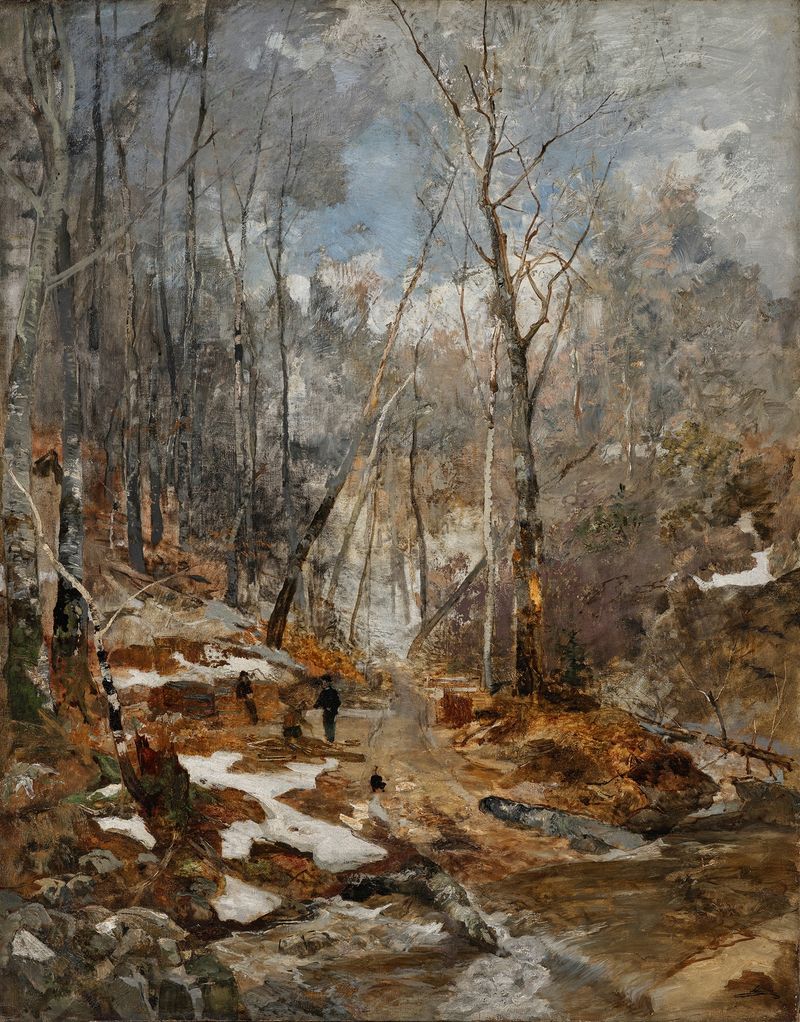
Februarstimmung – Vorfrühling im Wienerwald
Emil Jakob Schindler
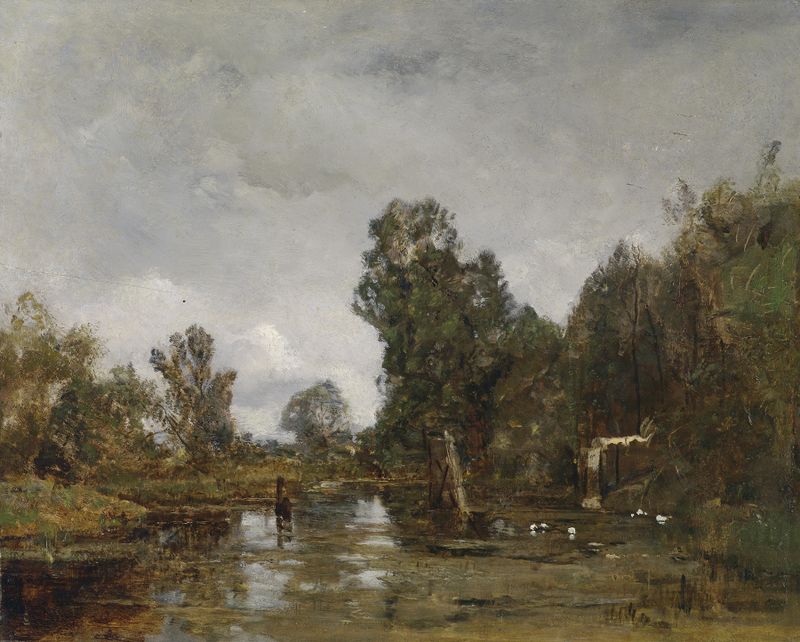
Motiv aus dem Wiener Prater (Krieau)
Emil Jakob Schindler
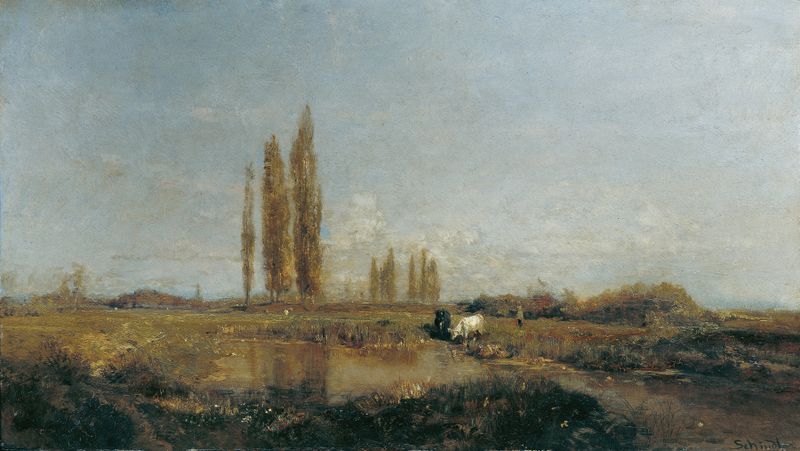
An der Thaya bei Lundenburg
Emil Jakob Schindler
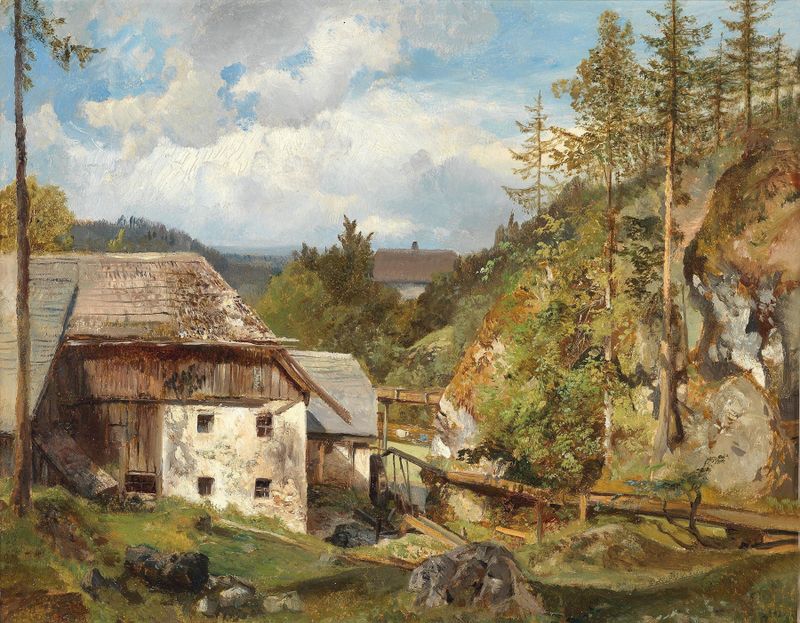
Die Mühle im Wald
Emil Jakob Schindler
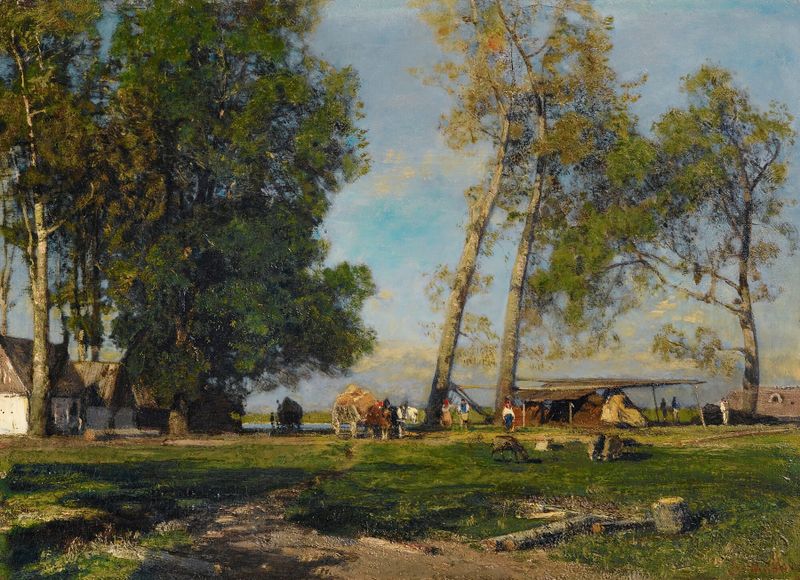
The Prater Gardens, Vienna
Emil Jakob Schindler
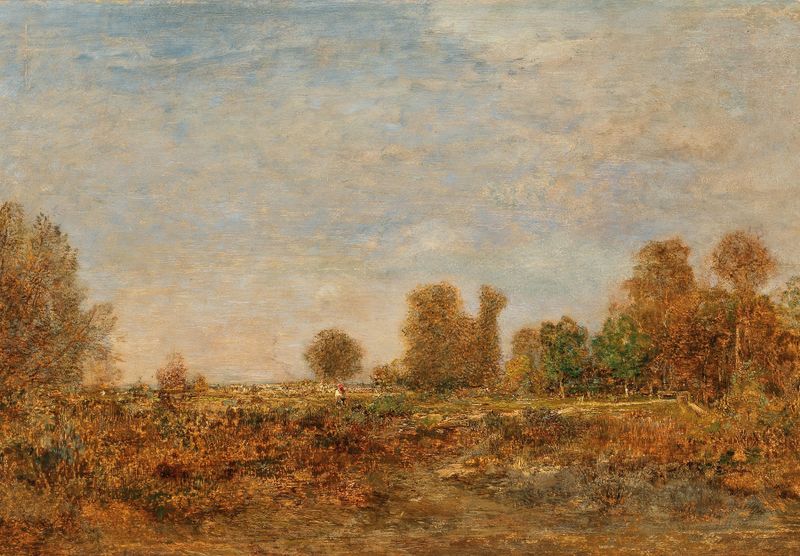
Landschaft, Lundenburg
Emil Jakob Schindler
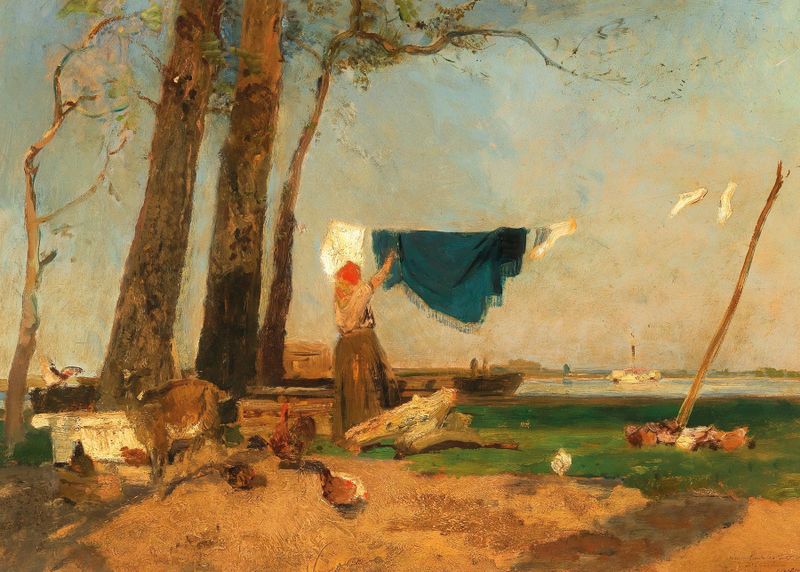
A washerwoman on the Danube bank, near the Praterspitz
Emil Jakob Schindler
Mühle in Plankenberg
Emil Jakob Schindler
Mondaufgang in der Praterau
Emil Jakob Schindler





