Shepherd’s Hut — History & Facts
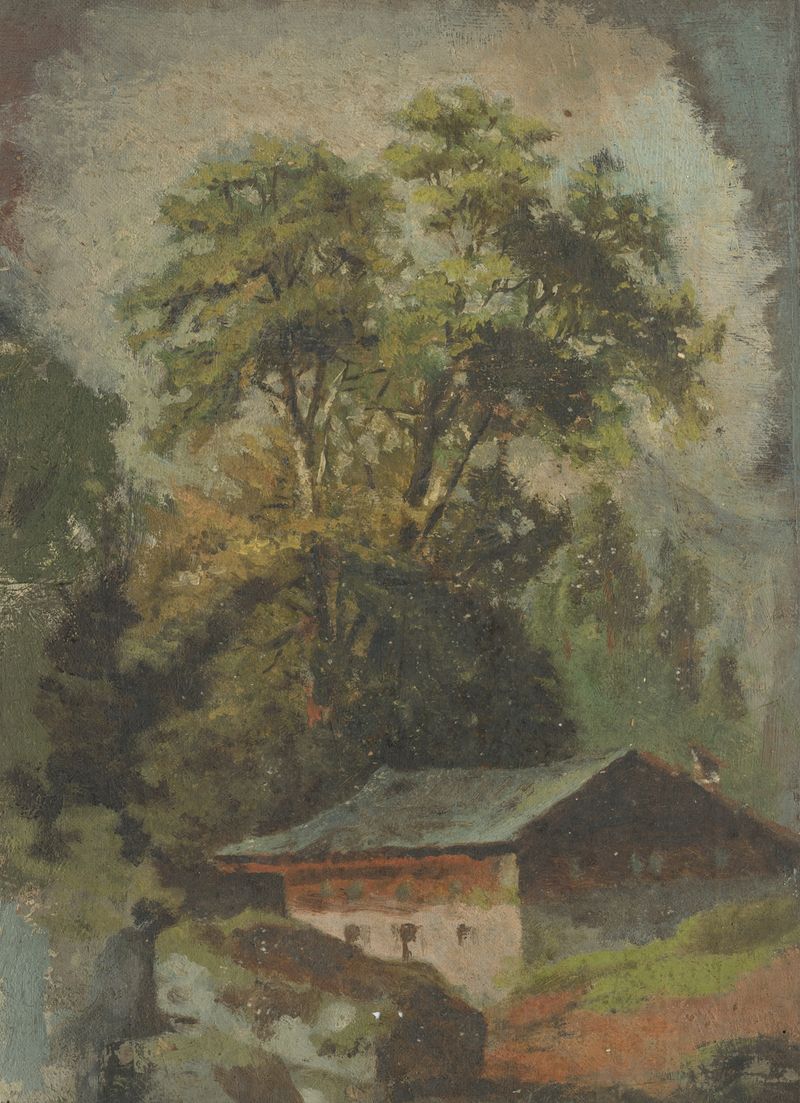
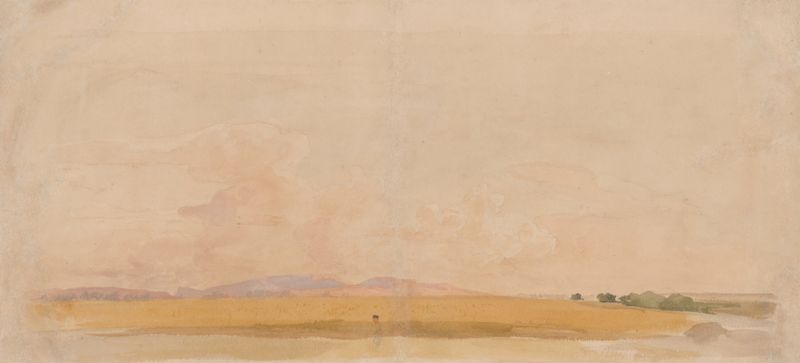
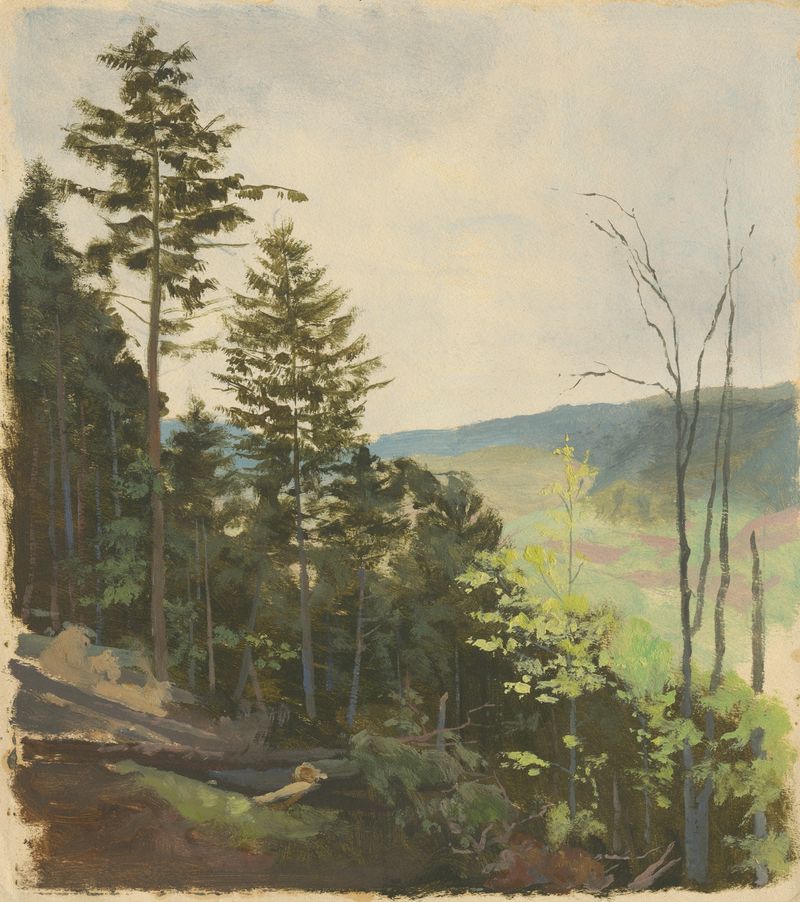
In the hands of Jan Nowopacký, painting transcends mere representation to explore deeper reflections of existence and emotion. Focus on the luminous play of light that dances across the canvas, illuminating the shepherd’s hut nestled against a tranquil landscape. Notice how the warm earth tones contrast with the cool hues of the sky, creating a harmonious balance that draws you in. The brushstrokes seem spontaneous yet deliberate, guiding your gaze over the detailed textures of the thatched roof and the gentle undulations of the surrounding terrain. As you examine the painting more closely, consider the juxtaposition of solitude and community.
The solitary hut, representing both refuge and isolation, evokes a sense of quiet introspection. The soft outlines of the trees in the background hint at the presence of life just beyond the canvas, suggesting a world interconnected yet separate. This tension between the personal and the communal reflects the artist’s understanding of human experience. Nowopacký painted this piece in 1850, during a time of significant transformation in the art world and his own life.
Emerging from the wilderness of Bohemia, he sought to capture the essence of rural life while embracing the Romantic ideals of nature. This period marked a departure from strict realism, allowing him to infuse his landscapes with emotion, setting the stage for future generations of artists who would similarly strive to explore the connection between humanity and the natural world.