Ship mill on the Elbe near Dresden — History & Analysis
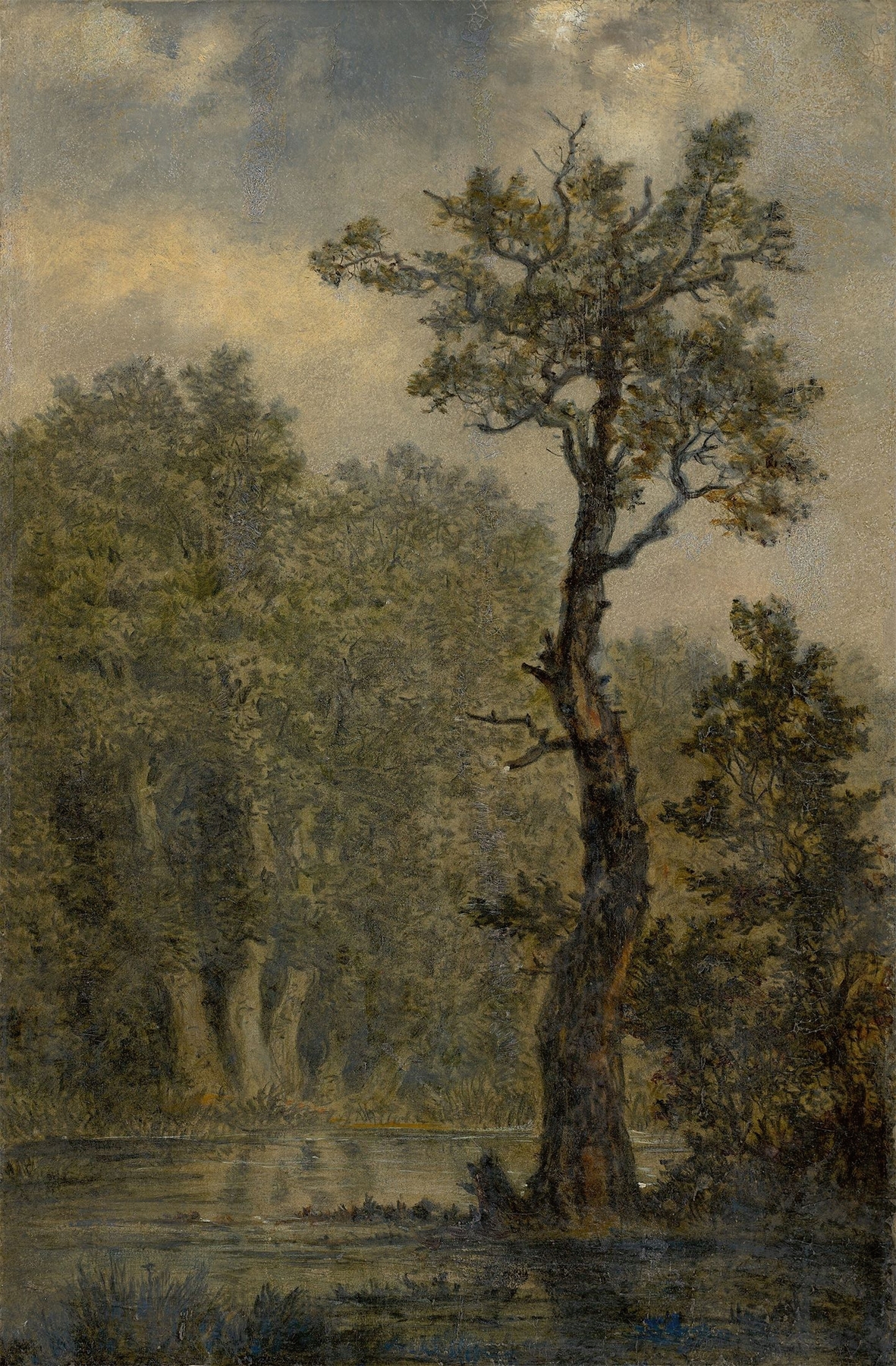
“Art reveals the soul when the world turns away.” In the quiet embrace of nature, color speaks a language only the heart can decipher. Focus on the vibrant ochres and deep blues that dance harmoniously across the canvas. Look closely at the water's surface; it mirrors the sky’s gentle hues, blurring the line between earth and ether. The ship mill stands resolute in the foreground, its structure carved with a certain simplicity that contrasts beautifully against the lush backdrop of the Elbe.
The soft play of light upon the water invites the viewer to consider the passage of time, suggesting both continuity and change. Within the painting lies a poignant tension between industry and nature. The ship mill, a symbol of human ingenuity, juxtaposes the serene environment that envelops it, illustrating the delicate balance between progress and preservation. Notice the wisps of clouds gathering above, hinting at a storm that may come—a whisper of the unpredictability of life itself.
The palette, rich in earthy tones, evokes a sense of nostalgia and reverence for the landscape, as if pleading for its protection amidst encroaching modernity. In 1826, when this piece was created, Carl Gustav Carus was immersed in the Romantic movement, reflecting a desire to reconnect with nature’s beauty amid an industrializing Europe. Living in Dresden, he found inspiration in the scenic Elbe River, capturing not just a moment but the essence of a world that was rapidly changing. This work encapsulates a period where artists sought to express emotional depth in landscapes, revealing their reverence for the natural world.