
sideboard — History & Facts
What first catches the eye is not the rich woodwork of the sideboard itself, but the mythic drama that unfolds above it: a vision of abundance and revelry, painted by Arnold Böcklin in 1874. Here, the goddess Ceres reclines on a billow of clouds, a cornucopia spilling fruit into the arms of a cherub, while Bacchus, crowned with vine leaves, raises a goblet in triumphant offering. The figures seem to float just above the carved shelves, as if the bounty of the gods might tumble down into the world of the viewer at any moment.
Böcklin’s brushwork lingers on the textures of flesh, drapery, and fruit, inviting the eye to wander from the cool marble skin of Ceres to the riot of produce in her lap. The dark, star-speckled sky behind them deepens the sense of otherworldly festivity. This is not merely a painting, but a collaboration between painter and cabinetmaker: the structure itself is a Renaissance revival sideboard designed by Pössenbacher, its intricate woodwork echoing the grandeur of the mythic scene above. Such pieces were statements of taste and learning in the 19th century, meant to anchor a room both physically and culturally.
In an age fascinated by the revival of classical forms, patrons commissioned works like this to signal prosperity and erudition, blending the practical with the allegorical. The date, 1874, places it at the height of historicist design in Europe, when artists and craftsmen looked to the past for inspiration amid rapid social change. Few objects so vividly unite the worlds of fine art and daily life—look again, and see how the gods preside over the rituals of dining and display.
More Artworks by Arnold Böcklin

Die Toteninsel III
Arnold Böcklin
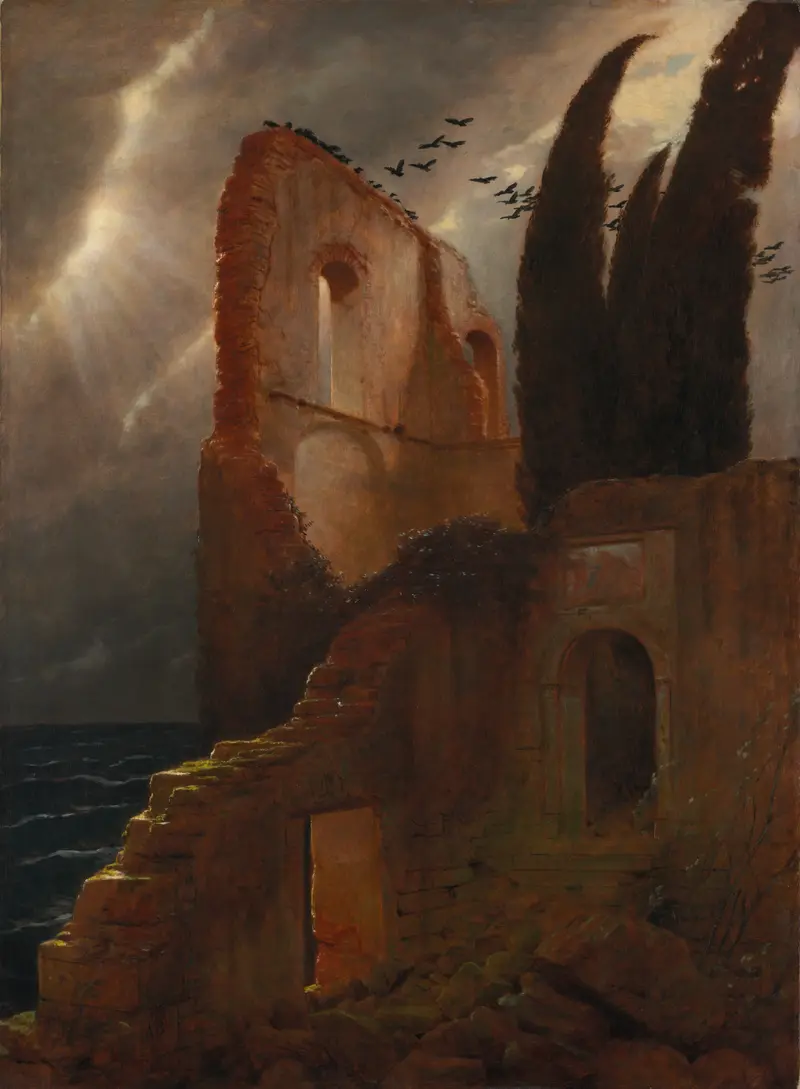
Ruin by the Sea
Arnold Böcklin
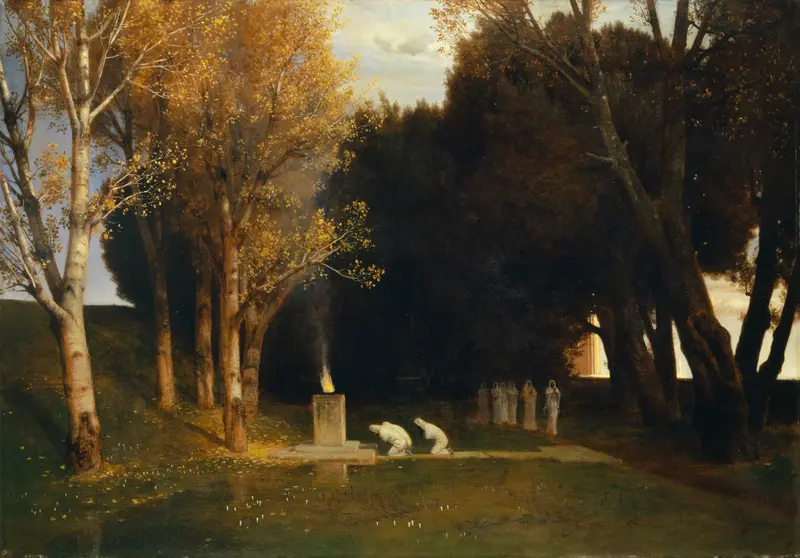
The Sacred Grove
Arnold Böcklin
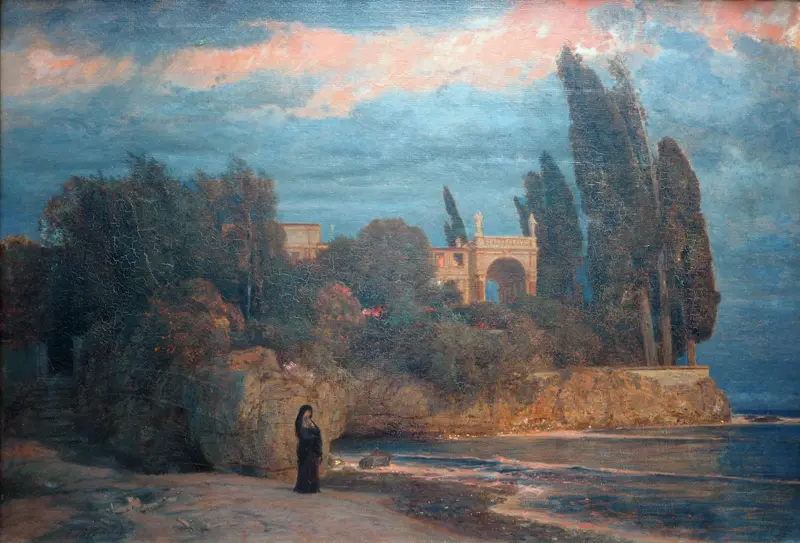
Villa by the Sea
Arnold Böcklin
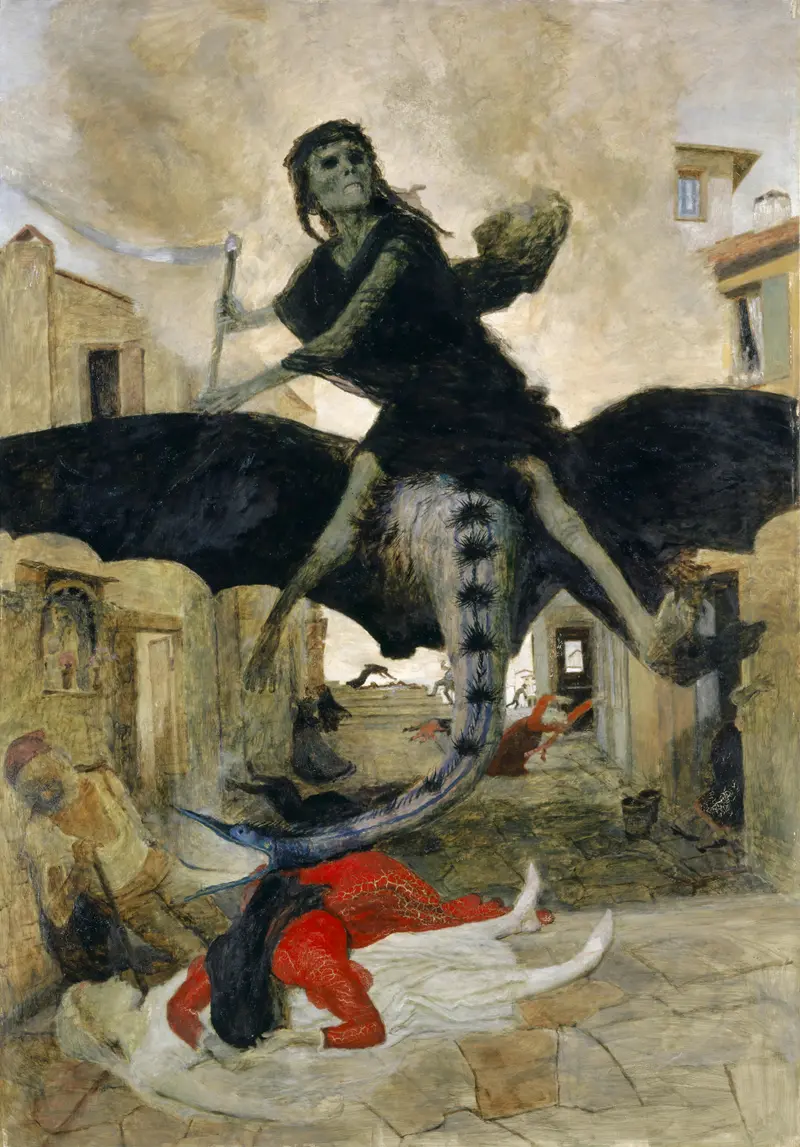
The Plague
Arnold Böcklin
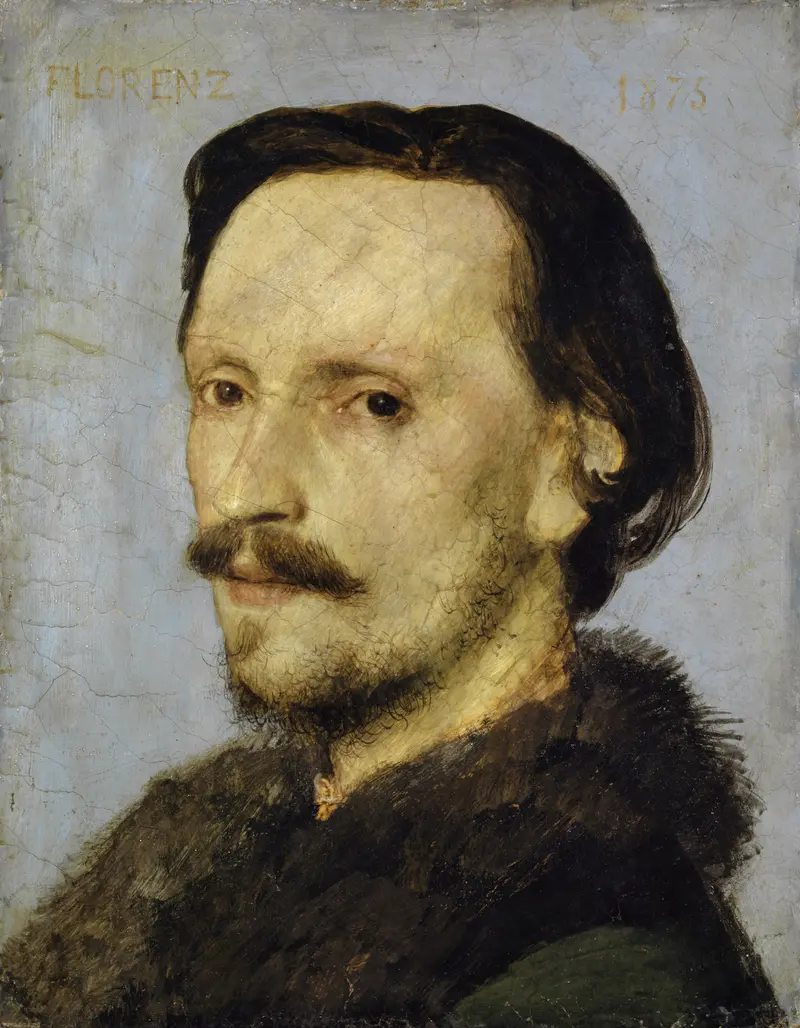
Böcklin Bildnis des Kunsthistorikers Adolph Bayersdorfer, 1875
Arnold Böcklin
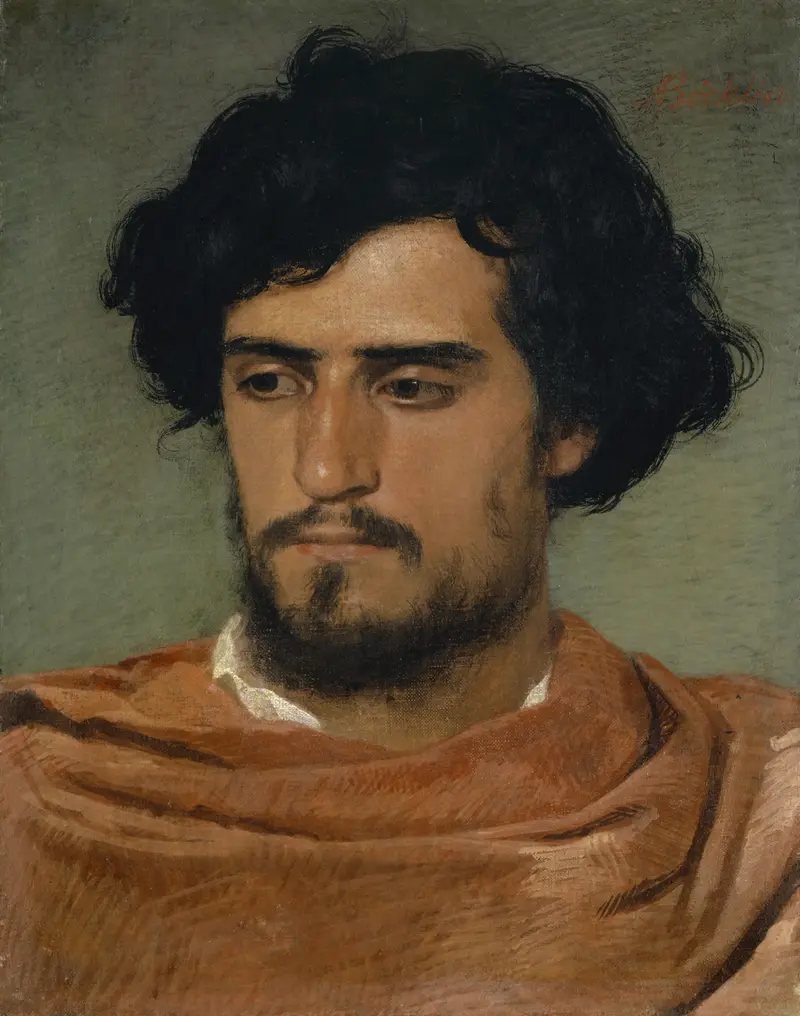
Head of a Roman
Arnold Böcklin
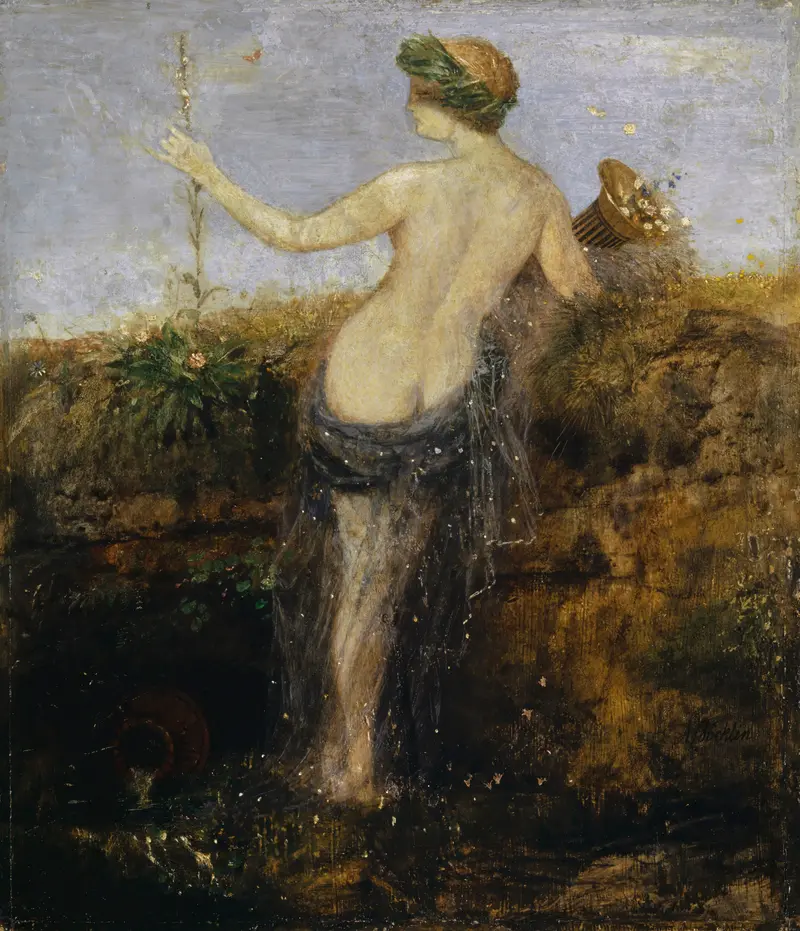
Nymphe with Horn of Plenty
Arnold Böcklin
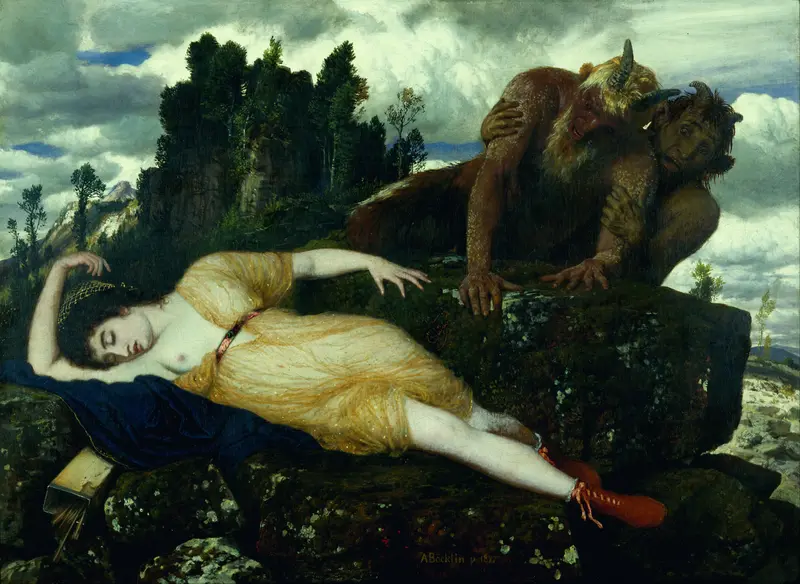
Sleeping Diana Watched by Two Fauns
Arnold Böcklin
Spring (Songs of Spring)
Arnold Böcklin





