
Soldier's Farewell — History & Facts
When Soldier's Farewell was first exhibited in 1873, critics immediately recognized it as a rare example of Gustave Doré turning his celebrated talents as an illustrator toward the intimacy of personal loss. Known for his sweeping engravings of epic tales, Doré here chose to focus on a single, private moment, prompting one Parisian reviewer to remark, "Doré has found the epic in the ordinary." The painting’s medium remains uncertain, adding a layer of intrigue for scholars, who debate whether it is oil on canvas or a mixed technique. This ambiguity has only deepened the sense of mystery surrounding the work, which stands apart from Doré’s more widely reproduced illustrations. The scene captures the charged pause before a soldier’s departure, his uniformed figure caught mid-embrace with a woman whose face is half-turned in shadow.
The soldier’s hand, resting gently on her shoulder, is both protective and hesitant—a gesture that speaks to the uncertainty of return. A discarded glove on the ground hints at haste or distraction, while the muted palette and somber light draw the viewer’s eye to the emotional gravity of the farewell. Unlike the grand, heroic departures painted by Jean-Louis-Ernest Meissonier, Doré’s focus is on the quiet ache of separation, not the glory of battle.
Every detail, from the woman’s tightly clasped hands to the soldier’s downcast gaze, invites us to witness the cost of duty. The subsequent history of Soldier's Farewell is less well documented than many of Doré’s works. It is not known who first acquired the painting, or whether it was part of a series intended for private patrons. Over the decades, the work has appeared in several exhibition catalogues, but its whereabouts have sometimes been uncertain, a fate not uncommon for Doré’s lesser-known paintings.
Today, it is recognized as a rare example of Doré’s engagement with the themes of everyday life, offering a counterpoint to his better-known literary and religious subjects. Its quiet drama continues to attract viewers, who find in it a different side of Gustave Doré—one more attuned to the private struggles that shape history.
More Artworks by Gustave Doré

The Deluge
Gustave Doré
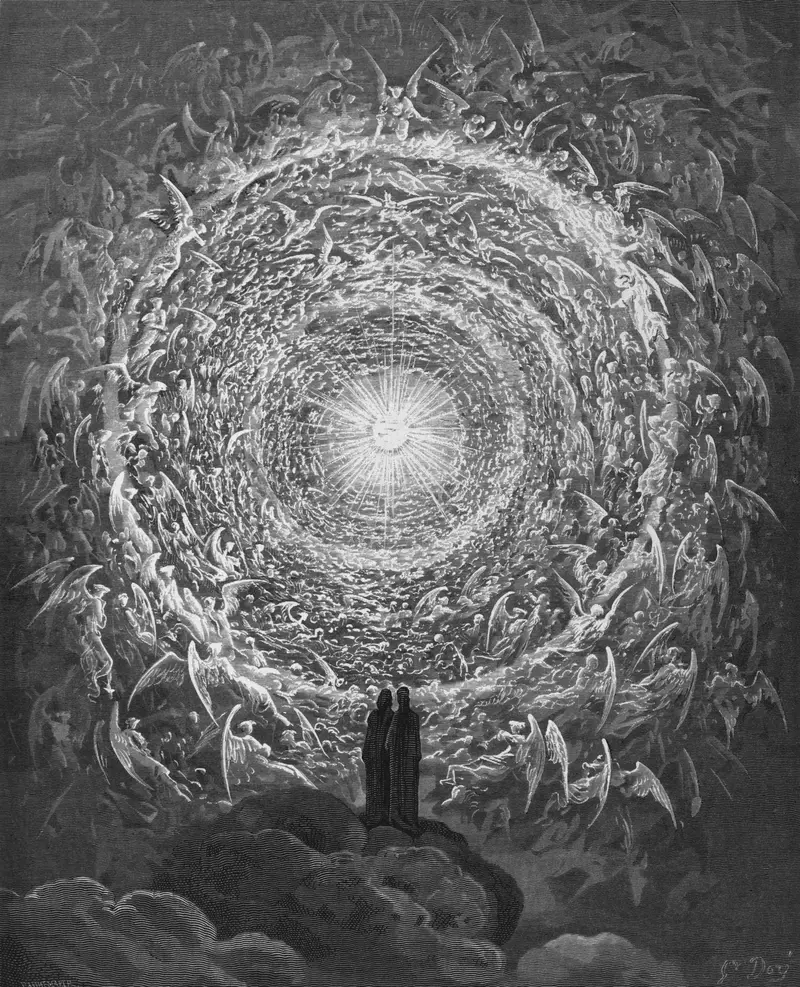
The Empyrean (Paradiso, Canto 31)
Gustave Doré
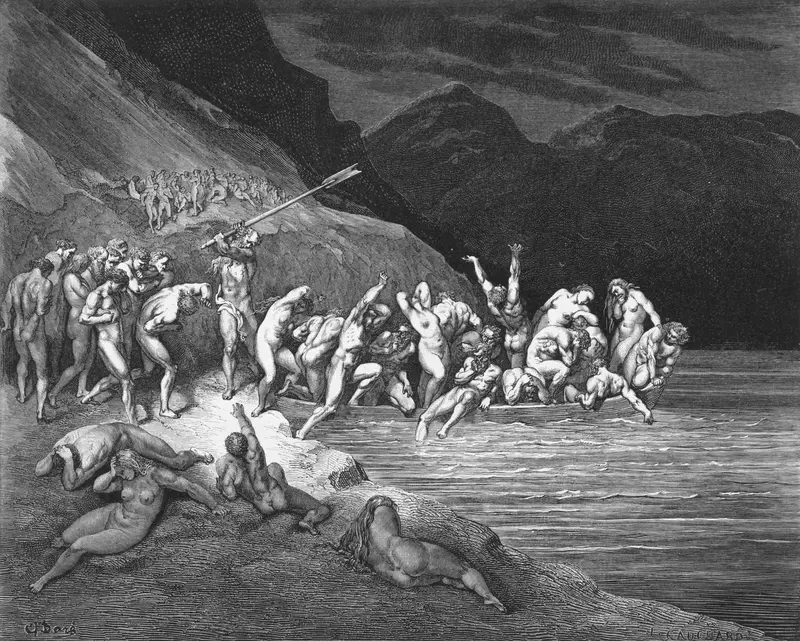
Charon (Inferno, Canto 3)
Gustave Doré
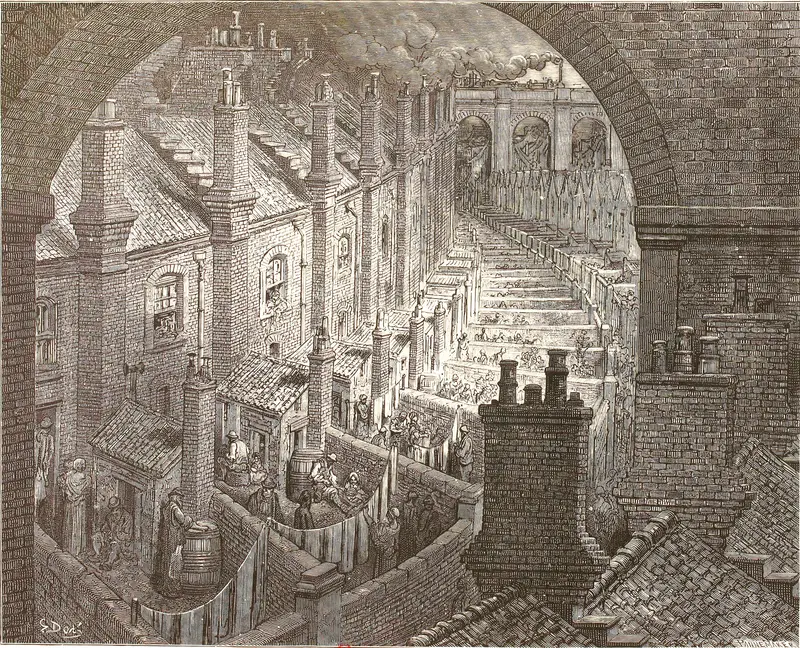
Over London by Rail
Gustave Doré
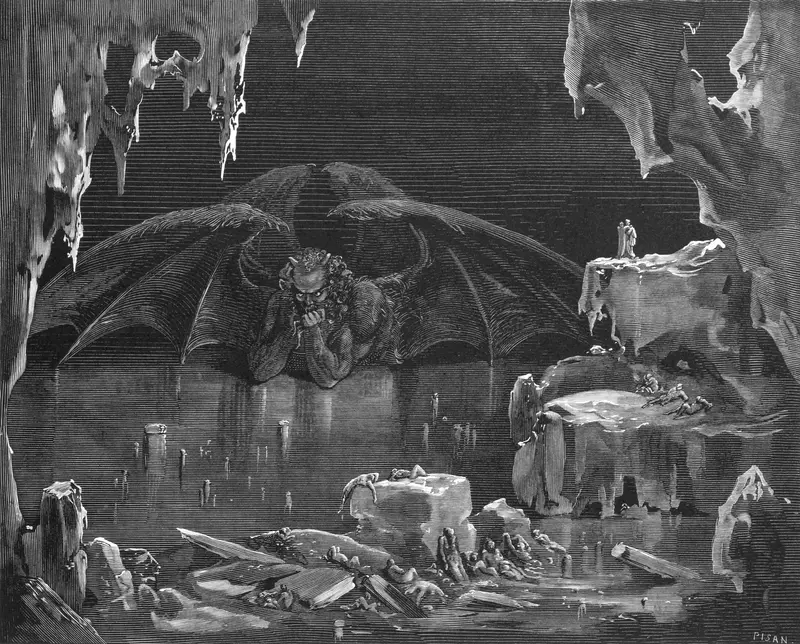
Lucifer, King of Hell
Gustave Doré
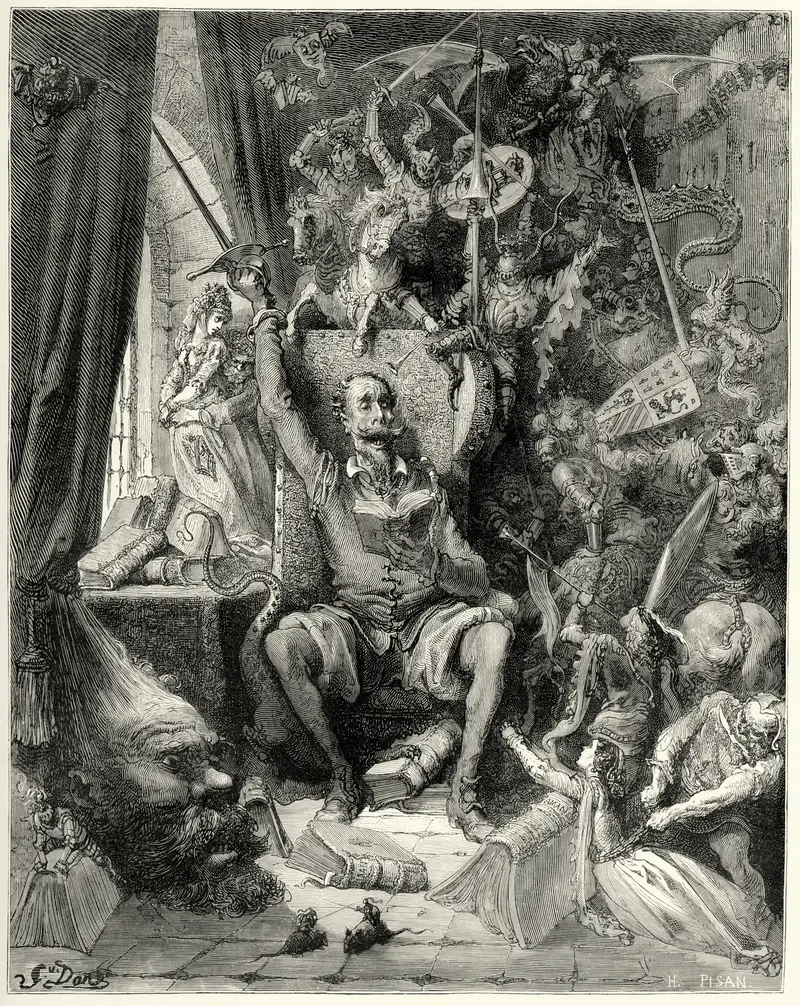
Don Quixote in His Library
Gustave Doré
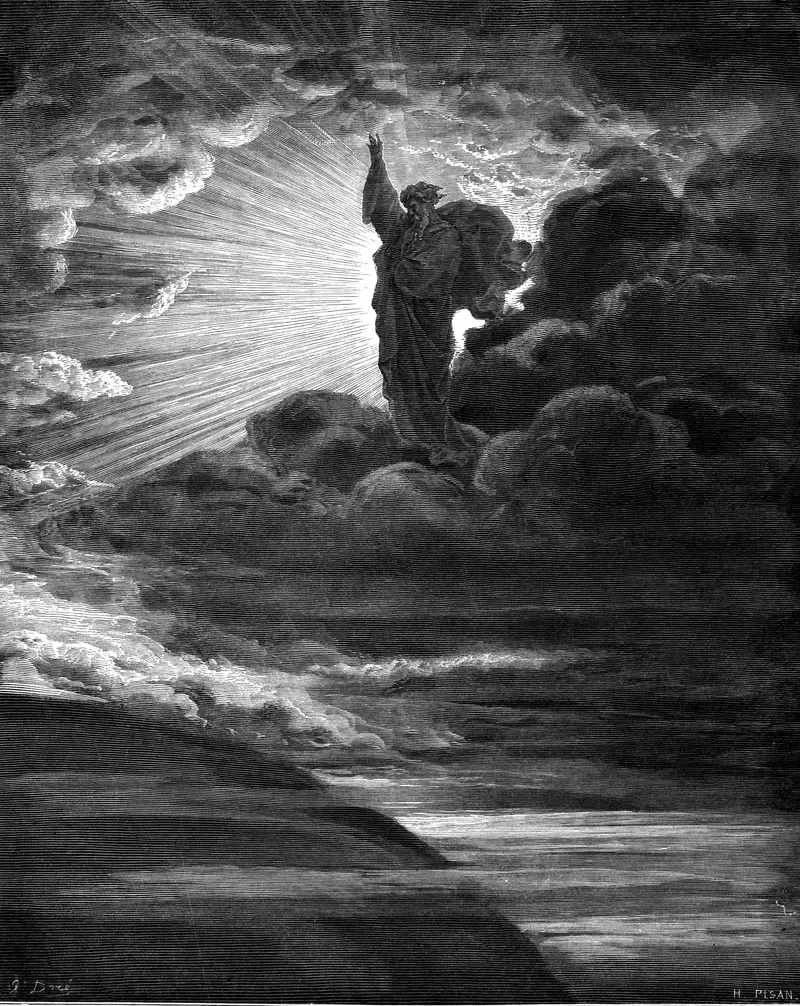
The Creation of Light
Gustave Doré
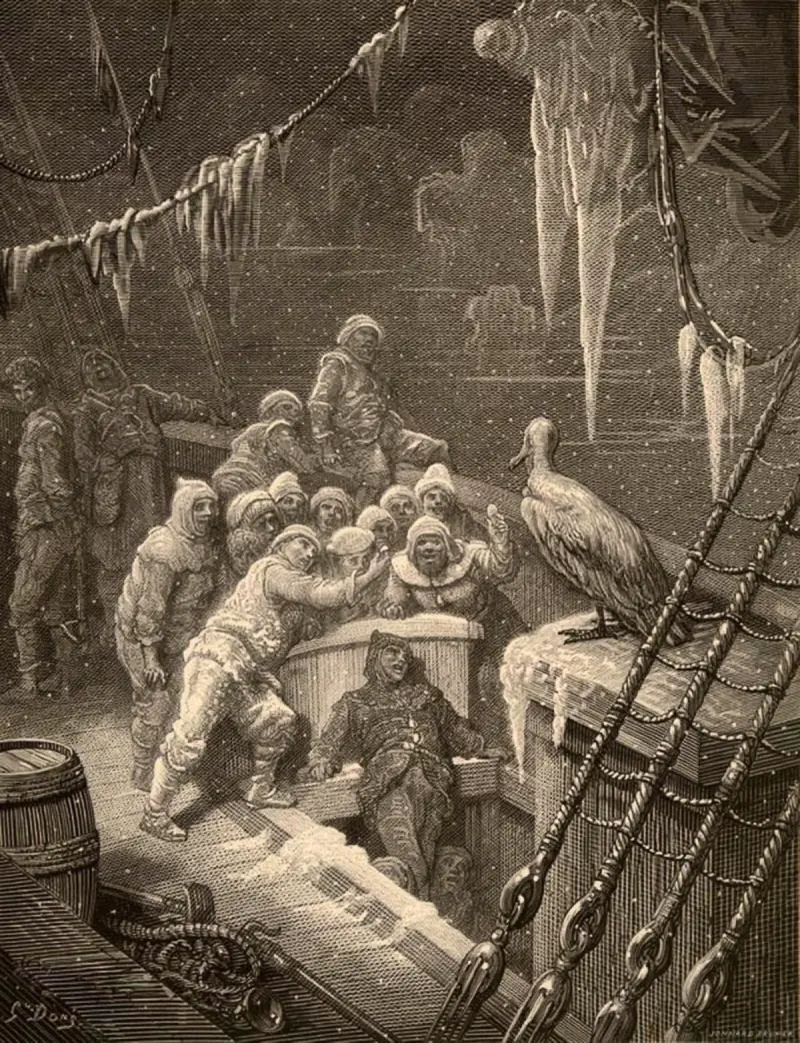
The Albatross (The Rime of the Ancient Mariner)
Gustave Doré
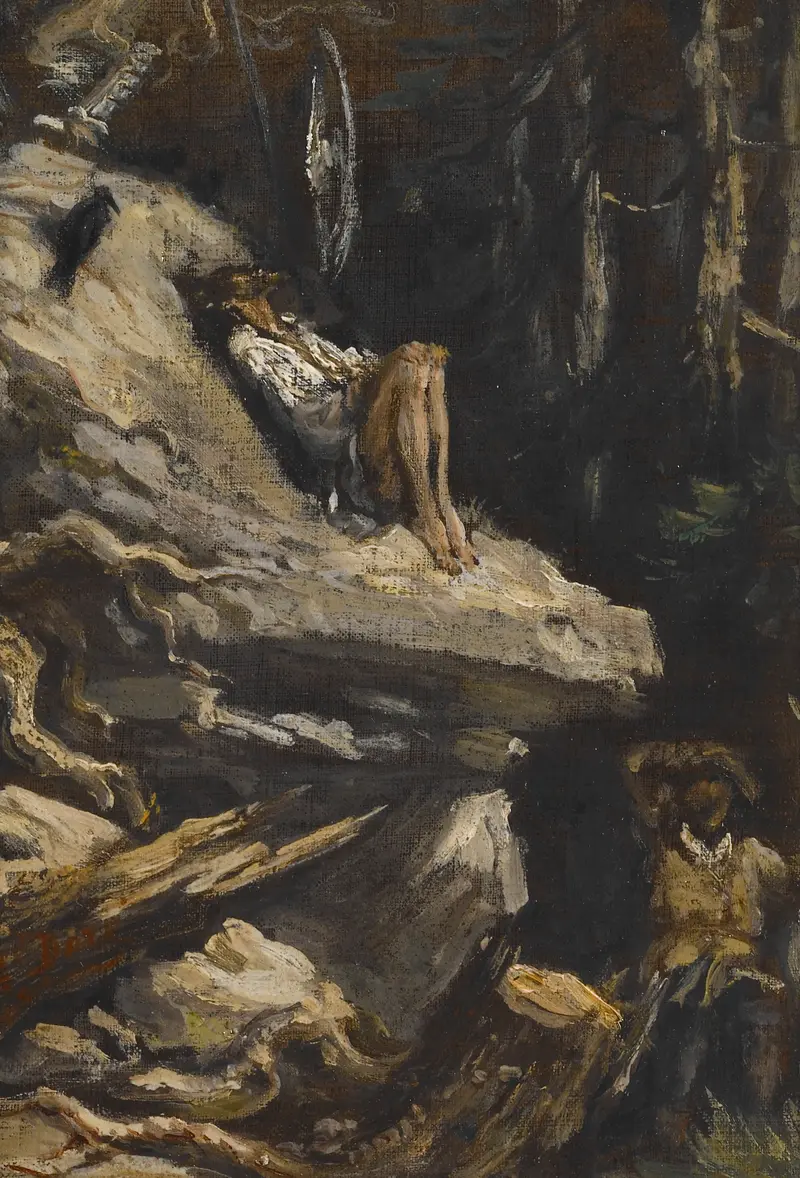
"'Alas!' answered Sancho, 'I found him in his shirt, lean, pale, and almost starved, sighing for his Lady Dulcinea'" from Don Quixote
Gustave Doré
Christ's Entry into Jerusalem
Gustave Doré
More Genre Scene Art

Banquet of the Officers of the St George Civic Guard
Frans Hals

Rembrandt and Saskia in the Scene of the Prodigal Son
Rembrandt van Rijn

Bal du moulin de la Galette
Pierre-Auguste Renoir

Quadrille at the Moulin Rouge
Henri de Toulouse-Lautrec

A Burial at Ornans
Gustave Courbet

When Will You Marry?
Paul Gauguin