
Sorgheloos leeft in armoede — History & Facts
Is this a mirror — or a memory? In Sorgheloos leeft in armoede, the viewer confronts a striking balance between desolation and the rich intricacies of human experience, urging us to reflect on the duality of existence. Look to the left at the figure hunched beneath the weight of pervasive poverty. The muted earth tones of his tattered attire blend into the sparse surroundings, a testament to the harshness of life that envelops him. Notice how the cool light spills in through the window, casting a stark contrast across the room, illuminating the few meager possessions that lie scattered yet purposeful, like remnants of dignity fighting against despair. The juxtaposition of light and shadow here reveals profound emotional tensions.
The somber expression on the subject's face speaks volumes about resignation, yet the soft glow highlights traces of resilience. Every wrinkle etched into his skin tells a story of survival, while the empty space surrounding him can evoke feelings of isolation and neglect, drawing us into the dual narratives of vulnerability and strength. This tension begs the viewer to consider the delicate balance between despair and hope. Cornelis Anthonisz.
created this poignant piece in 1541 during a time when the burgeoning art world was starting to explore more personal and emotional depths. Living in Amsterdam, he was influenced by the rising humanist ideals that prioritized the individual experience, even as society was fraught with inequality and hardship. The painting serves as both a commentary on the struggles of the common man and a reflection of the artist's society, capturing an essential moment in art history that bridged the late medieval and early modern sensibilities.
More Artworks by Cornelis Anthonisz.
Browse all →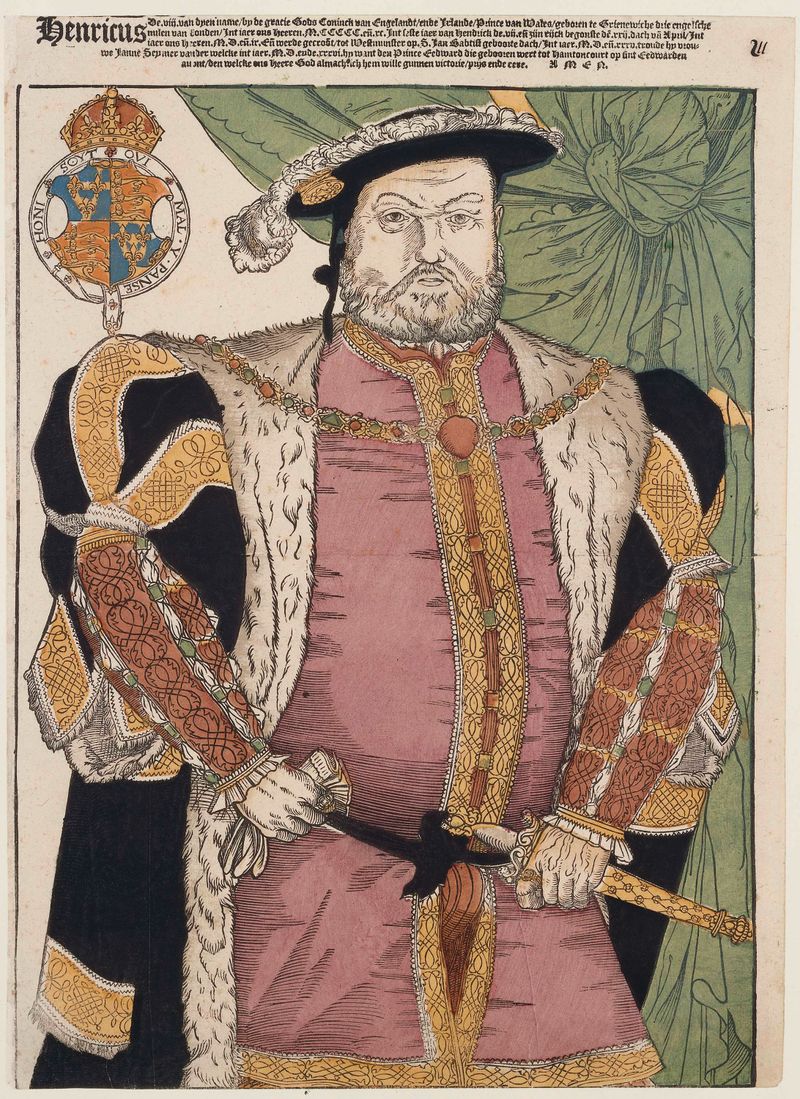
Portret van Hendrik VIII van Engeland
Cornelis Anthonisz.

Portret van Hendrik VIII van Engeland
Cornelis Anthonisz.

Portret van Maarten van Rossum te paard
Cornelis Anthonisz.
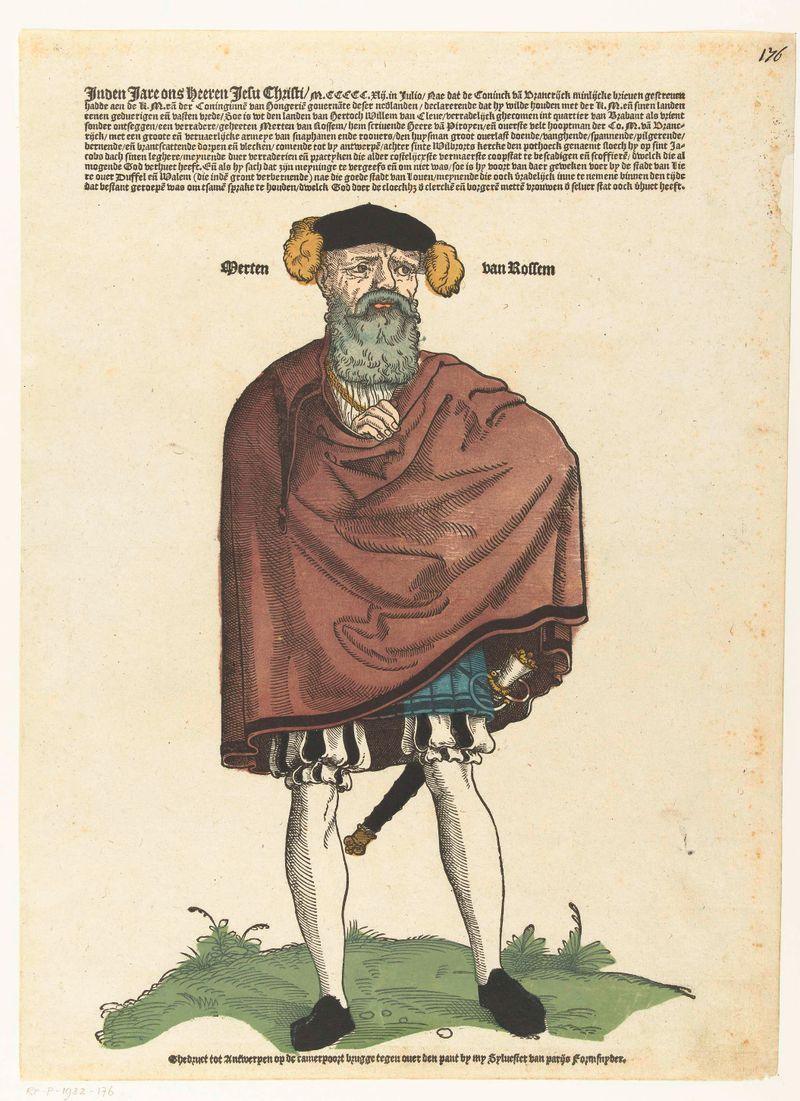
Portret van Maarten van Rossum
Cornelis Anthonisz.

De verloren zoon eet uit de varkenstrog
Cornelis Anthonisz.
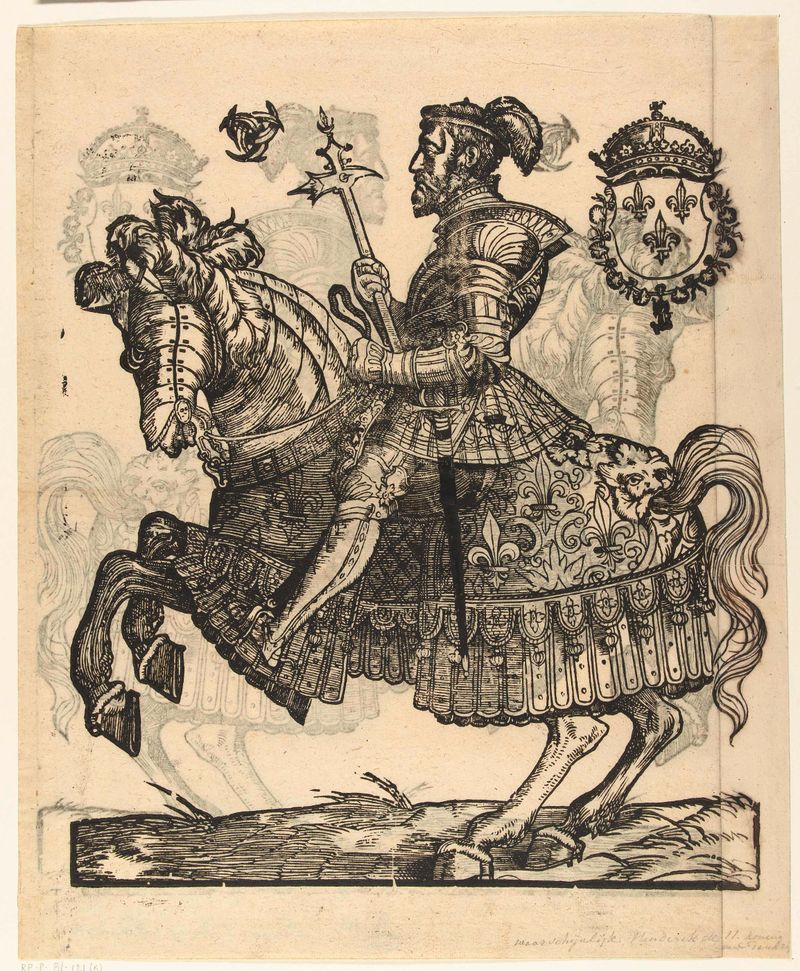
Portret van Hendrik II van Frankrijk te paard
Cornelis Anthonisz.

Portret van hertog Willem van Kleef, Gulik en Berg, graaf van Mark, heer van Ravenstein te paard
Cornelis Anthonisz.

Portret van Karel V te paard
Cornelis Anthonisz.

Portret van Maria van Hongarije te paard
Cornelis Anthonisz.
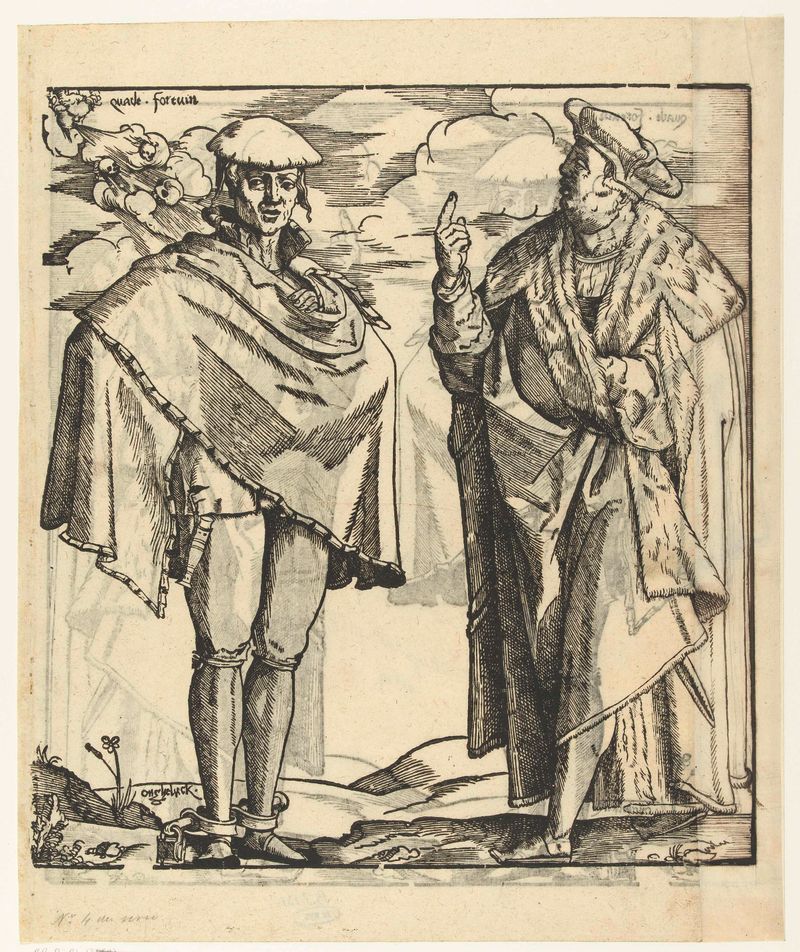
De lichtzinnige jeugd
Cornelis Anthonisz.





