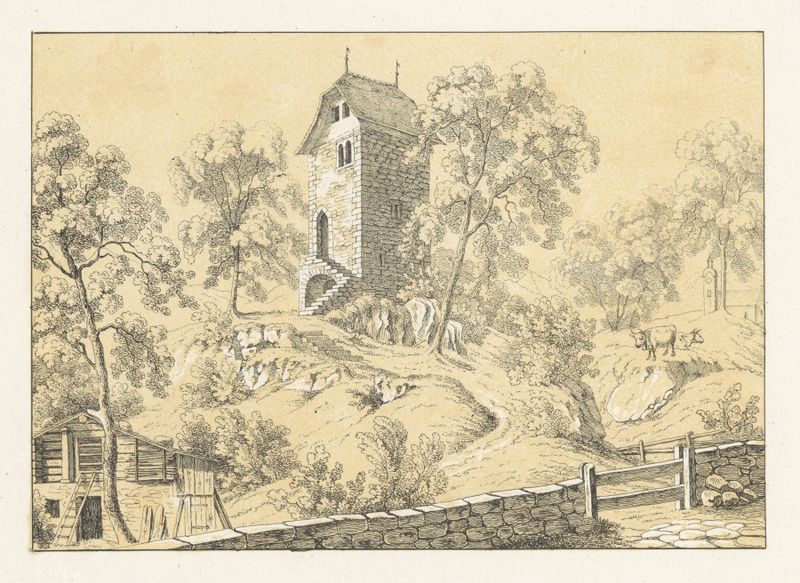
Spiegelberg ou Muriaux — History & Facts
This sentiment encapsulates a profound yearning, an ache for beauty amidst disorder—a theme that resonates through the strokes of a masterful hand. Focus first on the swirling colors that dance across the canvas, where vibrant hues of deep crimson and earthy browns coalesce in an almost tumultuous embrace. Notice how the light interacts with textured brushwork, creating a dynamic play that draws the eye into the heart of the composition. The subtleties of shadow and highlight suggest layers of emotion, inviting viewers to lose themselves in the intricate details that whisper secrets of longing and contemplation. Within the chaos, there are moments of serene clarity—a delicate figure emerges, embodying a sense of solitude and reflection.
The contrasting elements, both turbulent and calm, evoke a tension that speaks to the human experience of desire and separation. Each brushstroke seems to pulse with an emotional charge, revealing not just the external world but an inner landscape of aspirations and dreams that remain just out of reach. Created between 1840 and 1844, this work reflects Johann Friedrich Wagner’s exploration of Romantic ideals amidst a shifting art landscape. During this time, he was influenced by the growing emphasis on individual emotion and the sublime in nature, as well as a personal quest for meaning in a rapidly industrializing world.
His technique not only captures the essence of yearning but also signifies a pivotal moment in his artistic journey, paralleling broader movements in European art.
More Artworks by Johann Friedrich Wagner
Browse all →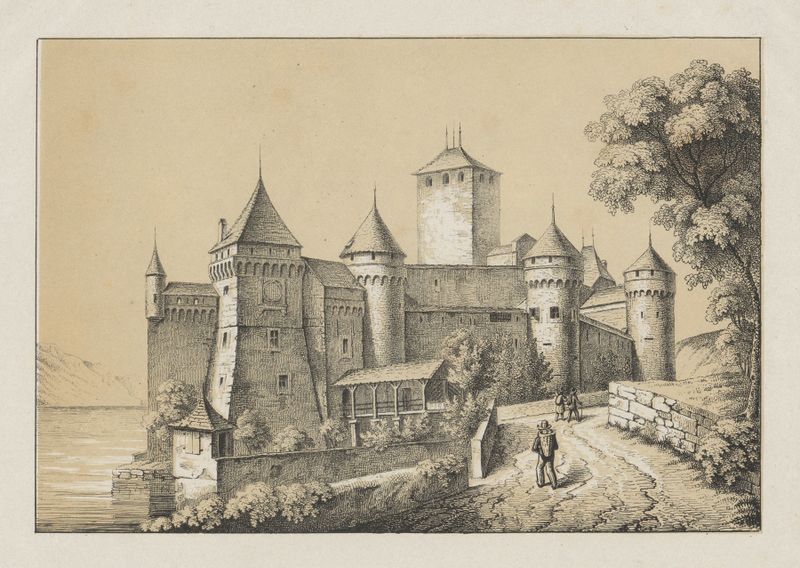
Chillon
Johann Friedrich Wagner

Valangin
Johann Friedrich Wagner
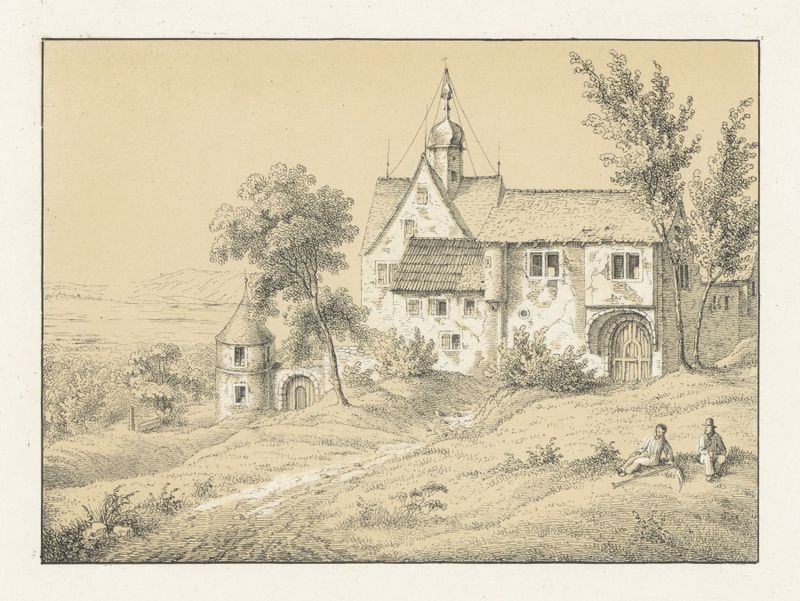
Greifenstein
Johann Friedrich Wagner

Vorburg
Johann Friedrich Wagner
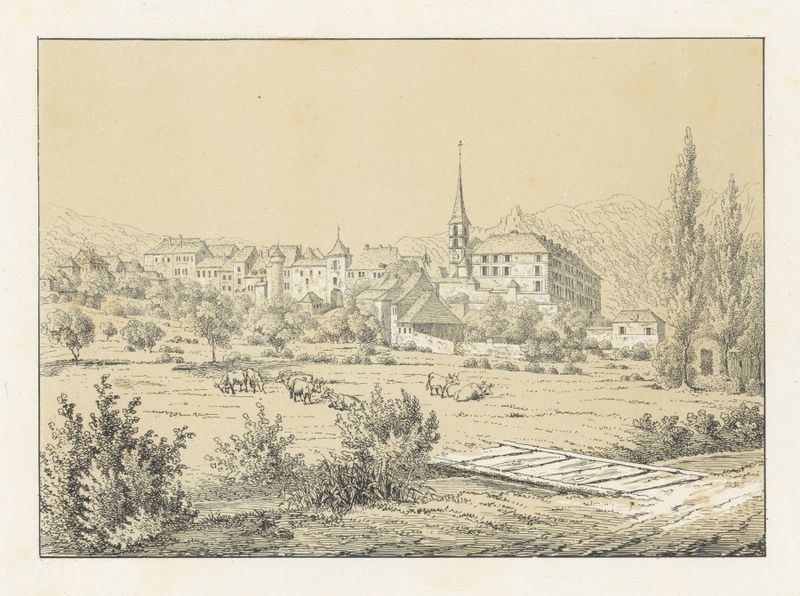
Delémont
Johann Friedrich Wagner

Pleujouse
Johann Friedrich Wagner

Challay
Johann Friedrich Wagner
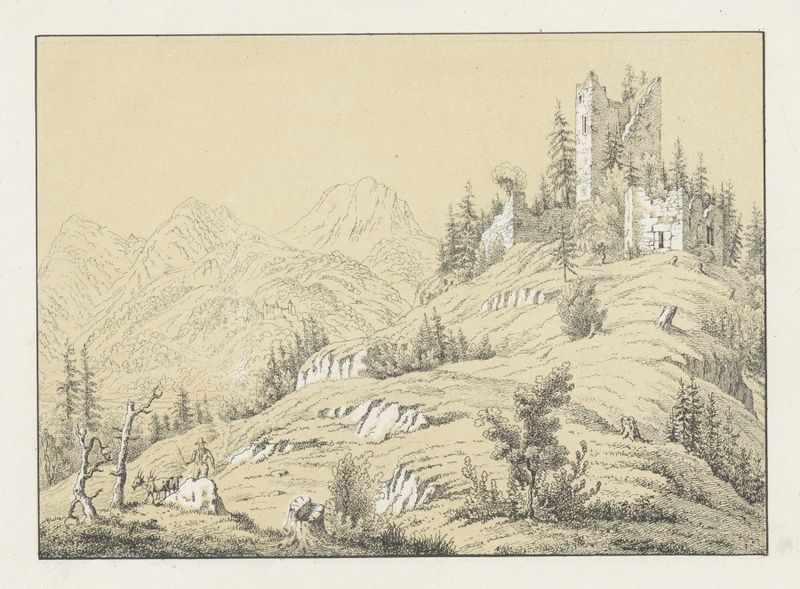
Mont Salvant
Johann Friedrich Wagner
Aha. Od. Untere Burg von Sarnen
Johann Friedrich Wagner
Lausanne
Johann Friedrich Wagner