Spring Bouquet — History & Facts
When did color learn to lie? In a world where blooms burst forth in kaleidoscopic splendor, the fragile beauty of a bouquet can mask deeper sorrows and hidden truths. Look to the center of the canvas, where delicate petals unfurl in hues of pink, yellow, and white, each one rendered with a soft touch that seems to breathe life into the arrangement. The interplay of light dances upon the flowers, illuminating their textures and creating a harmonious composition that draws the eye inward. The lush greens of the foliage cradle the blossoms, forming a rich backdrop that enhances their brilliance while suggesting an underlying tension of vitality and transience. Amidst this burst of color lies a profound reflection on the ephemeral nature of life.
Each flower, seemingly vibrant and full of promise, evokes the inevitability of decay and grief that often follows beauty. The juxtaposition of flourishing blooms against the backdrop of muted tones hints at the bittersweet reality of existence—a reminder that joy and sorrow coexist in a delicate balance. The artist's choice of light and shadow deepens this emotional landscape, inviting viewers to contemplate the fleeting moments that define our experiences. Created in 1866, this work emerged during a pivotal time for the artist, who was exploring the interplay of light and color as part of the emerging Impressionist movement in France.
Renoir, influenced by the changing social dynamics and the rise of modernity, sought to capture fleeting moments of beauty, all while grappling with personal challenges and the complexities of life. Through Spring Bouquet, he transcended mere representation to explore the very essence of existence, leaving us with a poignant reminder of both the beauty and brevity of life.
More Artworks by Pierre-Auguste Renoir
Browse all →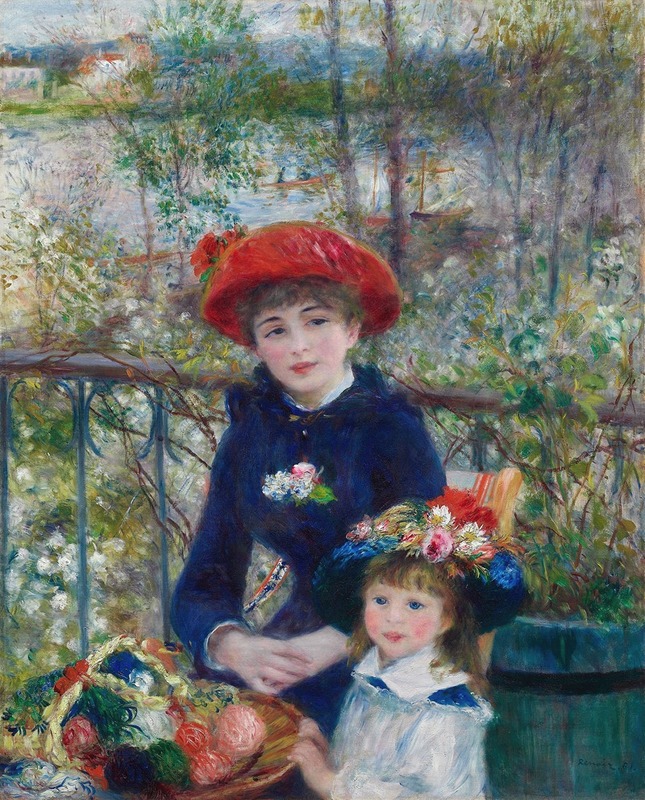
Two Sisters (On the Terrace)
Pierre-Auguste Renoir
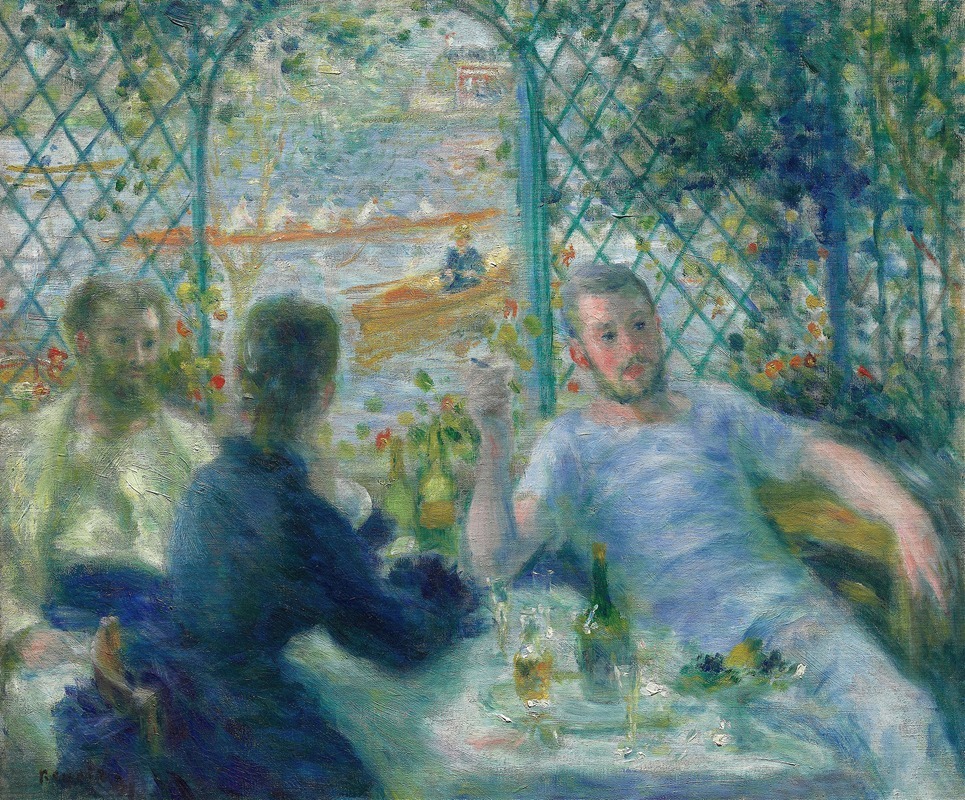
Lunch at the Restaurant Fournaise (The Rowers' Lunch)
Pierre-Auguste Renoir
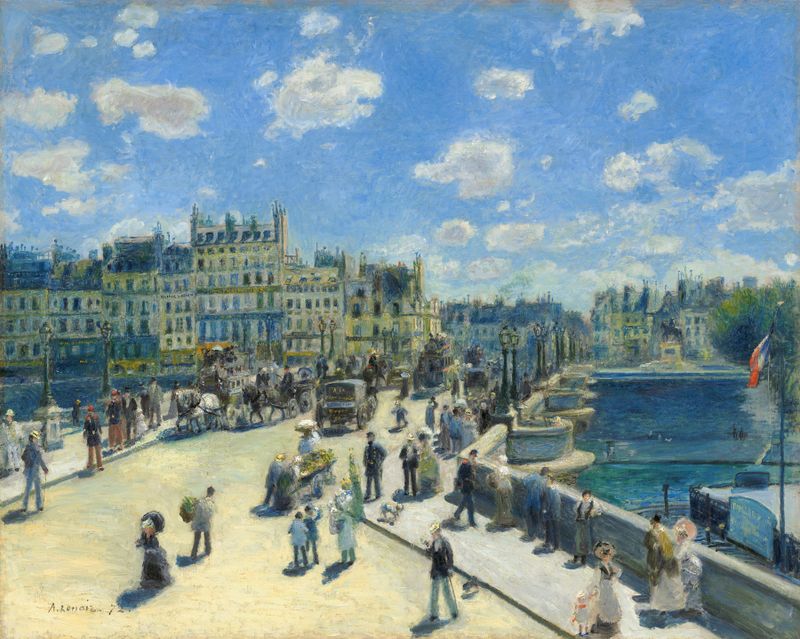
Pont Neuf, Paris
Pierre-Auguste Renoir
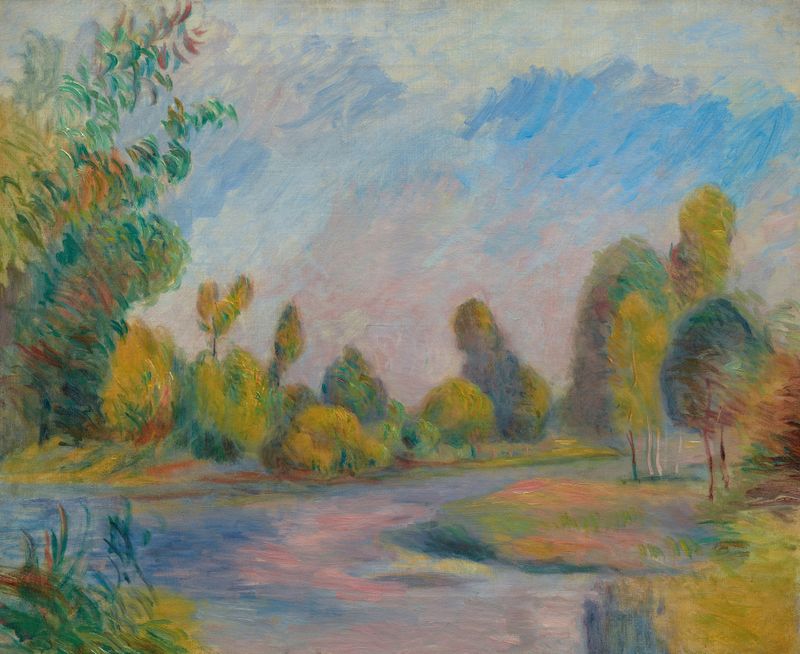
Au bord de la rivière
Pierre-Auguste Renoir

Near the Lake
Pierre-Auguste Renoir
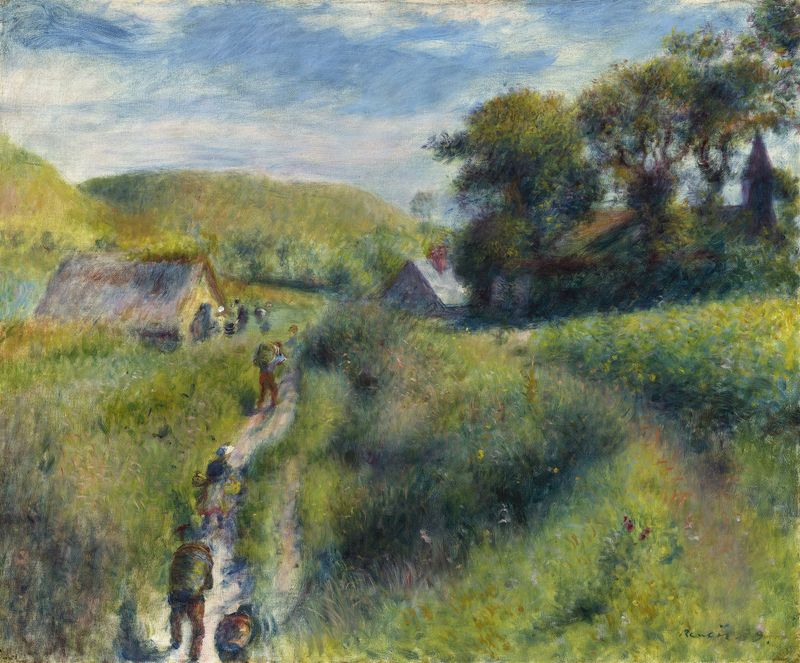
The Mussel Harvest
Pierre-Auguste Renoir

The Seine at Chatou
Pierre-Auguste Renoir
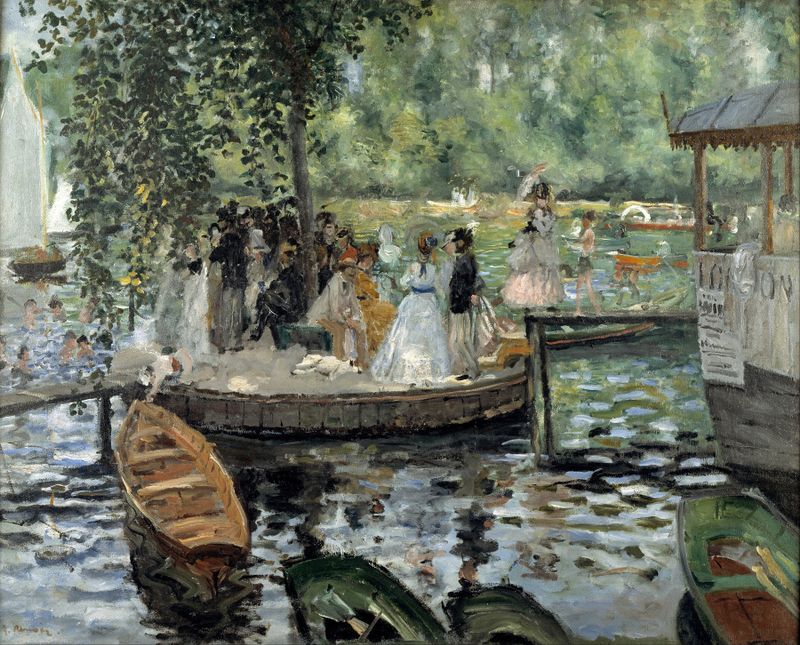
La Grenouillère
Pierre-Auguste Renoir
In Brittany (En Bretagne)
Pierre-Auguste Renoir
Paysage d’Essoyes
Pierre-Auguste Renoir