Springtime — History & Facts
The first thing to catch the eye in Springtime by Aleksander Kotsis is the quiet, almost conspiratorial pause between two young figures beneath a wind-bent tree. The girl leans in, chin resting on her hands, her gaze wandering beyond the frame, while the boy, seated at her feet, brings a simple wooden flute to his lips. The dog at their side, half-hidden in shadow, completes this small circle of rural life.
The light is gentle but not bright, filtered through a sky heavy with cloud, drawing the viewer’s attention to the faces and hands, the places where thought and music gather. The palette, all mossy greens and earth-worn reds, sets a mood of early spring—mud still clings to the girl’s hem, and the grass is patchy, not yet in full song. Painted in 1864, Springtime belongs to a world on the edge of change, when scenes of peasant life were both a record and a quiet act of resistance. In mid-19th-century Poland, artists like Kotsis turned to the countryside not only for its beauty but for its symbolism—these were years of political upheaval, when rural traditions seemed to hold the memory of a nation.
Such works were rarely grand commissions; they were painted for private collectors or small exhibitions, cherished for their intimacy and their sense of place. Today, the painting hangs in the National Museum in Warsaw, its details as fresh as the season it captures. Let your eyes return to the flute, the dog, the distant sheep—each detail a small act of observation, a world held together by the patience of spring.
More Artworks by Aleksander Kotsis

Trip in the Tatra Mountains
Aleksander Kotsis

Fair in Nowy Targ
Aleksander Kotsis
Pastoral Scene
Aleksander Kotsis
In the farmyard
Aleksander Kotsis
Haggling over a Calf
Aleksander Kotsis
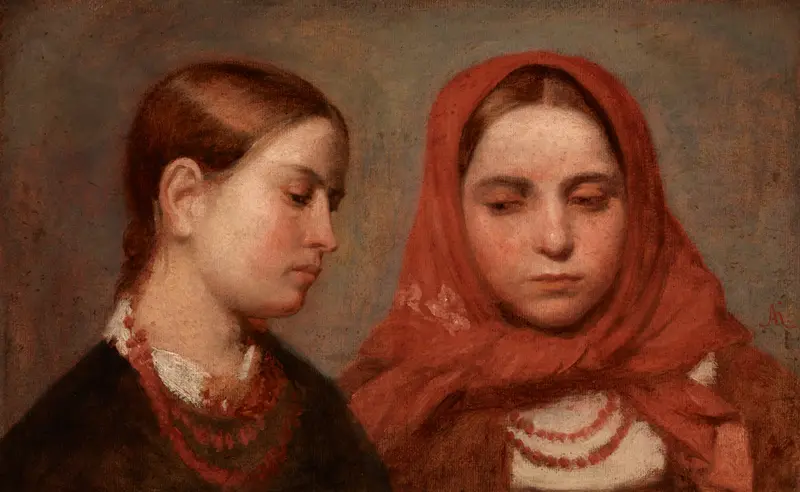
Heads of Two Young Girls
Aleksander Kotsis
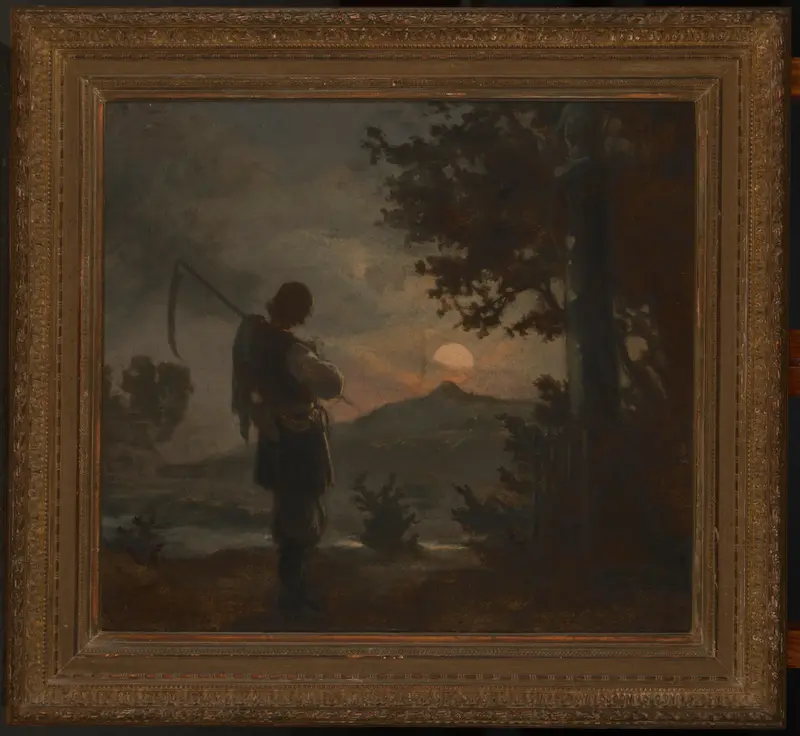
Haymaker
Aleksander Kotsis
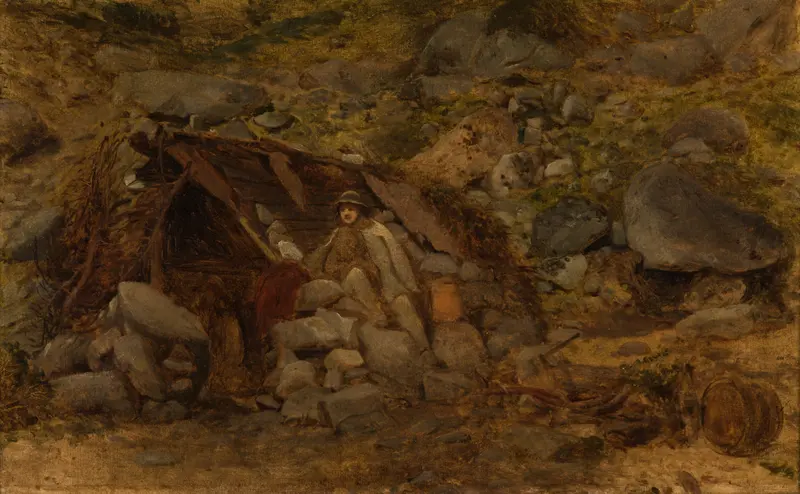
Highlander in Front of a Hut
Aleksander Kotsis
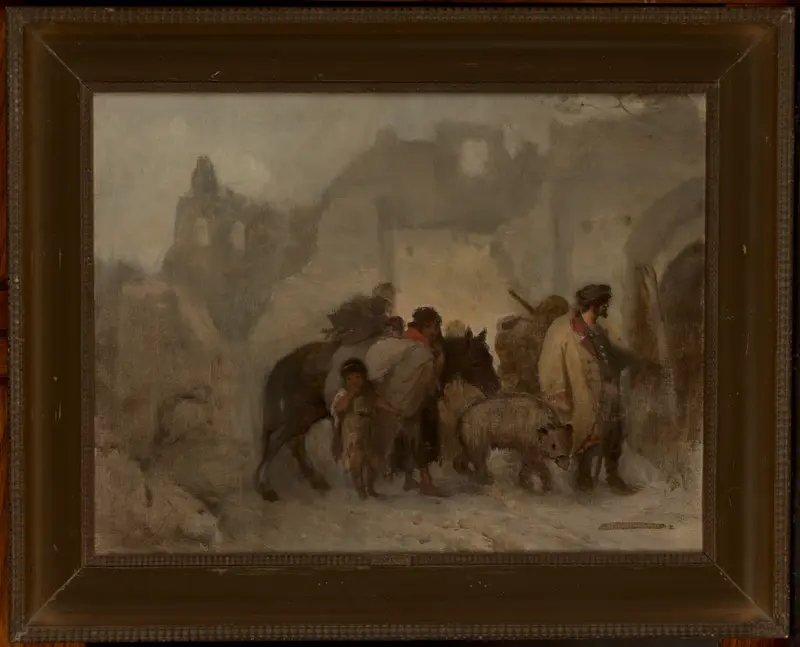
Gypsies
Aleksander Kotsis
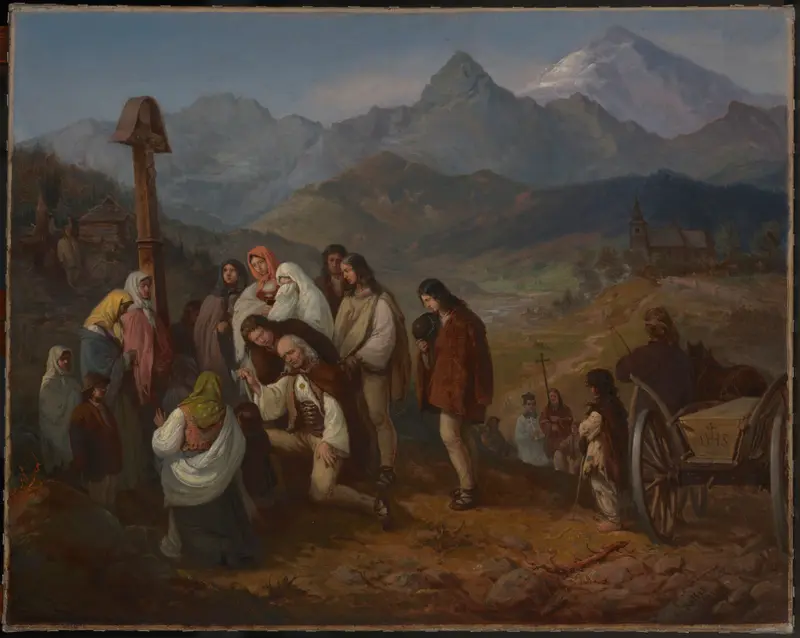
A Highlander's Funeral
Aleksander Kotsis