
St. Louis in Glory — History & Facts
When St. Louis in Glory left the studio of Simon Vouet, it entered a world where France was eager to celebrate its royal saints. The painting stands out as one of the rare grand depictions of King Louis IX—canonized in 1297—by a French artist who had just returned from Rome, bringing with him the new drama and theatricality of the early Baroque.
Vouet’s interpretation is especially notable because, unlike the more familiar scenes of St. Louis dispensing justice or leading crusades, here the king is elevated to the heavenly realm, a vision more often reserved for apostles and martyrs than for monarchs. This unusual choice signals both the ambition of Vouet and the aspirations of his patrons, who saw in Louis IX not just a king, but a model of sanctity for the French nation. At the center of the canvas, the crowned king ascends amid swirling clouds, clothed in royal blue and gold, his gaze lifted upward as angels bear him aloft.
In his hands, he holds the scepter and fleur-de-lis, unmistakable emblems of French royalty, while a delicate crown of thorns—recalling his role as the bringer of Christ’s relic to Paris—rests at his feet. The dramatic light, pouring from above, isolates St. Louis in a shaft of radiance, emphasizing his spiritual elevation.
Vouet’s angels, robust and dynamic, recall the figures of Guido Reni, yet the composition’s sense of movement and theatricality is distinctly French, a harbinger of the style that would soon dominate the court of Louis XIII. The painting’s message is clear: Louis IX is not merely remembered, but glorified, an intercessor for France in heaven. The precise origins of St. Louis in Glory remain uncertain—no commission documents have survived, and the painting’s early history is obscure.
It is likely, however, that the work was created during Vouet’s first years back in Paris, when he was establishing himself as the leading painter of the French court and responding to royal and ecclesiastical demands for images of national saints. Over the centuries, the painting has passed through several private collections, its attribution to Vouet occasionally questioned but now widely accepted thanks to stylistic analysis and comparison with his documented works. Today, St.
Louis in Glory stands as a testament to Vouet’s pivotal role in transplanting the Italian Baroque to France, and to the enduring power of royal sainthood in the country’s art.
More Artworks by Simon Vouet

Portrait of Louis XIII
Simon Vouet
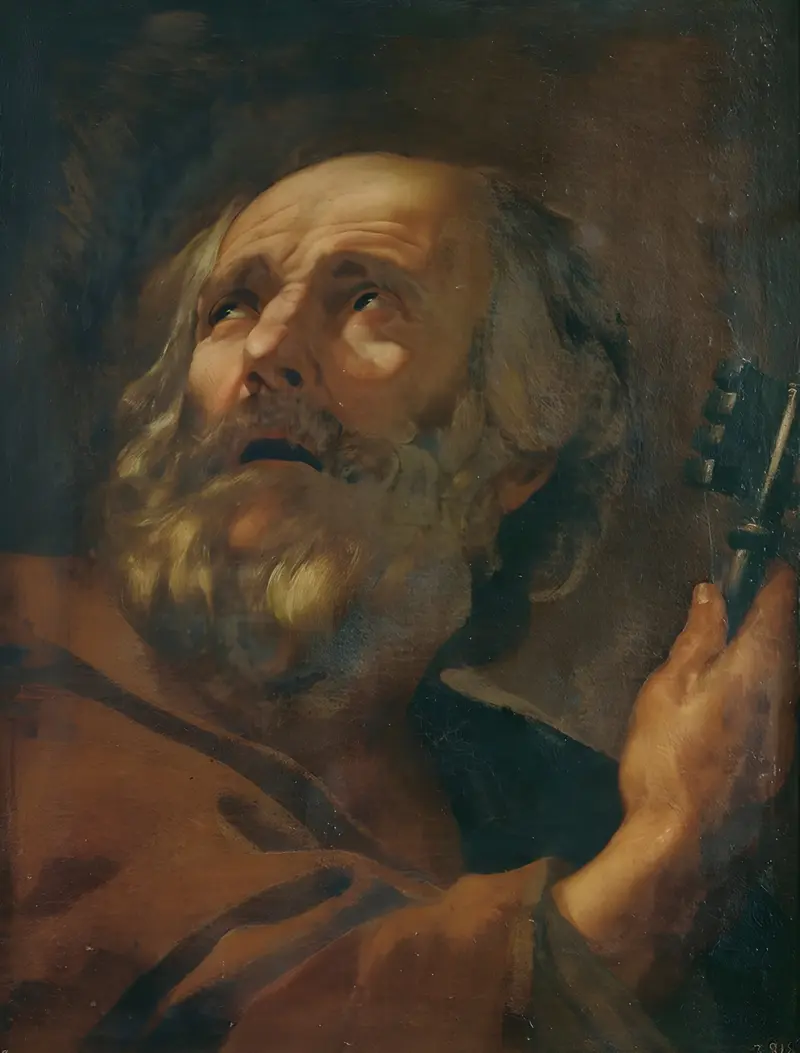
Saint Peter
Simon Vouet
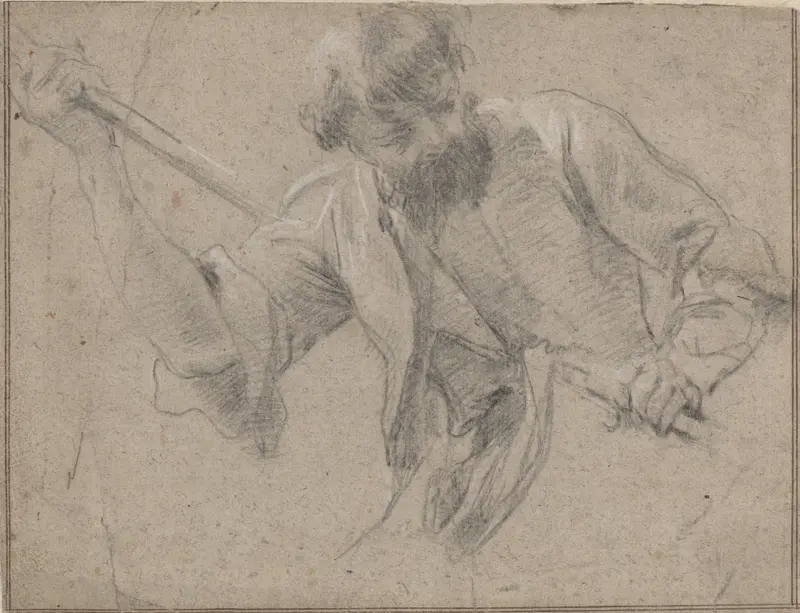
A Bearded Man with a Staff
Simon Vouet
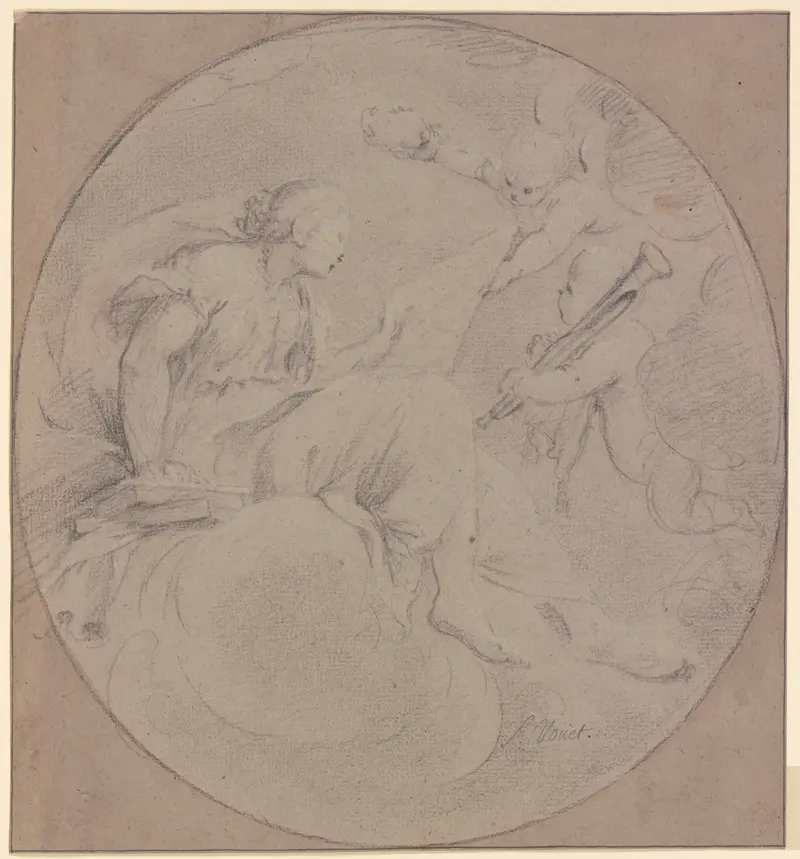
Die Muse der Musik mit zwei Genien, deren einer eine Trompete trägt
Simon Vouet
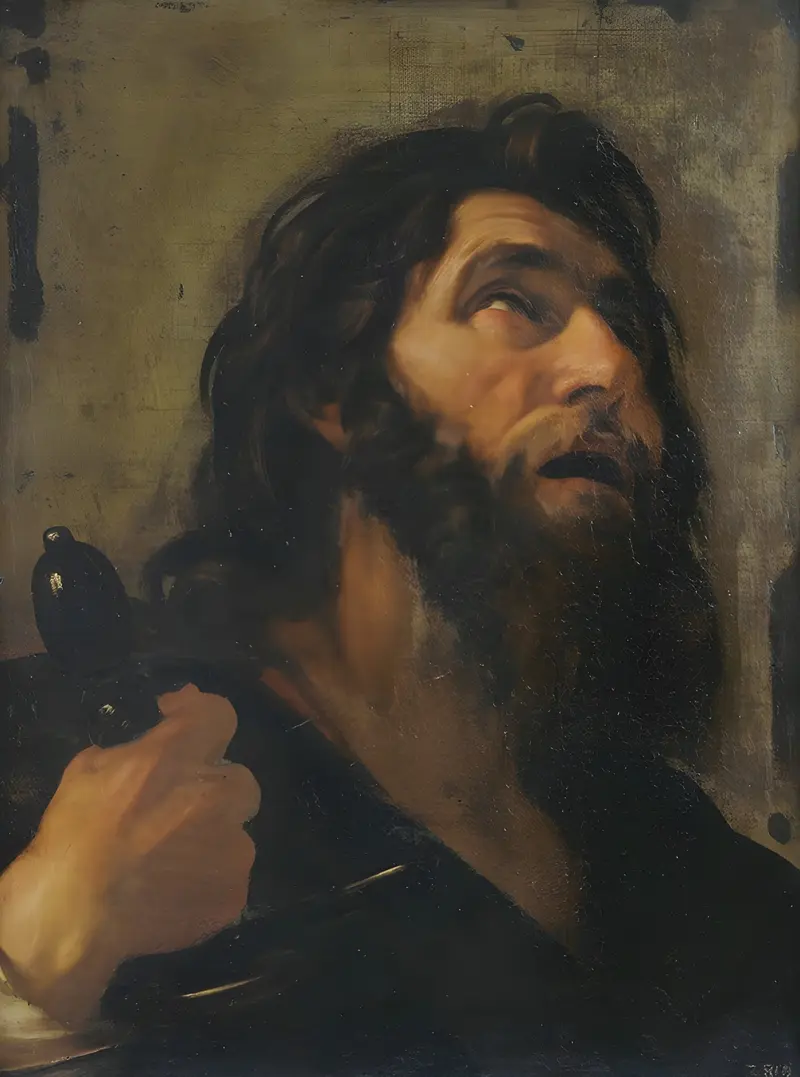
Saint Paul
Simon Vouet
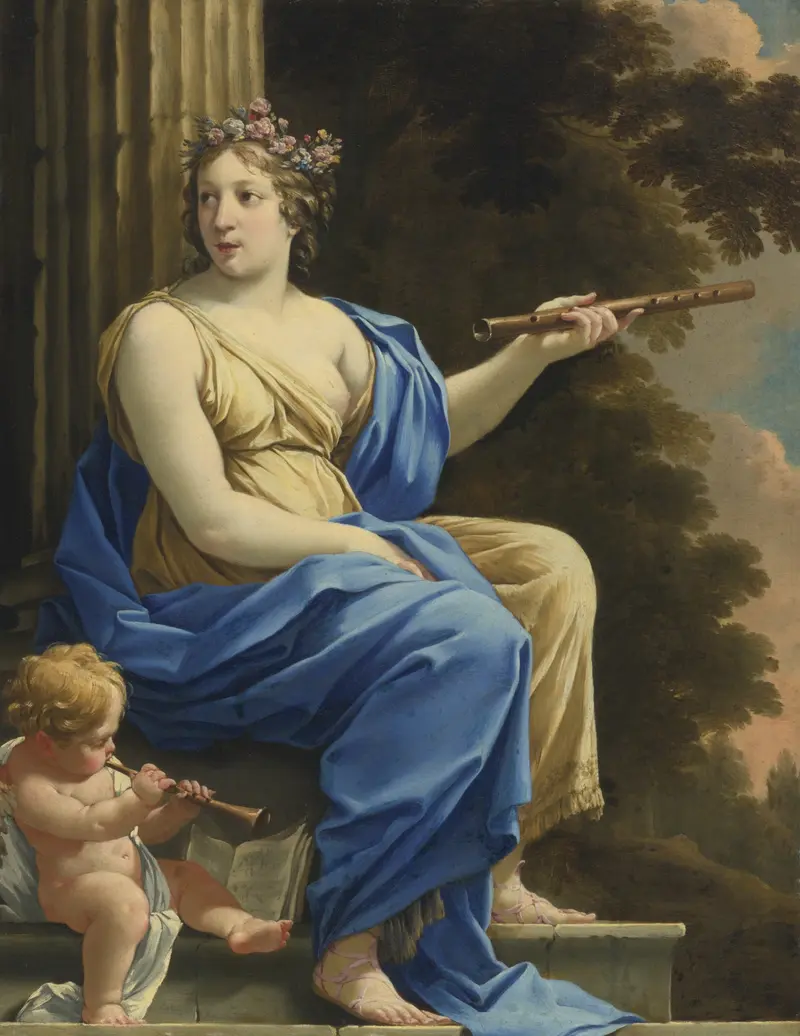
Euterpe, The Muse Of Music And Lyric Poetry
Simon Vouet
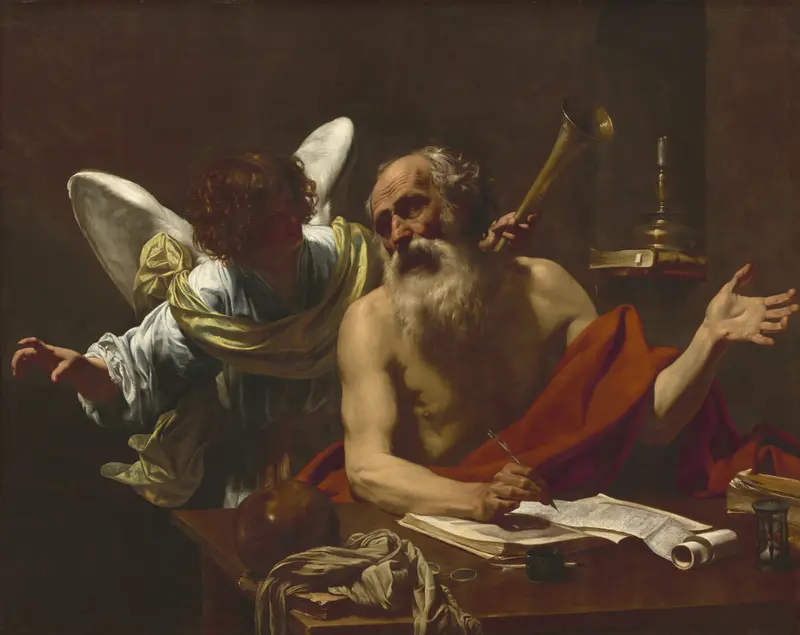
Saint Jerome and the Angel
Simon Vouet
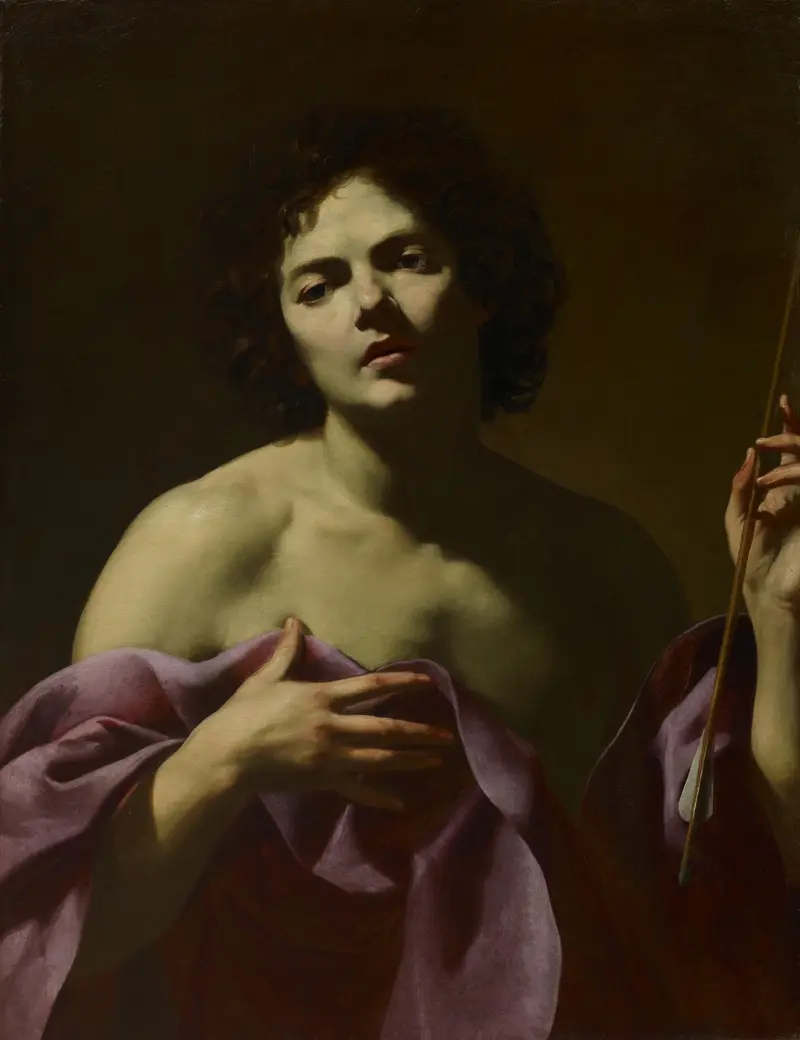
Saint Sebastian
Simon Vouet
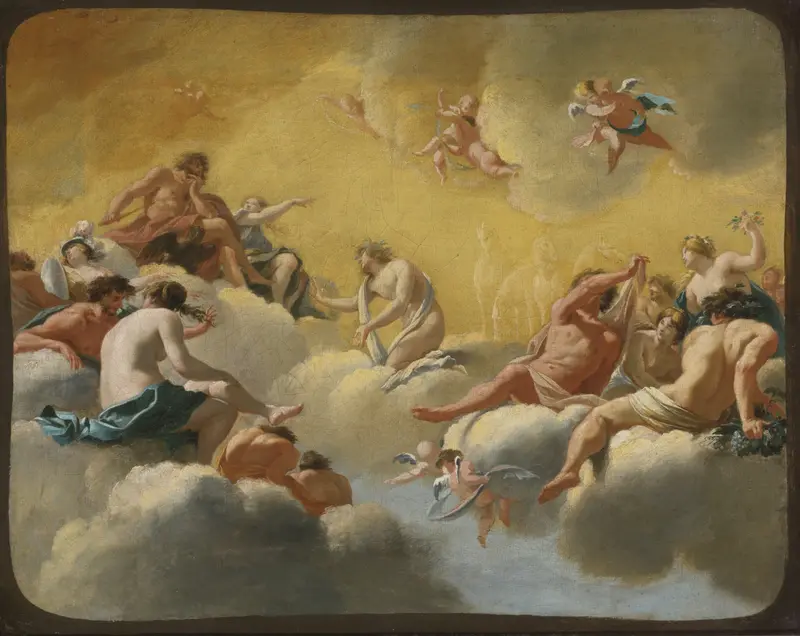
Assembly Of The Gods
Simon Vouet
Madonna and Child
Simon Vouet





