
St. Nicholas of Myra — History & Facts
No one knows exactly what medium Fra Angelico used for his St. Nicholas of Myra of 1427, but this uncertainty only adds to the painting’s allure. Created during a period of rapid innovation in Florentine religious art, the work stands at the intersection of tradition and experiment: some scholars believe it was originally part of a predella for an altarpiece now lost or dispersed.
The painting’s subject, St. Nicholas, was one of the most venerated saints in medieval Europe, his cult stretching from Bari to Moscow. In the early 15th century, depictions of Nicholas were especially popular in monastic settings, where his reputation for charity and miracles resonated with both clergy and laity. Fra Angelico chooses a moment from the saint’s legendary life: Nicholas, bishop’s mitre atop his head, is shown in the act of secret generosity, perhaps referencing the famous story of him providing dowries for three impoverished sisters.
The saint’s right hand is raised in blessing, while his left cradles three golden balls—symbols of the dowries, and a visual shorthand for his most famous miracle. The gold leaf halo and luminous color palette draw the eye to Nicholas’s serene expression, emphasizing his role as both protector and intercessor. Unlike the dramatic, stormy scenes painted by Gentile da Fabriano in his own depictions of saints, Fra Angelico bathes the scene in gentle, even light, underscoring the quiet dignity of Nicholas’s charity. The painting’s early history remains partly obscure.
It was likely commissioned for a Dominican context, fitting with Fra Angelico’s own monastic vocation and the saint’s popularity among mendicant orders. Over centuries, the panel may have been separated from its original altarpiece, passing through various collections before entering the museum world. Today, St.
Nicholas of Myra is recognized as a key work from Fra Angelico’s early career, marking his transition from the International Gothic to the more naturalistic style that would define the early Renaissance. Its delicate execution and spiritual clarity continue to inspire admiration and study.
More Artworks by Fra Angelico

Condemnation of St Lawrence by the Emperor Valerian
Fra Angelico
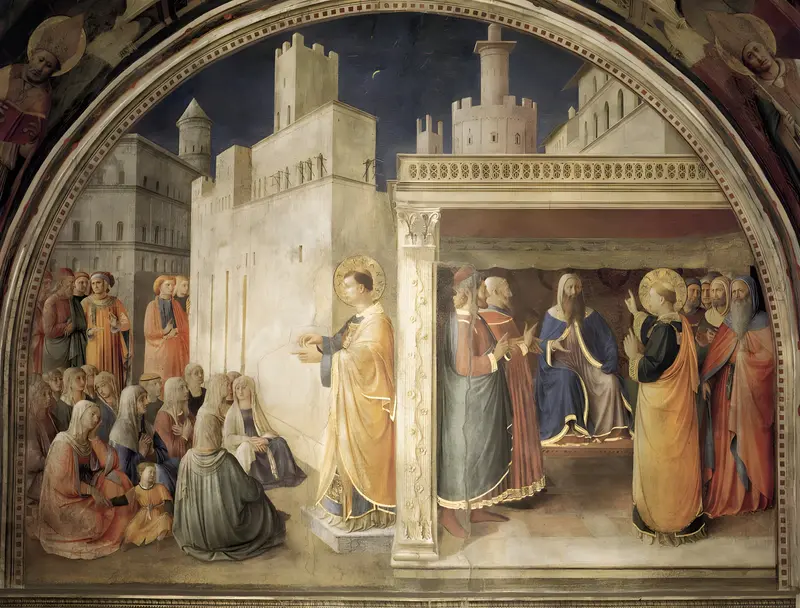
Lunette of the north wall
Fra Angelico
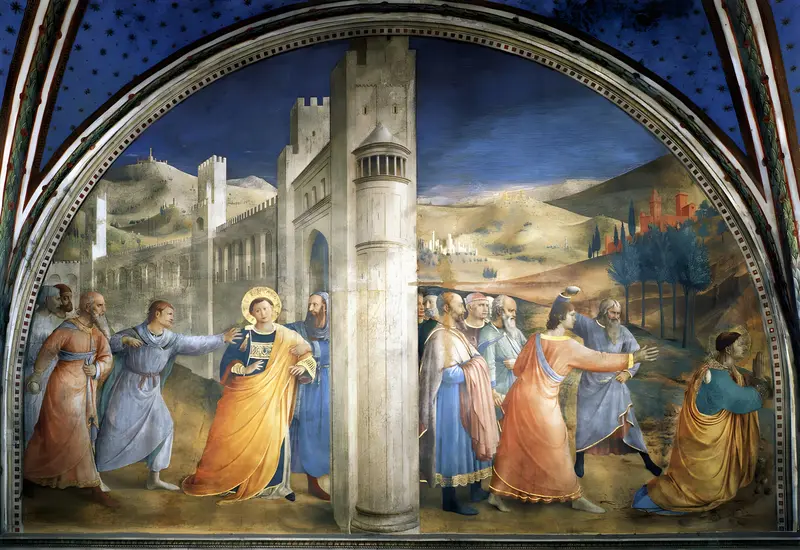
Lunette of the east wall in Niccoline Chapel
Fra Angelico
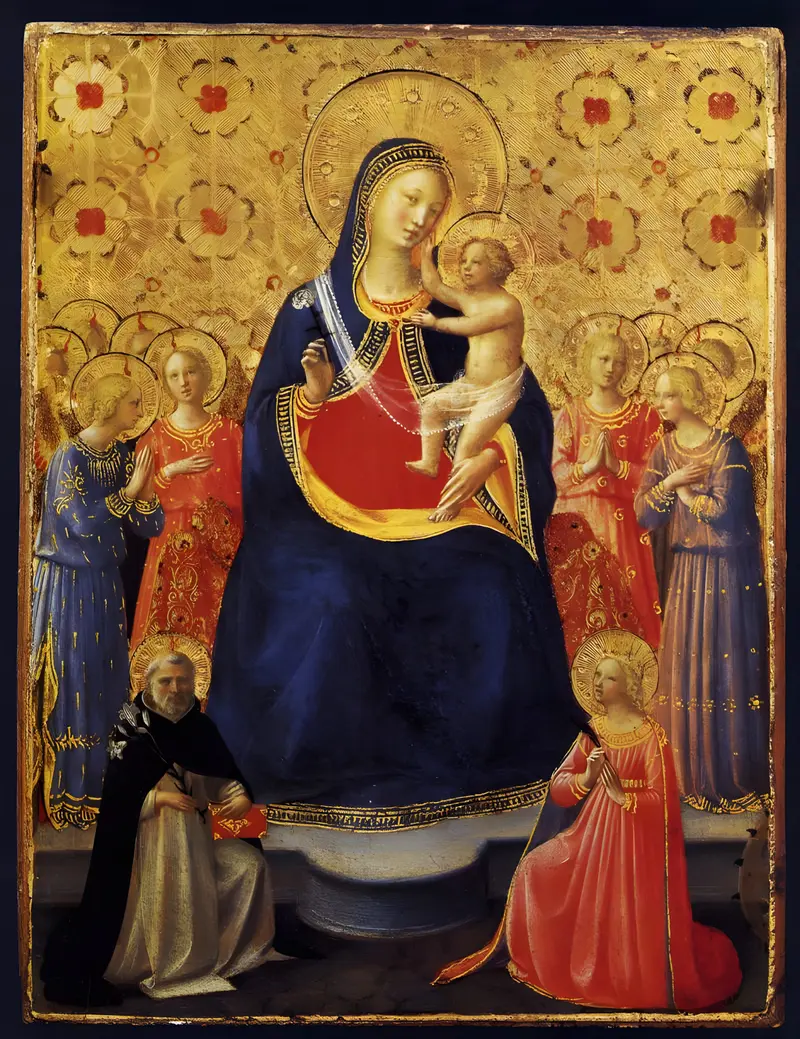
Madonna and Child Enthroned with Nine Angels and Saints Dominic and Catherine of Alexandria
Fra Angelico
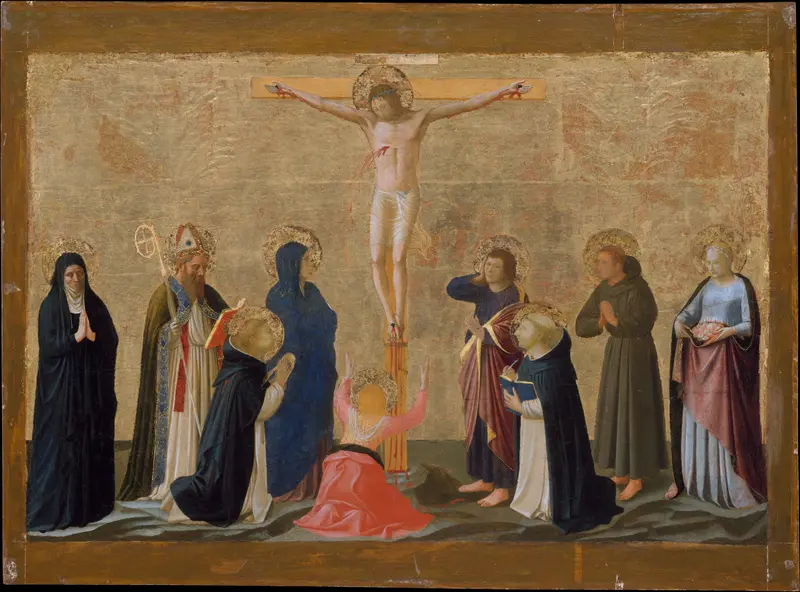
The Crucifixion
Fra Angelico
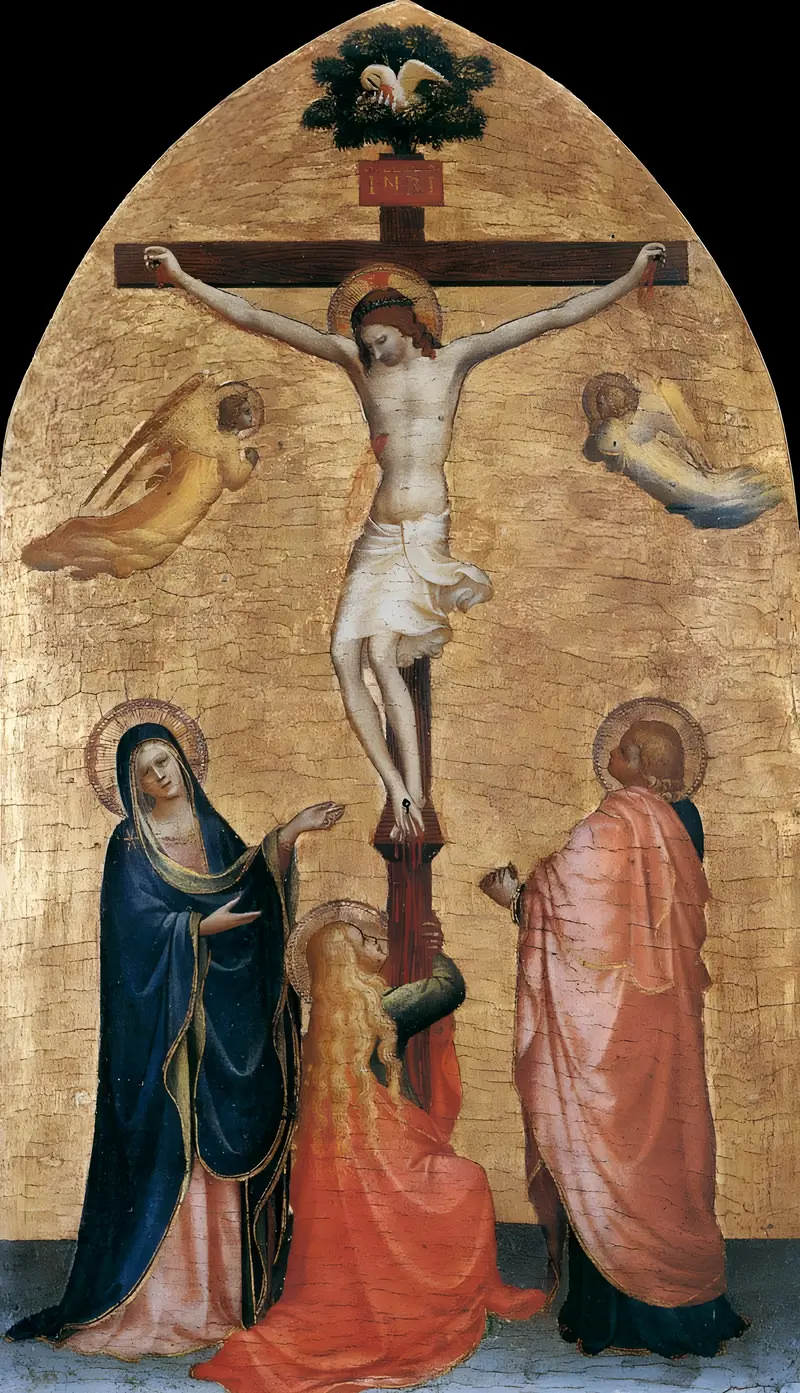
Crucifixion with the Virgin, John the Evangelist, and Mary Magdelene
Fra Angelico
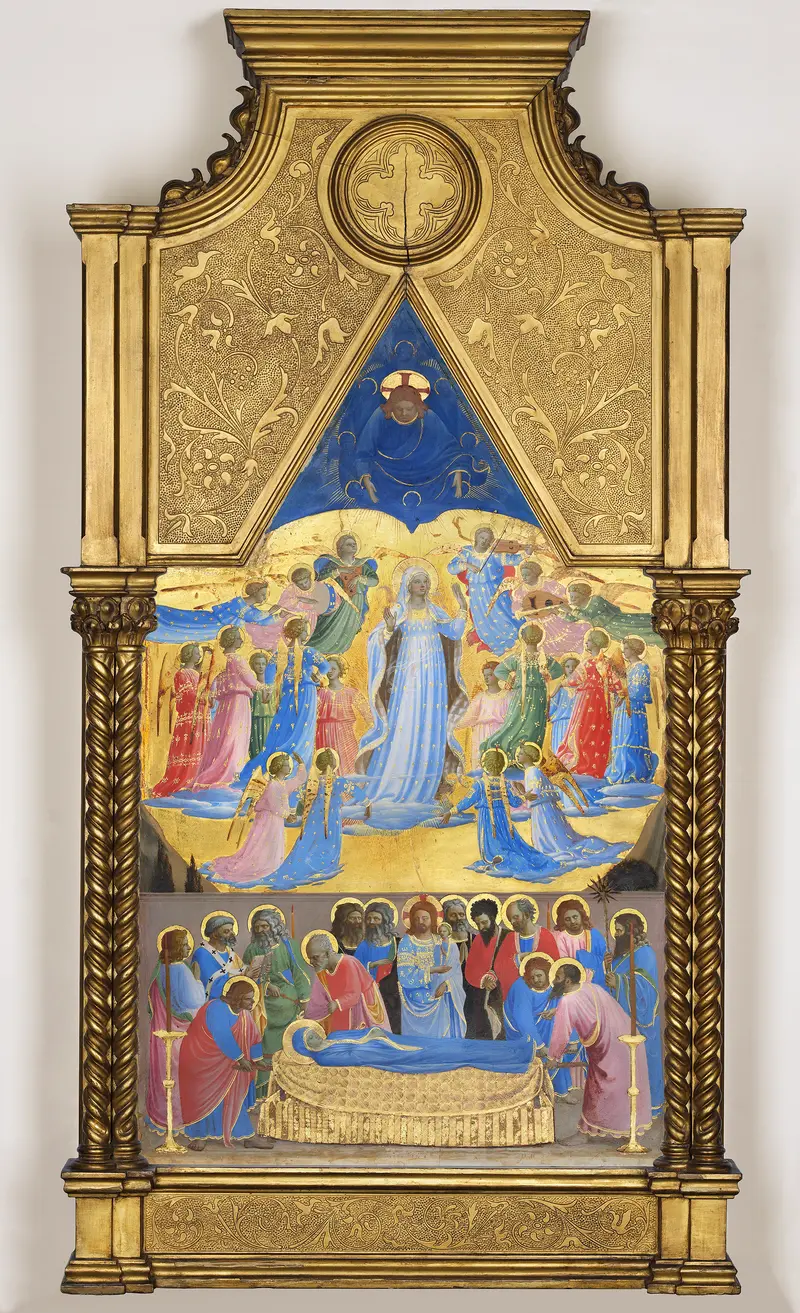
Dormition and Assumption of the Virgin
Fra Angelico
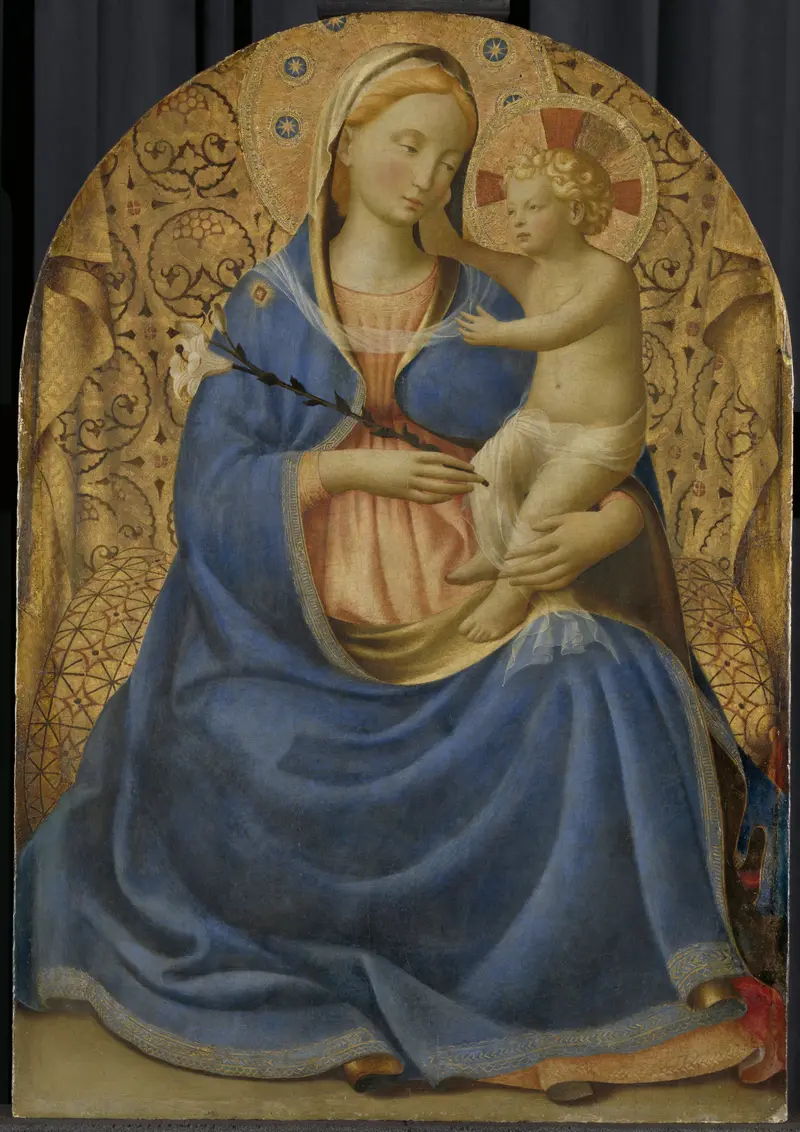
Madonna of Humility
Fra Angelico
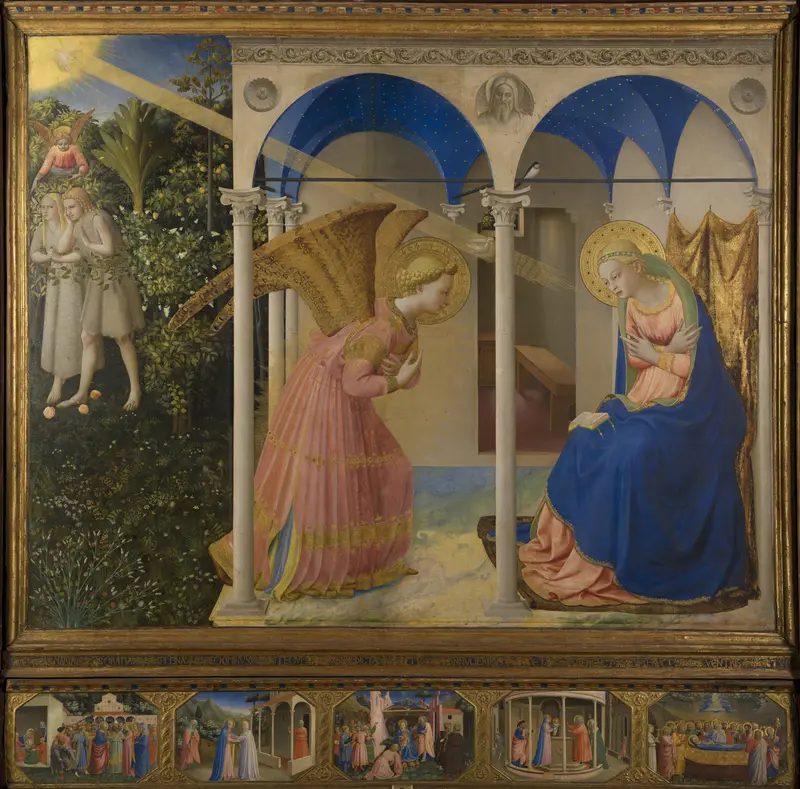
The Annunciation
Fra Angelico

Saint Anthony Abbot
Fra Angelico





