
Staande vrouw vastgepakt door man, andere man kijkt toe in herberg — History & Facts
Could a single brushstroke hold eternity? The vibrant interplay of color in this painting hints at emotions that time itself cannot diminish. Look to the left at the deep, warm tones of the woman's gown, richly layered with shades of crimson and gold. This color choice not only draws the eye but also envelops her in a sense of vulnerability and strength, enhancing the drama of her predicament. The play of light across her figure contrasts sharply with the darker, muted palette of the onlooking man.
Notice how the subtle illumination highlights the tension in the scene, directing your gaze toward the emotional turmoil at play. As you engage with the painting, you may sense a duality of power and helplessness. The woman, seemingly trapped in the grasp of one man, embodies a conflict between fear and resilience, while the observer remains an ambiguous presence, almost complicit in the unfolding drama. The space filled with shadows and light amplifies this tension, reflecting societal norms of the time that often left women vulnerable in public settings.
Each brushstroke encapsulates the struggle between agency and oppression, inviting viewers to ponder the silent stories of those depicted. During the years between 1642 and 1664, the artist was immersed in a rapidly changing Dutch society, where the rise of the middle class influenced artistic expression. Working in Amsterdam, he navigated a world of rich color and complex narratives, often focusing on the human condition within social contexts. His approach in this work reflects the heightened awareness and sensitivity toward societal issues, a hallmark of the era's genre painting.
More Artworks by Cornelis Pietersz. Bega
Browse all →
Mannen en jonge vrouw in herberg
Cornelis Pietersz. Bega

Twee mannen en vrouw met kind zittend in herberg
Cornelis Pietersz. Bega
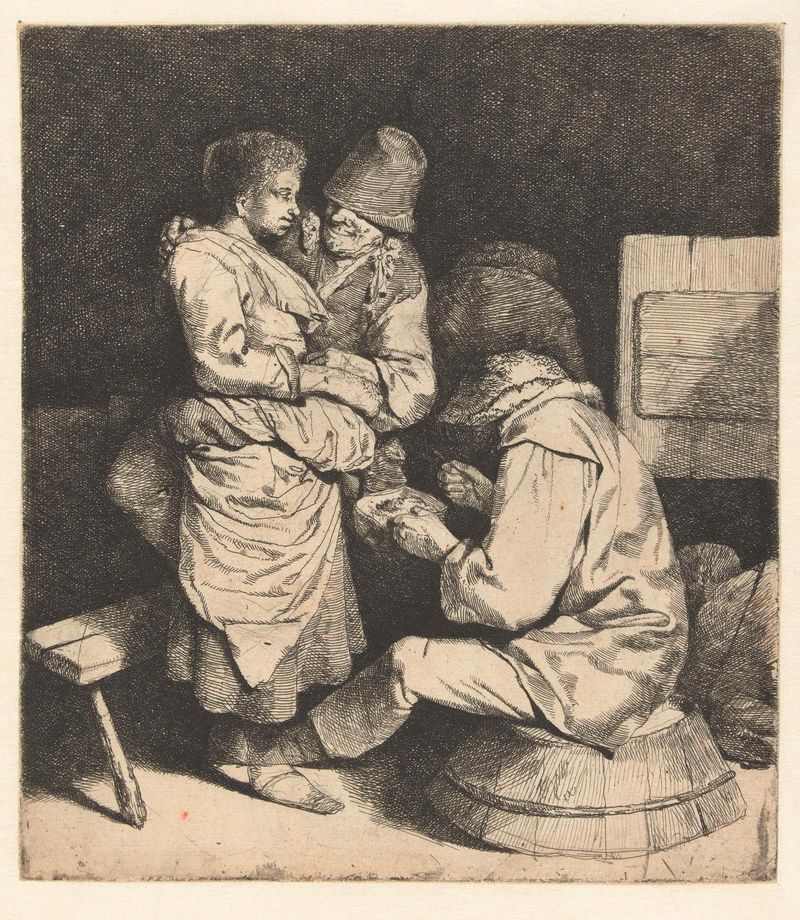
Vrouw vastgepakt door man, andere man zit te eten in herberg
Cornelis Pietersz. Bega

Jonge vrouw zittend met een pijp
Cornelis Pietersz. Bega

Staande vrouw vastgepakt door man, andere man kijkt toe in herberg
Cornelis Pietersz. Bega
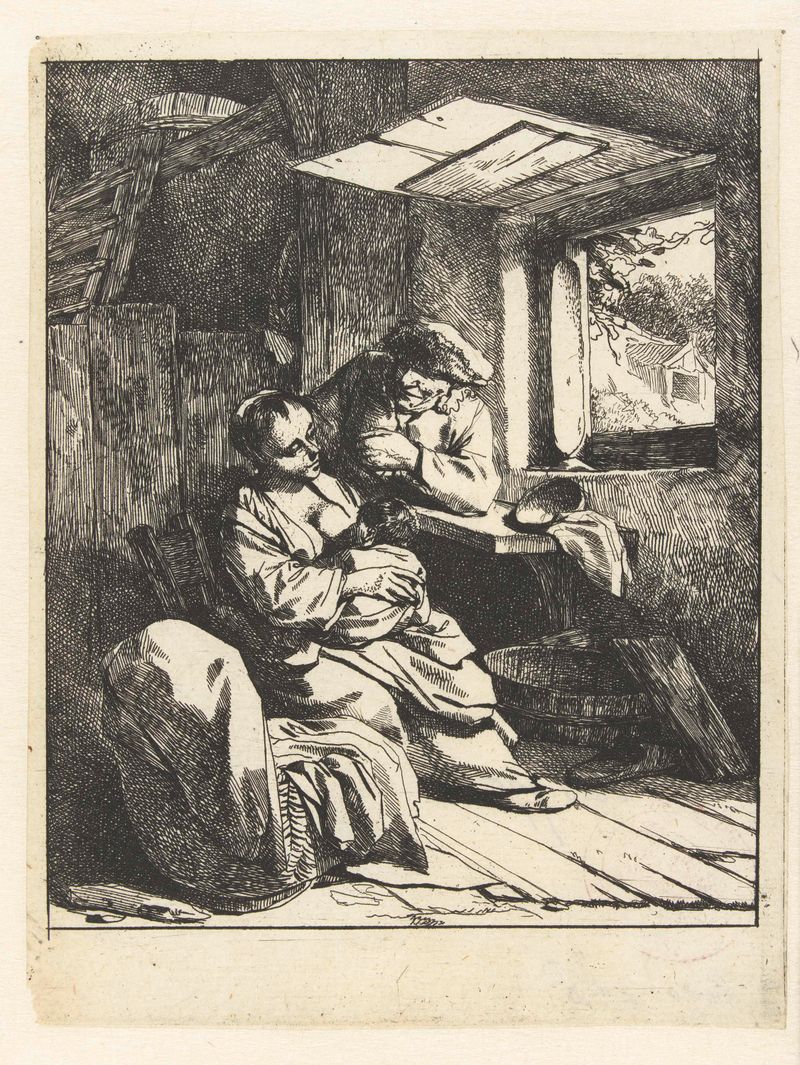
Vrouw met kind en man bij wieg in interieur met open raam
Cornelis Pietersz. Bega
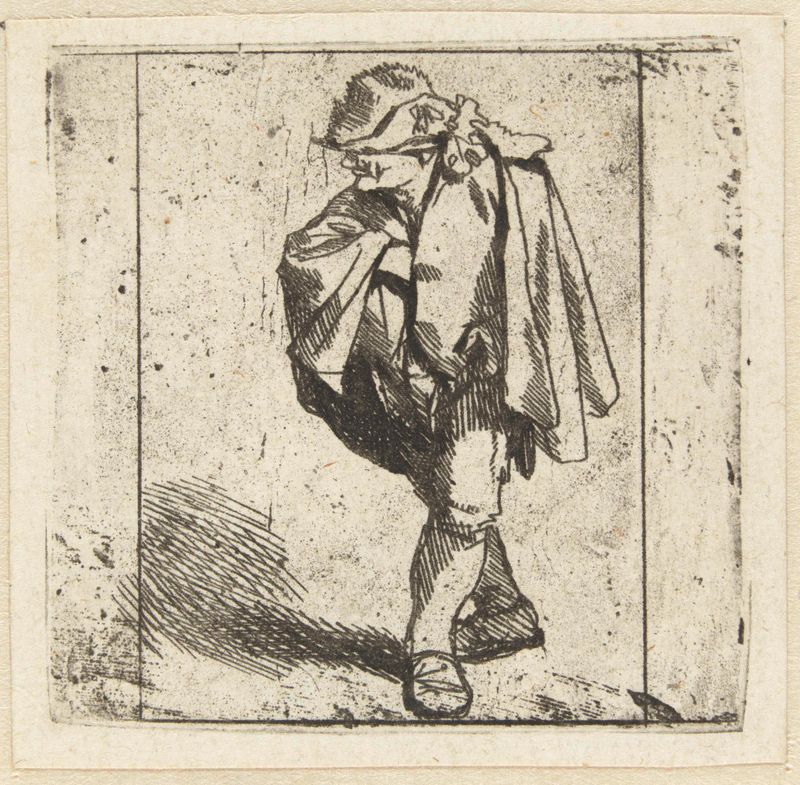
Staande man met de rechterhand op de borst in zijn mantel gestoken
Cornelis Pietersz. Bega
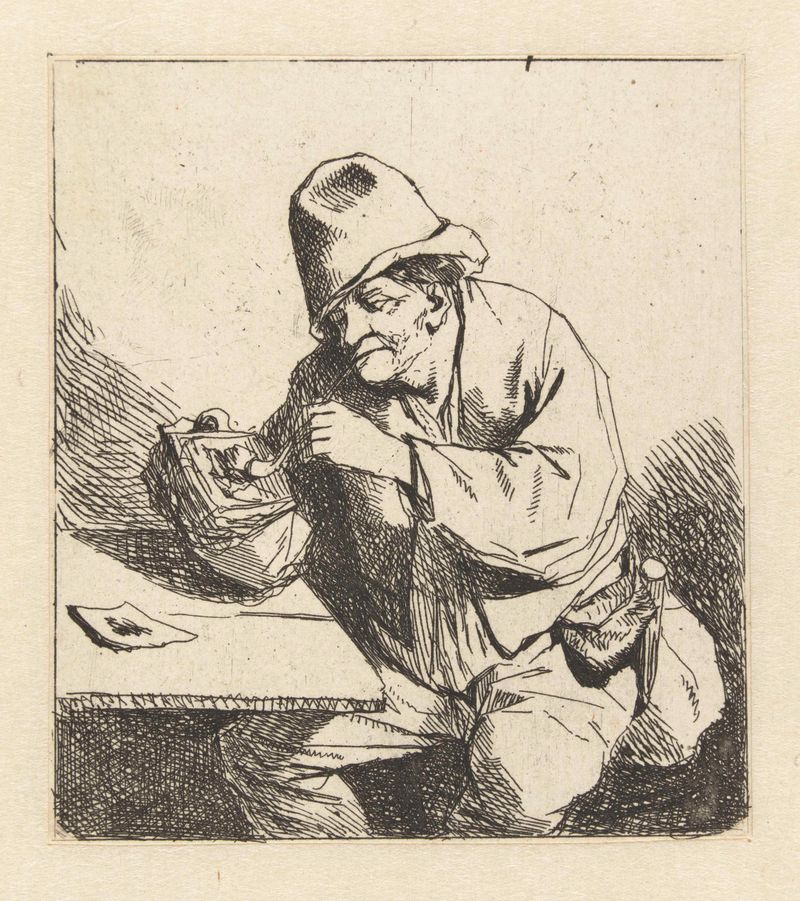
Zittende man steekt pijp aan
Cornelis Pietersz. Bega

Man zittend op ton met kruik in handen
Cornelis Pietersz. Bega

Liefdespaar
Cornelis Pietersz. Bega





