
Stajnia — History & Facts
In the void of our existence, we often overlook the subtleties that define our reality—an absence of sound, the whispering tones of muted hues, and the spaces that speak louder than words. Look to the center of the canvas, where a solitary figure stands amidst the warm earth tones of the stable. Notice how the brushwork captures the essence of the moment with delicate strokes, each contributing to the atmosphere of both solitude and contemplation. The interplay of light across the figure's contours creates a subtle contrast between shadow and illumination, inviting the viewer into this intimate space. Here, the tension lies within the juxtaposition of the solitary figure and the surrounding emptiness.
The muted palette evokes a sense of longing, while the absence of other characters suggests isolation and introspection. Each brushstroke seems to echo a silent narrative, revealing the emotional undercurrents of the scene that resonate with our own experiences of isolation and the search for meaning in stillness. In 1932, Makowski created this evocative piece during his time in Paris, where he was influenced by the burgeoning movements of modernism. This period saw him exploring the themes of solitude and human connection amidst a world grappling with the aftermath of World War I.
His work reflects not only personal introspection but also a broader commentary on the human condition, making Stajnia a poignant reflection of its time.
More Artworks by Tadeusz Makowski
Browse all →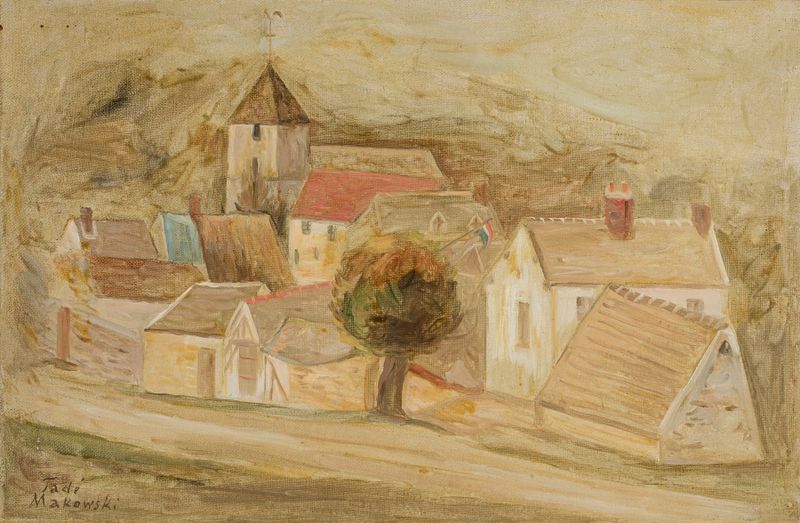
Miasteczko
Tadeusz Makowski

Pejzaż wiosenny
Tadeusz Makowski
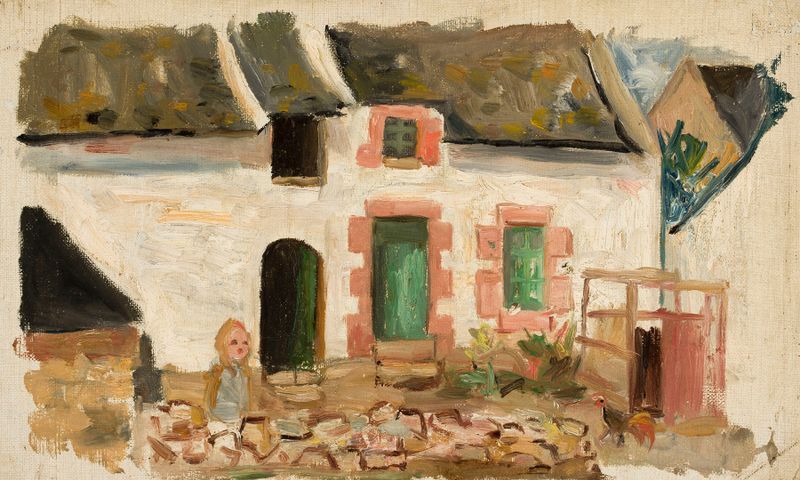
Dziecko przed domem
Tadeusz Makowski
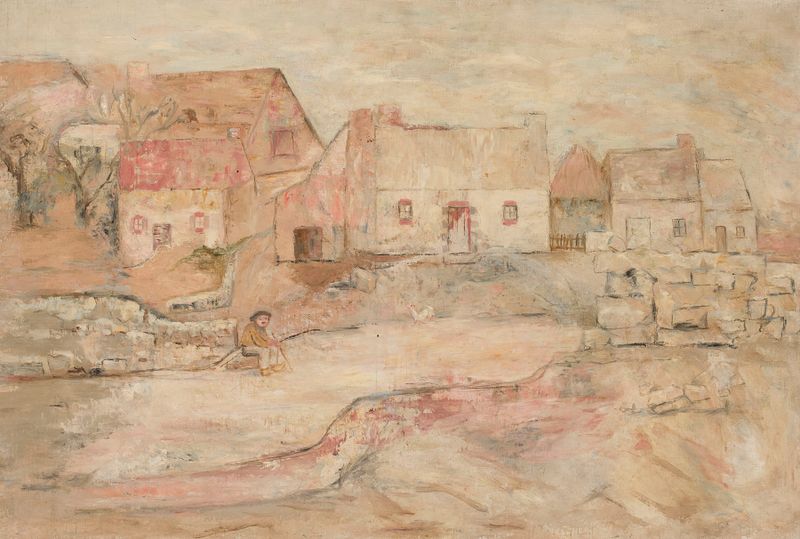
Pejzaż bretoński z siedzącym człowiekiem
Tadeusz Makowski
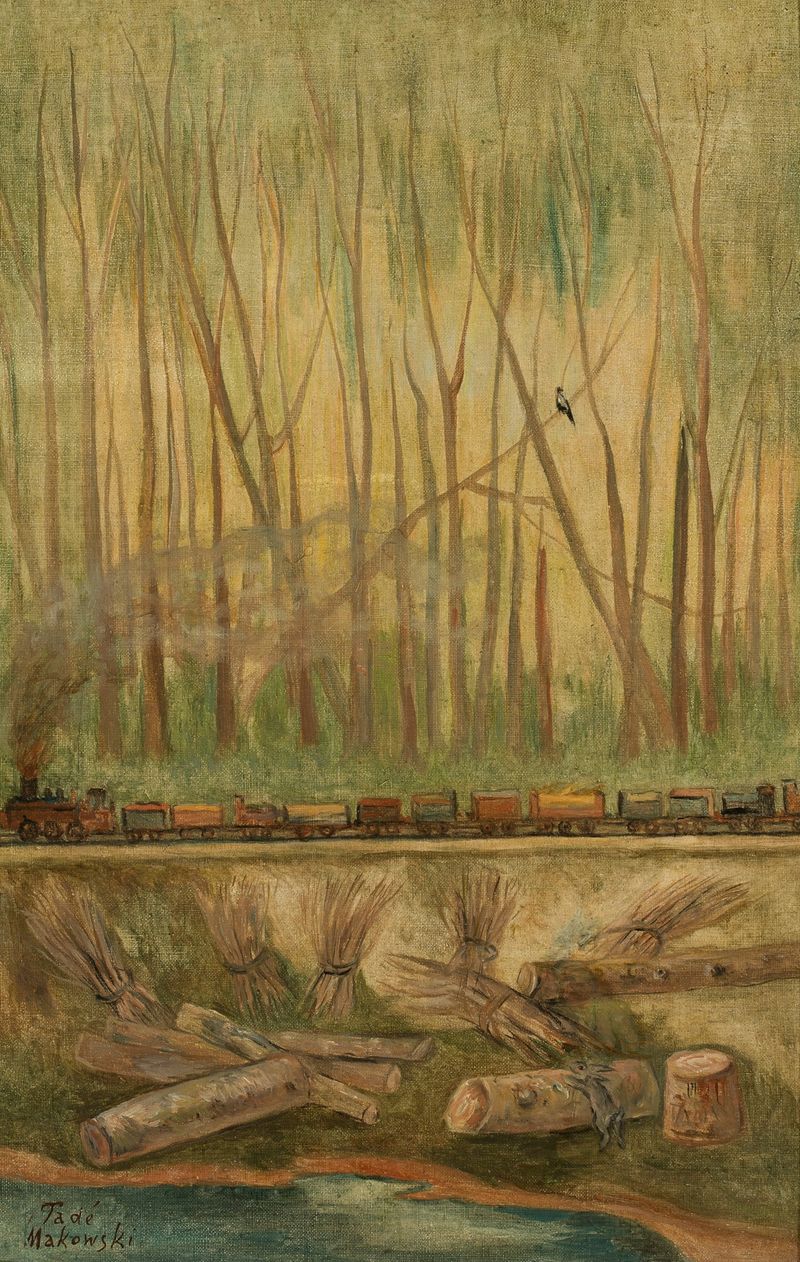
Pociąg
Tadeusz Makowski
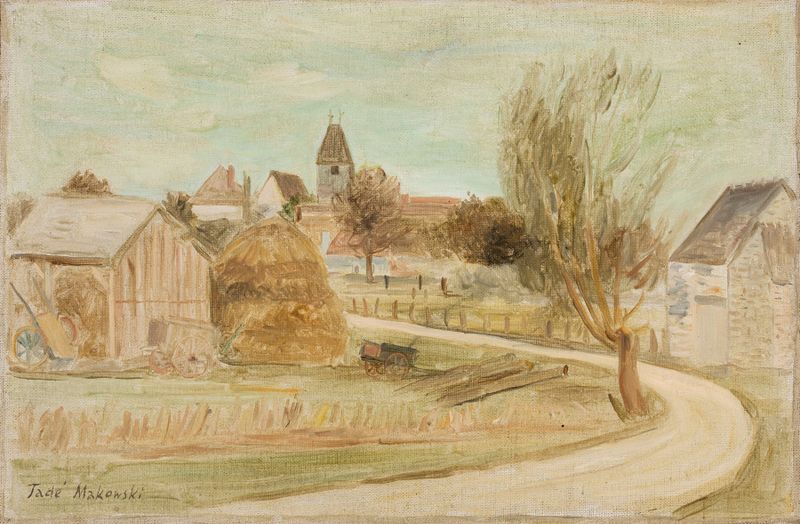
Na skraju wsi
Tadeusz Makowski

Pejzaż miejski (Esplanade des Invalides)
Tadeusz Makowski
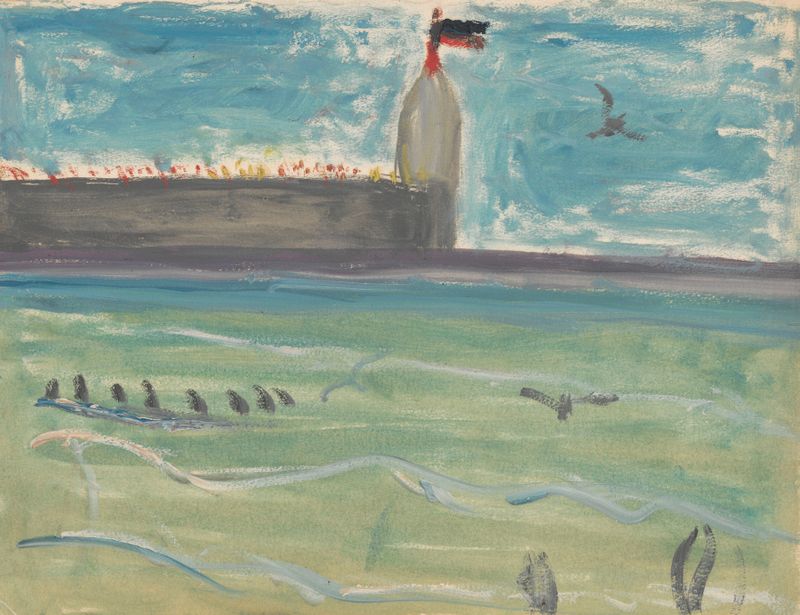
Latarnia morska w Tréport
Tadeusz Makowski
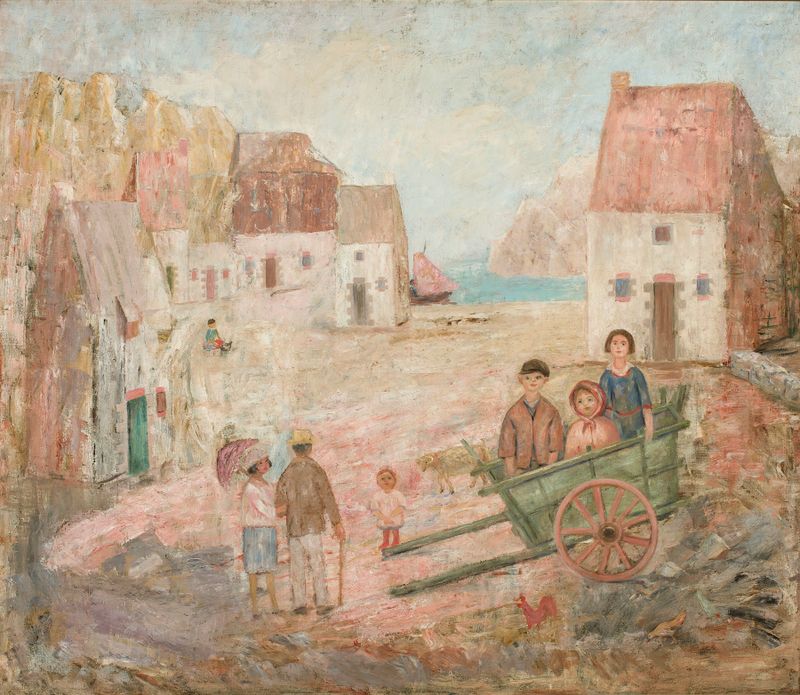
Landscape of a small town with children in a pram
Tadeusz Makowski
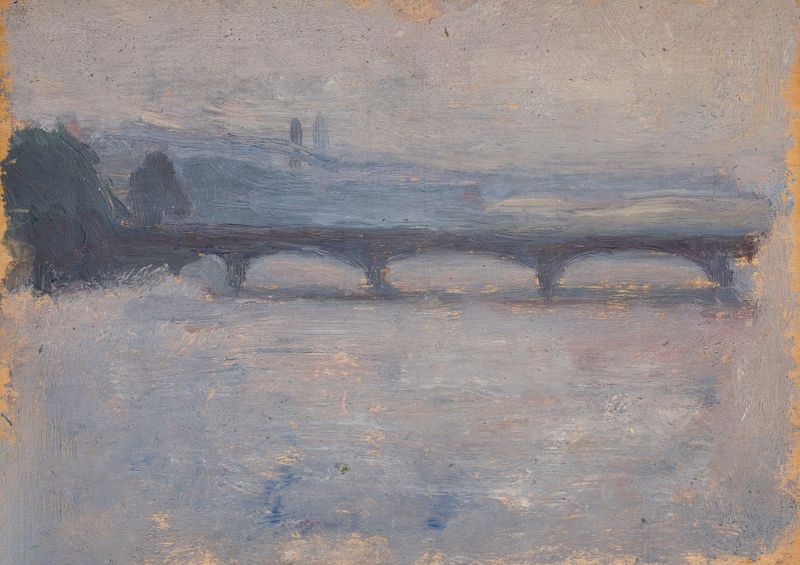
Bridge on the Seine
Tadeusz Makowski





