
Stanisław Augustus with masonic emblem on his breast — History & Facts
What first seizes the eye in Stanisław Augustus with masonic emblem on his breast is the commanding presence of its subject, draped in rich blue and crowned with a sweeping feathered hat, yet marked by the unmistakable glint of a masonic medallion. The sitter’s gaze is steady, directed just beyond the viewer, as if weighing a matter of consequence or recalling a memory of state. The artist, Elisabeth Louise Vigée Le Brun, draws attention to the emblem at the center, its golden chain and radiant triangle catching the light—a symbol that would have been instantly recognizable in the late eighteenth century as a sign of Enlightenment ideals and secret fraternity.
The light falls generously across the face and chest, modeling the features with a softness that tempers authority with humanity, while the dark background presses the figure forward, making the moment feel both intimate and ceremonial. This portrait, painted in 1797, belongs to a world where the language of dress, gesture, and insignia spoke volumes. The sitter’s hand, confidently placed at his waist, signals self-possession and perhaps a readiness for action. The crisp lace collar and the luxurious texture of the blue garment suggest both wealth and a cultivated taste, while the medallion, engraved with the unmistakable all-seeing eye, roots the image in the era’s fascination with reason, brotherhood, and reform.
Vigée Le Brun’s handling of fabric and flesh recalls her celebrated portraits of European aristocracy, yet here the mood is more contemplative, less adorned with the trappings of courtly frivolity. The palette is restrained, focusing attention on the psychological presence of the sitter and the meaning of the emblem he wears. Painted at the close of the eighteenth century, this work reflects a period when portraiture was both an art and a declaration—a way for sitters to shape their public identity in turbulent times. The late 1700s saw the rise of the Enlightenment and the spread of masonic lodges, whose members often commissioned portraits to signal their allegiance to new ideals.
Elisabeth Louise Vigée Le Brun, renowned for her ability to capture both likeness and character, was sought after by Europe’s elite, moving between courts and revolutions. This painting, now found through sources such as www.abcgallery.com and www.zamek-krolewski.pl, stands as a testament to a moment when the brush and the medallion together spoke of both personal ambition and the shifting tides of history. Look again at the sitter’s eyes—there is more than ceremony here; there is a quiet reckoning with the age.
More Artworks by Elisabeth Louise Vigée Le Brun
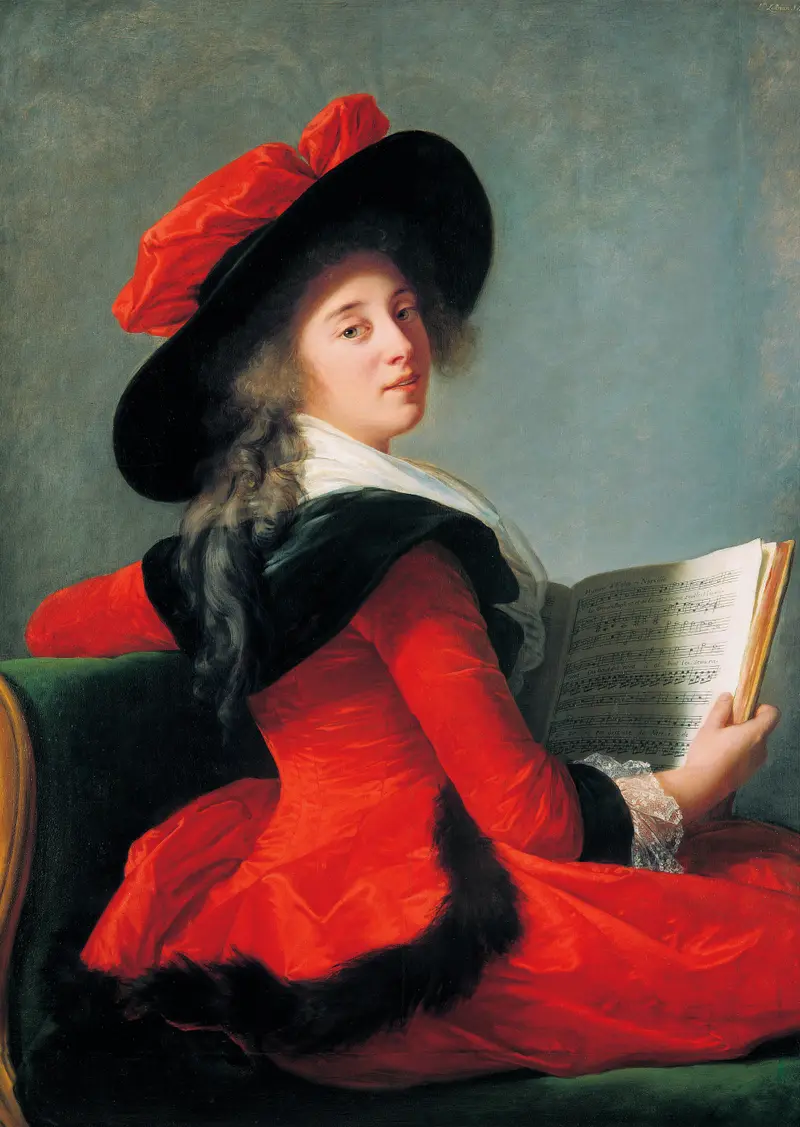
Baronne de Crussol
Elisabeth Louise Vigée Le Brun
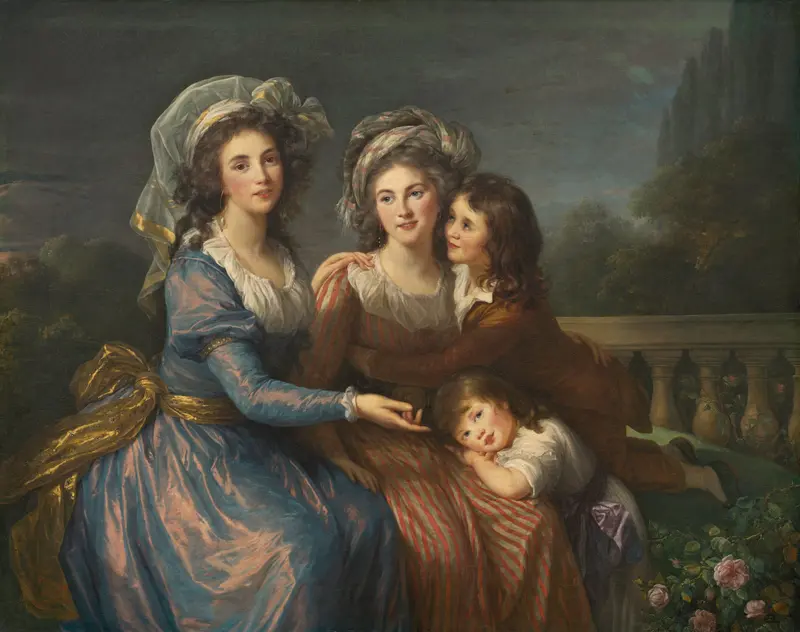
The Marquise de Pezay, and the Marquise de Rougé with Her Sons Alexis and Adrien
Elisabeth Louise Vigée Le Brun

Giuseppina Grassini Playing Zaire
Elisabeth Louise Vigée Le Brun
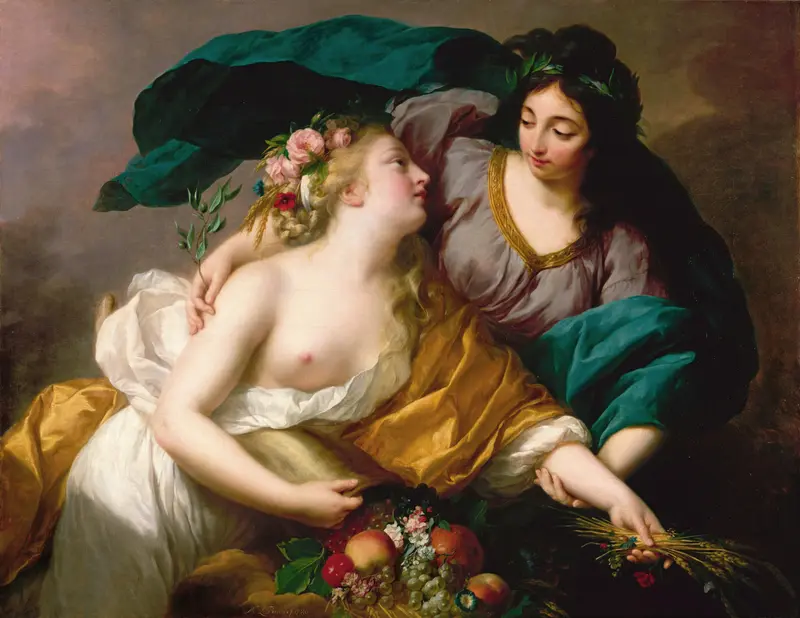
Peace bringing back Prosperity
Elisabeth Louise Vigée Le Brun
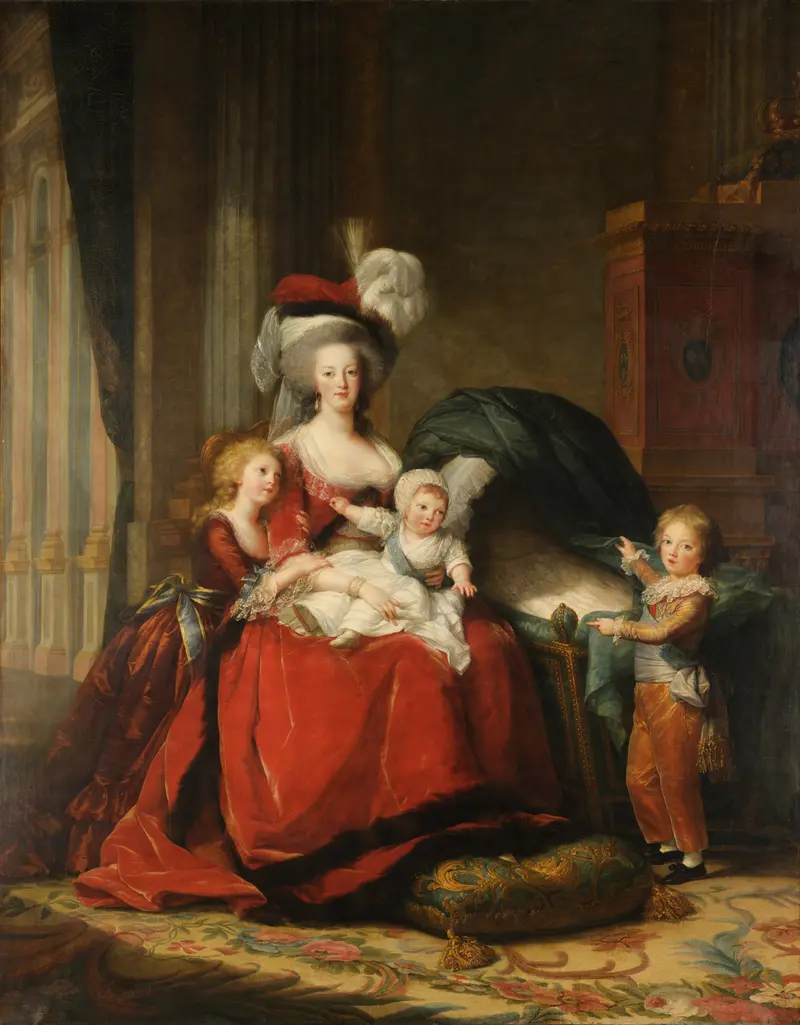
Marie Antoinette and Her Children
Elisabeth Louise Vigée Le Brun
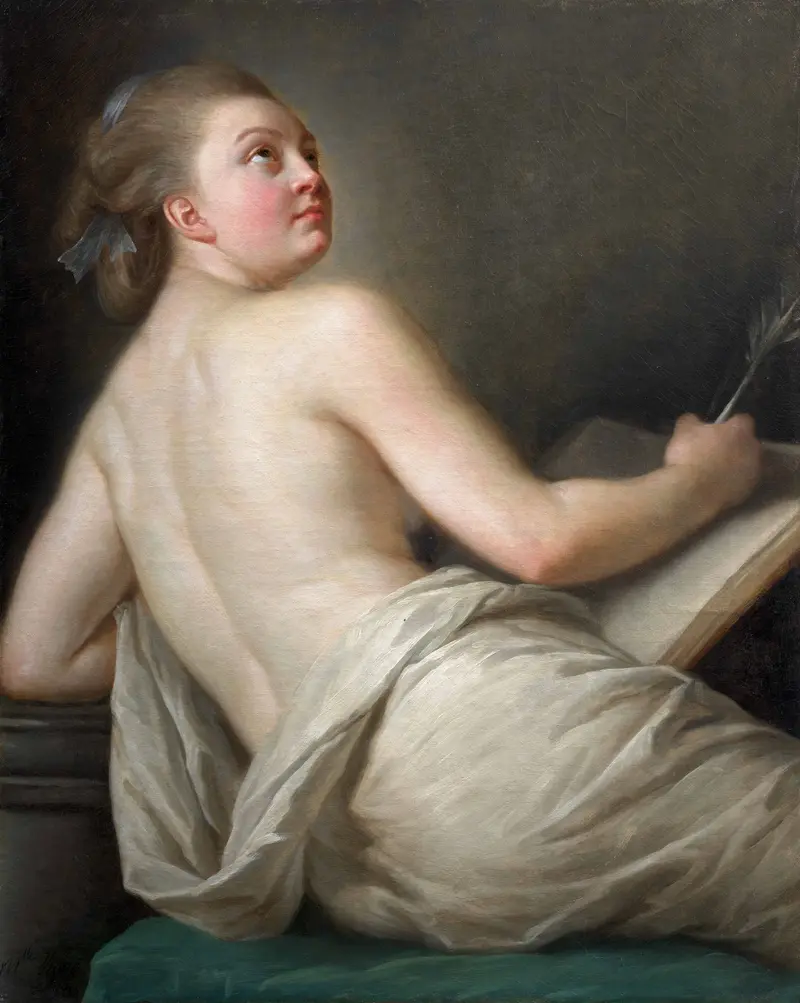
Allegory of Poetry
Elisabeth Louise Vigée Le Brun
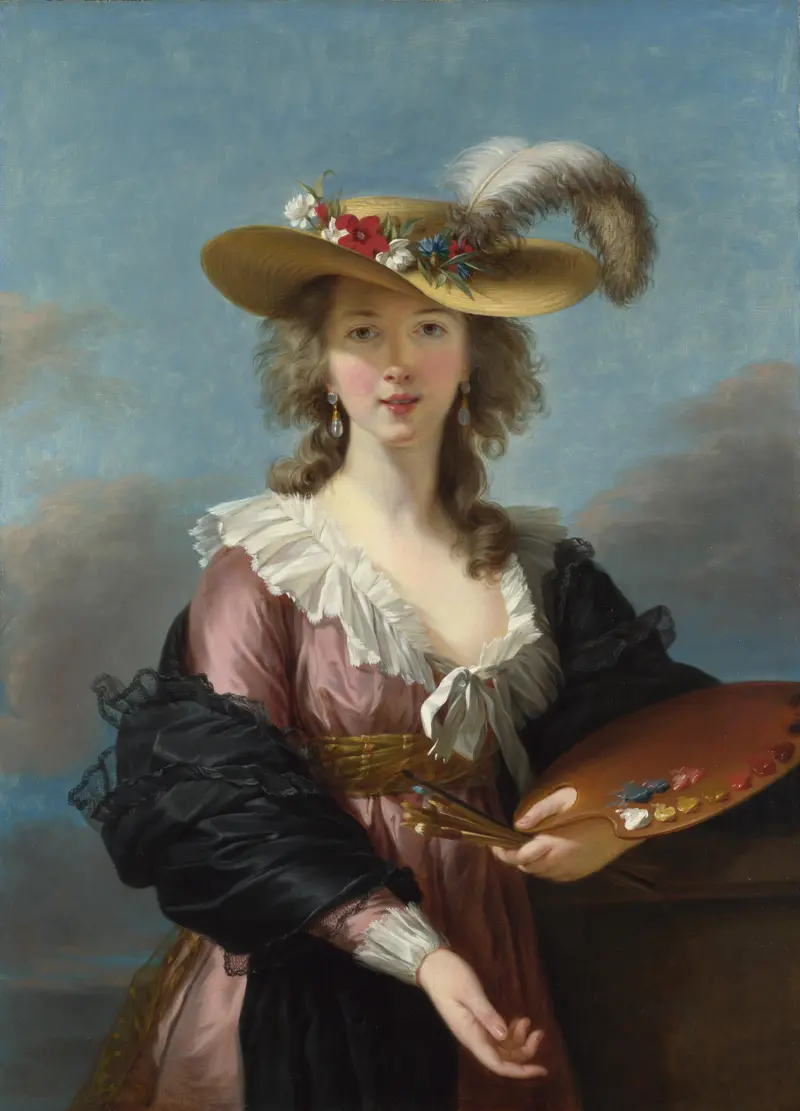
Self Portrait in a Straw Hat
Elisabeth Louise Vigée Le Brun
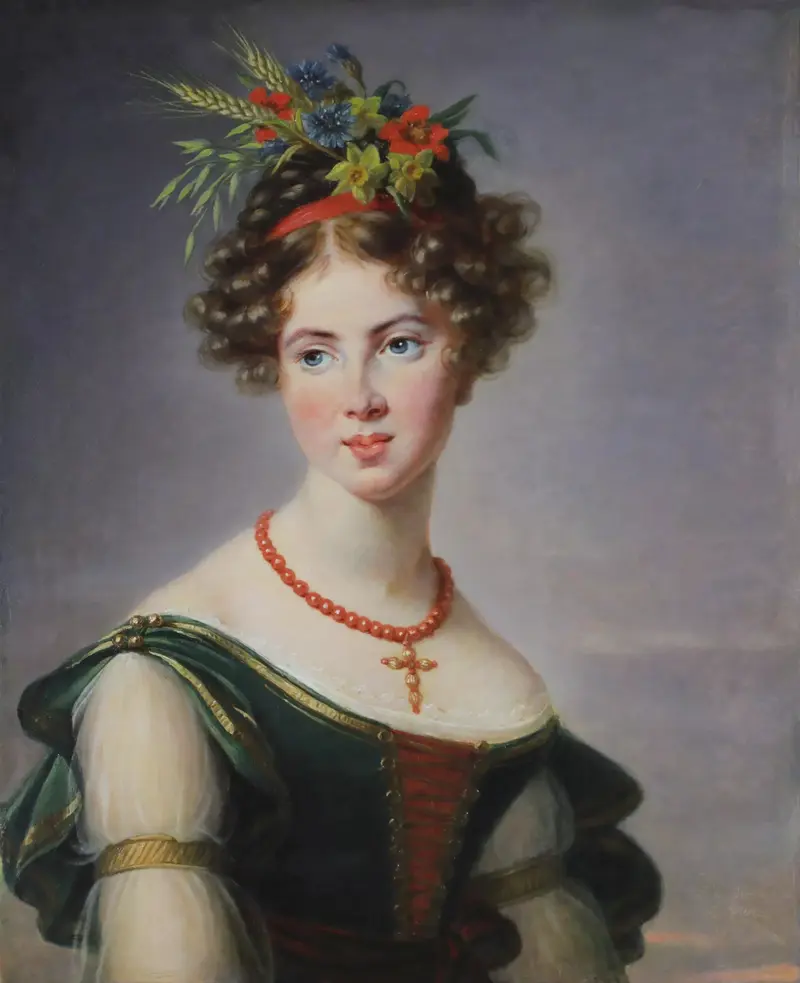
Portrait de la comtesse de Baussancourt, par Élisabeth Vigée Le Brun
Elisabeth Louise Vigée Le Brun

Hubert Robert
Elisabeth Louise Vigée Le Brun
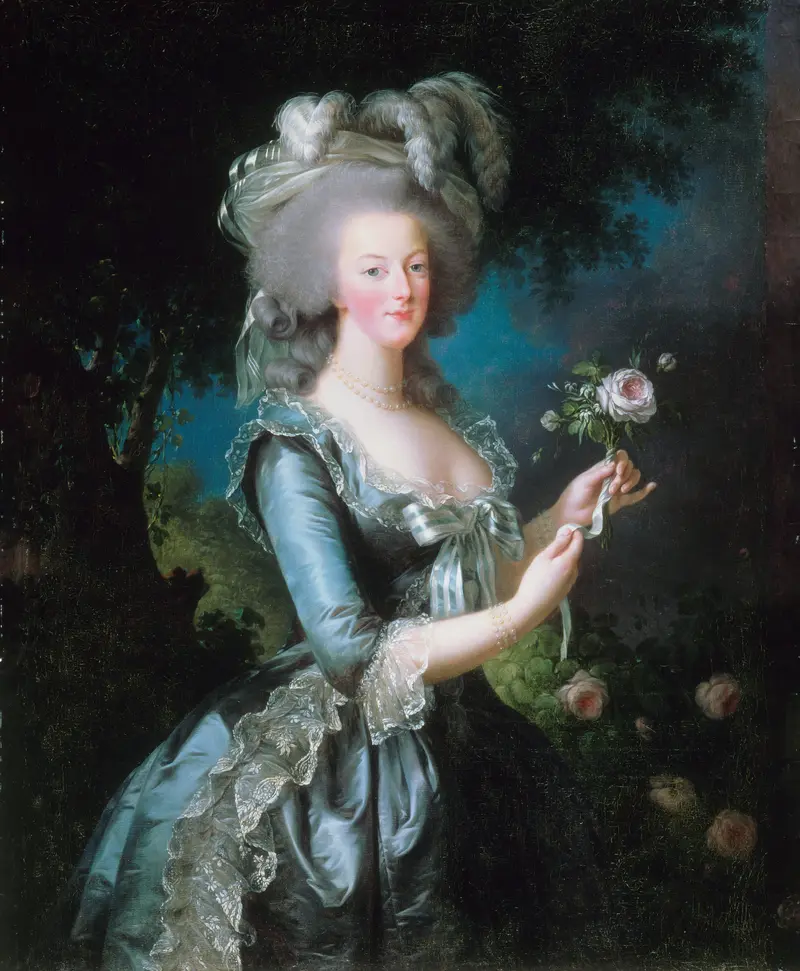
Marie Antoinette with a Rose
Elisabeth Louise Vigée Le Brun





