Discover insights about this artwork
Studies for the Christ Child with a Lamb — History & Facts
In Studies for the Christ Child with a Lamb, Leonardo da Vinci presents a tender scene featuring a young Christ child cradling a lamb. The colors are soft and warm, with gentle earth tones dominating the palette. The child’s expression is serene, embodying innocence and purity.
The lamb, a symbol of sacrifice and gentleness, adds to the overall peacefulness of the composition. This work is a study, likely created in ink on paper, showcasing da Vinci's skill in capturing delicate details. The lines are fluid and expressive, revealing the artist's understanding of anatomy and emotion. The approximate dimensions of the piece are 25 x 35 cm, indicating its intimate scale.
Viewers can appreciate the careful rendering of both the child and the lamb, highlighting da Vinci's meticulous approach. Leonardo da Vinci created this piece during the Renaissance, a time when artists sought to blend realism with spiritual themes. This study reflects his deep interest in the human form and the emotional connections between figures. An interesting fact about this work is that it serves as a preparatory sketch for larger compositions, illustrating da Vinci's methodical process in developing his ideas.
The lamb, often associated with Christ, emphasizes the themes of innocence and sacrifice central to Christian iconography.
More Artworks by Leonardo da Vinci
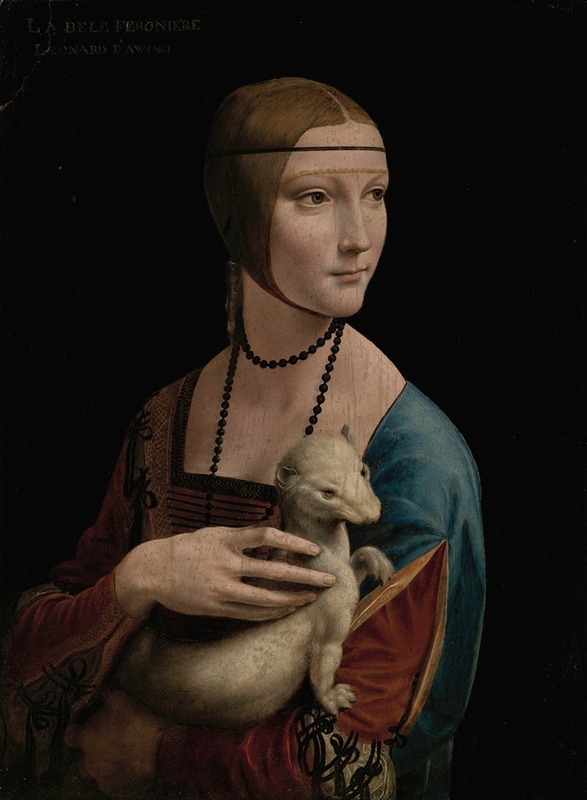
Lady with an Ermine – Portrait of Cecilia Gallerani (ca.1473–1536)
Leonardo da Vinci
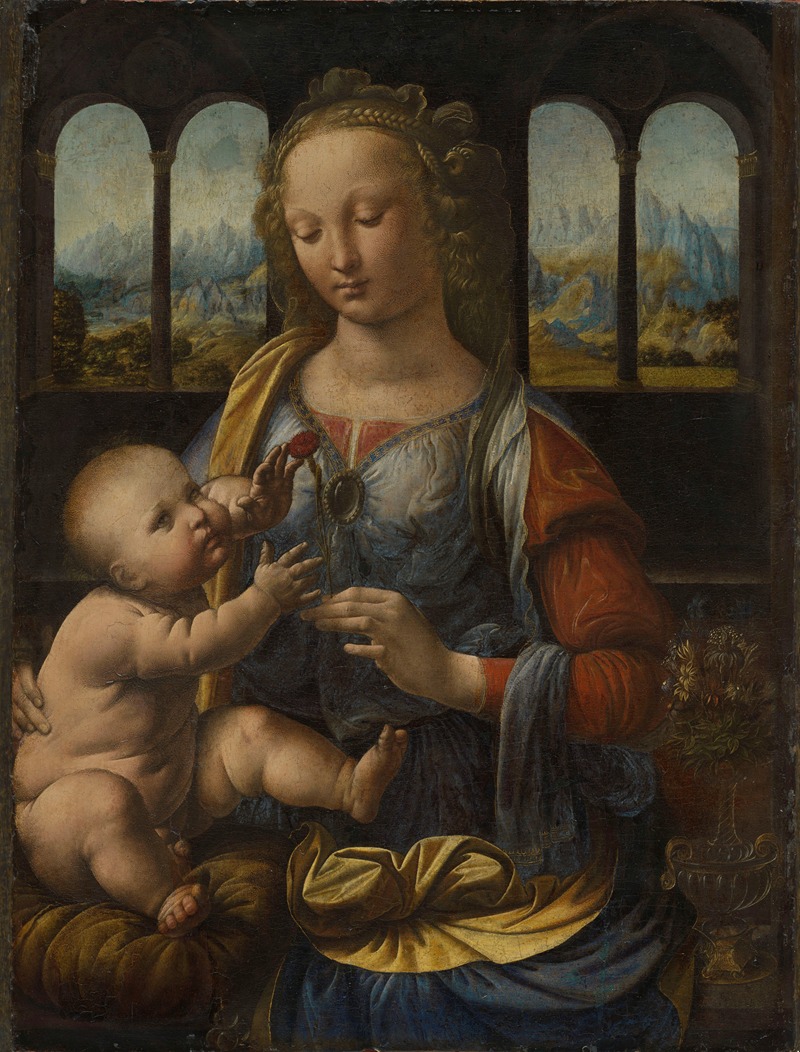
Madonna of the Carnation
Leonardo da Vinci
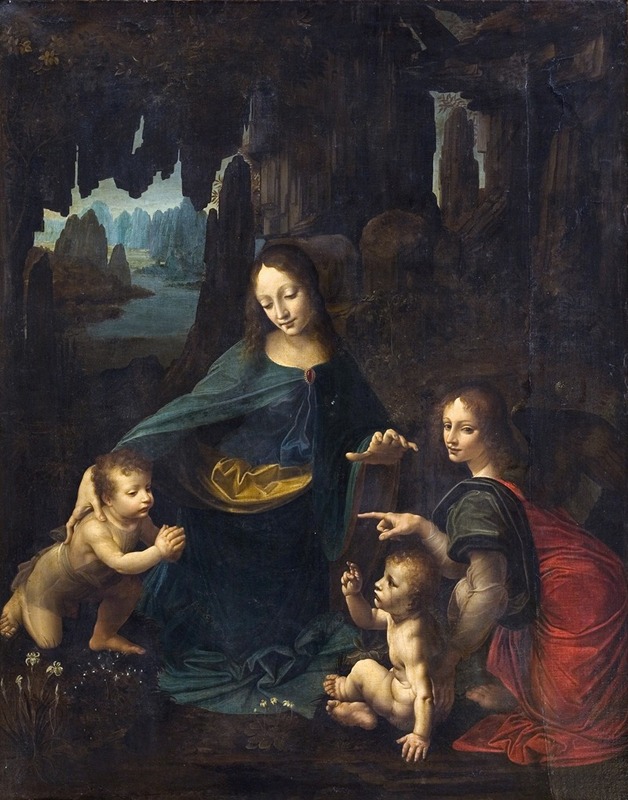
The Virgin of the Rocks
Leonardo da Vinci
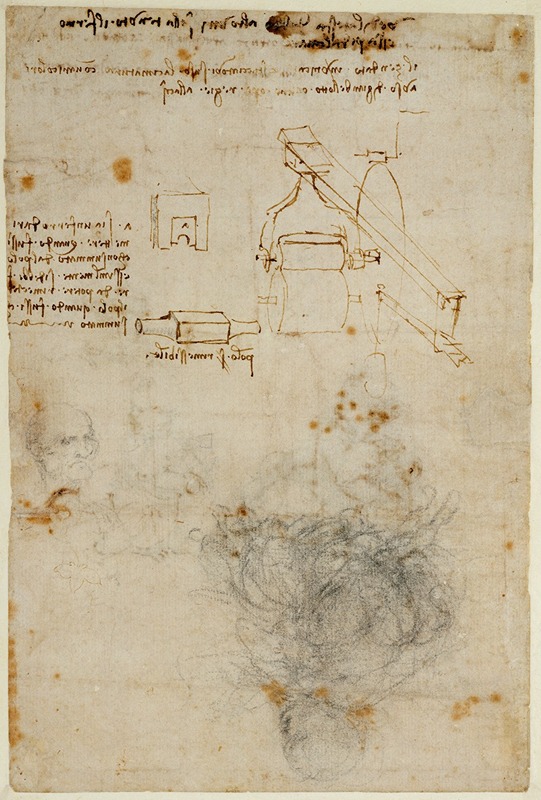
Head of an Old Man, and Studies of Machinery
Leonardo da Vinci
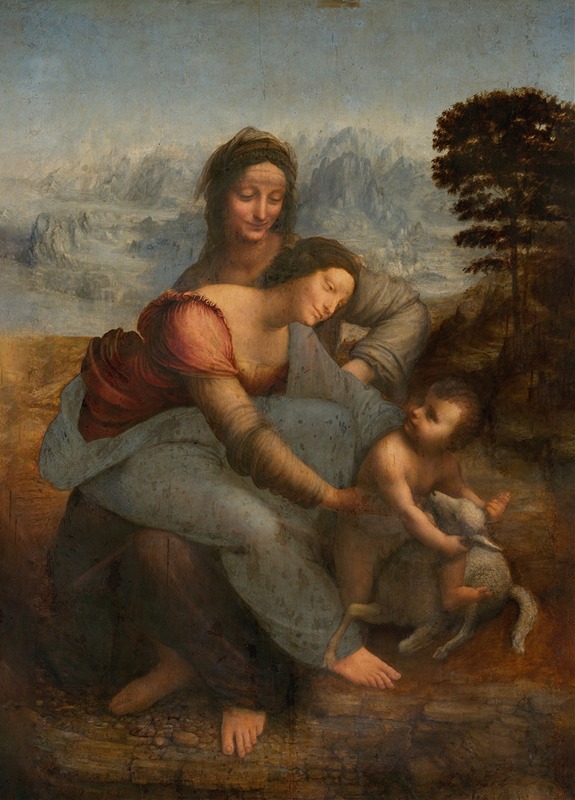
The Virgin and Child with St. Anne
Leonardo da Vinci
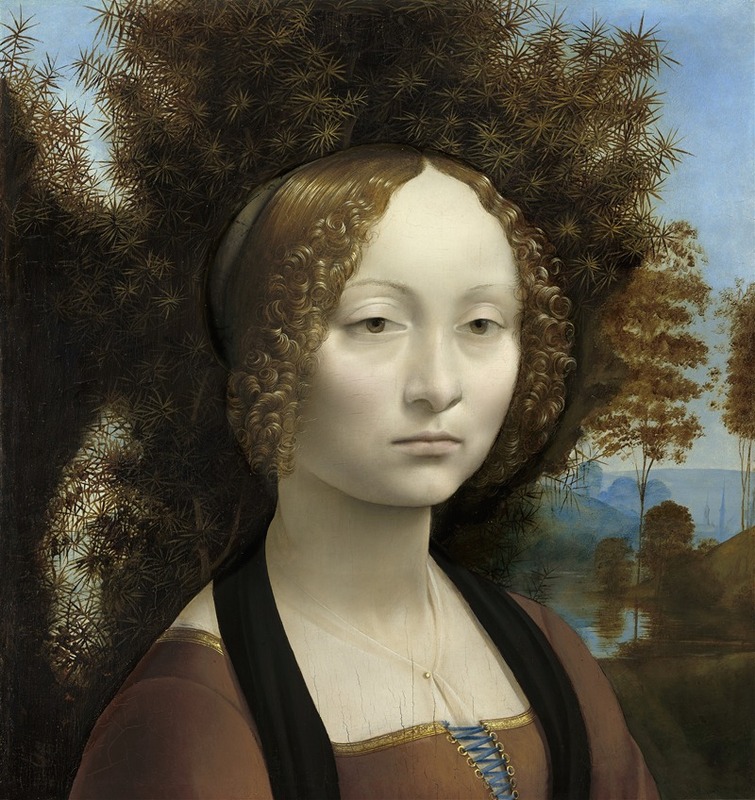
Ginevra de’ Benci (obverse)
Leonardo da Vinci
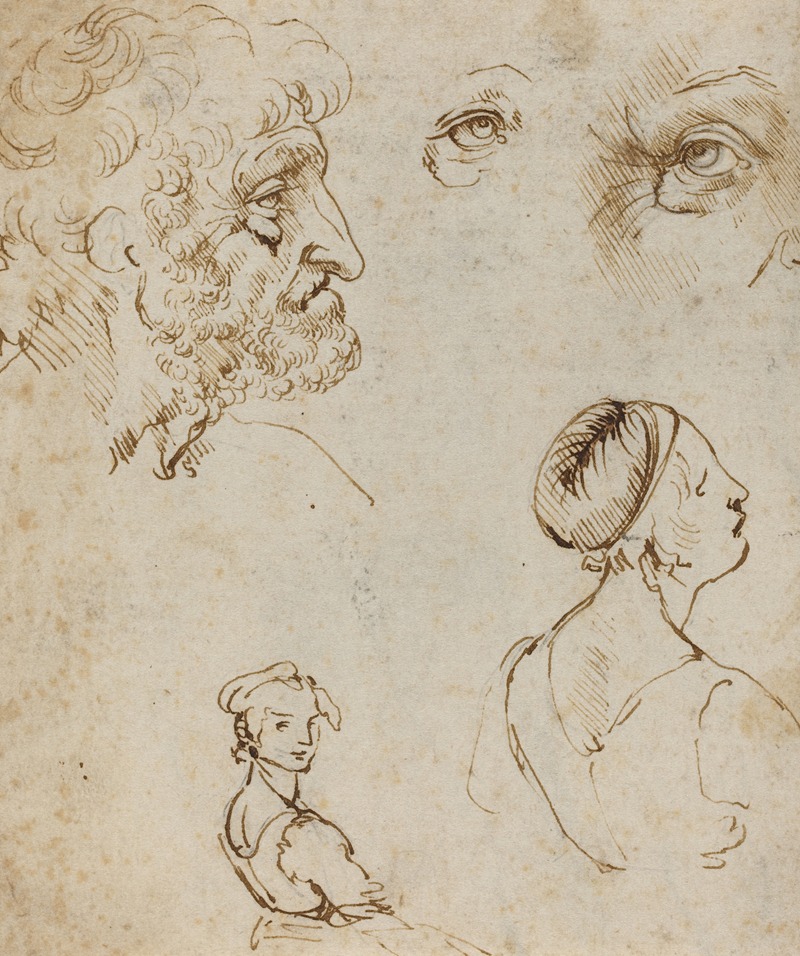
Sheet of Studies
Leonardo da Vinci
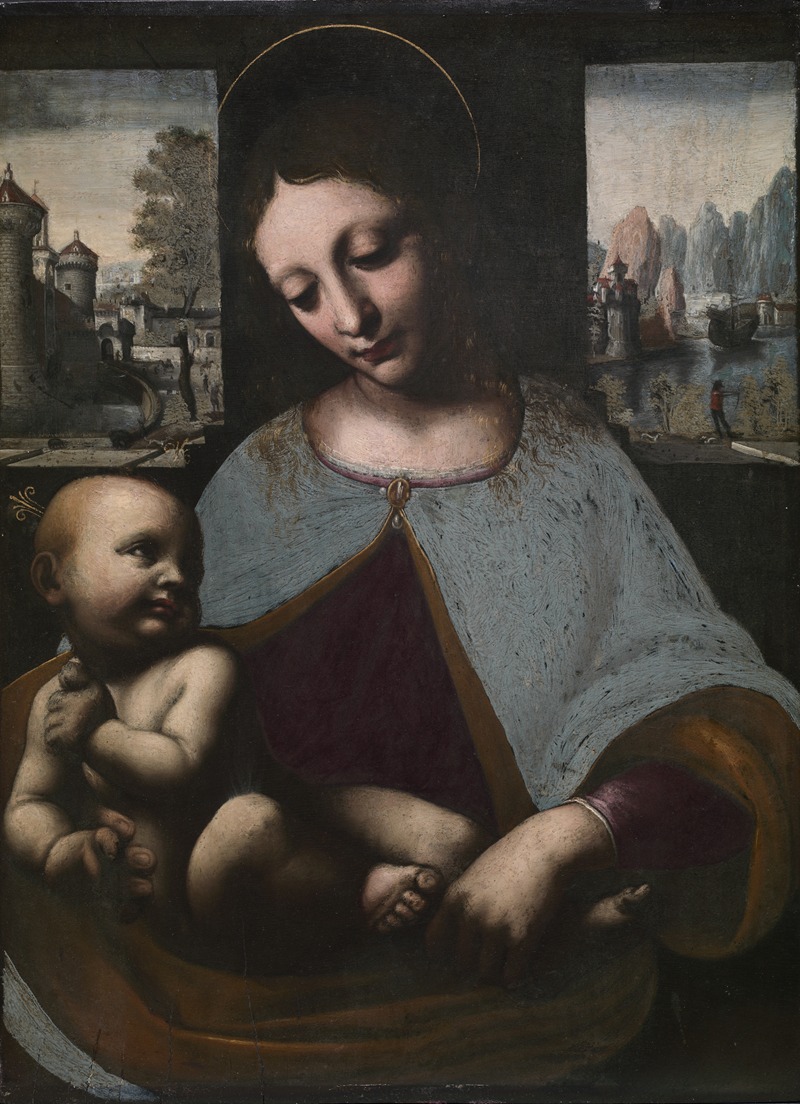
Virgin and Child
Leonardo da Vinci
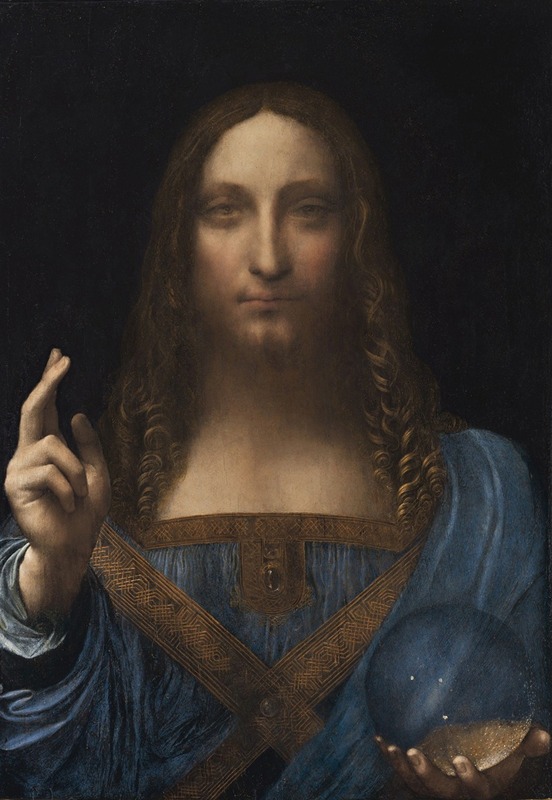
Salvator Mundi
Leonardo da Vinci
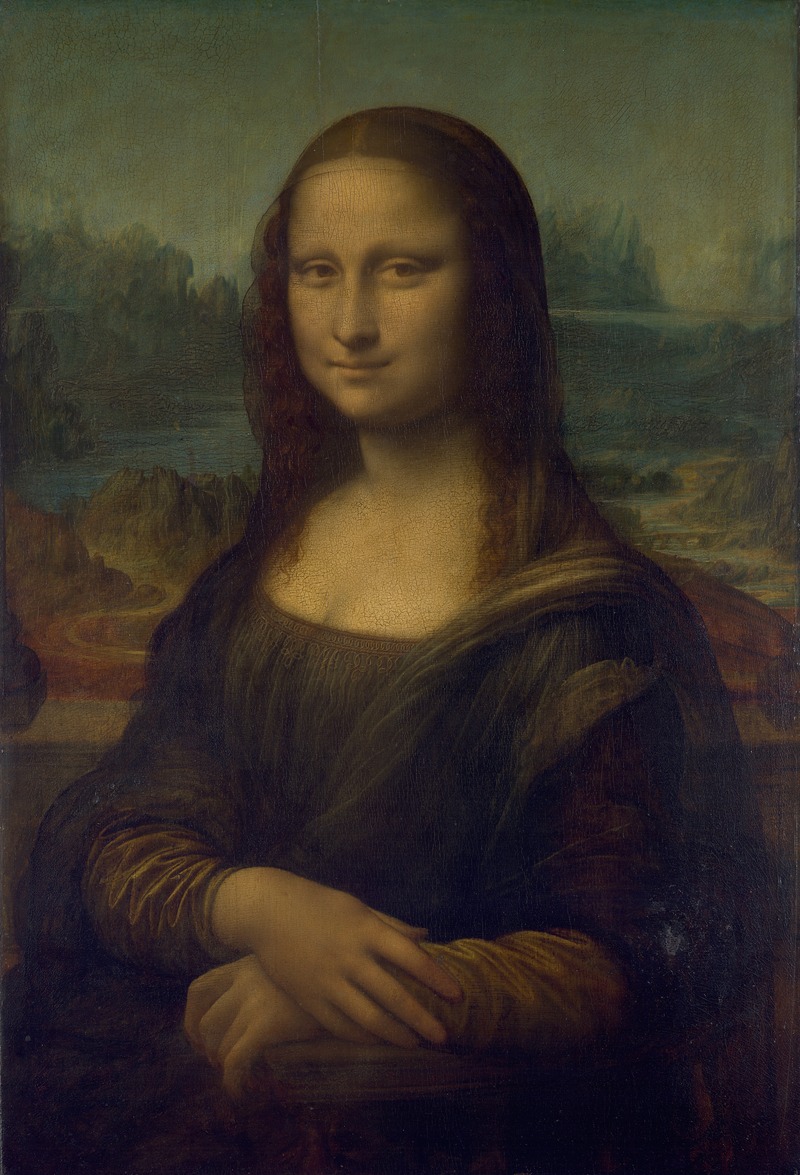
The Mona Lisa
Leonardo da Vinci